What Is Dutasteride?
Uses, Side Effects, Dosage, and FAQs (2026 Guide)
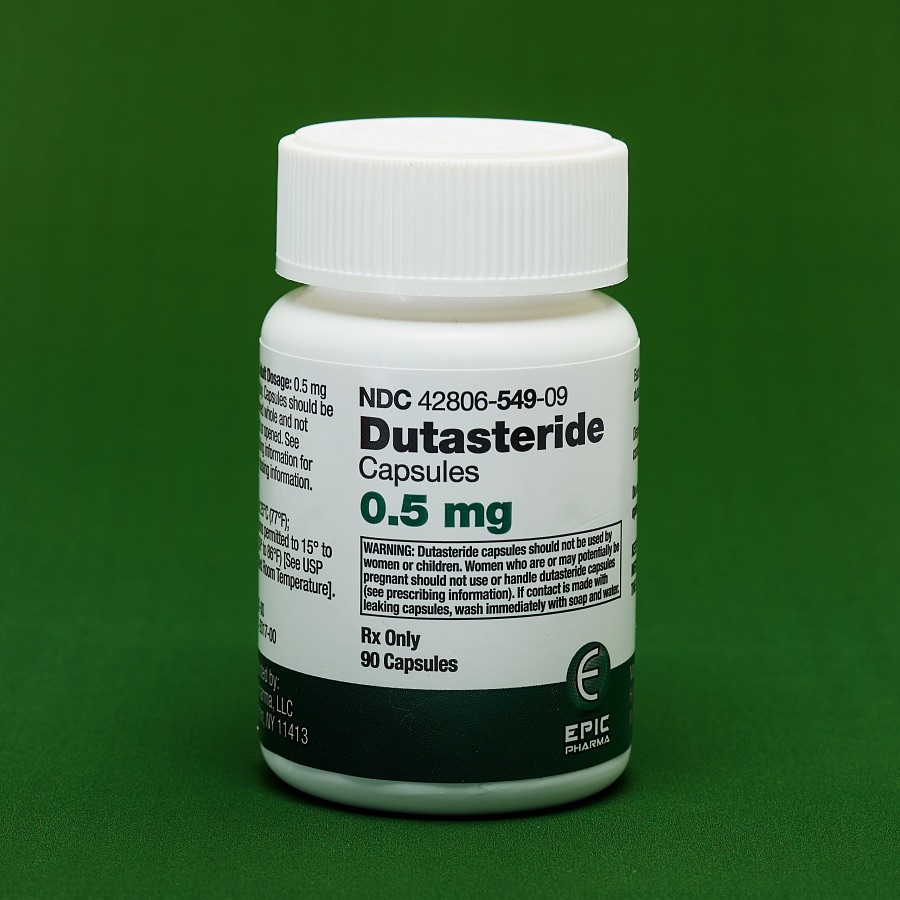
Dutasteride is a prescription-only medication used to treat benign prostatic hyperplasia (BPH). This medication belongs to the 5-alpha-reductase-inhibitor drug class. In addition to BPH, dutasteride may be used off-label to slow male pattern baldness or in combination with other medications. Side effects are usually minimal and more isolated to sexual health and hormone balance issues.
How It Works
Dutasteride works by inhibiting 5-alpha-reductase, the enzyme that converts testosterone into dihydrotestosterone (DHT). When DHT levels are too high, the prostate can enlarge, compress the urethra, and reduce stream during urination. DHT can also cause hair follicles to shrink, leading to male pattern baldness.
Unlike other, more limited 5-alpha-reductase-inhibitors like finasteride, dutasteride targets both the Type 1 and Type 2 versions of the enzyme. In doing so, the drug may decrease DHT more than alternatives.
| Quick Facts | |
|---|---|
| Common Brands | Avodart, Jalyn |
| Drug Class | 5-alpha-reductase-inhibitor |
| Generic Status | Generic for Avodart |
| Availability | Prescription only |
Dosing
Dutasteride is a maintenance drug intended for long-term use in order to keep DHT levels low and stable. Standard guidelines advise to take the drug daily – since it changes the body’s hormonal dynamics, it is not considered an “as-needed” medication.
- Standard dose: Providers typically prescribe a standard adult dose of 0.5 milligrams (mg), taken once daily.
- Administration: Standard guidelines recommend swallowing the oral capsule whole, with or without food.
- Consistency: It is advised to take dutasteride at the same time each day to maintain consistent levels of the medication in your bloodstream.
- Duration: Duration varies by patient, as some experience a noticeable difference within 3 months while others may need to take the drug longer than 6 months. Routine monitoring helps your doctor determine when patients are ready to go off the medication.
Note: Dosing information is educational only. Your prescribing physician will determine your specific dose based on your individual health needs. Always follow your healthcare provider’s instructions for exact dosing.
Uses
FDA-Approved Uses
Dutasteride is FDA-approved to treat the symptoms of benign prostatic hyperplasia (BPH) in men with an enlarged prostate. The medication’s clinical goals are:
- Improving urinary flow and decreasing “stop-and-start” urination
- Reducing the risk of acute urinary retention, a painful condition that prevents patients from being able to urinate
- Decreasing the likelihood that the patient will require surgery to improve BPH-related issues.
Off-Label Uses
You may see Dutasteride prescribed for uses that are not “FDA-approved.” This is a very common and legal practice called “off-label” prescribing, where a doctor uses their clinical judgment to prescribe a drug for a different (but well-researched) purpose.
Common off-label uses for dutasteride currently used in clinical research and practice include:
- Androgenetic alopecia: Dutasteride can slow this condition – commonly referred to as male pattern baldness – for men who have not been successful using standard hair loss treatments.
- Combination medication: Dutasteride may be used in combination with other medications, such as alpha-blockers, to both relieve immediate symptoms of BPH and help shrink the prostate over time.
Get Savings Updates for Dutasteride
Join our mailing list for exclusive deals and more.
Side Effects
Like all medications, dutasteride can cause side effects. Some common side effects may improve over time as your body adjusts to the medication. Other side effects may be serious and require medical attention.
Common Side Effects
Patients generally tolerate dutasteride well, but because the drug changes the body’s hormonal environment, some side effects can occur. Most involve sexual health and hormone balance, and can include the following:
- Erectile dysfunction
- Decreased libido
- Ejaculation disorders, including a decrease in the volume of semen
- Enlargement of breast tissue (in men)
Serious Side Effects
Serious side effects are rare, but it’s important to know what to look for if they do occur. Serious side effects of taking dutasteride can include:
- Prostate cancer risk: Clinical studies suggest dutasteride can increase the risk of high-grade prostate cancer, which is rare but more serious. Routine screening can help mitigate this risk.
- Male breast cancer: The drug has been linked to a higher risk of breast cancer in men. Symptoms include new breast lumps, nipple discharge, and chronic pain.
- Skin reactions: Dutasteride may cause severe peeling, blistering, rashes.
- Severe allergic reaction: Like many types of medication, dutasteride can cause anaphylaxis in people who are allergic to one or more of the drug’s ingredients.
Call your doctor immediately if you experience any concerning or prolonged symptoms.
Pharmacist Tips
Don’t Crush
It is recommended to take dutasteride whole without crushing the capsule, as this can cause significant irritation in the mouth and throat.
Be Patient
Many people who take dutasteride won’t notice meaningful results for months. Since it can take time for the prostate to shrink, patients are encouraged to be patient during the initial months of treatment.
Be Careful When Handling
The liquid medication inside a dutasteride capsule is easily absorbed into the skin, so it is advised for women and children to avoid touching it. Standard guidelines recommend disposing of any capsules that break or leak.
Watch for Brain Fog
Many men who take dutasteride complain of mental fogginess during treatment. While this is common, you should speak to your provider if the issue becomes a barrier to everyday life.
Proper Storage Is Key
Dutasteride should be stored in a cool, dry place – exposure to heat can melt the capsules.
Drug Interactions
Since dutasteride is processed in the CYP3A4 enzyme system of the liver, medications that inhibit this system can interact with the drug. Known interactions with dutasteride include:
- CYP3A4 inhibitors: Drugs like ketoconazole, ritonavir, ciprofloxacin, and diltiazem can increase the level of dutasteride in your body and elevate the risk of side effects.
- Grapefruit: Grapefruit blocks CYP3A4 enzymes, so the fruit – as well as grapefruit juice – can cause an unhealthy buildup of dutasteride in the body.
- Alcohol: There is no direct contraindication between dutasteride and alcohol, but excessive drinking can worsen urinary symptoms. It is recommended to speak with your provider if you plan to consume alcohol while taking dutasteride.
Always give your doctor and pharmacist a complete list of all your medications, vitamins, and supplements to check for potential interactions.
FAQs
What is the difference between dutasteride and finasteride?
Dutasteride and finasteride are both 5-alpha-reductase-inhibitors, but the latter only targets Type 2 versions of the enzyme. Finasteride is a more potent “dual inhibitor” that targets Type 1 and Type 2 5-alpha-reductase enzymes, so it may reduce DHT levels more.
Why can’t women or children touch dutasteride capsules?
DHT is critical for the development of fetal male sex organs. Since dutasteride is easily absorbed into the skin, it is advised for women and children to avoid touching the drug.
How long does it take for dutasteride to shrink the prostate?
Some symptoms may subside earlier, but for most people who take dutasteride, it takes 3 to 6 months for the prostate to shrink and urinary flow to improve.
Does dutasteride lower my PSA (Prostate-Specific Antigen) levels?
Yes, dutasteride can lower PSA levels by roughly 50%. PSA is used as an indicator during prostate cancer screenings, so dutasteride treatment requires doctors to establish a new “PSA baseline” for patients who have taken the drug for at least 3 months.
Why can’t I donate blood while taking dutasteride?
Dutasteride remains in the blood for several months after treatment has been discontinued. If a patient donates blood and it is given to a pregnant woman, their risk of developing birth defects is much higher. Standard guidelines state people who take dutasteride should wait at least 6 months after they stop taking the medication to donate blood.
Can I take tamsulosin and dutasteride together?
Yes, tamsulosin and dutasteride are considered safe to take together. The former relaxes the bladder, while the latter assists with long-term prostate shrinkage. Jalyn is a prescription medication that combines the two drugs.
Can I drink alcohol while taking dutasteride?
While there is no known interaction between dutasteride and alcohol that makes drinking dangerous while taking the drug, most providers recommend exercising caution because drinking too much can exacerbate the urinary symptoms of BPH.
Does dutasteride affect my testosterone levels?
Since dutasteride blocks the conversion of testosterone into DHT, the medication may cause a slight increase – usually 10% to 25% – in circulating testosterone. You may also notice the effects of reduced androgen activity because DHT is a more potent hormone than testosterone.
Does dutasteride work better than Rogaine (minoxidil)?
Dutasteride doesn’t necessarily work better than Rogaine because the two medications work differently. Rogaine is a topical vasodilator intended to stimulate hair follicles, while dutasteride addresses the hormonal causes of hair loss. Your provider may recommend using both simultaneously to increase the synergistic effects.
Will my hair fall out if I stop taking dutasteride?
Yes, if you are taking dutasteride to curb male pattern baldness, you may experience hair loss if you stop taking the drug. DHT levels return to normal after you quit the medication and the shrinking of hair follicles resumes, so hair that has been kept or regrown due to the drug may fall out in the months afterward.
Does dutasteride cause depression?
Depression is not considered a common side effect of dutasteride, but some men report mood changes – including depression and anxiety – while taking the medication or other 5-alpha-reductase-inhibitors.
Comparable Medications
Dutasteride, Finasteride, Tamsulosin, or Minoxidil?
Dutasteride is a potent “dual inhibitor” medication that targets Type 1 and Type 2 5-alpha-reductase enzymes. It is used to treat the symptoms of benign prostatic hyperplasia and can also slow male pattern baldness, but a dutasteride alternative may be more suitable for certain patients based on their medical history. Alternatives to dutasteride include:
Finasteride is an older 5-alpha-reductase-inhibitor that targets Type 2 – but not Type 1 – versions of the enzyme. It can reduce DHT levels, but not to the same extent as the more potent dutasteride.
Dutasteride and tamsulosin both treat BPH, albeit in different ways. Tamsulosin is an alpha-blocker that works to relax the muscles and strengthen urinary flow. Dutasteride focuses on the underlying hormonal causes behind non-cancerous prostate enlargement.
Minoxidil
Sold under the brand name Rogaine, minoxidil is a topical foam or liquid applied directly to the hair to improve blood flow and extend the growth phase of hair. Dutasteride is a more foundational medication that addresses the hormonal causes behind male pattern baldness.
We Have Dutasteride in Stock. Get Yours Today!
Important: Information on this page is for educational purposes only. Prescribing decisions are made by independent, licensed providers. TelyRx operates technology-enabled pharmacies and a telehealth platform that connects patients with board-certified licensed providers. Prescriptions, when provider-approved and issued, are filled and shipped by TelyRx-affiliated pharmacies. We do not employ physicians or make prescribing decisions. Learn more about our editorial standards here.