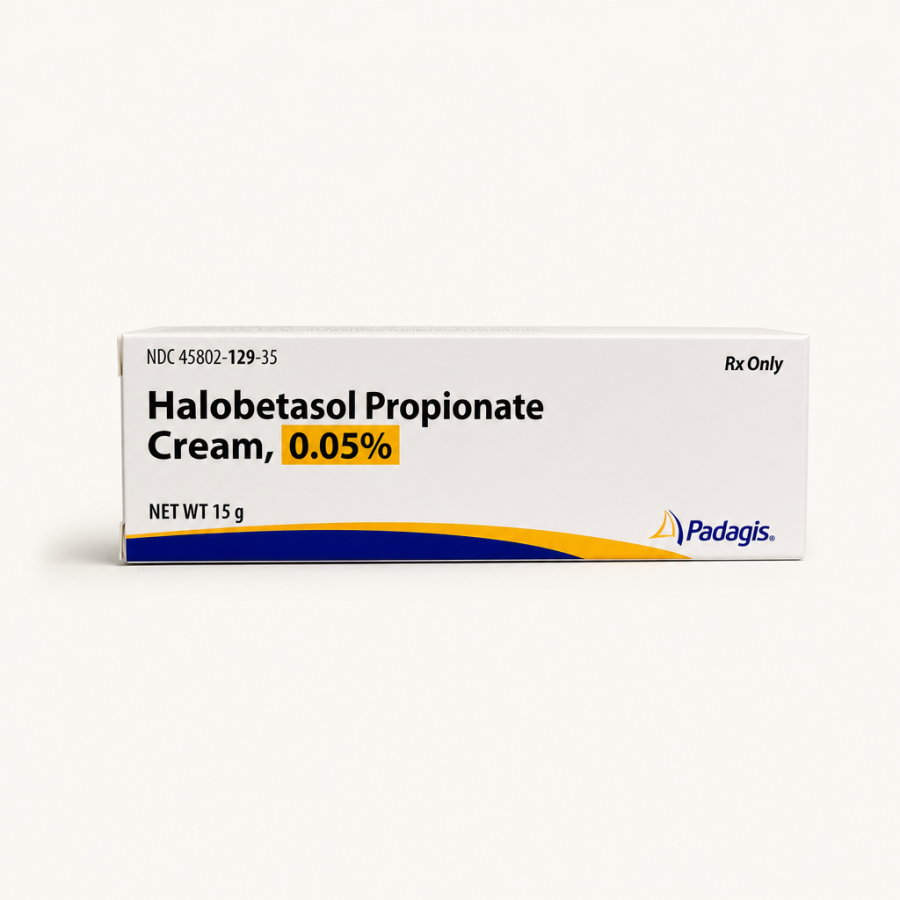
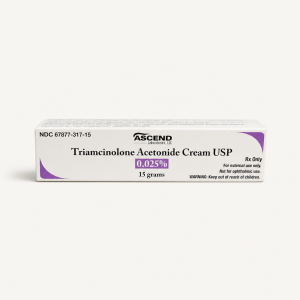
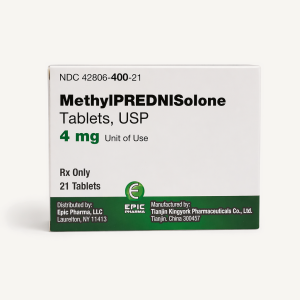
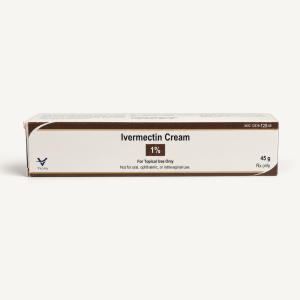
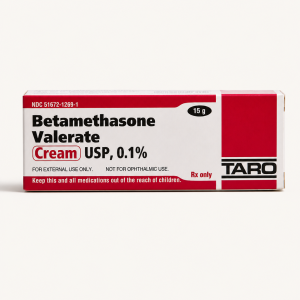
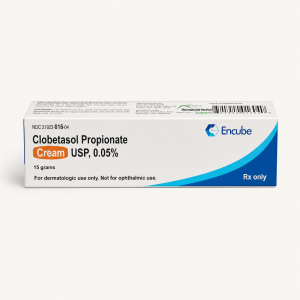
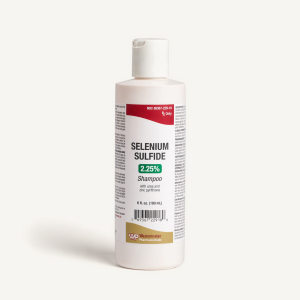
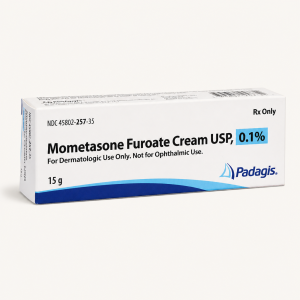
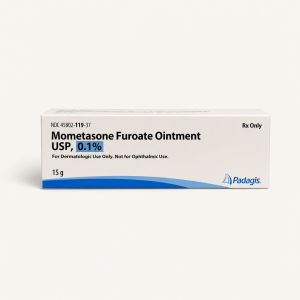
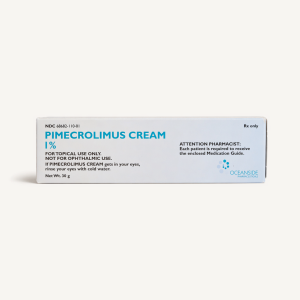
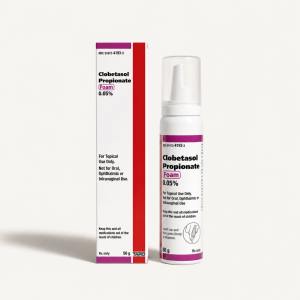
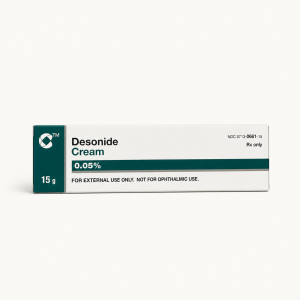
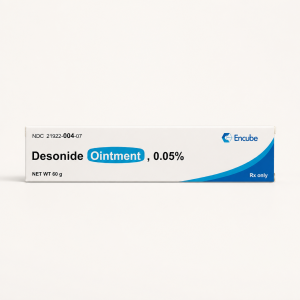
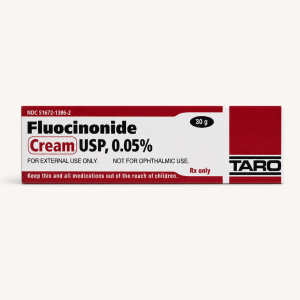
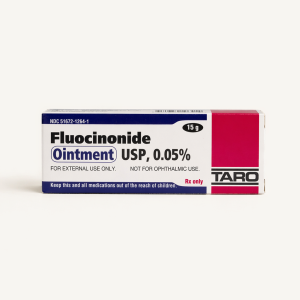
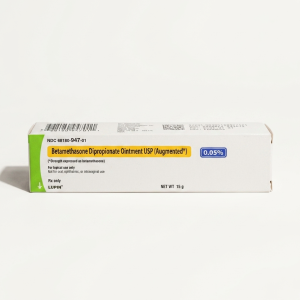
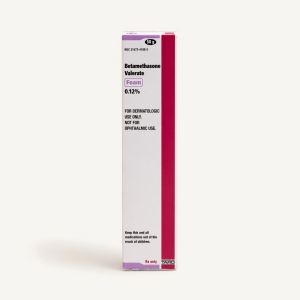
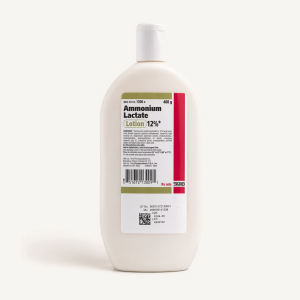
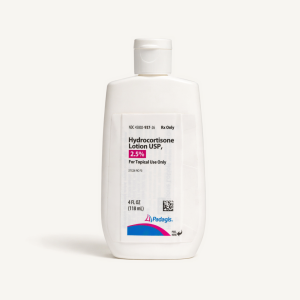
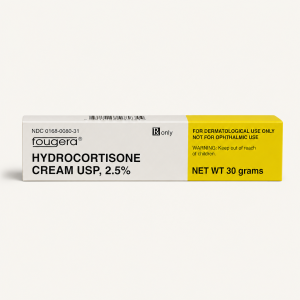
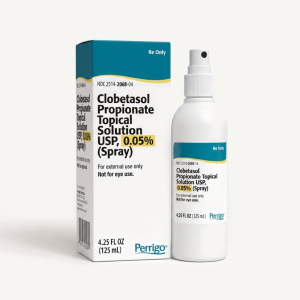
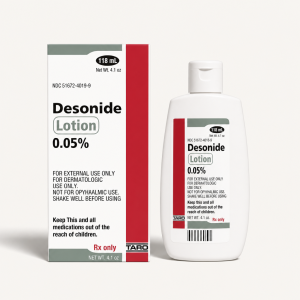
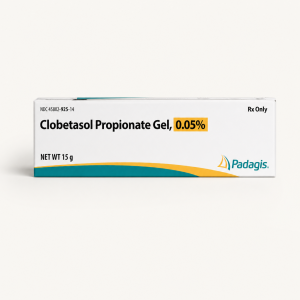
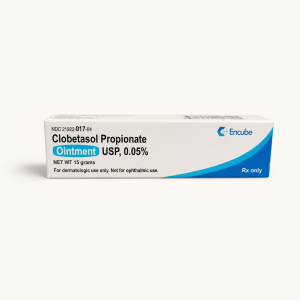
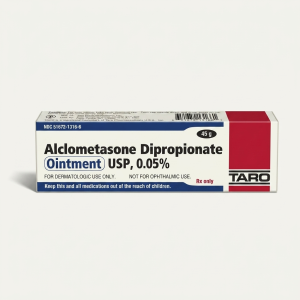
Halobetasol is a high-potency corticosteroid used to treat inflammatory skin conditions such as psoriasis and eczema. It works by reducing inflammation, redness, and itching by suppressing the immune response in the affected area. Due to its strength, halobetasol is typically prescribed for short-term use to avoid potential side effects like skin thinning. It is available in various topical forms, including creams, ointments, and lotions, and should be applied as directed by a healthcare provider.
Halobetasol cream is a high-potency topical corticosteroid prescribed to treat inflammatory skin conditions such as psoriasis and eczema. It works by suppressing the local immune response to reduce symptoms like itching, redness, and swelling in affected areas. This medication is typically recommended for short-term use due to its strength and potential side effects.
Halobetasol is available in various forms, including creams, ointments, and lotions. Prolonged use may lead to side effects such as skin thinning, stretch marks, or an increased risk of infection. It should be applied exactly as directed by a healthcare provider to minimize these risks and ensure proper treatment of chronic skin flare-ups.
How To Use:
Use only on affected areas, usually once or twice daily
Apply sparingly and avoid covering treated areas unless instructed
Halobetasol cream may cause side effects, including burning, stinging, or itching at the application site. Some users experience dryness, redness, or peeling of the skin, especially with prolonged use. Skin thinning and stretch marks can occur if the cream is used over large areas or for extended periods. There is an increased risk of skin infections since halobetasol suppresses the immune response. Discoloration of the treated skin and small red or purple spots (petechiae) may also develop. Acne-like breakouts or worsening of existing acne are possible side effects. Some users notice unwanted hair growth in the treated area. Rash, irritation, or allergic reactions may occur, leading to discomfort. Folliculitis, or inflammation of hair follicles, can develop due to prolonged use. Halobetasol may also slow wound healing, making cuts and scrapes take longer to recover. Increased sensitivity to sunlight is another potential issue, making sun protection important. In rare cases, the medication can be absorbed into the bloodstream, leading to systemic effects like weight gain, fatigue, or hormonal imbalances. Prolonged use over large areas may cause adrenal suppression, which affects hormone production. Misusing halobetasol or using it on the wrong skin conditions can worsen symptoms. To minimize risks, patients should follow their healthcare provider’s instructions carefully and report any severe or persistent side effects.
This information should not be used to decide whether or not to take this medicine or any other medicine. Only a healthcare provider has the knowledge and training to decide which medicines are right for you. TelyRx does not endorse any medicine as safe, effective, or approved for treating any patient or health condition. This is only a limited summary of general information about the medicine’s uses from the patient education materials and is not intended to be comprehensive. This limited summary does NOT include all information about the possible uses, directions, warnings, precautions, interactions, adverse effects, or risks that may apply to this medicine. This information is not intended to provide medical advice, diagnosis or treatment and does not replace information you may receive from your healthcare provider. For a more detailed summary of information about the risks and benefits of using this medicine, please review the entire patient education information you receive with the medication.
Testimonials
What patients are saying
★★★★★
4.7 out of 5
4,099 verified reviews on Trustpilot
★★★★★5.0 (128 reviews)
This is the best thing to happen since…
Thank you Telrx for creating this company. It's so hard to get doctor's appointments! For common ailments, we usually know what we need before we go to the doctor's office...this saves so much time, money and headache! Thank You!!
★★★★★5.0 (128 reviews)
Great Service
Great service. No more waiting for an appointment for the medication I've been taking for quite a while, with much success. Received doctor approval and the medication was shipped to me without any delays.
★★★★★5.0 (128 reviews)
This is the first time using an online prescription pharmacy
I was hesitant, but everything about the experience was very positive. From requesting the medication to receiving it was quick and easy. From time of order to receipt was only 2 days. Very happy and will not hesitate to use in the future.
★★★★★5.0 (128 reviews)
AMAZING ease to purchase
Where was this place all my life? No costly doctor's appts where you have to get a referral through Kaiser then drive then wait. Got an eczema cream for my daughter in 5 mins. Will be back
★★★★★5.0 (128 reviews)
I've been taking Blood Pressure meds…
I've been taking Blood Pressure meds for several years. Always going through the hassle of doctor's office and waiting rooms. TelyRx has made office visit's obsolete with its exceptional services.
Answers to common questions about treatment, pricing, and how this all works.
Why should I trust TelyRx?
Every order is reviewed virtually by a healthcare provider licensed in your state. Our licensed pharmacies dispense only FDA-approved medications and our platform provides HIPAA-level privacy protection. With TelyRx, you get real healthcare with real oversight.
Is insurance required?
No. TelyRx works outside of insurance entirely. The price you see is the price you pay. No prior authorizations, no claim denials, no waiting on approvals.
What will my medication cost?
Search any medication on our site and see your price instantly — no account required. The provider review is a flat $22 fee per order, whether you need one medication or multiple. Most people pay a fraction of what they’d pay at a typical pharmacy.
Do I need to have a prescription?
Not to get started. Complete a short health attestation, and a licensed provider will review your request entirely online. Already have a prescription? You can transfer it to TelyRx directly.
How do I transfer my existing prescription to the TelyRx platform?
Make sure you have created an account with TelyRx if you haven't already done so. Select the “I have a prescription” option when adding your request to your cart. If we don’t have the exact medication (dosage, quantity, formulation) matching your prescription, we recommend that you request a prescription through our platform to reduce any potential delay or denial. Provide your current pharmacy’s name and phone number, as well as your prescription number. Our customer service team will reach out for more information as needed.
If your prescription details differ from the order you submitted, such as if the dosage differs, your order will be cancelled and you will not be charged.
If we do not have your exact match in dosage, quantity, or formulation, we recommend selecting the “I need a prescription” option to avoid potential fulfillment delays. Your request will be reviewed by an independent, licensed provider.
Why does my medicine look different than the product photo?
Medication appearance can vary depending on the manufacturer. No matter which company creates it, the drug you receive will always be FDA-approved and bioequivalent. This means it contains the same active ingredient(s), at the same dosage, for the same intended use. The medicine you receive is just as safe and effective, even if it doesn't look exactly like the photo.
We work with a network of trusted American wholesalers and manufacturers to keep your medications high-quality, FDA-approved, and reliably in stock. From time to time, we may switch manufacturers to ensure you never run out of the medication you depend on.
In the rare case that a bioequivalent version isn't available, we'll cancel your order and refund you the cost — because your safety always comes first.