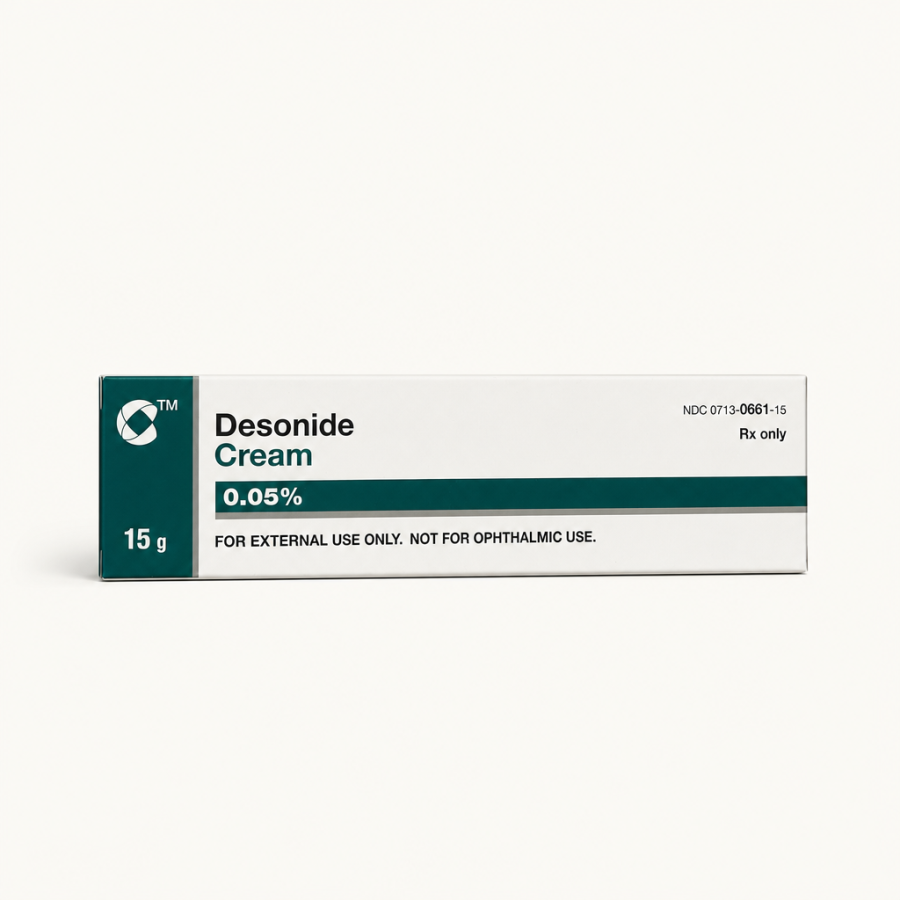
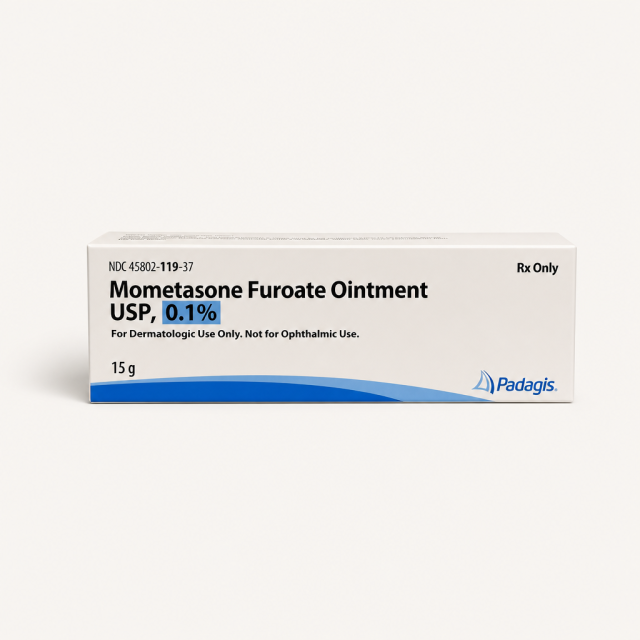
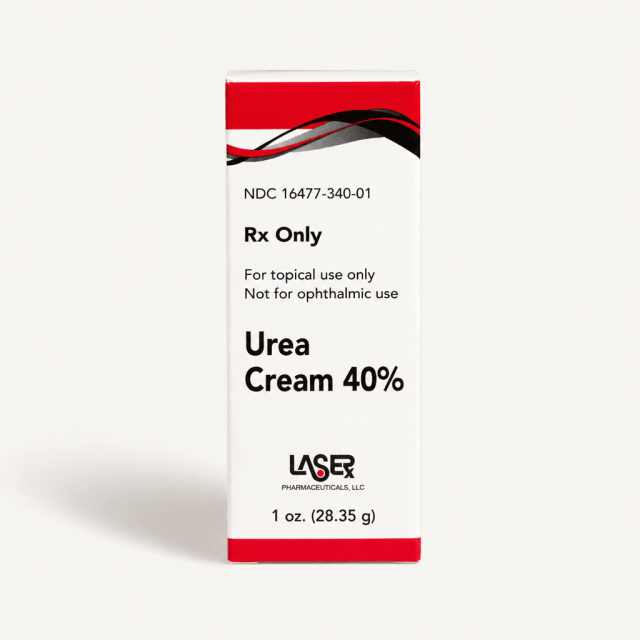
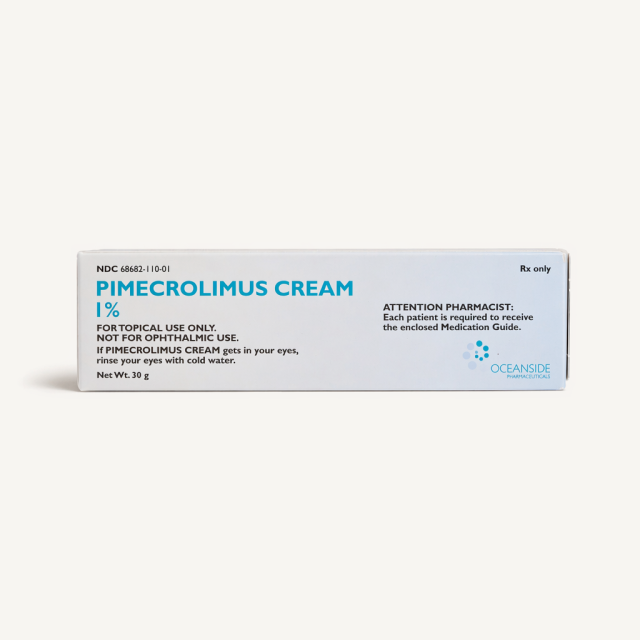
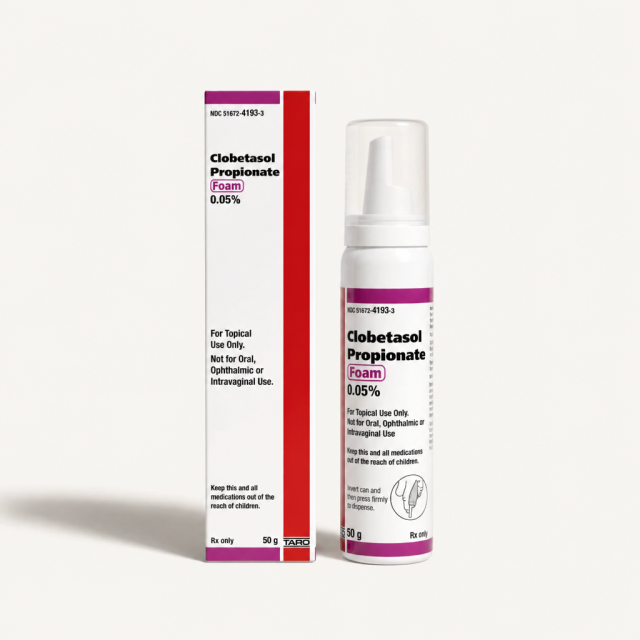
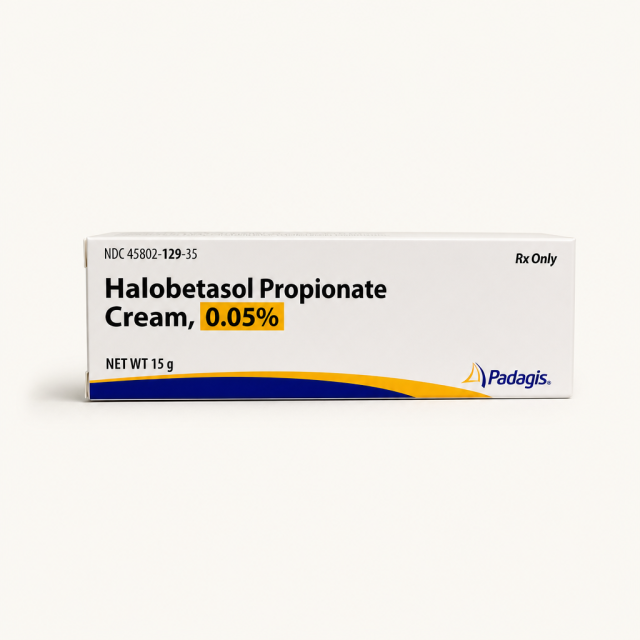
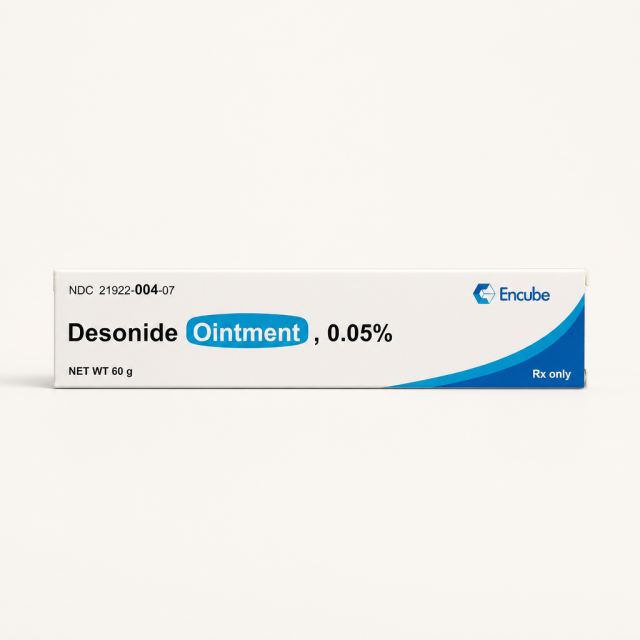
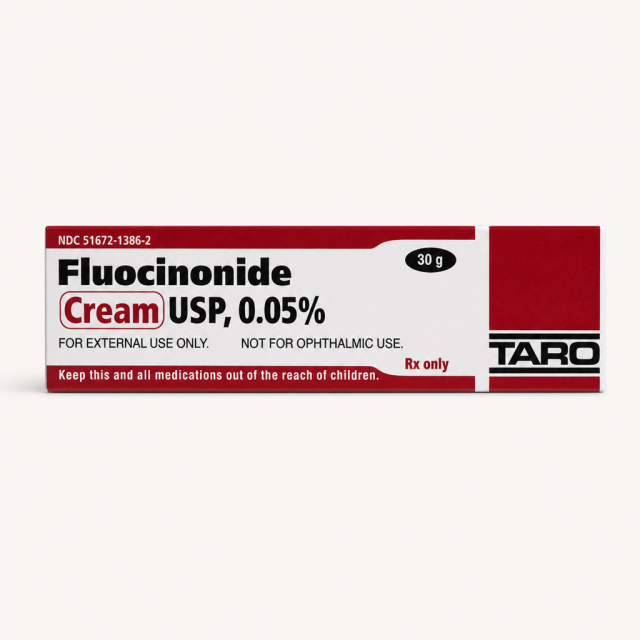
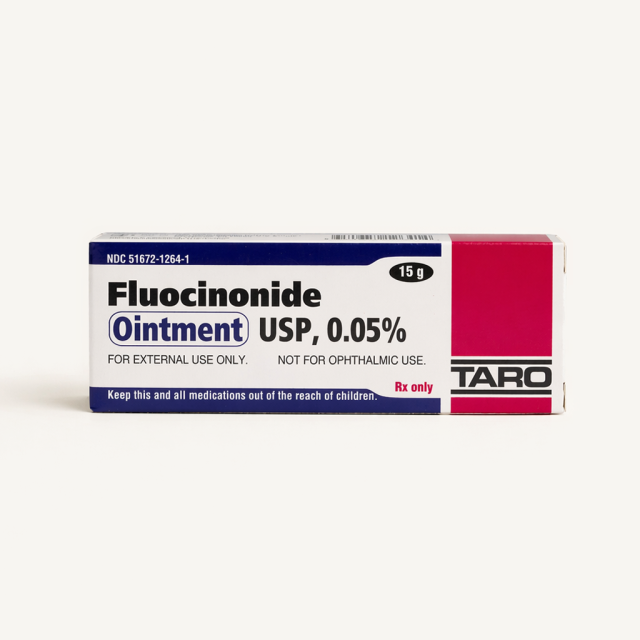
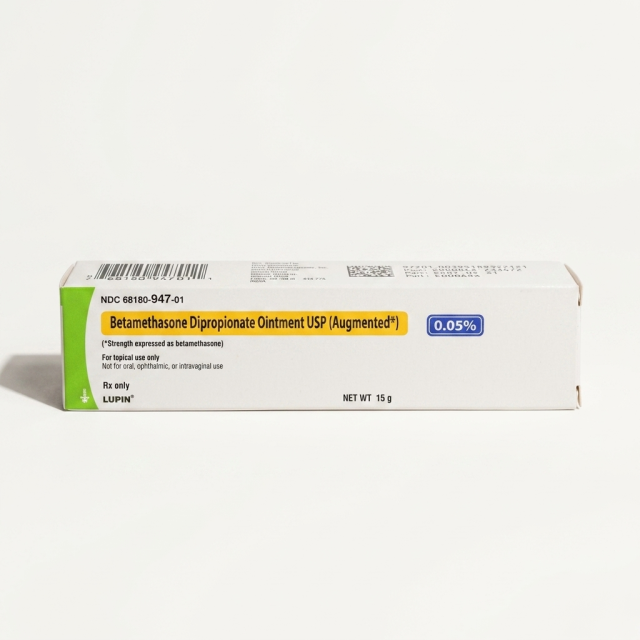
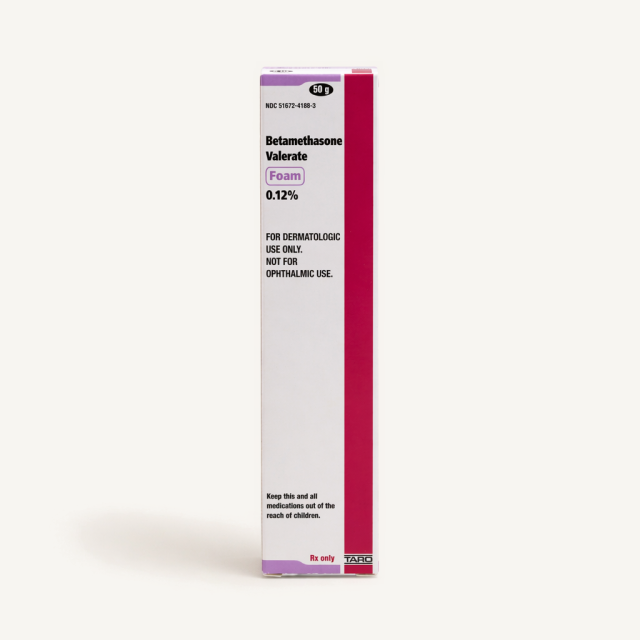
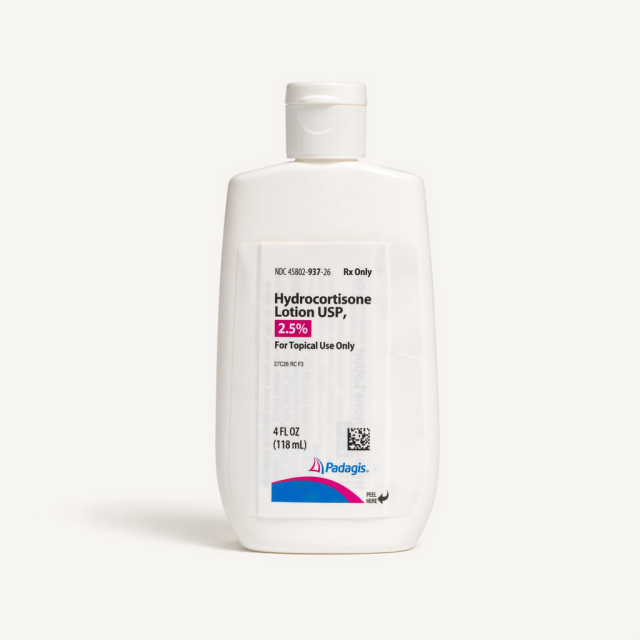
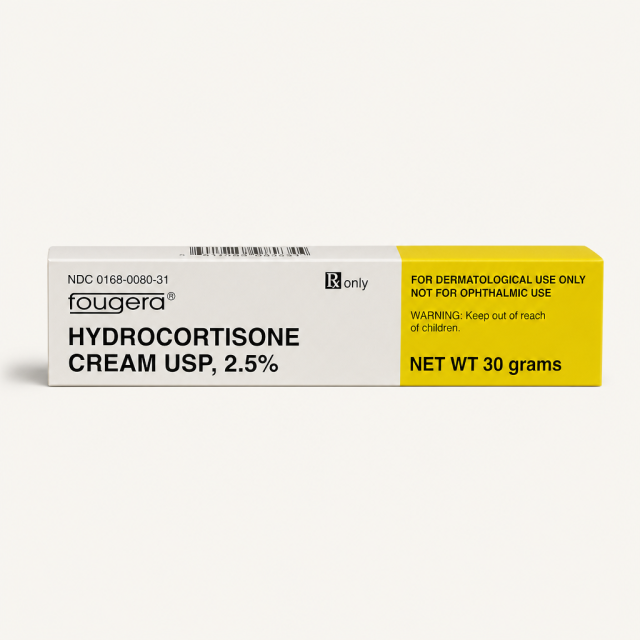
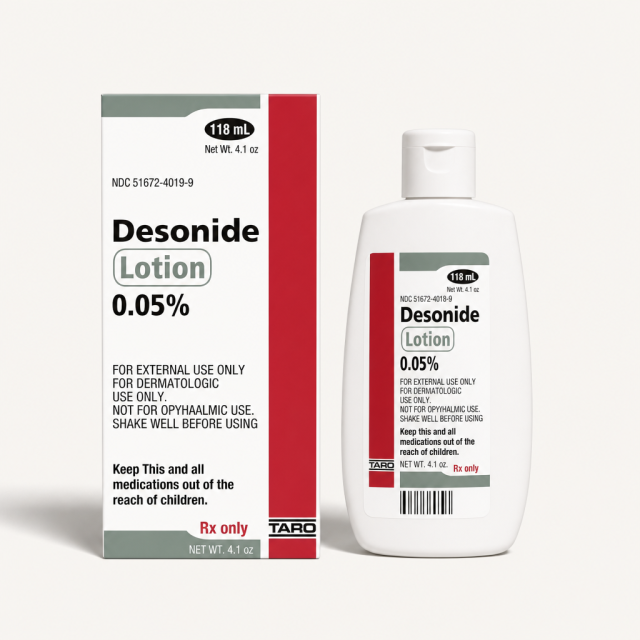
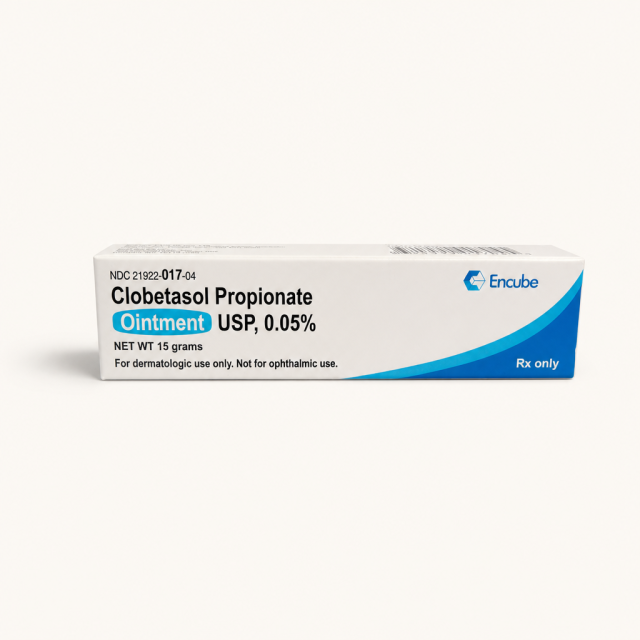
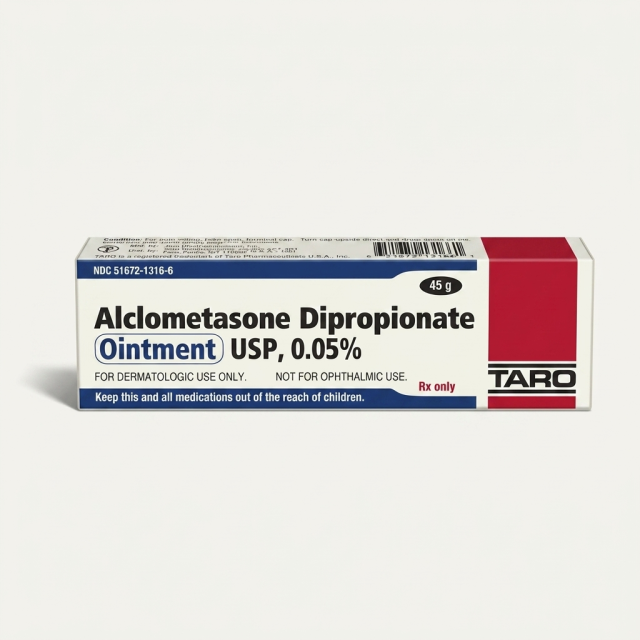
Desonide cream is a prescription low-potency corticosteroid used to treat a range of inflammatory skin conditions, including eczema, contact dermatitis, allergic rashes, and other minor skin irritations. It works by suppressing local immune responses in the skin, thereby decreasing inflammation, redness, itching, and swelling in the affected areas.
Due to its mild strength, desonide is often prescribed for use on sensitive areas of the body—such as the face, neck, and skin folds—and in pediatric patients when corticosteroid treatment is necessary. Its lower potency makes it a safer option for short-term use on delicate skin where stronger steroids may pose higher risk for side effects.
The cream should be applied in a thin layer directly to the affected area and used only for the minimum duration needed to relieve symptoms. Extended use can increase the risk of local side effects such as skin thinning (atrophy), discoloration, or stretch marks, particularly when used on thinner skin regions.
How to Use:
Apply a thin layer to clean, dry skin on the affected area
Use once or twice daily as directed by your healthcare provider
Do not use with occlusive dressings unless instructed
Warnings:
Wash hands before and after use unless hands are the treatment area
Avoid prolonged use, especially on the face or in children
Contact your provider if irritation worsens or no improvement is seen after several days
Desonide cream side effects may include the following:
Common side effects are usually mild and may include a burning or stinging sensation when the cream is first applied, as well as dryness, redness, or itching at the application site. Some people may also experience skin irritation, peeling, or a feeling of tightness in the treated area. Less common but more serious side effects can occur with prolonged or excessive use, especially on sensitive skin or under occlusive dressings. These may include thinning of the skin, stretch marks, spider veins, changes in skin pigmentation, and delayed wound healing.
This information should not be used to decide whether or not to take this medicine or any other medicine. Only a healthcare provider has the knowledge and training to decide which medicines are right for you. TelyRx does not endorse any medicine as safe, effective, or approved for treating any patient or health condition. This is only a limited summary of general information about the medicine’s uses from the patient education materials and is not intended to be comprehensive. This limited summary does NOT include all information about the possible uses, directions, warnings, precautions, interactions, adverse effects, or risks that may apply to this medicine. This information is not intended to provide medical advice, diagnosis or treatment and does not replace information you may receive from your healthcare provider. For a more detailed summary of information about the risks and benefits of using this medicine, please review the entire patient education information you receive with the medication.