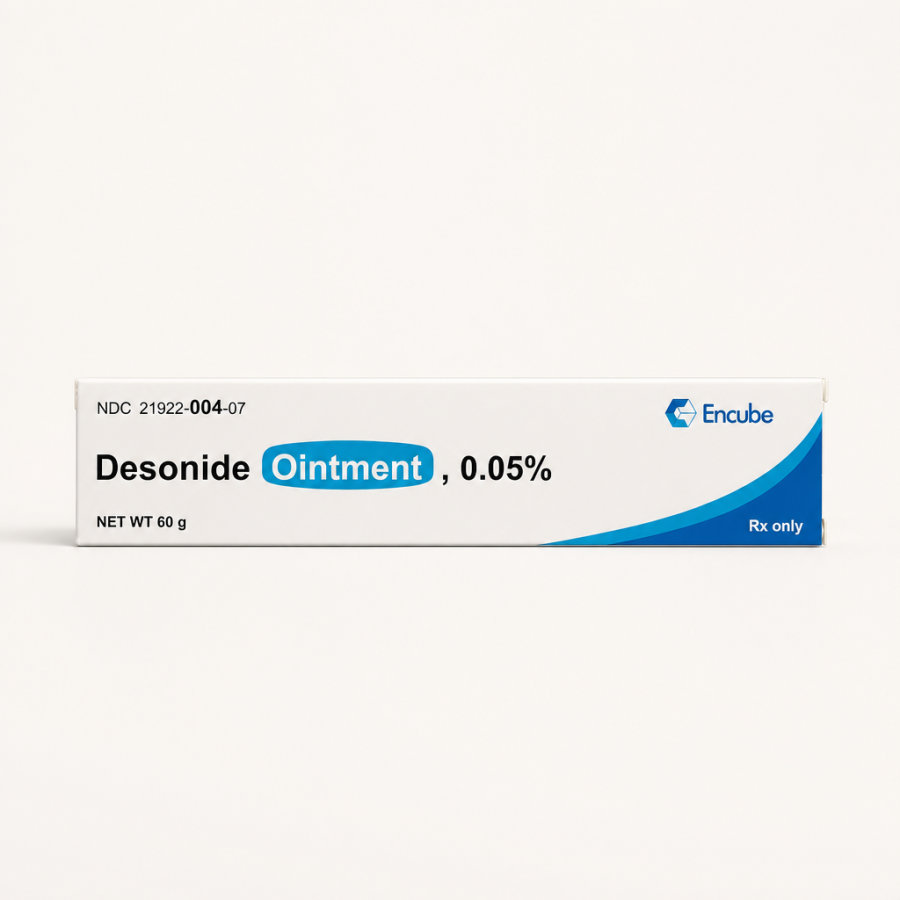
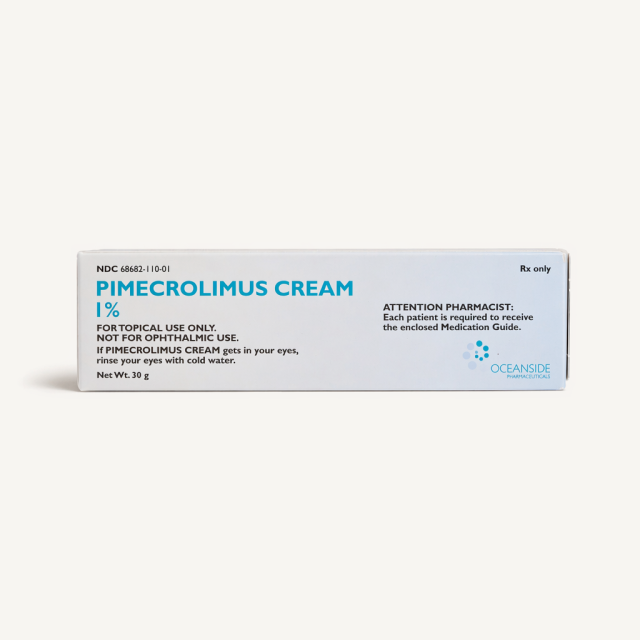
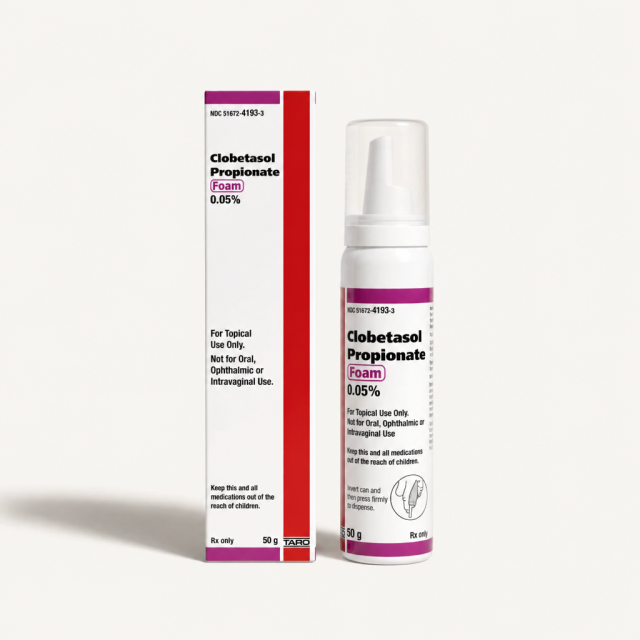
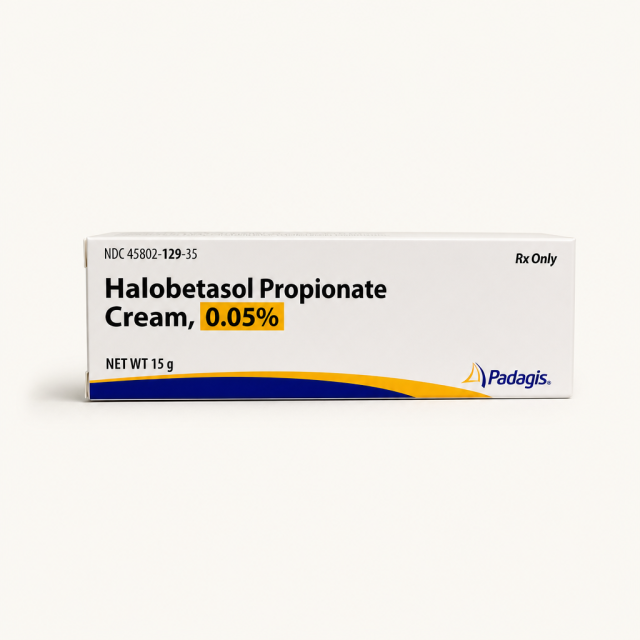
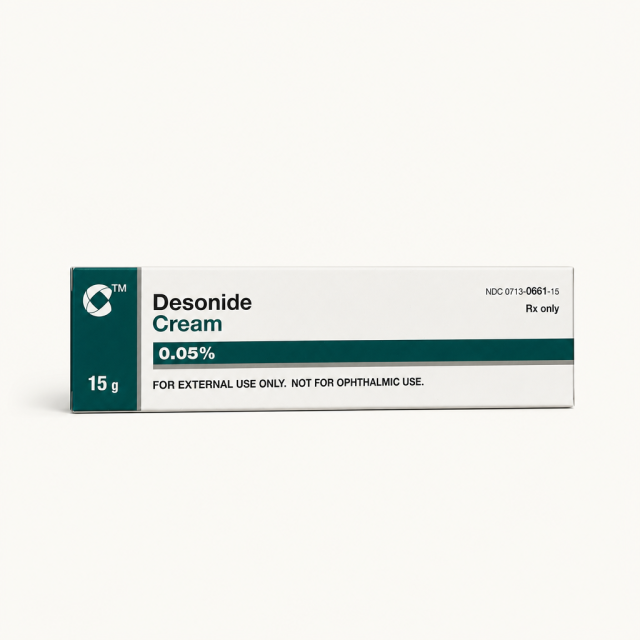
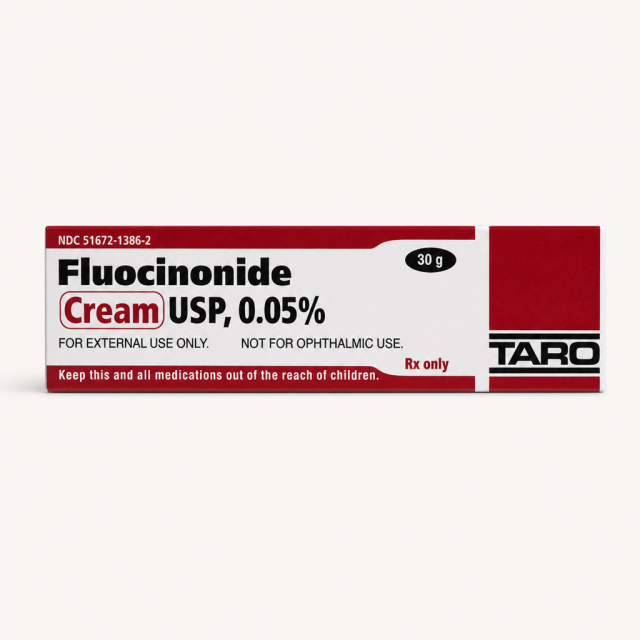
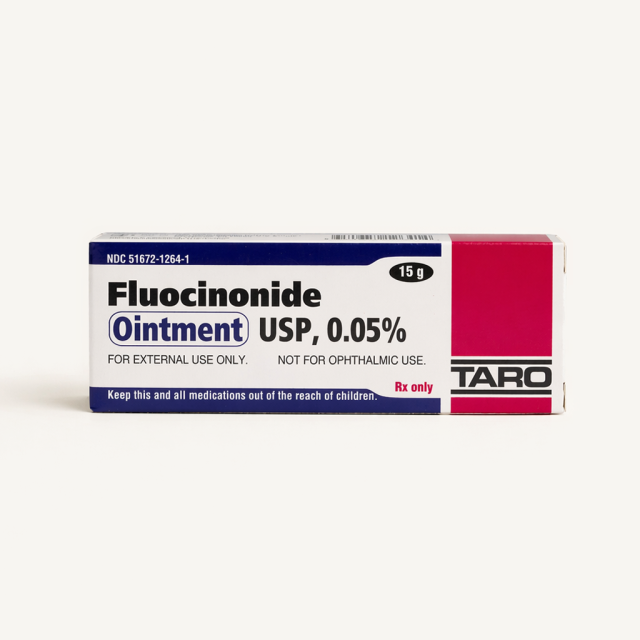
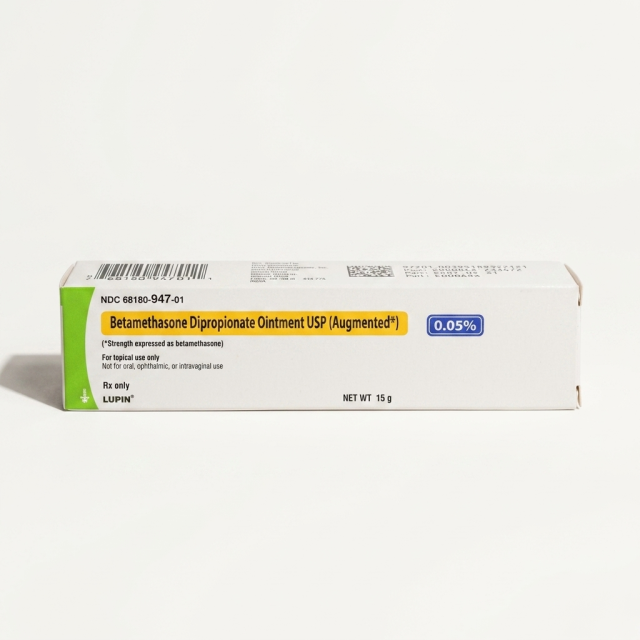
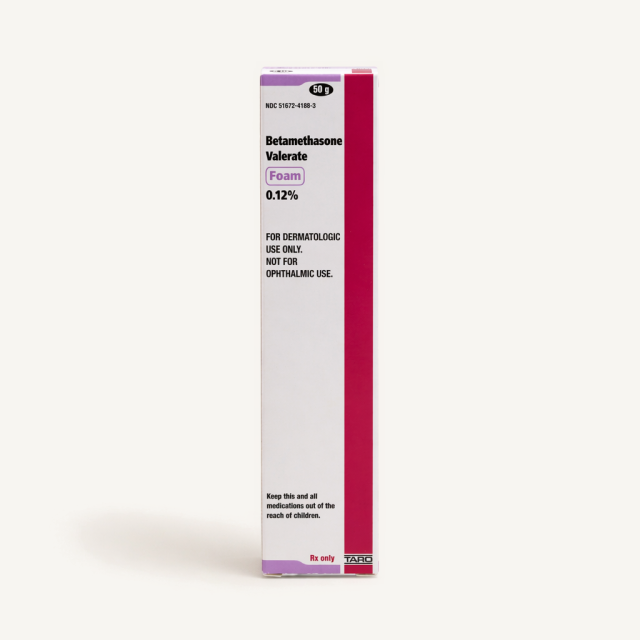
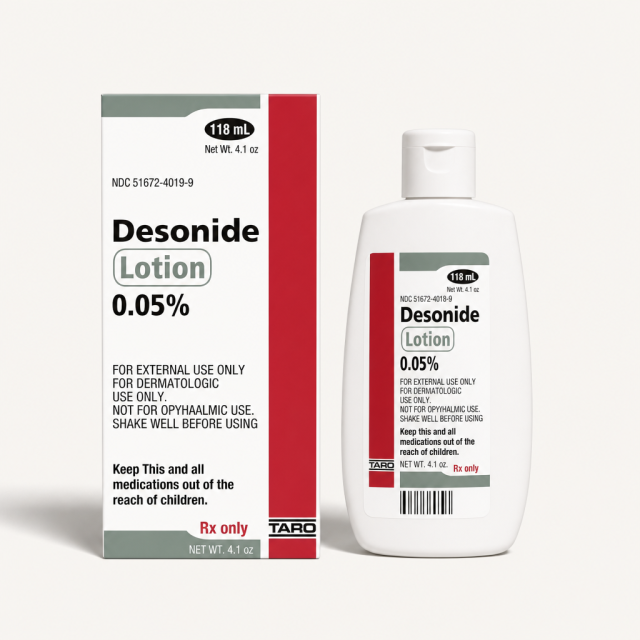
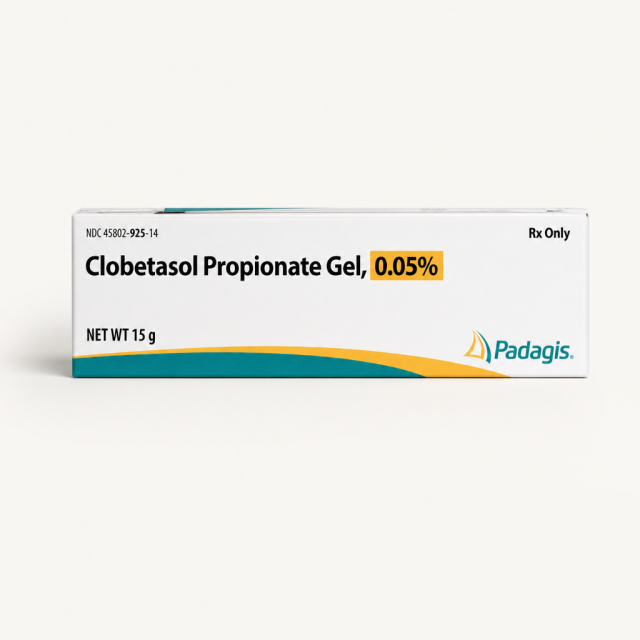
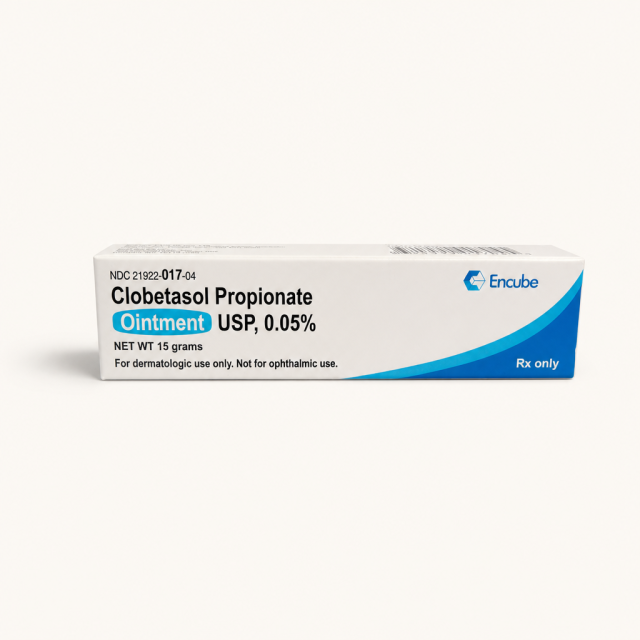
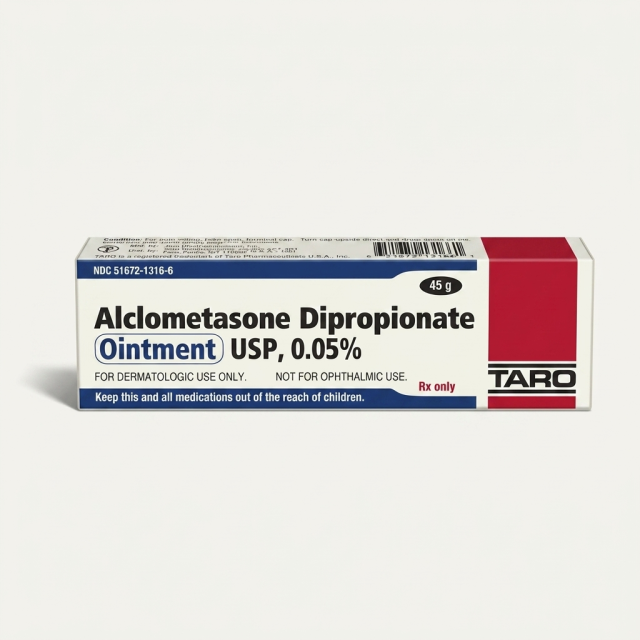
Desonide ointment is a prescription-strength, low-potency corticosteroid used to treat a range of inflammatory skin conditions, including eczema, seborrheic dermatitis, contact dermatitis, allergic reactions, and rashes. It works by suppressing the local immune response in the skin, helping to reduce redness, itching, swelling, and irritation.
The ointment formulation is particularly beneficial for patients with dry or scaly skin, as its oil-based base locks in moisture and creates a protective barrier. This enhances the anti-inflammatory effects while preventing further skin dehydration.
Due to its gentle potency, desonide ointment is commonly recommended for use on sensitive skin areas such as the face, neck, and skin folds, and it may be suitable for children when used under medical supervision. It should always be applied as a thin layer and used for the shortest duration necessary to relieve symptoms and avoid potential long-term side effects like skin thinning.
How to Use:
Apply a thin layer to clean, dry skin on the affected area
Use once or twice daily, or as directed by your provider
Do not use under occlusive dressings unless specifically instructed
Warnings:
Prolonged use can increase the risk of skin thinning or irritation
Avoid contact with eyes, mucous membranes, or broken skin
Not for long-term use on large surface areas
Desonide ointment side effects may include mild, localized reactions such as burning, stinging, itching, dryness, redness, irritation, or peeling at the application site. Less common but more serious side effects can include skin thinning (atrophy), stretch marks (striae), discoloration, easy bruising, or acne-like breakouts. Prolonged or excessive use, especially under occlusive dressings, may lead to systemic absorption and suppression of the adrenal glands. Rarely, individuals may experience allergic reactions such as rash, swelling, severe itching, or difficulty breathing, which require immediate medical attention. To minimize the risk of side effects, desonide ointment should be used exactly as prescribed, for short durations, and only on the affected areas. It should not be applied near the eyes, inside the nose or mouth, or on broken or infected skin unless directed by a healthcare provider.
This information should not be used to decide whether or not to take this medicine or any other medicine. Only a healthcare provider has the knowledge and training to decide which medicines are right for you. TelyRx does not endorse any medicine as safe, effective, or approved for treating any patient or health condition. This is only a limited summary of general information about the medicine’s uses from the patient education materials and is not intended to be comprehensive. This limited summary does NOT include all information about the possible uses, directions, warnings, precautions, interactions, adverse effects, or risks that may apply to this medicine. This information is not intended to provide medical advice, diagnosis or treatment and does not replace information you may receive from your healthcare provider. For a more detailed summary of information about the risks and benefits of using this medicine, please review the entire patient education information you receive with the medication.