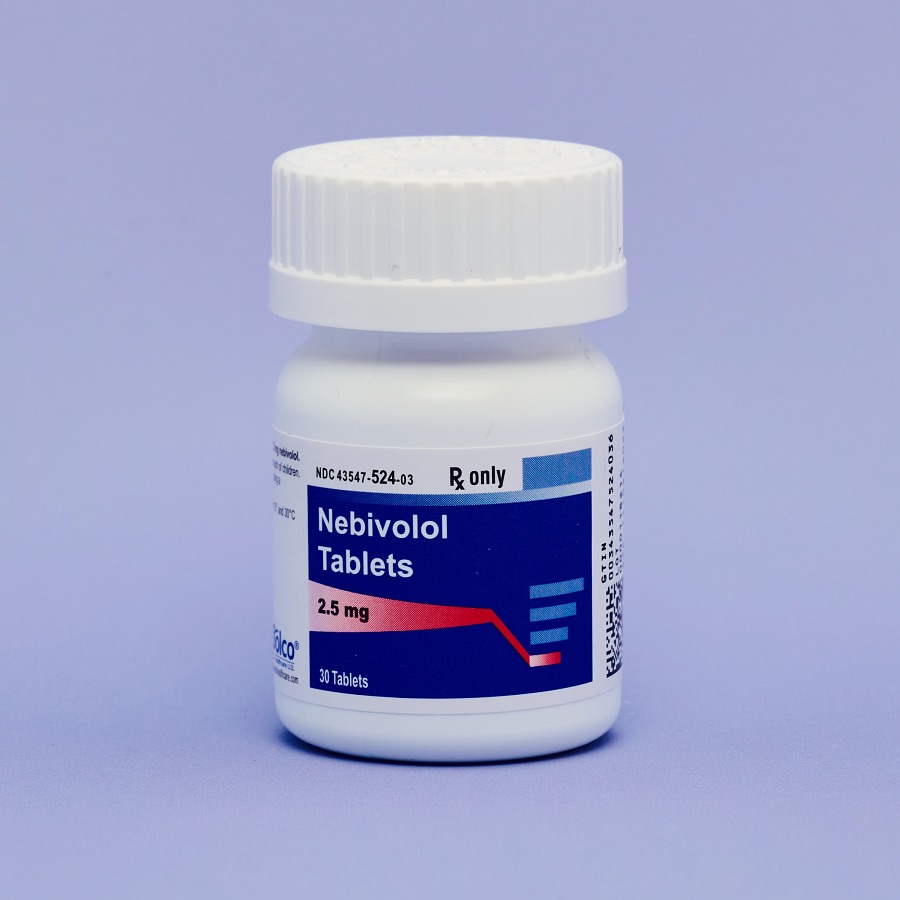
What Is Nebivolol?
Uses, Side Effects, Dosage, and FAQs (2026 Guide)
Nebivolol is a prescription-strength medication that belongs to the beta-1 selective beta-adrenergic blocking agent drug class. Unlike traditional beta-blockers, which focus on decreasing heart rate, nebivolol addresses both the heart and peripheral blood vessels.
Nebivolol is primarily used to treat high blood pressure, but may also be prescribed off-label for issues like performance anxiety and migraine prevention. The drug is available both as a generic and under the brand name Bystolic.
How It Works
Nebivolol works by targeting beta-1 receptors predominantly located in the heart, making epinephrine (adrenaline) and other stress hormones unable to bind with the receptors. This helps ensure a controlled reduction in heart rate and a decrease in the force of cardiac contractions, alleviating some of the heart’s workload.
Nebivolol also stimulates the release of nitric oxide, a natural signalling molecule that directs the smooth muscles of the blood vessels to relax. This increase of nitric oxide promotes vasodilation, or the widening of blood cells, and helps blood flow more easily throughout the entire body. This “double duty” means blood pressure decreases without the “clamped-down” feeling many people notice after taking traditional beta-blockers.
| Quick Facts | |
|---|---|
| Common Brands | Bystolic |
| Drug Class | Beta-1 selective beta-adrenergic blocking agent (third-generation beta-blockers) |
| Generic Status | Generic for Bystolic |
| Availability | Prescription only |
Dosing
With any patient taking nebivolol, the primary objective is to reduce and stabilize blood pressure with the lowest possible dose. Many people begin taking nebivolol at a lower dose, which gradually titrates – or increases – as their body adapts to the drug.
- Initial dose: Most adults with hypertension (high blood pressure) begin taking nebivolol at a daily dose of 5 milligrams (mg).
- Titration: If the patient responds well to nebivolol after two weeks of taking the drug, their provider may escalate the dose to anywhere from 10 mg to 40 mg, the latter of which is considered the maximum dose.
- Renal and hepatic adjustments: Individuals with severe kidney impairment or moderate liver disease often start nebivolol at a 2.5-mg daily dose.
- Administration: Nebivolol can be taken with or without food, but consistency is important – taking the tablet at the same time each day helps maintain steady levels of the medication in the bloodstream.
Note: Dosing information is educational only. Your prescribing physician will determine your specific dose based on your individual health needs. Always follow your healthcare provider’s instructions for exact dosing.
Uses
FDA-Approved Uses
Nebivolol is FDA-approved to manage high blood pressure in adults with hypertension and reduce their risk of cardiovascular events like heart attack and stroke. Its approval – awarded in 2007 for the brand name medication, Bystolic – was based on clinical trials showing success for mild-to-moderate hypertension, and generic versions of the drug later received FDA approval as well.
Off-Label Uses
You may see nebivolol prescribed for uses that are not “FDA-approved.” This is a very common and legal practice called “off-label” prescribing, where a doctor uses their clinical judgment to prescribe a drug for a different (but well-researched) purpose.
Common off-label uses for nebivolol currently found in clinical research and practice include:
- Stable heart failure: Nebivolol is frequently prescribed off-label for patients with heart failure who can benefit from its vasodilation properties. The drug has earned the equivalent of FDA approval in Europe for this purpose.
- Performance anxiety: Nebivolol – like many other beta-blockers – can help alleviate tremors, a racing heart, and other symptoms of performance anxiety.
- Migraine prophylaxis: Your provider may recommend nebivolol to minimize the frequency and severity of migraine headaches.
- Inappropriate sinus tachycardia: The drug can help patients who have a persistently high resting heart rate.
Get Savings Updates for Nebivolol
Join our mailing list for exclusive deals and more.
Side Effects
Like all medications, nebivolol can cause side effects. Some common side effects may improve over time as your body adjusts to the medication. Other side effects may be serious and require medical attention.
Common Side Effects
Most side effects from nebivolol are mild, and will resolve after a few weeks when the patient’s body has acclimated to the medication. However, certain systems require monitoring because the drug affects the cardiovascular and nervous systems. Common side effects from taking nebivolol include:
- Headache
- Fatigue and tiredness
- Dizziness
- Diarrhea and nausea
- Insomnia
Serious Side Effects
Serious side effects are rare, but it’s important to know what to look for if they do occur. Serious side effects from taking nebivolol may include:
- Severe bradycardia: The drug can lead to severe bradycardia, a condition during which the heart rate drops too much. Symptoms include fainting and extreme weakness.
- Bronchospasm: When taken in higher doses, nebivolol can affect the lungs and cause wheezing or difficulty breathing. This is especially common for people with underlying respiratory conditions.
- Worsening heart failure: Nebivolol has been associated with worsening heart failure, with symptoms including sudden weight gain, swelling of the ankles and feet, and increased shortness of breath.
- Raynaud’s syndrome: Nebivolol may lead to Raynaud’s, a condition characterized by lack of circulation to the extremities and feelings of coldness or numbness in the fingers and toes.
- Masked hypoglycemia: For patients with diabetes, nebivolol can mask a racing heartbeat and other symptoms of low blood sugar, though sweating usually still occurs.
Call your doctor immediately if you experience any concerning or prolonged symptoms.
Call your doctor immediately if you experience any concerning or prolonged symptoms.
Pharmacist Tips
Don’t Quit Cold Turkey
Discontinuing nebivolol abruptly can cause a rebound effect for symptoms of high blood pressure. Your provider will guide you through a process of tapering the medication’s dosage if needed.
Monitor Your Pulse
It can be helpful to check your resting heart rate while taking nebivolol. It is advised to contact your provider if you feel lightheaded, or if your resting heart rate falls below 50 beats per minute.
Take Caution With NSAIDs
Nonsteroidal anti-inflammatory drugs (NSAIDs) like ibuprofen or naproxen can decrease the effectiveness of nebivolol and other blood pressure medications. It is recommended to take NSAIDs sparingly, and to consult your provider about the best ways to do so.
Know Your Limits
Nebivolol can make patients feel dizzy. If this occurs, it is advised to avoid driving or operating machinery until you understand how the drug affects your coordination.
Stay Hydrated
Proper hydration while you take nebivolol helps ensure a stable blood volume and can decrease instances of dizziness associated with blood pressure changes.
Drug Interactions
Nebivolol is metabolized by a liver enzyme called CYP2D6. Medications intended to inhibit this enzyme can decrease the concentration of nebivolol in a patient’s bloodstream and potentially lead to excessive slowing of the heart. Known interactions with nebivolol include:
- Selective serotonin reuptake inhibitors (SSRIs): Antidepressants like fluoxetine (Prozac) and paroxetine (Paxil) that fall in the SSRI drug class can increase nebivolol levels in the blood.
- Anti-arrhythmics: Amiodarone, quinidine, digoxin, and other anti-arrhythmic drugs can cause the heart rate to drop to life-threatening levels when combined with nebivolol and other beta-blockers.
- Calcium channel blockers: Combining nebivolol with calcium channel blockers like diltiazem or verapamil requires close monitoring and supervision from a provider, as both classes of drugs are known to slow the heart rate and lower blood pressure.
- Insulin and oral diabetics: Regular monitoring is needed for diabetic patients who take nebivolol because the drug can mask symptoms of low blood sugar.
- Alcohol: Combining alcohol and nebivolol can increase the latter’s blood-pressure-lowering effects, potentially resulting in severe dizziness or fainting.
Always give your doctor and pharmacist a complete list of all your medications, vitamins, and supplements to check for potential interactions.
FAQs
Can nebivolol cause erectile dysfunction like other blood pressure medications?
Since nebivolol increases nitric oxide, a molecule that promotes steady blood flow, the drug is less likely to cause erectile dysfunction than older beta-blockers.
Can I stop taking nebivolol suddenly if I run out?
It is not recommended to stop taking nebivolol if you suddenly run out. Abrupt cessation can cause symptoms of hypertension to rebound, leading to a rapid increase in heart rate and blood pressure. Patients are always advised to have a sufficient amount of nebivolol on hand, and to speak with their pharmacist when their supply gets low.
Is it better to take nebivolol in the morning or at night?
Per standard guidelines for taking nebivolol, taking the drug in the morning or at night are equally effective – but day-to-day consistency is crucial. Taking the tablet at the same time each day is the best way to ensure a healthy level of medication in your bloodstream at all times.
Can I drink alcohol while taking nebivolol?
Providers generally recommend limiting alcohol for people who take nebivolol. Drinking can exacerbate the drug’s side effects, such as dizziness and lightheadedness, and may interfere with blood pressure goals.
Does nebivolol make you feel tired?
Yes, nebivolol can make you tired. Fatigue is one of the most common side effects, as beta-blockers are designed to slow the heart rate. That said, many patients find that feelings of tiredness taper off and eventually resolve once their body adapts to the new medication.
Is nebivolol safe to take if I have asthma?
Nebivolol is a cardioselective medication, meaning it targets the heart more than the lungs, but the drug is not completely risk-free for people with severe asthma or chronic obstructive pulmonary disease (COPD). Providers typically exercise caution when prescribing the drug to patients with these conditions and monitor for symptoms like wheezing or shortness of breath.
What is the difference between Bystolic and the generic nebivolol?
Bystolic and generic nebivolol both contain the same active ingredient and meet the same FDA standards for bioequivalence. The primary differences have to do with cost and “filler” ingredients in the tablets.
Can I take ibuprofen or naproxen with nebivolol?
Nonsteroidal anti-inflammatory drugs (NSAIDs) like ibuprofen and naproxen cause the body to retain sodium and water, which can counteract the effects of nebivolol and other blood pressure medications. It is advised to speak with your doctor if you regularly take NSAIDs and have been prescribed nebivolol.
How long does it take for nebivolol to lower my blood pressure?
Patients may notice a change to their heart rate within hours of their first nebivolol dose, but it typically takes about 2 to 4 weeks for the drug to take full effect in lowering and stabilizing blood pressure.
Does nebivolol interact with antidepressants like SSRIs?
Yes, nebivolol interacts with selective serotonin reuptake inhibitors (SSRIs) like fluoxetine (Prozac) and paroxetine (Paxil). These antidepressants can interfere with how your body absorbs the beta-blocker and cause the heart rate to be slower than intended.
Is nebivolol safe to take during pregnancy?
Standard guidelines recommend avoiding nebivolol during pregnancy, but providers may take exception if benefits of taking the drug outweigh the risks. Beta-blocks can decrease blood flow to the placenta and may affect fetal growth.
Why do I have to check my heart rate before taking this medication?
Checking your pulse to make sure your heart rate isn’t too low is advised before taking nebivolol because the drug slows your heart rate. This important step helps prevent bradycardia, an excessively low heart rate that can cause dizziness and fainting.
Comparable Medications
Nebivolol, Metoprolol Succinate, Bisoprolol, Carvedilol, or Propranolol?
Nebivolol is a third-generation beta-blocker that helps reduce the heart rate for people with hypertension. It is less likely to cause the feelings of sluggishness associated with older beta-blockers, but your provider may recommend an alternative to nebivolol based on factors like medical history and severity of symptoms. Nebivolol alternatives include:
Sold under the brand name Toprol XL, this drug – like nebivolol – is beta-1 selective, but it does not have vasodilating properties. Nebivolol is associated with fewer metabolic effects like weight gain or insulin resistance, and less sexual dysfunction, than metoprolol succinate.
Bisoprolol, available under the band name Zebeta, is selective for the heart and often prescribed as front-line medication for heart failure. It does not have vasodilating properties, so side effects like cold extremities are often more intense compared to nebivolol.
This drug – sold under the brand name Coreg – is non-selective, meaning it targets different alpha and beta receptors. It is highly effective at treating heart failure, but its system impact often leads to more intense side effects. People who feel fatigue after taking carvedilol often switch to nebivolol at the advice of their provider.
Propranolol, sold under the brand name Inderal, is a first-generation non-selective beta-blocker. It is considered very effective for relieving tremors and preventing migraines, but can cause feelings of sluggishness. Nebivolol is more cardioselective, and usually tolerated better when prescribed for daily blood pressure management.
We Have Nebivolol in Stock. Get Yours Today!
Important: Information on this page is for educational purposes only. Prescribing decisions are made by independent, licensed providers. TelyRx operates technology-enabled pharmacies and a telehealth platform that connects patients with board-certified licensed providers. Prescriptions, when provider-approved and issued, are filled and shipped by TelyRx-affiliated pharmacies. We do not employ physicians or make prescribing decisions. Learn more about our editorial standards here.