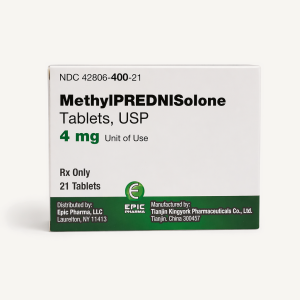
Prednisone is a prescription corticosteroid tablet used to reduce inflammation and suppress the body’s immune system. It can be prescribed for a wide variety of conditions, including autoimmune disorders like lupus and rheumatoid arthritis, severe allergic reactions, asthma flare-ups, certain inflammatory skin conditions. Prednisone works by mimicking cortisol, a hormone naturally produced by the adrenal glands, which helps regulate inflammation, stress responses, and immune activity. By controlling excessive immune reactions, it can reduce symptoms such as swelling, redness, itching, and pain.
Prednisone may be prescribed as a short course for acute flare-ups or in lower doses for long-term management, depending on the condition being treated. Because it affects many systems in the body, careful monitoring and adherence to the prescribed regimen are essential.
Usage Instructions:
Take exactly as prescribed by your healthcare provider, can be prescribed as once daily with food to reduce stomach upset; or as a short term taper or burst dosing
Swallow tablets whole with a full glass of water
Do not stop taking prednisone suddenly unless instructed, as gradual tapering may be necessary to prevent withdrawal symptoms
Follow any timing or dosing adjustments provided for taper schedules
Warnings & Precautions:
May increase susceptibility to infections; avoid close contact with people who have contagious illnesses
Long-term use can lead to side effects such as weight gain, mood changes, high blood pressure, osteoporosis, and increased blood sugar levels
Use with caution in patients with diabetes, hypertension, glaucoma, peptic ulcers, or psychiatric conditions
Live vaccines should generally be avoided while taking prednisone
Inform your healthcare provider before surgery or if you experience unusual stress, as dosage adjustments may be necessary
Prednisone tablets side effects may include the following:
Common side effects may include increased appetite, weight gain, fluid retention, and mood changes such as irritability, anxiety, or euphoria. Some individuals may experience difficulty sleeping (insomnia), elevated blood pressure, or increased blood sugar levels, which can be especially concerning for patients with diabetes. Gastrointestinal symptoms like stomach upset, heartburn, or peptic ulcers may also occur.
With long-term use, prednisone can cause more serious side effects such as osteoporosis (weakened bones), muscle weakness, thinning of the skin, delayed wound healing, and easy bruising. The medication may also suppress the body’s ability to produce natural cortisol, leading to adrenal insufficiency if stopped abruptly. Other rare but serious effects include increased risk of infections, vision problems like cataracts or glaucoma, and psychiatric symptoms such as mood swings, depression, or hallucinations.