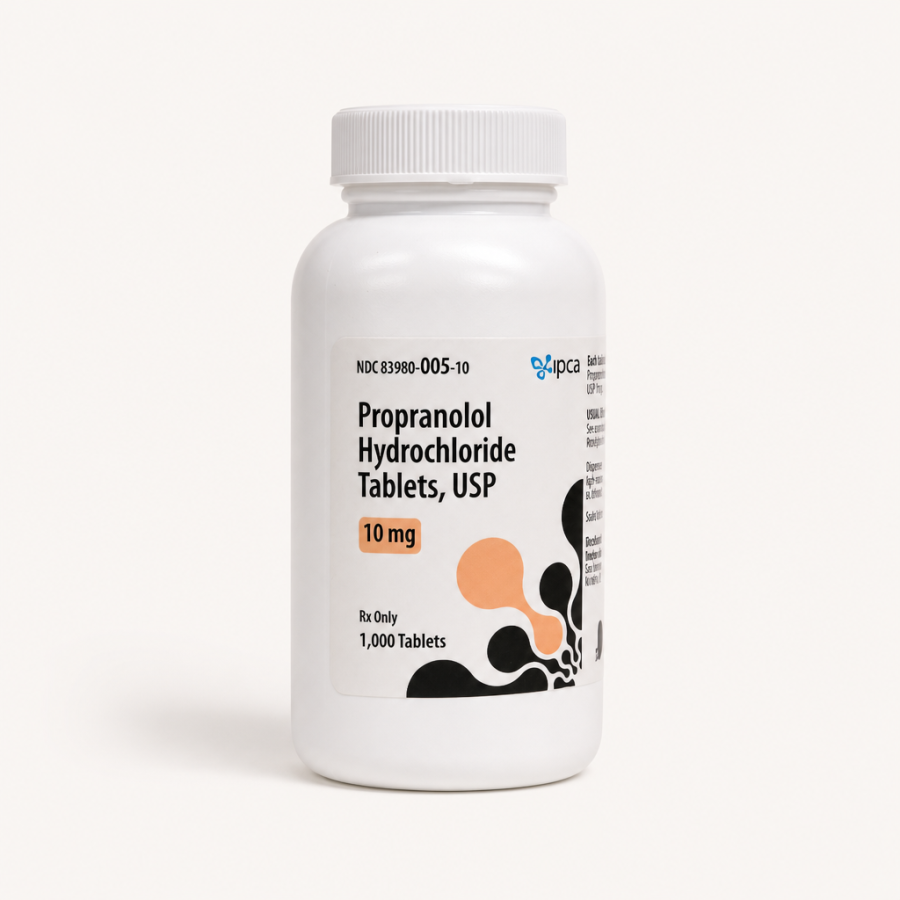
Propranolol tablets (Inderal®) are a prescription medication in the class of drugs known as beta-blockers. They are FDA-approved for the treatment of high blood pressure, angina, irregular heart rhythms, and other cardiovascular conditions. In addition to these uses, propranolol is often prescribed off-label for performance anxiety, sometimes called “stage fright.”
When used for performance anxiety, propranolol works by blocking the effects of adrenaline on the body. This reduces physical symptoms of anxiety such as rapid heartbeat, trembling, sweating, and flushing, allowing patients to feel calmer and more in control during stressful situations like public speaking, interviews, or performances. Unlike sedatives, propranolol does not affect mental clarity.
How to Use:
For performance anxiety, propranolol is often prescribed as a single dose taken 30 to 60 minutes before an anxiety-provoking event.
Doses may vary, but are typically in the range of 10 mg to 40 mg depending on individual response and tolerance.
Tablets should be swallowed whole with water, with or without food.
Your healthcare provider will determine the most appropriate dose and timing for your specific needs.
Important Notes and Warnings:
Propranolol should not be used in patients with certain heart or lung conditions, including severe asthma, uncontrolled heart failure, or very slow heart rate.
Common side effects may include fatigue, dizziness, cold hands or feet, or mild stomach upset.
Serious but less common risks include worsening shortness of breath, severe bradycardia (slow heart rate), or low blood pressure.
This medication may mask symptoms of low blood sugar in patients with diabetes, particularly the rapid heartbeat normally associated with hypoglycemia.
Patients should avoid abruptly stopping propranolol, as this can lead to worsening chest pain or heart problems.
Inform your healthcare provider about all medications you are taking, including other blood pressure drugs, antidepressants, or migraine therapies, to prevent interactions.