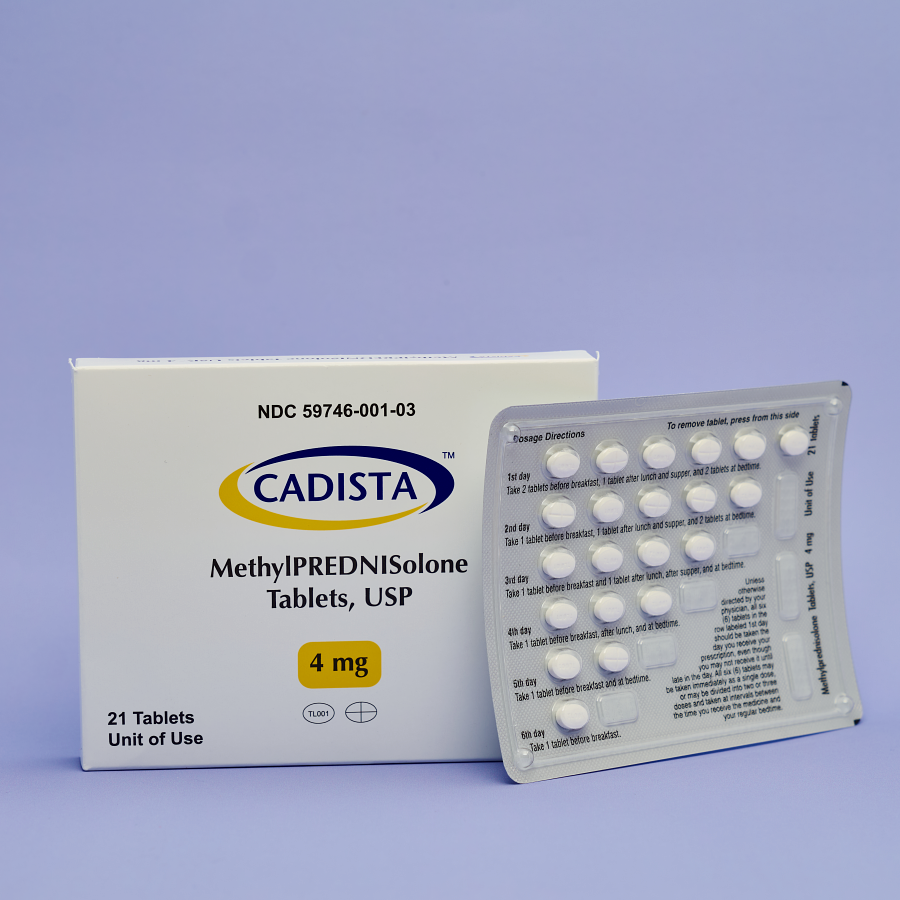
How It Works
Methylprednisolone works by calming down your entire immune response, acting similarly to your body’s natural stress hormone, cortisol. Because of its broad effect, it can cause short-term side effects like increased appetite, insomnia, and fluid retention. More importantly, it must never be stopped suddenly, as doing so can lead to a dangerous condition called adrenal insufficiency.
Methylprednisolone is a synthetic glucocorticoid. It works by interfering with the chemical pathways that trigger the inflammatory response. When your body experiences inflammation, an allergy attack, or an autoimmune flare, your immune system releases substances (like prostaglandins and cytokines). Methylprednisolone blocks the production and release of these substances, effectively suppressing the body’s overactive or damaging response.
| Quick Facts | |
|---|---|
| Common Brands | Medrol, Medrol Dosepak |
| Drug Class | Corticosteroid |
| Generic Status | Generic version of Medrol Dosepak |
| Availability | Prescription Only |
Dosing
Methylprednisolone is used across many medical specialties due to its powerful anti-inflammatory effects.
- Initial dose: Dosing is highly individualized and depends entirely on the severity of the condition being treated.
- Dosepak: This is a common tapered course where the dose gradually decreases daily. This method ensures the drug is stopped safely.
- Long-term use: If prescribed long-term, the dose will be kept as low as possible and taken once daily, often with food.
Note: Dosing information is educational only. Your prescribing physician will determine your specific dose based on your individual health needs. Always follow your healthcare provider’s instructions for exact dosing.
Uses
FDA-Approved Uses
- Inflammatory/Joint Conditions – Treating severe inflammation associated with conditions like rheumatoid arthritis, lupus, arthritis, and multiple sclerosis flares.
- Allergic Reactions – Managing severe, acute allergic conditions (e.g., severe contact dermatitis, serum sickness).
- Respiratory Conditions – Treating severe exacerbations of asthma and chronic obstructive pulmonary disease (COPD).
- Skin Disorders – Treating severe skin conditions like Stevens-Johnson syndrome.
- Gut Disorders – Treating flares of ulcerative colitis and other inflammatory bowel diseases.
- Hormone/Blood Disorders – Use for low adrenal hormones and certain cancers of blood cells (e.g., leukemia).
Off-Label Uses
You may see methylprednisolone prescribed for uses that are not “FDA-approved.” This is a very common and legal practice called “off-label” prescribing, where a doctor uses their clinical judgment to prescribe a drug for a different (but well-researched) purpose.
While its official uses are broad, it is commonly used in short bursts to treat conditions like severe poison ivy or allergic contact rashes.
Get Savings Updates for Methylprednisolone
Join our mailing list for exclusive deals and more.
Side Effects
Side effects often depend on the dose and the duration of use. Short-term use typically causes milder, acute side effects, while long-term use presents the most serious risks.
Common Side Effects
- Increased appetite (leading to potential weight gain)
- Insomnia or nervousness (“Steroid high”)
- Headache
- Fluid Retention (edema, puffiness, swelling)
- Increased blood sugar levels
- Stomach pain or bloating
- Muscle weakness
Serious Side Effects
Serious side effects are rare, but it’s important to know what to look for if they do occur.
- Adrenal insufficiency (withdrawal): The most critical risk when stopping abruptly. Symptoms include severe fatigue, weakness, poor appetite, nausea, dizziness, and low blood pressure. You must taper the dose exactly as directed.
- New or worsened infection: Methylprednisolone suppresses the immune system, making you more vulnerable to infections (bacterial, fungal, viral, like chickenpox/measles) or reactivating past infections (like tuberculosis).
- Cardiovascular/electrolyte risks: Can increase blood pressure and cause fluid retention, potentially worsening heart failure or causing dangerously low potassium levels.
- Gastrointestinal bleeding: The risk of stomach ulcers or internal bleeding is increased, especially when combined with NSAIDs or alcohol.
- Long-term risks (prolonged use): Includes the risk of osteoporosis (weak bones), Cushing’s syndrome (a rounded face, fat pad on the neck/back), cataracts, and glaucoma.
- Mood and behavior changes: Can cause depression, mood swings, severe anxiety, or hallucinations.
Call your doctor immediately if you experience any concerning or prolonged symptoms.
Pharmacist Tips
DO NOT STOP ABRUPTLY
If you are taking methylprednisolone for more than a few days, you must taper the dose exactly as directed. Never stop taking it suddenly to avoid a dangerous withdrawal state (adrenal insufficiency).
Take With Food
Always take your dose with breakfast or milk to minimize stomach upset and the risk of ulcers. Taking it early in the day, if possible, also helps prevent insomnia.
Monitor BP and Sugar
If you have a history of diabetes or high blood pressure, monitor your blood sugar and blood pressure regularly, as the medication can raise both.
Avoid Infection
While taking this medication, avoid people who are sick or who have highly contagious illnesses like chickenpox or measles.
Live Vaccines
Do not receive “live” vaccines (like MMR or Yellow Fever) while on high doses of this medication, as your suppressed immune system may not respond safely.
Limit Alcohol/NSAIDs
Avoid alcohol and non-steroidal anti-inflammatory drugs (NSAIDs) like ibuprofen or naproxen while on the steroid, as this combination greatly increases your risk of stomach bleeding.
Drug Interactions
Methylprednisolone has many potential drug interactions. Always provide your healthcare provider with a complete list of all medications, including over-the-counter drugs and supplements.
- NSAIDs (ibuprofen, naproxen, aspirin): Greatly increases the risk of severe stomach ulcers and bleeding.
- Diabetes medications (insulin, oral agents): Methylprednisolone elevates blood sugar. Doses of your diabetes medications may need to be temporarily increased.
- Diuretics (water pills): Increases your risk of developing dangerously low potassium levels (hypokalemia).
- Phenytoin and rifampin: These medications can lower the amount of methylprednisolone in your body, making the steroid less effective.
- Warfarin (blood thinner): Steroids can affect the dosage and effectiveness of warfarin, requiring more frequent monitoring.
- Aspirin (long-term use): Stopping methylprednisolone after long-term aspirin use may require monitoring for aspirin toxicity.
Always give your doctor and pharmacist a complete list of all your medications, vitamins, and supplements to check for potential interactions.
FAQs
Is methylprednisolone the same as prednisone?
No, they are different drugs but belong to the same corticosteroid class and treat the same conditions. Methylprednisolone is often preferred because it is already active, whereas prednisone must be converted by the liver. Methylprednisolone may also cause slightly less fluid retention.
Why does my doctor prescribe a “Dosepak?”
The Medrol Dosepak ensures you complete a tapered course. The dose is high initially and gradually decreases over 5 to 6 days. This taper helps your adrenal glands start producing their own natural cortisol again before the medication is stopped completely.
Can I take methylprednisolone if I have diabetes?
Use caution. Methylprednisolone will raise your blood sugar levels significantly. If you have diabetes, you must monitor your glucose levels closely and may need to temporarily increase your dose of insulin or oral diabetes medication, as directed by your doctor.
Why do I feel so restless and unable to sleep on methylprednisolone?
Corticosteroids mimic cortisol, a natural stress hormone. This can create a feeling of heightened energy, restlessness, and anxiety. Taking your full dose in the early morning, if possible, can help minimize nighttime sleeplessness.
Will I gain weight from a short course (like 6 days)?
While methylprednisolone increases appetite and can cause fluid retention, significant, long-term fat accumulation is usually only seen with weeks or months of high-dose therapy. Weight gain from a short course is usually temporary water retention.
How long does it take for methylprednisolone to work?
If injected intravenously, the effect can start within an hour. For oral tablets, they begin working as soon as it is absorbed (within a few hours). If injected into a joint, relief may take up to a week to become noticeable.
Can I use methylprednisolone if I am pregnant?
You must discuss this with your provider. Corticosteroids may increase the risk of low birth weight or other issues. Your doctor will weigh the risk of using the drug against the greater risk of having uncontrolled inflammation or asthma during pregnancy.
Can I drink alcohol while taking methylprednisolone?
It is best to avoid alcohol. Alcohol irritates the stomach lining, and since corticosteroids also increase the risk of stomach ulcers and gastrointestinal bleeding, combining them raises that risk significantly. Alcohol may also further suppress your immune system.
What should I do if I miss a dose?
If you are taking it once daily, take it as soon as you remember. If it is almost time for your next dose, skip the missed one and resume your schedule. Do not double up. If you are taking a Medrol Dosepak (which has specific pills for specific times of day), call your doctor or pharmacist. They can guide you on how to adjust the taper schedule correctly so you don’t disrupt the treatment.
Does methylprednisolone weaken my immune system?
Yes. By design, corticosteroids work by suppressing the immune system to stop inflammation. This means your body is less able to fight off new infections (bacterial, viral, or fungal). It can also cause dormant infections (like chickenpox or tuberculosis) to wake up. Wash your hands frequently and avoid people who are sick.
Does this medication cause anxiety or mood swings?
Yes, changes in mood are a well-known side effect of corticosteroids. You might feel unusually happy (euphoric), very irritable, anxious, or depressed. In rare cases, high doses can cause confusion or hallucinations. If you notice severe mood changes, contact your doctor.
Are there any foods I should avoid?
You should generally avoid grapefruit and grapefruit juice, as they can interact with the enzyme that breaks down the medication, potentially increasing side effects. It is also helpful to limit salty foods (sodium), as the medication already causes your body to hold onto water (fluid retention).
Comparable Medications
Methylprednisolone, Prednisone, Dexamethasone, or Hydrocortisone?
Methylprednisolone is a powerful anti-inflammatory and is compared below with other commonly prescribed corticosteroids.
Methylprednisolone
From $35.99
An intermediate-acting corticosteroid often favored for its lower mineralocorticoid (salt-retaining) effects, meaning it typically causes less water retention than hydrocortisone.
Prednisone Tablets
From $35.99
An intermediate-acting corticosteroid that is inactive until converted by the liver. It has a slightly higher risk of fluid retention compared to methylprednisolone.
Dexamethasone
A long-acting corticosteroid that is significantly more potent than methylprednisolone. It is often reserved for more severe conditions requiring long duration or for use in the brain/CNS due to its ability to cross the blood-brain barrier.
Hydrocortisone
From $24.99
A short-acting corticosteroid that is identical to natural cortisol. It has the highest mineralocorticoid activity, meaning it causes the most salt and water retention.
We Have Methylprednisolone in Stock. Get Yours Today!
Important: Information on this page is for educational purposes only. Prescribing decisions are made by independent, licensed providers. TelyRx operates technology-enabled pharmacies and a telehealth platform that connects patients with board-certified licensed providers. Prescriptions, when provider-approved and issued, are filled and shipped by TelyRx-affiliated pharmacies. We do not employ physicians or make prescribing decisions. Learn more about our editorial standards here.