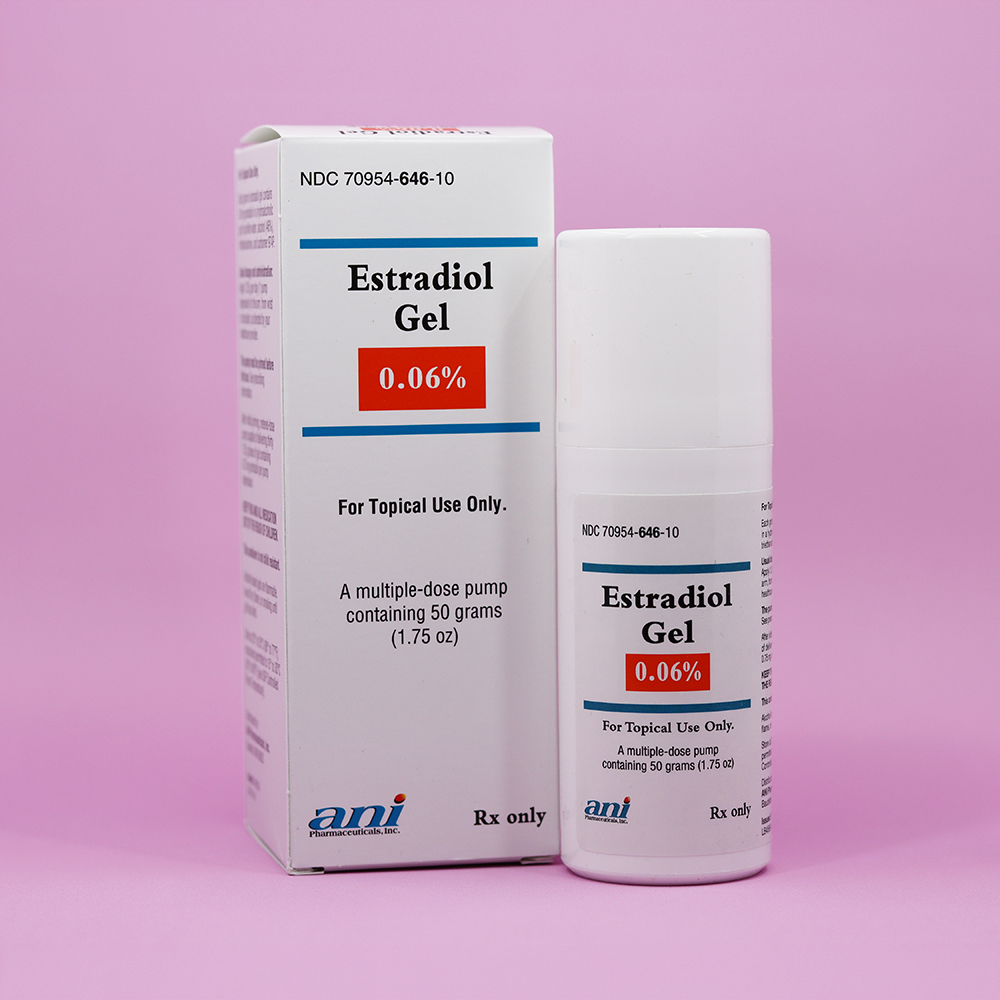

How It Works
During menopause, your ovaries stop producing significant amounts of estrogen. This drop triggers a wide range of symptoms, from temperature regulation issues (hot flashes) to thinning of the vaginal lining and weakening of bones.
Estradiol works by replacing this lost estrogen.
- Systemic forms (pills, patches) increase estrogen levels throughout the bloodstream to help prevent hot flashes and protect bones.
- Localized forms (creams) restore estrogen specifically to the vaginal tissues to improve elasticity, moisture, and health without raising total body estrogen levels as significantly.
| Quick Facts | |
|---|---|
| Common Brands | Estrace, Alora®; Minivelle®; Vivelle-Dot® |
| Drug Class | Hormone Replacement Therapy (HRT) |
| Generic Status | Generic versions of Estrace, Alora®; Minivelle®; Vivelle-Dot® |
| Availability | Prescription Only |
Dosing
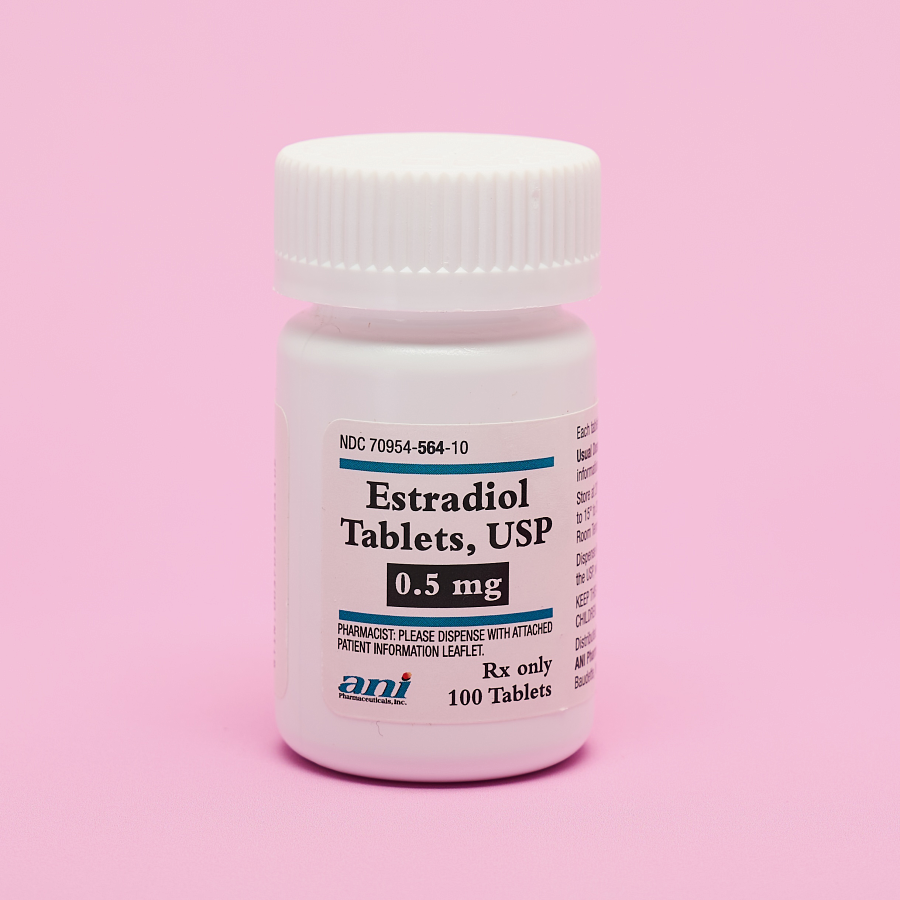
Oral Tablets
- Typical dose: 0.5 mg to 2 mg once daily.
- Schedule: Can be taken daily or on a cycle (3 weeks on, 1 week off).
Food does not significantly affect absorption.
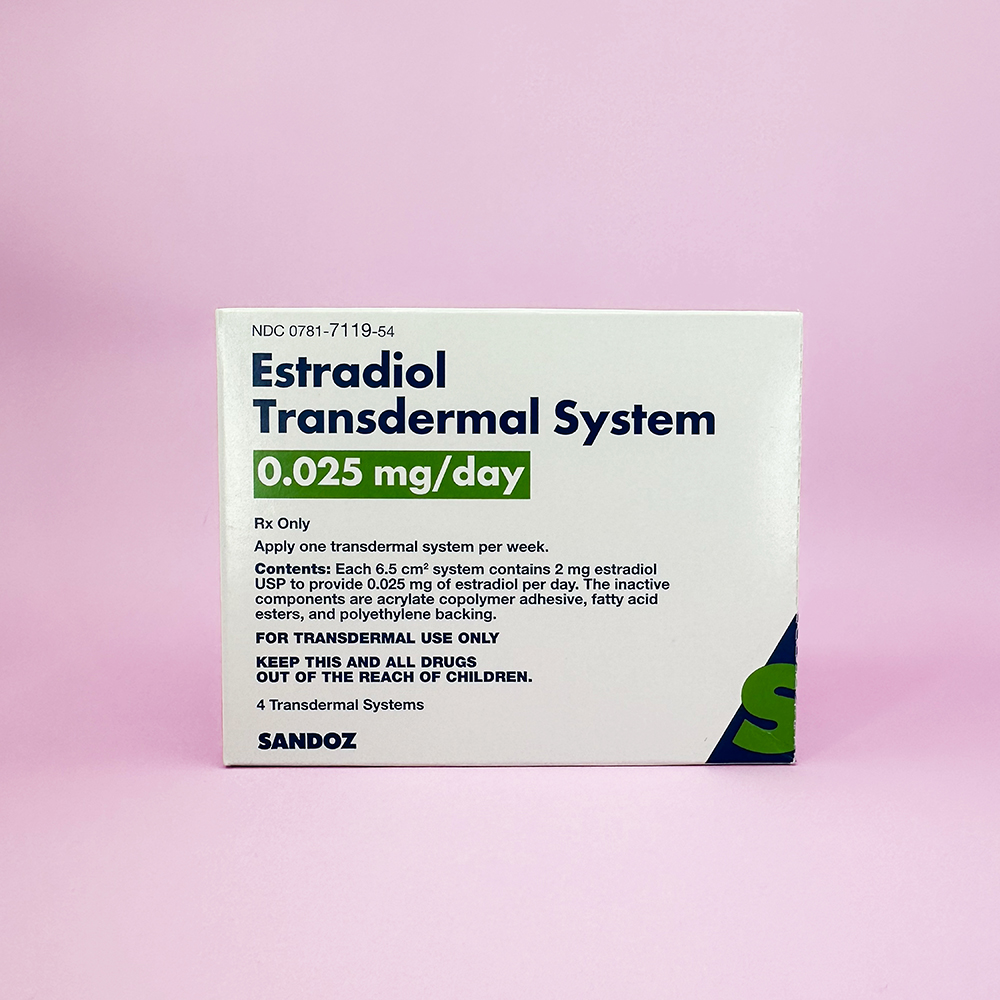
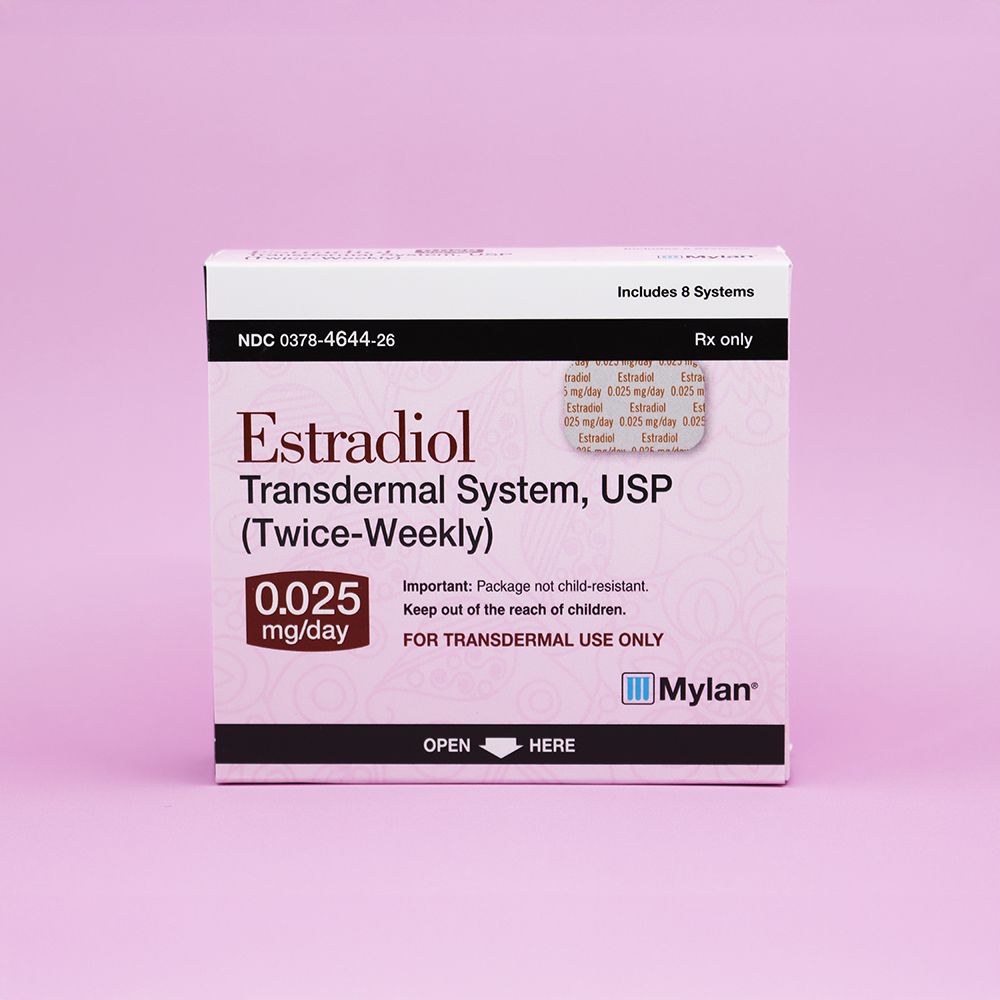
Transdermal Patches (Vivelle-Dot)
- Typical dose: Patches come in various strengths (0.025 mg to 0.1 mg per day).
- Application: Applied to clean, dry skin on the lower stomach or buttocks (never the breasts).
- Schedule: Changed twice weekly (every 3-4 days) OR once weekly, depending on the specific brand (Climara is weekly, Vivelle-Dot is twice weekly).
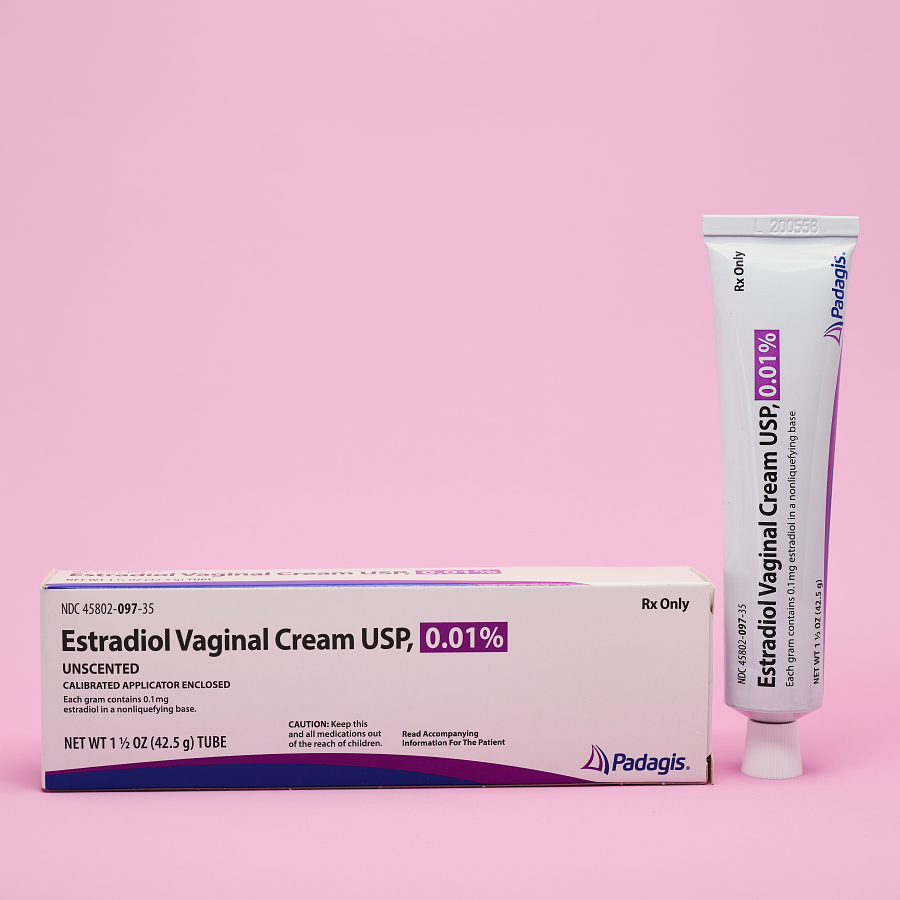
Vaginal Cream
- Initial dose: Typically 2 to 4 grams inserted daily for 1-2 weeks.
- Maintenance dose: After symptoms improve, the dose is lowered to 1 gram inserted 1 to 3 times per week.
- Application: Use the provided applicator to insert the cream high into the vagina. Wash the applicator with mild soap and warm water after every use.
Note: Dosing information is educational only. Your prescribing physician will determine your specific dose based on your individual health needs. Always follow your healthcare provider’s instructions for exact dosing.
Uses
FDA-Approved Uses
Systemic (Pills & Patches)
- Treating moderate to severe vasomotor symptoms (hot flashes, night sweats).
- Preventing postmenopausal osteoporosis (bone loss).
- Treating low estrogen levels due to hypogonadism or ovary removal.
- Pills only – Palliative treatment for certain advanced breast and prostate cancers.
Localized (Creams, Inserts, Rings)
- Treating moderate to severe symptoms of vulvar and vaginal atrophy (dryness, burning, itching, painful intercourse).
Off-Label Uses
You may see estradiol prescribed for uses that are not “FDA-approved.” This is a very common and legal practice called “off-label” prescribing, where a doctor uses their clinical judgment to prescribe a drug for a different (but well-researched) purpose.
While not listed on the FDA label for these specific purposes, healthcare providers frequently prescribe systemic estradiol (pills, patches, or injections) for:
- Gender-affirming hormone therapy (GAHT): It is the primary form of estrogen therapy used for feminization in transgender women and non-binary individuals to develop secondary sex characteristics (like breast growth and softer skin) and suppress testosterone production.
- Infertility treatments: Sometimes used to help thicken the uterine lining (endometrium) during fertility treatments to support embryo implantation.
- Postpartum depression: Occasionally used to help stabilize severe mood drops related to hormone withdrawal after childbirth, though this is less common.
Get Savings Updates for Estradiol
Join our mailing list for exclusive deals and more.
Side Effects
Side effects vary greatly depending on whether you use a systemic form (pill/patch) or a local form (cream).
Common Side Effects
Pills and Patches
- Headache
- Breast pain or tenderness
- Nausea or bloating
- Fluid retention (swelling)
- Weight changes
- Patches only: Redness or irritation at the application site
Vaginal Creams
- Vaginal burning or irritation (especially when first starting)
- Vaginal discharge changes
- Yeast infections
Serious Side Effects
Serious side effects are rare, but it’s important to know what to look for if they do occur. Systemic estrogen (pills/patches) carries higher risks than localized estrogen (creams), but warnings apply to the class as a whole.
- Cardiovascular risks: Increased risk of stroke, heart attack, and blood clots (DVT or pulmonary embolism). The risk is generally higher with oral pills than patches.
- Endometrial cancer: If you have a uterus, using estrogen alone increases the risk of cancer of the uterine lining. You usually need to take a progestin alongside it to protect the uterus.
- Breast cancer: Long-term combined use (estrogen and progestin) may increase the risk.
- Gallbladder disease: Increased risk of gallstones.
- Vision problems: Sudden partial or complete loss of vision (retinal thrombosis).
- Severe allergic reaction: Hives, swelling of the face/lips, trouble breathing.
Call your doctor immediately if you experience any concerning or prolonged symptoms.
Pharmacist Tips
For All Forms
Uterus Protection
If you have a uterus, you generally must take a progestin medication along with estradiol to prevent uterine cancer. If you have had a hysterectomy, you may not need progestin.
Surgery
You generally need to stop taking estradiol at least 4-6 weeks before any major surgery associated with a risk of blood clots (like knee or hip replacement). Make sure to talk to your doctor about this if you are planning any procedures or surgeries.
For Patches
Rotate Sites
Never put the patch in the same spot twice in a row. Wait at least one week before reusing a spot to prevent skin breakdown.
Heat Warning
Avoid direct heat on the patch (heating pads, electric blankets, hot tubs) as heat can cause the body to absorb the medicine too quickly.
Disposal
Fold the used patch in half (sticky side in) and dispose of it away from children and pets.
For Creams
Patience
It may take a few weeks of regular use to restore the vaginal tissue and relieve dryness.
Hygiene
Do not boil the applicator; hot water can warp it. Use warm, soapy water.
Drug Interactions
Systemic estradiol (pills/patches) interacts with several common medications. Interactions are less likely with vaginal creams due to lower absorption, but still possible.
- Grapefruit juice: Can increase estrogen levels in the blood, leading to more side effects.
- Thyroid medication: Estrogen can change how your body handles thyroid hormones. You may need a dose adjustment.
- Antifungals (ketoconazole/itraconazole) & antibiotics (erythromycin): Can increase estrogen levels.
- St. John’s wort & rifampin: Can decrease estrogen levels, making it less effective (and potentially bringing back hot flashes).
- Corticosteroids: Estrogen may increase the effects of steroids like prednisone.
Always give your doctor and pharmacist a complete list of all your medications, vitamins, and supplements to check for potential interactions.
FAQs
Which is safer: the pill or the patch?
Generally, the patch is considered slightly safer regarding blood clot risks. Because the patch delivers hormones through the skin, it bypasses the liver (“first-pass metabolism”). This puts less stress on the liver and has less impact on clotting factors compared to oral pills.
Does estradiol cause weight gain?
Many people report weight gain, but studies suggest hormone therapy itself is not the primary cause. Menopause slows metabolism, leading to natural weight gain. However, estrogen can cause fluid retention (water weight) and bloating, which may feel like weight gain.
Can I use estradiol vaginal cream just for sex?
Estradiol cream is a treatment, not a lubricant. It is meant to be used regularly (such as twice a week) to heal the vaginal tissue over time, not applied immediately before intercourse.
Can I cut an estradiol patch in half?
No. Most matrix patches should not be cut, as it can alter how the drug is released or affect adhesion. Always use the prescribed strength.
How long does estradiol take to work?
For hot flashes, you may see improvement within 1-2 weeks, with full benefits in 3 months. With vaginal dryness, Improvement often starts within 2-3 weeks of daily use, but full restoration of tissue health takes longer.
Is estradiol bioidentical?
Yes. The estradiol in these prescription medications is chemically identical to the primary estrogen produced by the human ovaries before menopause.
Can I shower or swim with an estradiol patch?
Patches like Vivelle-Dot and Dotti are designed to be water-resistant. You can shower, bathe, and swim as usual. However, avoid scrubbing the patch area directly, and try not to soak in very hot water (like a hot tub) for long periods, as heat can affect how the medication is released.
What should I do if my patch falls off?
If a patch falls off, try to reapply it to a different area of clean, dry skin. If it won’t stick, apply a new patch and continue with your original schedule (change it on your normal day). Do not use tape to hold a non-sticky patch in place.
Why do I need to take progesterone (progestin) with estradiol?
If you still have your uterus (haven’t had a hysterectomy), taking estrogen alone causes the lining of the uterus to thicken, which significantly increases the risk of endometrial cancer. Taking a progestin (like medroxyprogesterone or micronized progesterone) “opposes” the estrogen, keeping the lining thin and preventing cancer.
Does estradiol help with wrinkles or skin aging?
Estrogen plays a major role in maintaining skin thickness and collagen. While it is not FDA-approved specifically for anti-aging, many women notice that systemic hormone replacement (pills or patches) helps their skin feel less dry and thinner. However, the risks of HRT generally outweigh the benefits if used only for cosmetic purposes.
Can I drink alcohol while taking estradiol?
You should limit alcohol. Alcohol can increase the level of estradiol in your blood, which might increase the risk of side effects like breast tenderness, headache, or nausea. Heavy drinking can also stress the liver, which is relevant if you are taking oral estradiol.
Does estradiol cause hair loss?
It is rare, but some women report hair thinning (alopecia) or changes in hair texture. Conversely, because estrogen supports hair growth, some women actually notice improvement in hair thickness, while stopping HRT can sometimes trigger shedding.
Will I still get a period while taking estradiol?
This depends on your specific regimen. If you take estrogen daily and progestin for part of the month, you will likely have a scheduled monthly bleed (like a period). If you take both daily, you may have irregular spotting for the first few months, but eventually, bleeding usually stops completely.
Can I apply vaginal estradiol cream with my finger?
It is best to use the applicator provided. The applicator ensures the medication is placed high enough in the vagina to be effective and that you are getting the precise, measured dose prescribed.
How long is it safe to take estradiol?
Current guidelines generally recommend using systemic estradiol (pills/patches) at the lowest effective dose for the shortest duration needed to manage severe symptoms (often 3 to 5 years). However, this is highly individual. Vaginal creams, which have very low systemic absorption, can often be used safely for much longer periods to maintain vaginal health. Always review the risks and benefits with your doctor annually.
What is the best time of day to take the estradiol pill?
You can take it at any time, but consistency is key. If the pill causes you nausea, taking it with dinner or right before bed can help. Taking it at the same time every day helps maintain steady hormone levels in your blood.
Why do my breasts hurt while taking estradiol?
Breast tenderness is a very common side effect, especially when you first start treatment or increase your dose. It happens because your breast tissue is sensitive to estrogen. This soreness often goes away on its own after a few weeks. If it persists, talk to your doctor about lowering your dose.
Can I put the patch on my arm or thigh?
No. The FDA-approved application sites for most estradiol patches are the lower abdomen or the upper buttocks. Absorption rates can vary in different parts of the body. Applying it to the arm or thigh might result in receiving too much or too little medication. Never apply the patch to your breasts.
Can I stop taking estradiol suddenly?
While it is not dangerous in the same way as stopping steroids, stopping HRT “cold turkey” can cause your menopausal symptoms (hot flashes, mood swings) to return rapidly and intensely. It is often recommended to taper the dose down gradually over time under a doctor’s supervision.
Comparable Medications
Estradiol Patch, Pills, or Cream?
There are different ways to replace estrogen. Here is how the forms compare.
Estradiol Patches (Twice Weekly)
From $142.99
These are best for women who want systemic relief (hot flashes) but want to minimize blood clot risk or avoid daily pills.
Estradiol Tablets
From $29.99
Daily pill that is best for women who prefer a simple daily habit and do not have liver risks or high clot risks.
Estradiol Vaginal Cream
From $42.99
Cream that is best for women who only have vaginal symptoms (dryness, pain) and no hot flashes. It has the lowest systemic absorption and the lowest risk profile.
We Have Estradiol in Stock. Get Yours Today!
Important: Information on this page is for educational purposes only. Prescribing decisions are made by independent, licensed providers. TelyRx operates technology-enabled pharmacies and a telehealth platform that connects patients with board-certified licensed providers. Prescriptions, when provider-approved and issued, are filled and shipped by TelyRx-affiliated pharmacies. We do not employ physicians or make prescribing decisions. Learn more about our editorial standards here.