

How It Works
Albuterol is a bronchodilator. It works by binding to receptors on the smooth muscle of your airways. This signals the muscles to relax and open up, allowing air to flow more freely into and out of the lungs. This action can begin within minutes and makes it easier to breathe.
| Quick Facts | |
|---|---|
| Common Brands | ProAir HFA, Proventil HFA, Ventolin HFA |
| Drug Class | Short-Acting Beta-Agonist (SABA), Bronchodilator |
| Generic Status | Generic version of Proair, Proventil, Ventolin |
| Availability | Prescription Only |
Dosing
Each puff (actuation) from a standard HFA inhaler delivers 90 mcg of albuterol.
- For Acute Symptoms (Asthma/COPD) – The typical dose for adults is 2 puffs by mouth every 4 to 6 hours as needed for wheezing or shortness of breath.
- For Exercise-Induced Bronchospasm (EIB) – The standard dose is 2 puffs by mouth, taken 15 to 30 minutes before exercise.
Note: Dosing information is educational only. Your prescribing physician will determine your specific dose based on your individual health needs. Always follow your healthcare provider’s instructions for exact dosing.
Uses
FDA-Approved Uses
- Treatment of Acute Bronchospasms (Asthma) – Used as a “rescue” medication to relieve sudden symptoms of wheezing, chest tightness, and shortness of breath in patients with asthma or other obstructive lung diseases.
- Prevention of Exercise-Induced Bronchospasm (EIB): Taken before exercise to prevent the airways from tightening during physical activity.
Off-Label Uses
You may see Albuterol prescribed for uses that are not “FDA-approved.” This is a very common and legal practice called “off-label” prescribing, where a doctor uses their clinical judgment to prescribe a drug for a different (but well-researched) purpose.
While albuterol is essential to asthma treatment, it is also a standard part of therapy for Chronic Obstructive Pulmonary Disease (COPD). Doctors prescribe it for COPD patients to use “as needed” to relieve flare-ups of shortness of breath, much like it’s used for asthma.
Side Effects
Most side effects are mild and related to the “stimulating” effect of the medication.
Common Side Effects
- Shakiness or tremor (especially in the hands)
- Nervousness or a feeling of excitement
- Headache
- Fast or irregular heartbeat (palpitations)
- Sore throat or dry mouth
- Nausea
Serious Side Effects
Serious side effects are rare, but it’s important to know what to look for if they do occur.
- Paradoxical Bronchospasm – This is a rare but serious event where your breathing or wheezing gets worse immediately after using the inhaler.
- Allergic Reaction – Symptoms include hives, rash, swelling of the face, mouth, tongue, or throat, and difficulty breathing.
- Cardiovascular Effects – Chest pain, fast or pounding heartbeat (arrhythmia), or very high blood pressure.
- Low Potassium (Hypokalemia) – Can cause muscle cramps, weakness, or an irregular heartbeat.
Call your doctor immediately if you experience any concerning or prolonged symptoms.
Pharmacist Tips
This is a “Rescue” Inhaler, Not a “Control” Inhaler
Its job is to fix symptoms now. It does not prevent underlying inflammation.
The Rule of Two
If you need to use your rescue inhaler more than two times per week (not including for exercise), your asthma is not well-controlled. This is a crucial sign that you need to talk to your doctor about adding or adjusting a long-term “control” medication (like an inhaled steroid).
Technique is Everything
Shake the inhaler well before each puff. Exhale fully, inhale slowly and deeply as you press the canister, and then hold your breath for up to 10 seconds.
Wait One Minute
If you need a second puff, wait at least one full minute before taking it. This allows the first puff to work and open your airways for the second.
Ask About a Spacer
Ask your doctor or pharmacist about a spacer. This chamber attaches to your inhaler and makes it much easier to get the medicine to your lungs, while also reducing side effects like sore throat.
Watch the Dose Counter
Most inhalers have a counter. Do not “float test” your inhaler to see if it’s empty. When the counter says “0,” discard it, even if it still sprays.
Clean Your Inhaler
Clean the plastic mouthpiece and cap at least once a week with warm water to prevent clogs and bacteria from spreading. Let it air dry completely.
Drug Interactions
- Beta-Blockers (propranolol, metoprolol) – These medications, often used for heart conditions or blood pressure, can have the opposite effect of albuterol and may block its action, potentially causing a severe asthma attack.
- Diuretics (hydrochlorothiazide, furosemide) – This combination can increase the risk of low potassium levels.
- Antidepressants – Can increase the risk of albuterol’s cardiovascular side effects (like a racing heart or blood pressure changes).
- Digoxin – Albuterol may affect the levels of this heart medication.
Always give your doctor and pharmacist a complete list of all your medications, vitamins, and supplements to check for potential interactions.
FAQs
Is albuterol a steroid?
No. This is a common point of confusion. Albuterol is a bronchodilator that relaxes muscles. Inhaled steroids (like fluticasone or budesonide) are “controller” medications that reduce inflammation. They are often used together but are not the same.
How fast does albuterol work and how long does it last?
It usually works within 5 to 15 minutes. The effects typically last for about 4 to 6 hours.
What’s the difference between an HFA inhaler and a dry powder inhaler (DPI)?
An HFA inhaler (a “puffer”) is a canister that sprays the medicine out as a fine mist. A DPI (like ProAir RespiClick) contains a fine powder. You must inhale quickly and deeply from a DPI to get the medicine, whereas you inhale slowly and deeply from an HFA inhaler.
What is a “spacer” and do I really need one?
A spacer (or valved holding chamber) is a tube that attaches to your HFA inhaler. It holds the “puff” of medicine in the chamber so you can inhale it in one or two slow, deep breaths. It is highly recommended for most people as it helps more medicine get deep into your lungs and reduces the amount that just hits your mouth or throat.
What should I do if my albuterol doesn’t seem to be working?
If your rescue inhaler is not relieving your symptoms, or you find you need it more and more often, this is a medical emergency. It’s a sign your airway inflammation is severe and not controlled. Contact your doctor or seek emergency care right away.
What happens if I use an expired albuterol inhaler?
Using an expired inhaler is not recommended. The medication may not be as effective, which means it might not relieve your symptoms during an asthma attack. It’s best to check the expiration date and get a new prescription filled before it expires.
Why do I shake or feel jittery after using my albuterol inhaler?
This is one of the most common side effects. Albuterol works by stimulating receptors in your lungs, but it can also stimulate similar receptors in other parts of your body, which can cause that shaky, “jittery” feeling or a faster heartbeat. It’s usually harmless and fades quickly, but if it’s severe, let your doctor know.
Can I use my albuterol inhaler too much?
Yes, and it’s a sign of a problem. Using your rescue inhaler more than prescribed (more than 2 days a week) is a signal that your asthma or COPD is not well-controlled. Overuse can also lead to more side effects. You should not need to “live on” your rescue inhaler; talk to your doctor about a better long-term control plan.
Should I rinse my mouth after using albuterol?
While it’s essential to rinse your mouth after using an inhaled steroid (to prevent thrush), it’s not strictly necessary with albuterol. However, some people rinse to get rid of the medication’s taste or to help with dry mouth.
Does albuterol cause anxiety?
Albuterol can sometimes trigger feelings of anxiety. The side effects of a racing heart, nervousness, and shakiness can feel very similar to a panic attack, which can be frightening. If this is a significant problem for you, discuss it with your doctor.
How do I know if my inhaler is empty?
The only reliable way to know is to use the dose counter built into the back of the canister. When it reads “0,” it’s empty, even if it still sprays propellant. If your inhaler has no counter, you must track your doses manually.
Can I take albuterol while pregnant?
You must talk to your doctor. Uncontrolled asthma during pregnancy is a significant risk to both you and the baby. Albuterol is often considered for use during pregnancy if the benefit of controlling asthma outweighs any potential risk. Your doctor will help you make the safest choice.
Comparable Medications
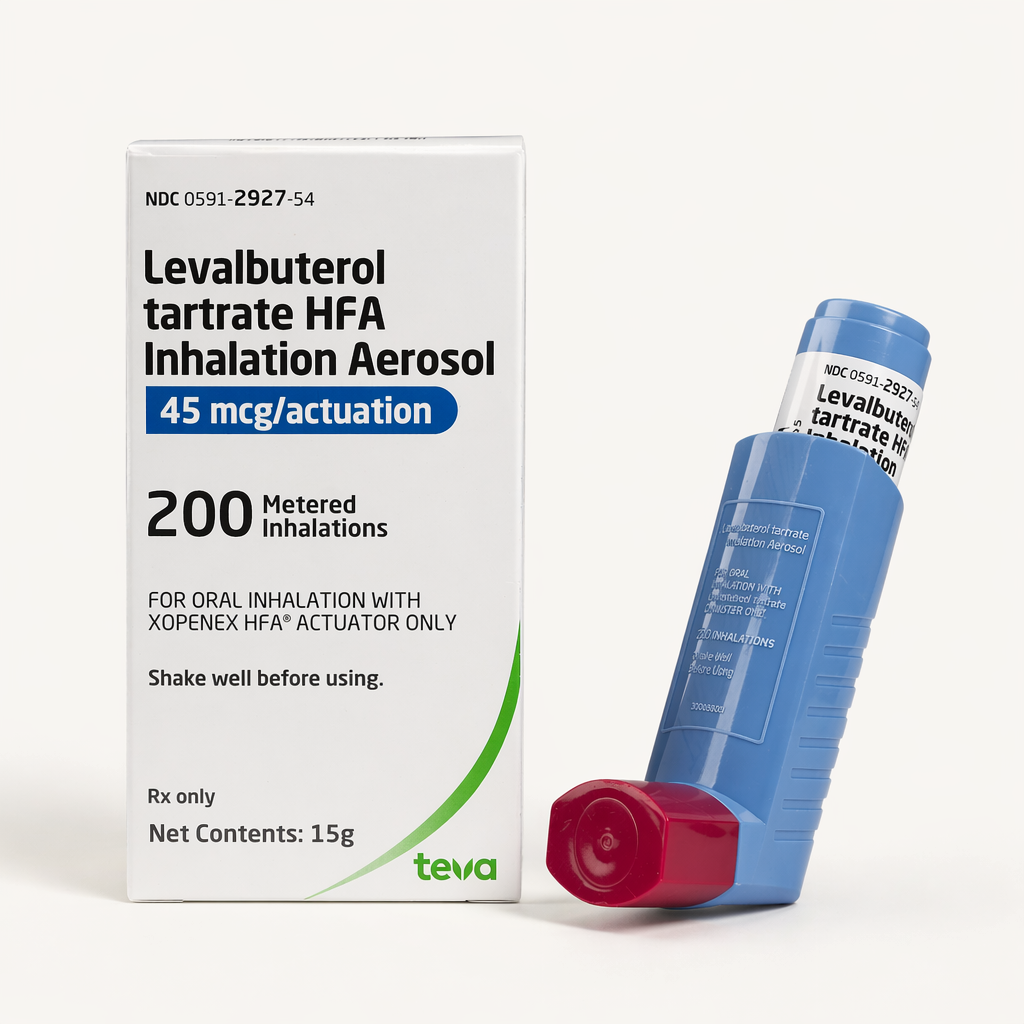
Levalbuterol HFA Inhaler
From $118.99
This is a direct alternative to albuterol. It works in the exact same way but contains only one isomer of the drug. It is sometimes prescribed for patients who are very sensitive to albuterol’s side effects (like shakiness).
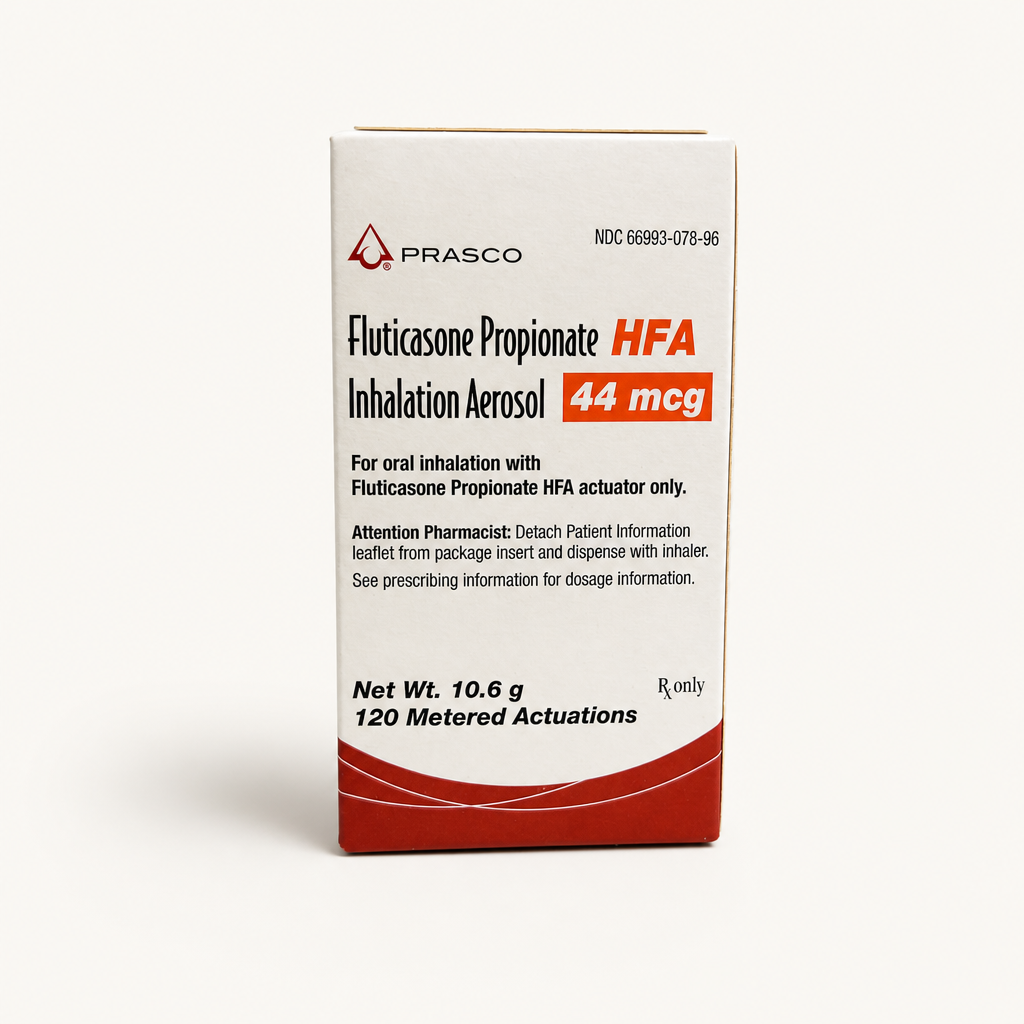
Fluticasone Propionate HFA Inhaler
From $199.99
This is a different class of medication. It does not provide rescue. It’s taken every day (even when you feel well) to reduce the underlying inflammation in your lungs and prevent symptoms from happening.
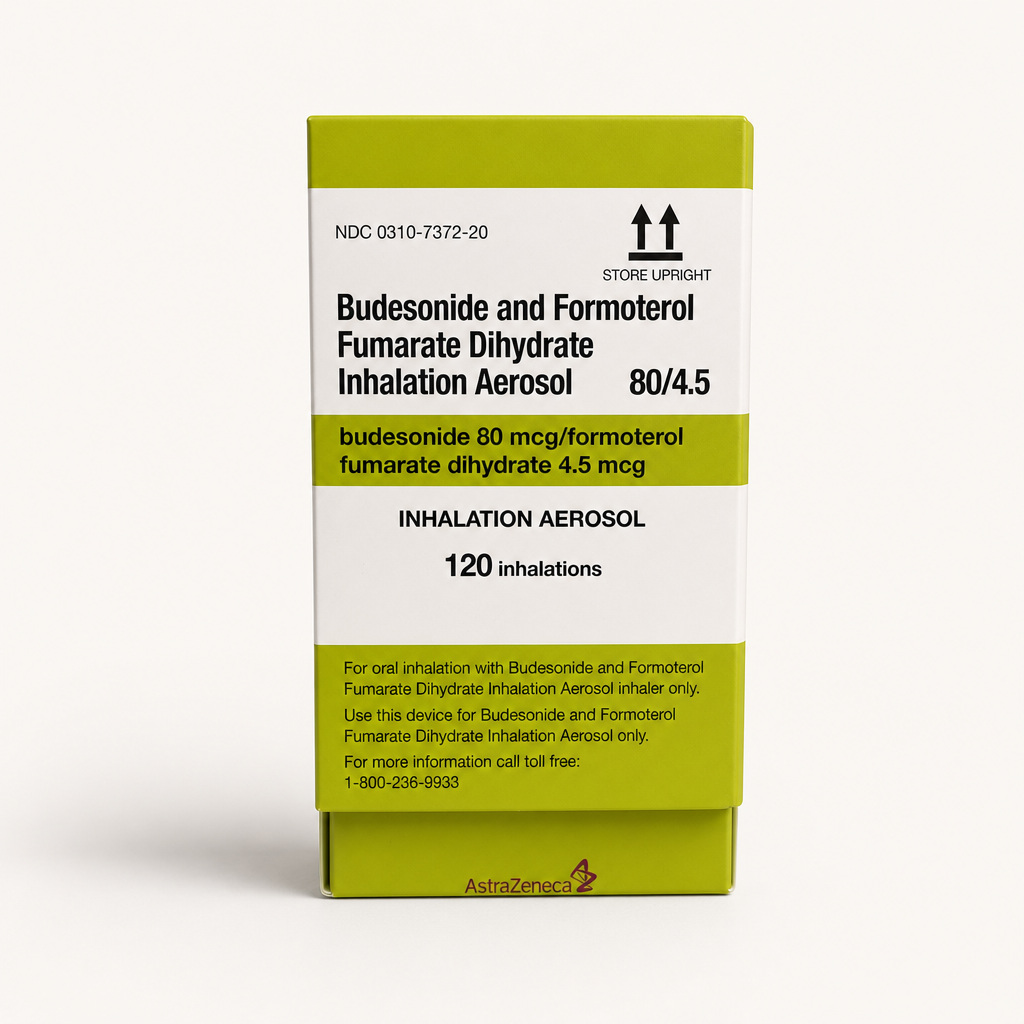
Budesonide / Formoterol Inhaler
From $259.99
This is also a daily controller medication. It combines an inflammation-reducing steroid (ICS) with a Long-Acting Beta-Agonist (LABA) that keeps airways open for 12-24 hours. It is not used for sudden rescue.
We Have Albuterol HFA in Stock. Get Yours Today!
Important: Information on this page is for educational purposes only. Prescribing decisions are made by independent, licensed providers. TelyRx operates technology-enabled pharmacies and a telehealth platform that connects patients with licensed providers. Prescriptions, when provider-approved and issued, are filled and shipped by TelyRx-affiliated pharmacies. We do not employ physicians or make prescribing decisions. Learn more about our editorial standards here.