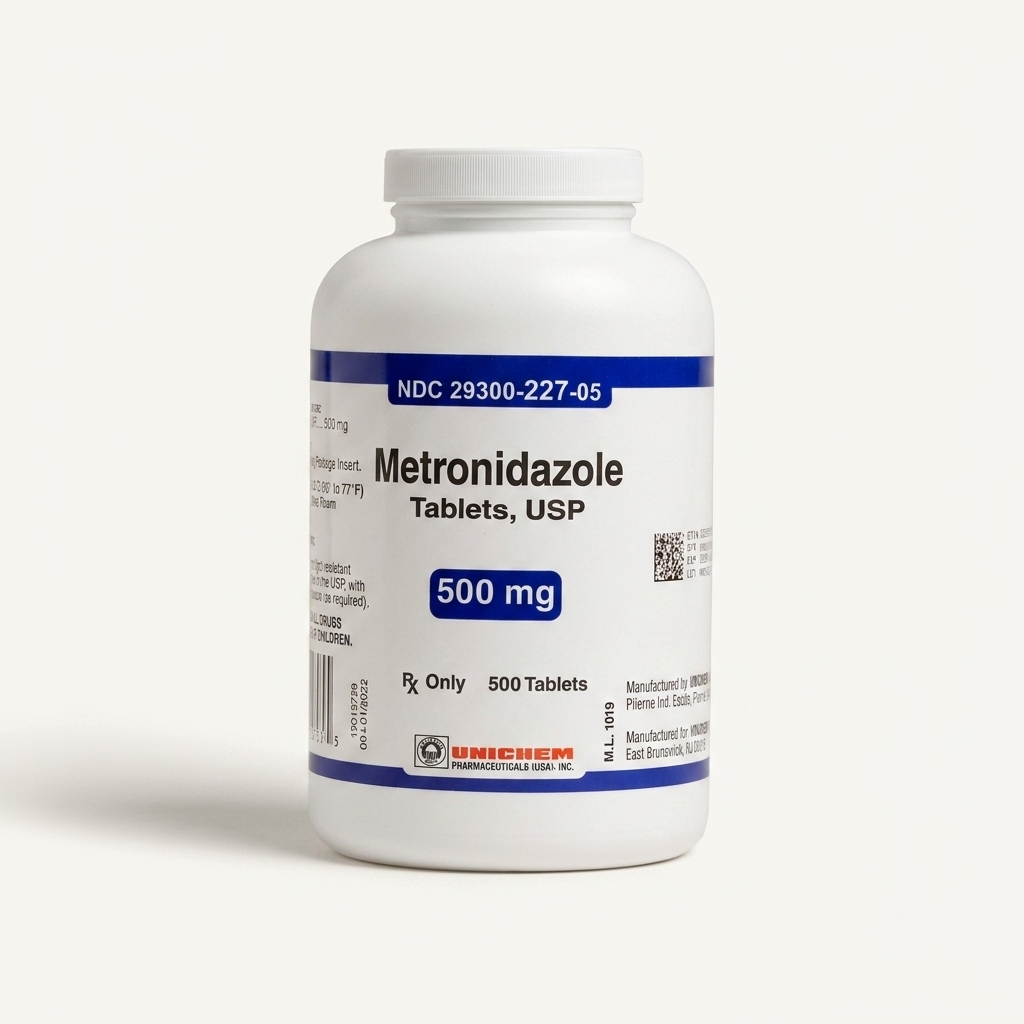
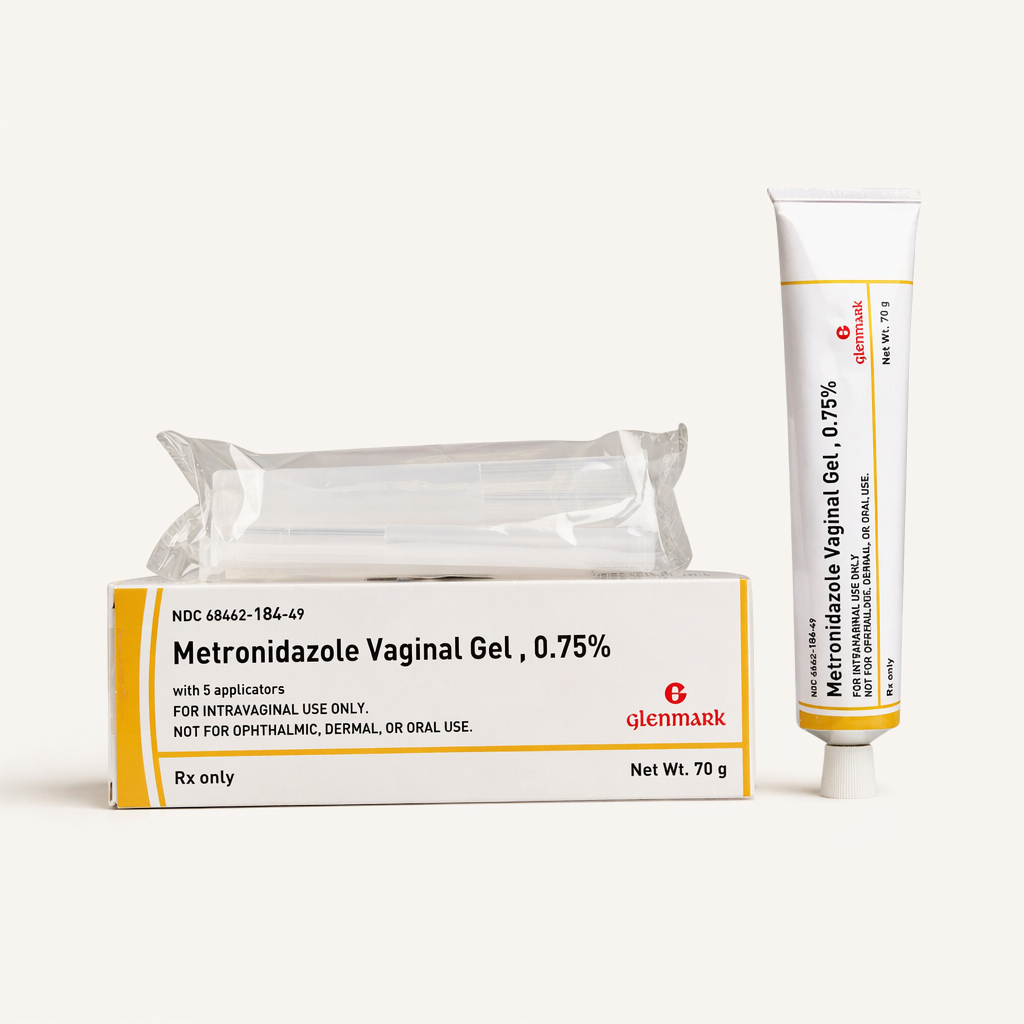

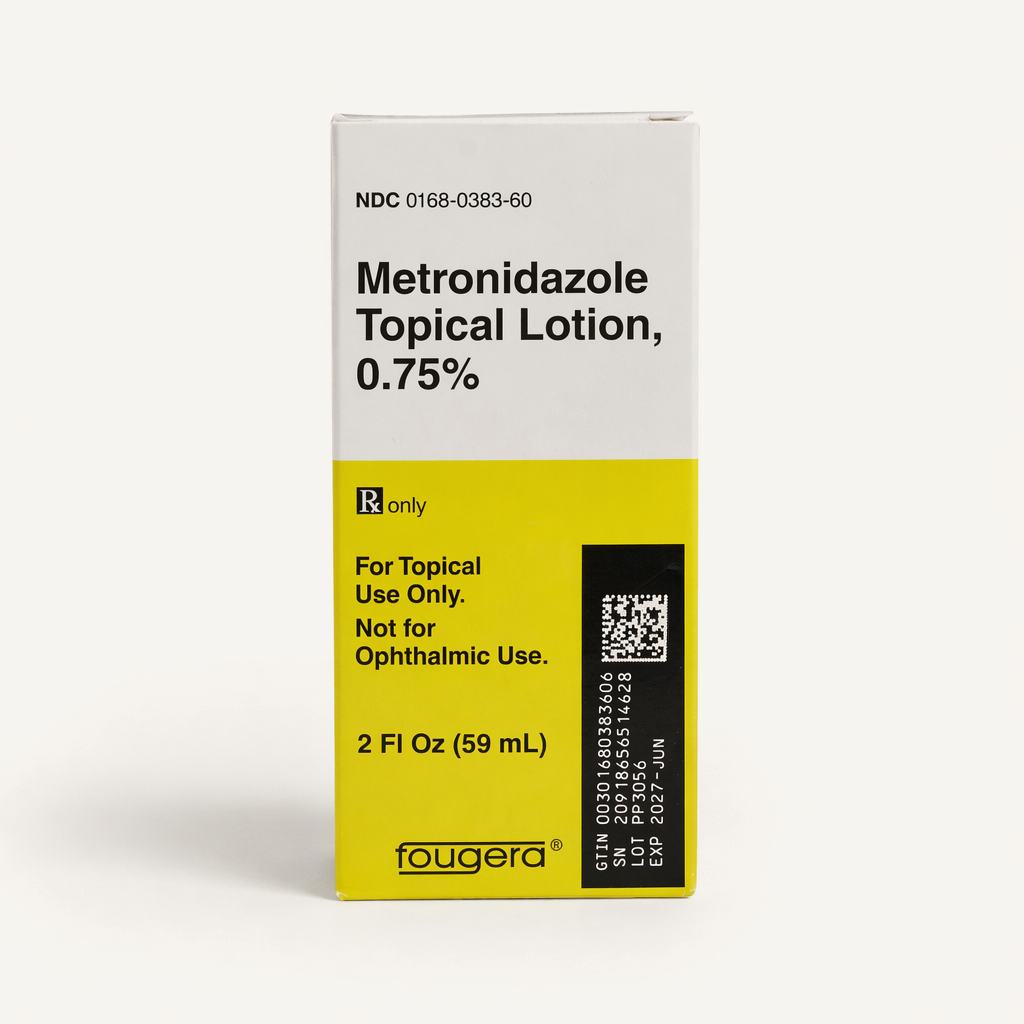
How It Works
Metronidazole works by essentially lurking in the body until it enters the environment of an anaerobic bacteria cell or parasite. After infiltrating the target organism, the drug undergoes a chemical breakdown and produces highly reactive compounds that attack the organism’s DNA.
By attacking this genetic material, metronidazole renders the bacteria or parasite unable to replicate or repair itself. This rapidly leads to the organism’s death. By targeting specific organisms, metronidazole can destroy bacteria and parasites without harming “good” bacteria.
| Quick Facts | |
|---|---|
| Common Brands | Flagyl, Metrogel, Metrocream, Noritate |
| Drug Class | Nitroimidazole antibiotic / antiprotozoal |
| Generic Status | Generic for Flagyl |
| Availability | Prescription only |
Dosing
Metronidazole dosage depends on the type and severity of infection being treated. The drug also comes in different forms, including immediate-release and extended-release tablets, and frequency of dosing can also vary.
- Bacterial vaginosis: For patients with bacterial vaginosis, providers often prescribe two 500 milligram (mg) tablets taken twice daily or a single 750-mg extended-release tablet taken once per day.
- Trichomoniasis: This parasitic sexually transmitted infection is typically treated with a “stat” 2-gram dose of four 500-mg tablets taken at once, or a seven-day course of 250-mg tablets taken three times a day.
- Amebiasis: For treating amebiasis, or amoeba parasitic infections, providers generally suggest a dose of 500 to 750 mg three times daily over the course of five to 10 days.
- Serious bacterial infections: For patients with serious bacterial infections, metronidazole dosage is often calculated by body weight, typically 7.5 mg per kilogram of weight is a standard dosage, with the medication administered every six hours.
Note: Dosing information is educational only. Your prescribing physician will determine your specific dose based on your individual health needs. Always follow your healthcare provider’s instructions for exact dosing.
Uses
FDA-Approved Uses
Metronidazole is FDA-approved to treat a wide range of bacterial and parasitic infections in adults and children, including:
- Bacterial vaginosis caused by anaerobic growth in the vaginal tract
- Trichomoniasis
- Amebiasis
- Giardiasis infection caused by the Giardia parasite
- Intra-abdominal infections (used in combination with other medications)
- Gynecological infections such as endometritis and tubo-ovarian abscesses
- Skin and skin structure infections involving anaerobic bacteria
- Septicemia, endocarditis, meningitis, and other serious systemic infections
Off-Label Uses
You may see metronidazole prescribed for uses that are not “FDA-approved.” This is a very common and legal practice called “off-label” prescribing, where a doctor uses their clinical judgment to prescribe a drug for a different (but well-researched) purpose.
Common off-label uses for metronidazole currently used in clinical research and practice include:
- H. pylori eradication: Metronidazole is often used as part of a three- or four-drug combination therapy to treat stomach ulcers.
- Rosacea: Topical Metrogel medications are FDA-approved to treat rosacea, a skin condition that causes redness and flushing. Oral metronidazole tablets may also be used off-label for rosacea cases with severe inflammation.
- Dental infections: Some dentists may prescribe metronidazole for severe periodontal disease or dental abscesses.
- C. difficile infection: Metronidazole may be used off-label to treat mild cases of Clostridioides difficile infection, though other antibiotics are often preferred.
Side Effects
For many patients who take metronidazole, side effects – if any – are mild and quick to resolve once the course is complete.
Common Side Effects
- A sharp, bitter, or unpleasant metallic taste
- Nausea, vomiting, diarrhea, abdominal cramping, and other gastrointestinal issues
- Headache
- Dizziness and lightheadedness
- Loss of appetite
Serious Side Effects
Serious side effects are rare, but it’s important to know what to look for if they do occur. Serious side effects from taking metronidazole can include:
- Neurological toxicity: Providers consider the higher risk of neurological toxicity to be a serious concern about prescribing metronidazole. Symptoms include seizures, encephalopathy, or peripheral neuropathy in the form or numb or tingling hands and feet.
- Severe allergic reaction: As is the case with a wide range of medication types, metronidazole can bring about a severe allergic reaction for certain people. Potential reactions include Stevens-Johnson Syndrome, a painful condition characterized by rash, blistering skin, and fever.
- Liver injury: While rare, taking metronidazole increases the risk of liver injury. Symptoms include jaundiced (yellow) skin and eyes, dark urine, and pain in the upper right abdomen – you should report any of these symptoms to your doctor immediately.
- Aseptic meningitis: Taking metronidazole increases the risk of this condition, which is characterized by a stiff neck, sensitivity to light, and a severe headache.
Call your doctor immediately if you experience any concerning or prolonged symptoms.
Pharmacist Tips
72-Hour Alcohol Rule
Standard guidelines strictly warn against consuming alcohol until at least 72 hours have elapsed since the last dose. This includes “hidden” alcohol with trace amounts in household products like mouthwash and cough syrup.
Time Your Dose With Meals
Taking immediate-release metronidazole tablets with food can reduce the risk of an upset stomach. For extended-release, it is advised to take this tablet on an empty stomach at least one to two hours after your last meal.
Swallow the Tablets Whole
Crushing metronidazole tablets can destroy the “timed-release” mechanism and cause the medication to flood your body.
Stay Hydrated
Drinking plenty of water throughout the day can help your kidneys process the medication more quickly and efficiently.
Mask the Taste
Many people who take metronidazole report a coppery or metallic taste. This can be unpleasant, but easily masked with mints, gum, or citrus-flavored water.
Partner Treatment
If you’re taking metronidazole to treat trichomoniasis, standard guidelines advise your sexual partner(s) should also receive treatment at the same time to lower the risk of re-infection for all parties involved.
Drug Interactions
Several interactions have been observed between metronidazole and other types of medications. These interactions can affect how both medications work in your body. Known interactions with metronidazole include:
- Disulfiram: Disulfiram, or antabuse, is a medication used to treat chronic alcohol use disorder (AUD). Taking metronidazole within two weeks of also taking disulfiram can cause severe psychological symptoms, including hallucinations and confusion.
- Warfarin: Metronidazole can enhance the effects of warfarin, a blood thinner sold under the brand name Coumadin, and increase the patient’s risk of bleeding.
- Lithium: Lithium is a mood stabilizer medication used to manage the symptoms of bipolar disorder. Metronidazole increases lithium levels in the blood, so taking it simultaneously with lithium medication can potentially lead to lithium toxicity.
- Cimetidine: Cimetidine, a heartburn medication, can cause metronidazole to break down in the liver more slowly and increase the patient’s risk of side effects.
- Phenobarbital and phenytoin: These seizure medications can speed up the removal of metronidazole and make the antibiotic less effective in the process.
Always give your doctor and pharmacist a complete list of all your medications, vitamins, and supplements to check for potential interactions.
FAQs
Why must I avoid alcohol while taking metronidazole?
It is advised to avoid alcohol while taking metronidazole because the medication interferes with the body’s ability to break down ethanol. This can cause a reaction with severe nausea, vomiting, rapid heartbeat, flushing, and a pounding headache.
How long do I need to wait after finishing metronidazole before I can drink alcohol again?
Standard guidelines recommend waiting at least 72 hours after the last metronidazole dose before consuming alcohol. This allows your body enough time to completely flush out the drug.
What is the “metallic taste” side effect of metronidazole?
As metronidazole secretes in the saliva, patients may notice a bitter or metallic taste. This can be annoying, but is usually considered harmless and should disappear within 48 hours of the last dose.
Is metronidazole safe to take during pregnancy?
Providers generally avoid prescribing metronidazole to pregnant patients in their first trimester, as some research has suggested an increased risk to fetal health during this period. Doctors may prescribe it during the second or third trimester if benefits outweigh patient risks.
Can I use the metronidazole vaginal gel while on my period?
Yes, standard guidelines allow you to use the metronidazole vaginal gel while on your period. However, it is not advised to use tampons during the treatment course because they can absorb medication and reduce its effectiveness.
What is the difference between taking a single large dose (2g) vs. a 7-day course?
The difference between taking a single large dose (2g) or a 7-day course is typically the condition being treated. A single-dose course is normally used to treat trichomoniasis, while the 7-day course is typically reserved for bacterial vaginosis and other bacterial infections that require longer and more robust treatment to eradicate and prevent recurrence.
Does metronidazole make birth control pills less effective?
Although it is not believed metronidazole and other antibiotics significantly interfere with birth control, many providers will recommend a backup barrier method such as a condom for people taking the drug who have experienced vomiting or diarrhea, as these can prevent the body from properly absorbing the medication.
Is metronidazole an antifungal or an antibiotic?
Metronidazole is antibiotic and antiprotozoal, but not antifungal. By killing off bacteria, metronidazole can actually trigger a yeast infection – but this side effect is rare.
Should my partner be treated with metronidazole as well?
Yes, you and your partner should take simultaneously with metronidazole if one of or both of you are being treated for trichomoniasis. For bacterial vaginosis, male partners don’t normally need to take metronidazole, but your provider may have their own recommendations based on different factors.
Does metronidazole cause sun sensitivity?
Unlike many other antibiotics, metronidazole is not thought to significantly increase sensitivity to sunlight. It is advised to monitor your skin for rashes just in case and report any unusual findings to your provider.
What foods should you avoid while taking metronidazole?
It is recommended to avoid food containing propylene glycol, including some processed salad and dessert mixes, or anything containing alcohol during a metronidazole treatment course. There are no specific restrictions for dairy and other food groups.
How do I know if metronidazole is working?
If taking metronidazole to treat trichomoniasis or bacterial vaginosis, patients often see a reduction in odor and discharge within 2 to 3 days. However, providers recommend completing the entire course – even if symptoms subside before treatment is finished.
What is the difference between metronidazole pills vs cream?
Metronidazole tablets are taken orally and work systemically throughout the body to eradicate internal and widespread infections. Metrogel, metronidazole gel, is applied to the skin or vagina, and does not normally cause systemic side effects like nausea because its effects are more localized.
Comparable Medications
Clindamycin Capsules
From $46.99
Sold under the brand name Cleocin, clindamycin is a lincosamide antibiotic often prescribed when patients are allergic to metronidazole or the infection is metronidazole-resistant. Guidelines for consuming alcohol while taking clindamycin aren't as strict, but the risk of severe diarrhea is higher.
Azithromycin
From $28.99
Azithromycin is a macrolide antibiotic often used to treat chlamydia and respiratory infections. It can treat certain sexually transmitted infections, but – unlike metronidazole – it is not effective against the anaerobic bacteria that cause bacterial vaginosis.
Amoxicillin Capsules
From $28.99
Amoxicillin is a broad-spectrum penicillin-type antibiotic used to treat a wide range of infections, including ear infections, strep throat, and urinary tract infections (UTIs). It is mostly ineffective against infections from anaerobic bacteria and parasites that metronidazole is used to treat.
Cephalexin Capsules
From $32.99
Cephalexin, sold under the brand name Keflex, is primarily prescribed for skin infections and UTIs. It destroys the cell walls of bacteria, while metronidazole destroys bacterial DNA. Due to these different mechanisms, cephalexin and metronidazole are usually prescribed to treat different types of infections.
We Have Metronidazole in Stock. Get Yours Today!
Important: Information on this page is for educational purposes only. Prescribing decisions are made by independent, licensed providers. TelyRx operates technology-enabled pharmacies and a telehealth platform that connects patients with licensed providers. Prescriptions, when provider-approved and issued, are filled and shipped by TelyRx-affiliated pharmacies. We do not employ physicians or make prescribing decisions. Learn more about our editorial standards here.