

How It Works
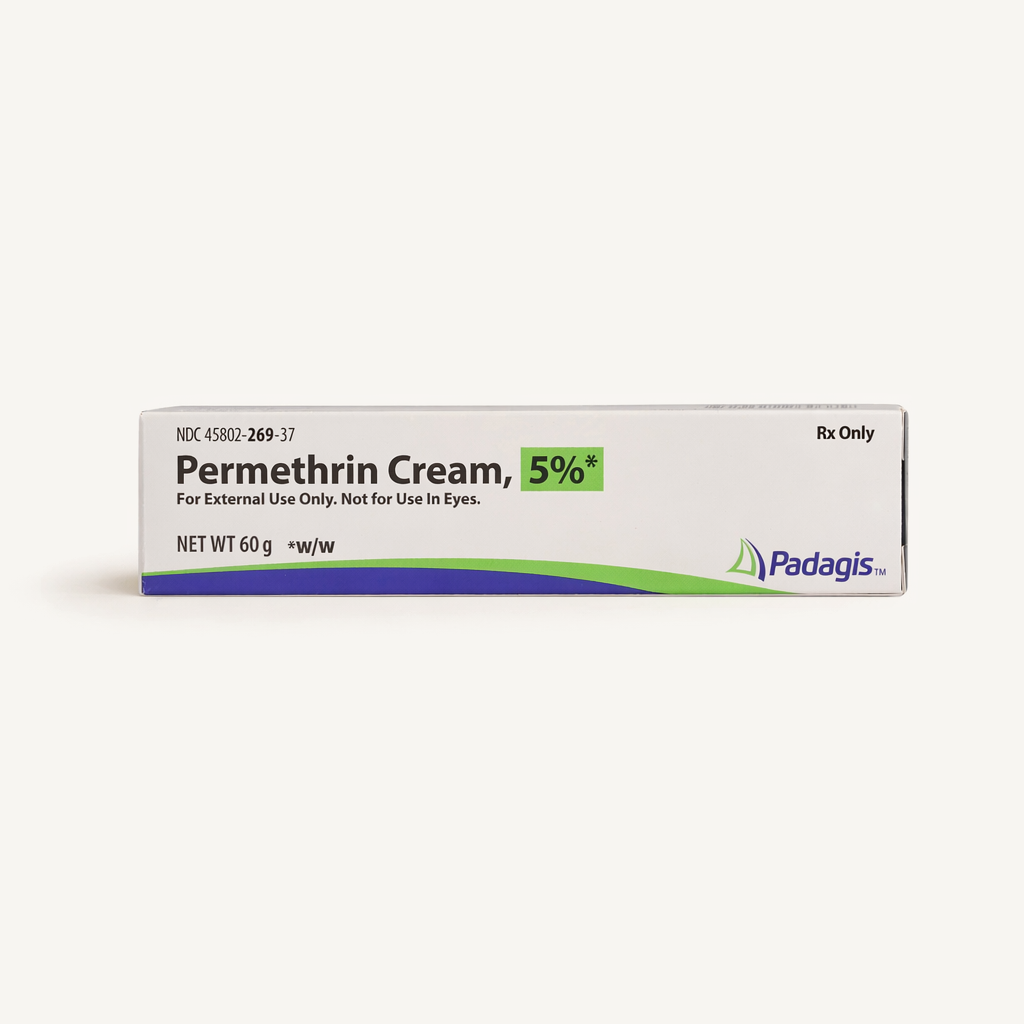
As a pyrethroid, permethrin works by attacking the nervous systems of parasites and pests, paralyzing and killing them in the process. Permethrin acts as a scabicide to wipe out mites, and as a pediculicide to target lice.
The most common form of permethrin, 5% topical cream, stays on the skin for several hours to penetrate the skin and destroy parasites that have burrowed beneath the outer skin layer, along with their egg deposits.
| Quick Facts | |
|---|---|
| Common Brands | Acitin, Elimite |
| Drug Class | Pyrethroid antiparasitic |
| Generic Status | Generic version of Elimite |
| Availability | Prescription only |
Dosing
- Application: It is advised to apply permethrin topical cream to clean, cool, and dry skin. It is not recommended to shower before applying the cream. Apply and massage the cream onto your skin. Cover every surface between the neck and feet. Some adults may also need to apply the lotion onto their scalp and face.
- Duration: It is advised to leave the cream on your skin for 8 to 14 hours; your doctor may provide a more specific duration depending on your symptoms.
- Removal: To remove the cream, take a long shower with vigorous scrubbing from head to toe. Your doctor may recommend a second treatment if live parasites are still present after the first treatment.Always follow your healthcare provider’s instructions for exact dosing.
Note: Dosing information is educational only. Your prescribing physician will determine your specific dose based on your individual health needs. Always follow your healthcare provider’s instructions for exact dosing.
Uses
FDA-Approved Uses
Permethrin is FDA-approved as a topical medication to treat external parasitic infestations, such as scabies.
Off-Label Uses
You may see Permethrin prescribed for uses that are not “FDA-approved.” This is a common and legal practice called “off-label” prescribing, where a doctor uses their clinical judgment to prescribe a drug for a different (but well-researched) purpose.
Common off-label uses for permethrin found in clinical practice and research include:
- Pubic lice: Permethrin cream may be used to treat pubic lice, depending on severity of symptoms.
- Demodex mites: Demodex mites live in the hair follicles. Permethrin may be prescribed as an adjunctive treatment for rosacea and other skin conditions thought to be caused by an overabundance of demodex mites.
Side Effects
Common Side Effects
The most common side effects of permethrin are mild and temporary. These common side effects do not indicate the treatment has failed or is not currently working:
- Mild burning, stinging, tingling, or pain where the topical is applied.
- Red, irritated, or dry skin
- Severe itching, often brought on by scabies infestation that worsens as the topical takes effect. This may last for several weeks.
Serious Side Effects
Serious side effects are rare, but it’s important to know what to look for if they do occur.
- Anaphylaxis: A severe allergic reaction, in patients who are allergic to ingredients in the cream or rinse. Symptoms can include dizziness, difficulty breathing, hives, skin rash, and swelling of the face, lips, tongue, or throat. Anaphylaxis from permethrin is very rare, but warrants immediate medical attention when it occurs.
- Ingestion toxicity: Permethrin is mildly toxic when ingested, and may lead to symptoms such as abdominal pain, nausea, and vomiting. Most forms of permethrin are meant to be topically applied on the skin or rinsed in the hair, not ingested.
Call your doctor immediately if you experience any concerning or prolonged symptoms.
Pharmacist Tips
Be Thorough
Apply the cream to every skin surface between your neck and feet. It is recommended that you be especially thorough when applying on your fingers and toes, under your fingernails and toenails, and on your buttocks and genitals.
Use Eye Protection
Permethrin should stay out of your eyes, ears, nose and mouth. Rinse thoroughly with cool water if it enters your eyes during application.
Don’t Sweat Extra Itching
If you notice more severe itching after applying the permethrin, this doesn’t mean the medication has failed or isn’t working properly. You can expect the extra itch to last for at least a few days after the treatment has ended. Additionally, about 10% of people who use permethrin notice stinging, pain, or irritation when the topical is first applied.
Find Space for the Cream to Take Effect
Since your prescription cream will most likely require you to be covered head-to-toe in permethrin cream for at least 8 hours, some patients take the day off work and stay home in comfortable clothes.
Replace Your Threads
Parasites like scabies and lice can live on clothing, towels, and bedding. Wash all contaminated items in hot water and dry them in a hot dryer.
Plan for a Second Treatment
For many people who use permethrin, one treatment application will suffice. But some need at least one more treatment about one week later to target all of the remaining scabies or lice, so it’s best to prepare for the possibility of a second treatment.
Drug Interactions
Always give your doctor and pharmacist a complete list of all your medications, vitamins, and supplements to check for potential interactions. Permethrin is considered low-risk of interacting with other drugs and medications because most of the cream is absorbed in the skin and does not enter the blood stream. There are no known food or alcohol interactions with permethrin.
However, it’s generally advised to not use any medical or non-medical topical lotions and creams for 8 to 14 hours after permethrin cream has been applied to your skin. This is to ensure the permethrin absorbs into your skin as much as possible.
FAQs
How does permethrin cream work?
Permethrin attacks the nervous systems of scabies, lice, and other parasites, leading to paralysis and death. Permethrin 5% cream left on the skin for several hours will target burrowing mites and their eggs, while the 1% lotion/rinse kills lice in the hair.
Why does my skin still itch after using permethrin cream?
Itching is a common side effect of using permethrin cream – in many cases, the itching is more severe after the topical has been applied. Persistent itching does not mean the medication has failed or is ineffective. Itching may last for several weeks after the medication is used.
How long should permethrin cream remain on the skin before washing it off?
Specific instructions from your doctor depend on your symptoms, but most people leave the permethrin cream on their skin for 8 to 14 hours.
Do I need to treat my whole body with permethrin?
If you have a scabies infestation, it is advised to apply the cream to every skin surface between your neck and feet unless your doctor instructs otherwise. Some people may also need to apply the cream on their face, scalp, and temples.
How often can I apply the permethrin cream?
Many people who use the 5% permethrin cream only need to apply the topical once, though some need at least one more additional treatment to eradicate all mites and their eggs.
What should I do if I accidentally wash my hands during the treatment period?
If you wash your hands during the treatment, it is advised to immediately dry your wrists and hands, then reapply the topical to these areas.
How does permethrin treat head lice as well as scabies?
Permethrin has scabicidal and pediculicidal properties, meaning it targets both scabies and head lice. Different versions of this medication are used to treat scabies and head lice.
What are the common side effects of topical permethrin?
Common side effects of topical permethrin include red or itchy skin and stinging, burning, or mild pain where the topical is applied. Most side effects are mild and temporary, though some – like itching – can persist for several weeks after the medication is used.
How should I clean my home and laundry after using permethrin?
It is advised to wash your clothing, towels, and bedding in hot water with a temperature of at least 130 degrees Fahrenheit, then dry these items in a hot dryer. Items you cannot machine-wash should be sealed in a plastic bag for at least 72 hours.
Should I use permethrin cream or oral ivermectin?
Permethrin cream and oral ivermectin are both effective at treating scabies, but the former is often prescribed for mild cases while the latter may be prescribed for more severe cases and larger outbreaks. Your doctor can provide more details about which medication is best for you.
Comparable Medications
Permethrin
From $34.99
This is a topical pyrethroid antiparasitic medication that is often used as first-line treatment for scabies and head lice infestations. It comes in 5% cream and 1% lotion, and treatment usually requires one to two full applications.
Ivermectin – Scabies
From $79.99
This is a macrocyclic lactone antiparasitic medication derived from soil bacteria. It is normally reserved for severe scabies and lice infestations, including instances where the parasites are resistant to first-line drugs like permethrin. Ivermectin is usually administered as a single-dose oral capsule, but ivermectin lotions are available to treat head lice.
We Have Permethrin in Stock. Get Yours Today!
Important: Information on this page is for educational purposes only. Prescribing decisions are made by independent, licensed providers. TelyRx operates technology-enabled pharmacies and a telehealth platform that connects patients with licensed providers. Prescriptions, when provider-approved and issued, are filled and shipped by TelyRx-affiliated pharmacies. We do not employ physicians or make prescribing decisions. Learn more about our editorial standards here.