

How It Works
Acyclovir is part of the synthetic nucleoside analogues antiviral drug class and has a complex mechanism that directly targets viral cells. This mechanism works as follows:
- Acyclovir in tablet, cream, or ointment form seek out and reach infected cells.
- A viral enzyme called thymidine kinase activates the medication, allowing it to mimic the building blocks of viral DNA.
- As the herpes virus attempts to replicate DNA strands, it inadvertently integrates the acyclovir and cannot reproduce further.
- Unable to multiply, the virus eventually dies.
This multi-step process allows acyclovir to stop the outbreak and helps your immune system clear the infection quickly and efficiently.
| Quick Facts | |
|---|---|
| Common Brands | Zovirax, Zovirax Cream, Zovirax Ointment |
| Drug Class | Antiviral (synthetic nucleoside analogues) |
| Generic Status | Generic version of Zovirax |
| Availability | Prescription only |
Dosing
Acyclovir dosage is dependent on consistent timing and frequency. Since the drug prevents the herpes virus from multiplying, most doctors prescribe it when symptoms first appear. Standard guidelines advise to apply the topical to cover the entire affected area, including the outer border.
Specific dosage and instructions depend on the type of acyclovir medication being prescribed.
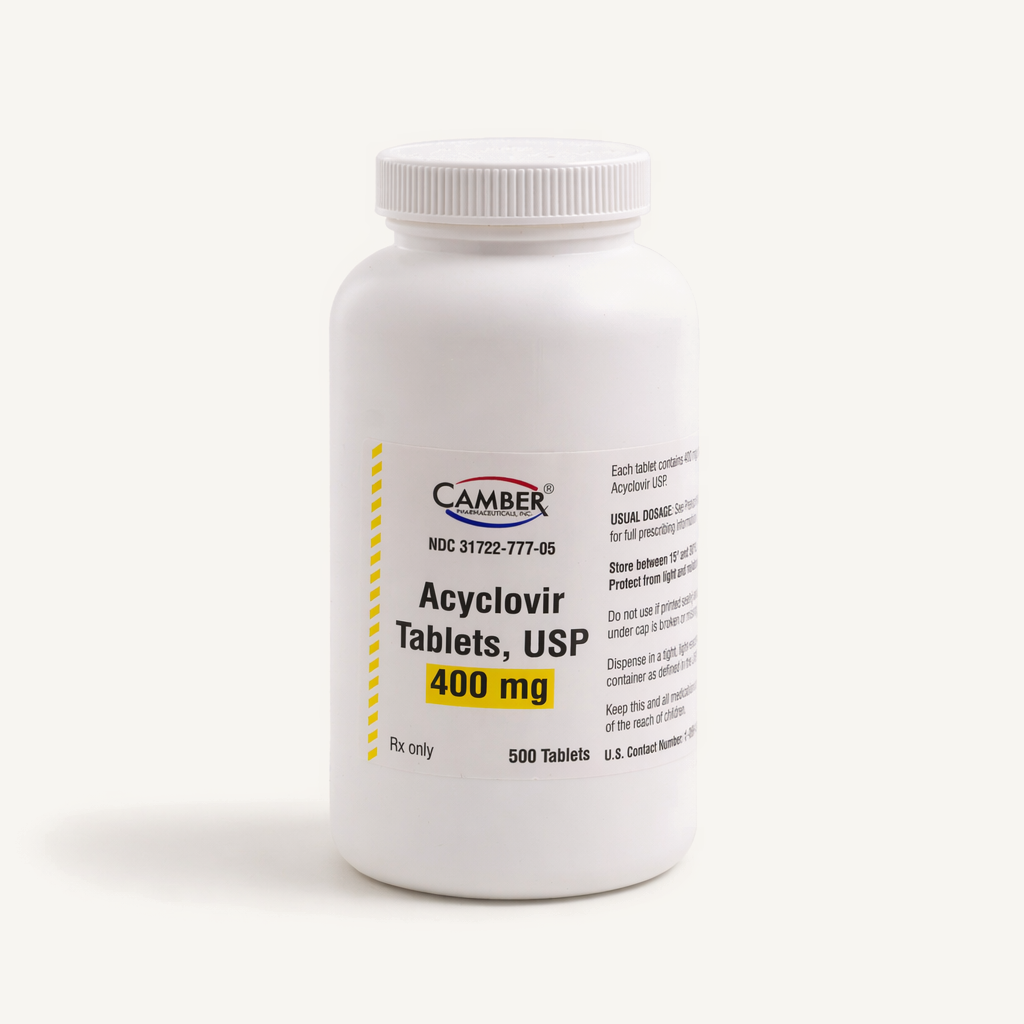
- Oral tablet: Oral acyclovir tablets can be taken with or without food, but it is advised to take the pill with plenty of water. Providers generally prescribe oral tablets as part of a set treatment course, and it is recommended to complete the entire course – even if symptoms mostly or completely subside before the final dose.
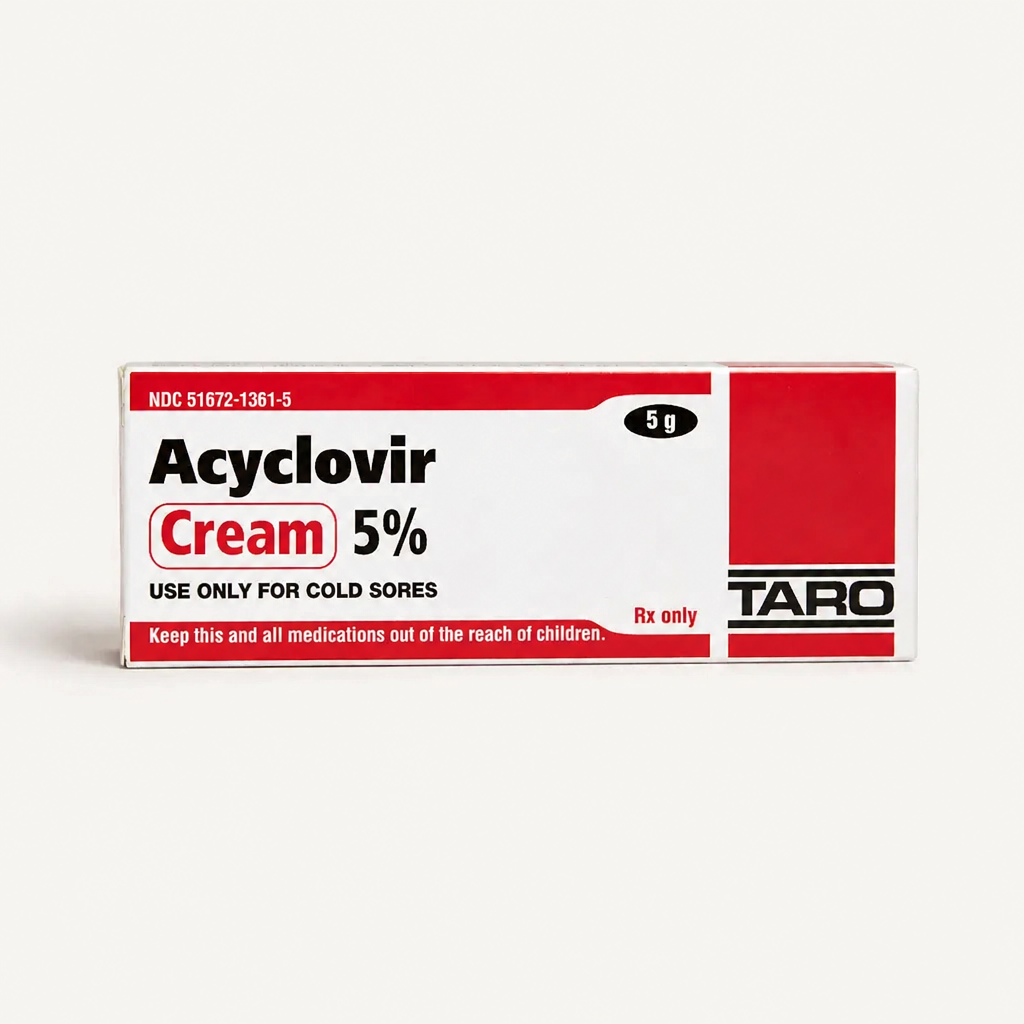
- 5% cream: This form of the drug is used to treat cold sores. Standard guidelines suggest applying the cream to the site of the infection 5 times per day, or every 3 to 4 hours while awake, for 4 consecutive days.
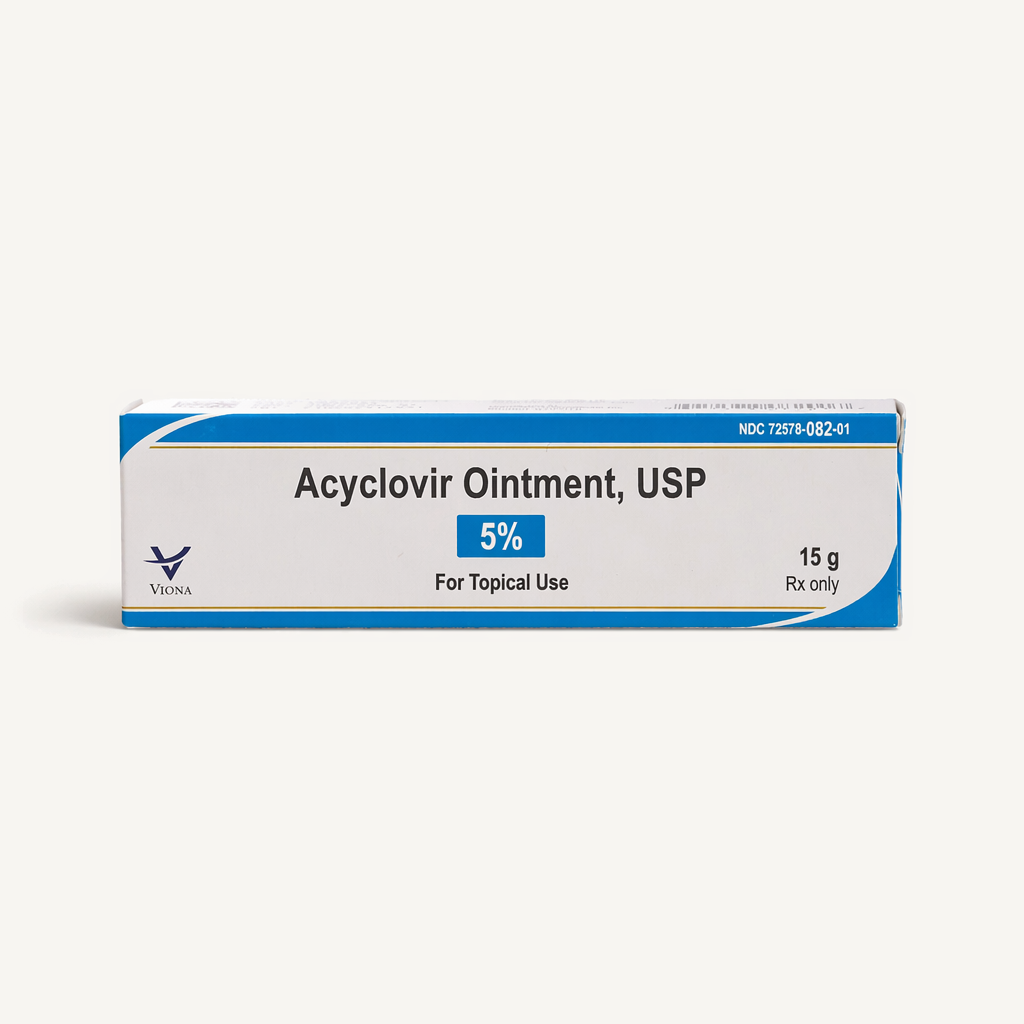
- 5% ointment: The ointment helps manage genital herpes and is typically prescribed during the initial outbreak. Standard guidelines recommend applying the ointment 6 times per day, or every 3 hours, for 7 consecutive days.
As with other topical medications, there are measures to take to ensure proper hygiene. Thoroughly wash your hands before and after application, and use a finger cot or glove when rubbing in the topical.
Note: Dosing information is educational only. Your prescribing physician will determine your specific dose based on your individual health needs. Always follow your healthcare provider’s instructions for exact dosing.
Uses
FDA-Approved Uses
Acyclovir is FDA-approved to treat recurrent cold sores on the lips and face, and to manage symptoms and pain during an initial outbreak of genital herpes. The drug is also FDA-approved for herpes simplex infections in patients with advanced HSV.
Off-Label Uses
You may see acyclovir prescribed for uses that are not “FDA-approved.” This is a very common and legal practice called “off-label” prescribing, where a doctor uses their clinical judgment to prescribe a drug for a different (but well-researched) purpose.
Common off-label uses for acyclovir currently used in clinical practice and research include:
- Herpes simplex prevention: Oral medication is standard for prevention of herpes simplex, but doctors may prescribe a topical cream or ointment for people who experience mild, frequent herpes outbreaks triggered by intense sun exposure and other specific events.
- Herpes zoster: Herpes zoster, commonly called shingles, is normally treated with oral antiviral therapy, but acyclovir can serve as secondary treatment to soothe localized skin lesions.
- Varicella: Providers may prescribe acyclovir as a topical treatment to manage pain and discomfort for people with varicella, or chickenpox, but this is normally limited to specific cases or localized outbreaks of the virus.
Side Effects
Like all medications, acyclovir can cause side effects. Common side effects may improve as your body adjusts to the medication, but others may be serious and require medical attention.
Common Side Effects
Acyclovir is well-tolerated by most patients and side effects tend to be minimal. These include:
- Upset stomach
- Vomiting
- Fatigue
Side effects for topical acyclovir includes:
- Mild stinging or burning at the application site
- Dry, flaky, or cracked skin on areas where the cream or ointment is applied
- Itching at the application site as skin interacts with the drug
Serious Side Effects
Serious side effects are rare, but it’s important to know what to look for if they do occur. Serious side effects of using acyclovir can include:
- Anaphylaxis: As with a wide range of medications, acyclovir can trigger a severe allergic reaction in people who are allergic to one or more of its ingredients. Symptoms of anaphylaxis include itching, difficulty breathing, and swelling of the face, lips, tongue, and throat.
- Respiratory issues: Certain people may experience difficulty breathing or wheezing after taking acyclovir.
- Severe skin peeling: Skin irritation that goes beyond mild irritation and dryness can occur.
Call your doctor immediately if you experience any concerning or prolonged symptoms.
Pharmacist Tips
Start Treatment ASAP
Research has shown the sooner patients begin using acyclovir after the initial onset of herpes symptoms, the more effective the medication will be at halting the virus and helping the infection or cold sore heal. Standard guides recommend keeping the medication on hand at all times, then applying it when the telltale “tingle” occurs.
Avoid Cosmetics
It is not recommended to wear makeup, lip balm, or sunscreen on affected areas where topical acyclovir has already been applied. “Double coating” can interfere with your body absorbing the medication.
Stay Hydrated
Drinking water throughout the day helps promote skin health and immune function.
Keep The Medication To Yourself
Since herpes is highly contagious, it is not advised to ever share a tube of acyclovir cream or ointment with anyone else, even if they have similar symptoms.
Practice Proper Storage
It is recommended to store your acyclovir at room temperature, and to avoid leaving it in places susceptible to extreme temperature shifts such as the interior of a car.
Drug Interactions
Unlike many other medications on the market, acyclovir has no known major interactions with separate oral medications. This is because acyclovir works at the skin level and very little of the drug enters the bloodstream. Acyclovir interactions worth noting include:
- Other topical medications: Other creams, ointments, and skin products may dilute the acyclovir or create a barrier that prevents the medication from reaching the virus.
- Alcohol: While there is no known direct interaction between acyclovir and alcohol, excessive drinking can suppress the immune system and make it harder for the body to resolve the outbreak.
Always give your doctor and pharmacist a complete list of all your medications, vitamins, and supplements to check for potential interactions.
FAQs
What is the difference between acyclovir and valacyclovir (Valtrex)?
Valtrex is a brand-name version of the generic drug valacyclovir. When patients take Valtrex, their body converts valacyclovir into acyclovir. Valtrex has a faster absorption rate than acyclovir oral tablets and requires less frequent dosing of once or twice per day. Since acyclovir topical works directly on the skin, it bypasses the digestive tract entirely and absorption rate is localized to the infection site.
Can I drink alcohol while taking acyclovir?
Yes, patients can drink alcohol while taking acyclovir as long as their doctor approves. However, excessive drinking can suppress the immune system and make the medication less effective, so moderation is generally recommended.
How long does it take for acyclovir to clear up a cold sore?
Acyclovir can reduce the healing time of a cold sore by 1 to 2 days, so most people find their sores have cleared up within 4 to 7 days of starting treatment.
Why do I have to take acyclovir so many times a day?
HSV replicates very quickly, so multiple applications are needed to prevent the virus from being able to do so. Most providers instruct their patients to apply the topical 5 to 6 times per day.
Is acyclovir safe to take during pregnancy?
Since systemic absorption is minimal, acyclovir is generally considered safe for pregnant patients. However, you should always consult your doctor or obstetrician before starting any new medication during your pregnancy.
Does acyclovir cure herpes, or just treat the symptoms?
Acyclovir treats the symptoms of herpes outbreaks. There is currently no “cure” for herpes, and the virus remains dormant in the cells between outbreaks.
Why is it important to drink lots of water while taking acyclovir?
Acyclovir topical medication is processed and eliminated in the kidneys, so staying hydrated helps to promote healthy kidney function and lowers the risk of kidney damage.
Can I use acyclovir cream and pills at the same time?
For patients with severe herpes outbreaks, providers may simultaneously prescribe oral and topical acyclovir treatments. One form of treatment on its own is usually effective for cold sores, and there is no evidence that using both will clear up the infection more quickly.
Does acyclovir prevent me from passing herpes to my partner?
Acyclovir reduces viral shedding to potentially lower the risk of transmission, but it does not eliminate the risk. It is still possible to transmit herpes while using acyclovir, so it is advised to avoid kissing and sexual contact while the outbreak is active.
Is acyclovir used for shingles or chickenpox?
Yes, acyclovir’s most common off-label uses include herpes zoster (shingles) and varicella (chickenpox). In these cases, topical acyclovir is most commonly prescribed for alleviating pain and discomfort.
Does acyclovir make birth control pills less effective?
There is no evidence that acyclovir interferes with the effectiveness of hormonal birth control.
Can I take acyclovir for a canker sore?
No, viruses do not cause canker sores and acyclovir – an antiviral medication – will not be effective at treating them. Most canker sores have bacterial or inflammatory sources.
How soon after the first sign of an outbreak should I start taking acyclovir?
Standard guidelines recommend starting acyclovir as soon as possible after a herpes outbreak begins. Ideally, patients begin taking the drug within 24 to 48 hours. Light tingling and burning are two of the most common precursors for a new outbreak.
Comparable Medications
Valacyclovir
From $29.99
Sold under the brand name Valtrex, valacyclovir is an oral tablet normally taken 1 to 2 times per day. Rather than targeting localized outbreaks on the skin, Valtrex seeks to suppress the virus on a systemic level. Providers typically prescribe Valtrex for severe and frequent outbreaks.
Acyclovir/hydrocortisone
Xerese, a combination cream with acyclovir and hydrocortisone as active ingredients, can be applied to cold sores and inflammation to reduce redness and swelling. Xerese is not effective for treating genital herpes, but may be preferred as a cold sore treatment because it soothes inflammation.
Trifluridine
Trifluridine eye drops are used to treat herpes infections that spread to the eyes. Providers may recommend using the drops up to 9 times per day. While effective at treating herpes of the eye, trifluridine is not effective for outbreaks elsewhere in the body.
We Have Acyclovir in Stock. Get Yours Today!
Important: Information on this page is for educational purposes only. Prescribing decisions are made by independent, licensed providers. TelyRx operates technology-enabled pharmacies and a telehealth platform that connects patients with licensed providers. Prescriptions, when provider-approved and issued, are filled and shipped by TelyRx-affiliated pharmacies. We do not employ physicians or make prescribing decisions. Learn more about our editorial standards here.