
The Wellness Collective

What to Know About Fluconazole

Reviewed by Ashley Robinson, PharmD, Pharmacy Manager for TelyRx

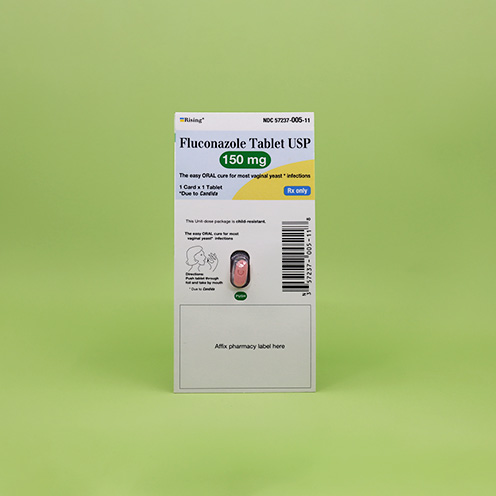
Fluconazole tablet via TelyRx

Table of Contents

Fluconazole, generic for Diflucan, is an oral antifungal medication used to treat infections caused by candida fungus, or yeast. It is considered a first-line treatment for conditions such as vaginal yeast infections and oral thrush.

Fluconazole dosage depends on the condition, as some patients take the drug one time and others follow a multi-day treatment regimen. Side effects are common, but most tend to be mild and temporary.

How Does Fluconazole Work?

Fluconazole works against ergosterol, a naturally occurring steroid that synthesizes in candida fungal cell membranes. Specifically, fluconazole targets the lanosterol 14-α-demethylase enzyme that allows fungal cells to produce ergosterol.

When ergosterol cannot synthesize properly, the fungal cell membrane cannot hold its structure, becomes unstable, and begins to break down. This prevents the candida fungal cells from growing, and eventually causes the fungi to die.

Ergosterol in fungal cell membranes functions in a similar way to cholesterol in human cells. Fluconazole is designed to target the ergosterol in fungi cells without harming the cholesterol in healthy human cells.

Drug Facts

Common Brands Diflucan
Drug Class Azole antifungals (triazole antifungal subgroup)
Generic Status Generic for Diflucan
Availability Prescription only

Dosing

Note: Dosing information below is educational only. Your prescribing physician will determine your specific dose based on your individual health needs.

Your provider will recommend a fluconazole dosage based on the specific condition, as well as the location and severity of symptoms.

  • Vaginal yeast infection: People with vaginal candidiasis, also known as vaginal yeast infections, are often prescribed a single fluconazole dose of 150 milligrams (mg) taken orally.
  • Thrush: Oropharyngeal candidiasis, commonly known as thrush, typically involves a loading dose of 200 mg on the first day of treatment and subsequent daily doses of 100 mg. Doses may continue for up to two weeks to ensure the fungal infection is eradicated.
  • Esophageal Candidiasis: This condition is similar to thrush, but is specifically isolated to the esophagus. Treatment usually involves a larger loading dose and smaller subsequent doses for up to three weeks.
  • Systemic/severe infections: Providers may prescribe a daily dose of fluconazole to treat deep-seated infections in the blood or lungs. Treatment may take place over a short or long duration, depending on how the patient responds to fluconazole.

Always follow your healthcare provider’s instructions for exact dosing.

FDA-Approved Uses

Fluconazole is FDA-approved to treat the following conditions:

  • Vaginal, oropharyngeal or esophageal candidiasis
  • Urinary tract infections caused by the candida fungus
  • Peritonitis, a fungal infection in the stomach lining
  • Cryptococcal meningitis, a fungal infection of the brain and spinal cord
  • Candidemia and disseminated candidiasis, infections that occur when yeast enters the bloodstream

Common Off-Label Uses

You may see fluconazole prescribed for uses that are not “FDA-approved.” This is a very common and legal practice called “off-label” prescribing, where a doctor uses their clinical judgment to prescribe a drug for a different (but well-researched) purpose.

Common off-label uses for fluconazole in medical practice and research include the following:

  • Tinea Capitis/Tinea Corporis: These conditions, commonly known as ringworm of the scalp or body, may be treated with fluconazole for patients who do not respond well to topical creams and other first-line medications.
  • Onychomycosis: Commonly known as fungal infections of the fingernails and toenails, onychomycosis may be treated with fluconazole.
  • Tinea Versicolor: Fluconazole may be used to treat this condition, a fungal infection that causes discolored patches on the skin.
  • Valley fever: Coccidioidomycosis, or valley fever, is a type of regional fungal infection. Fluconazole may be prescribed as maintenance therapy for people with valley fever.
  • Recurring yeast infections: Although many people with yeast infections treat their condition with a single dose of fluconazole, the drug may be used as suppression therapy with weekly dosing for people with recurrent infections.

Side Effects

Common Side Effects

Most side effects of taking fluconazole are mild and temporary. These include:

  • Headache
  • Nausea
  • Abdominal pain
  • Diarrhea
  • Dizziness
  • Metallic or unusual taste

Serious Side Effects

Serious side effects are rare, but it’s important to know what to look for if they do occur.

Serious side effects from taking fluconazole include:

  • Hepatotoxicity: Fluconazole can strain the liver and cause hepatotoxicity, a scientific name for liver injury. Symptoms include jaundiced (yellowed) eyes and skin, dark urine, pale stool, and severe abdominal pain.
  • Severe skin reaction: Stevens-Johnson Syndrome and other severe skin reactions can occur in response to taking fluconazole, leading to symptoms like blistering and a painful red or purple rash.
  • QT prolongation: Fluconazole can cause QT prolongation, an abnormality in the heart that affects electrical activity, which may in turn lead to changes to the patient’s heart rhythm. This is most frequently reported in people with pre-existing heart conditions or who take medications that affect the heart.
  • Anaphylaxis: As with many types of medication, fluconazole can cause severe allergic reactions. Symptoms include itching, hives, and swollen face, lips, tongue, or throat.

Call your doctor immediately if you experience any concerning or prolonged symptoms.

Pharmacist Tips

  • Taking with food may be optional: It is not required to take fluconazole with food, but doing so may ease nausea symptoms for people prone to upset stomachs.
  • Time your doses: If you’re prescribed a multi-day regimen of fluconazole, it is recommended to take your dose at the same time each day. This helps ensure steady levels at all times.
  • Finish the drug course: It is advised to finish your entire fluconazole course, even if symptoms begin to resolve or disappear after taking the first dose. Taking the full course helps ensure the fungal infection is eradicated, while not completing the course can cause the fungal growth to return.
  • Plan work and activities around your dose: Fluconazole can cause dizziness and drowsiness, so it is advised to plan ahead if you need to drive, operate machinery, or perform any other tasks and activities that these symptoms may impair.

Drug Interactions

Because fluconazole affects liver enzymes, it can interact with a wide range of medications that are processed through the liver. As a result, medication can build up to excessive – possibly even dangerous – levels. Known interactions with fluconazole include the following:

    • Blood thinners: Fluconazole can exacerbate the effects of warfarin and other blood thinners, which in turn may lead to bruising or bleeding.
    • Statins: Fluconazole can cause a spike in the levels of statins like atorvastatin and simvastatin used to manage cholesterol. Symptoms include muscle pain and weakness.
    • Diabetes medications: Common diabetes medications like glyburide and glipizide can interact with fluconazole, increasing the risk of hypoglycemia (low blood sugar)
    • Blood pressure medications: Fluconazole is thought to increase the levels of blood pressure medications like losartan and amlodipine, which can cause an excessive dip in blood pressure.
    • Alcohol: Alcohol can increase the risk of liver strain from taking fluconazole and exacerbate side effects like dizziness and nausea.

Always give your doctor and pharmacist a complete list of all your medications, vitamins, and supplements to check for potential interactions.

FAQs

How long does it take for fluconazole to work for a yeast infection?

Results vary, but most people notice a difference in their symptoms 24 to 72 hours after taking their first dose, and find their symptoms have resolved within a week or so.

Can I drink alcohol while taking fluconazole?

It is generally advised to avoid alcohol while taking fluconazole. Since the liver processes both alcohol and fluconazole, drinking while taking the drug increases the risk of dizziness, nausea, and liver strain.

Why do I still have symptoms after taking fluconazole?

Symptoms that persist for three to five days after taking fluconazole may indicate a strain of fungal growth that’s resistant to the drug or an infection with bacterial, rather than fungal, origins. Your doctor can provide a follow-up consultation and recommend the next steps.

Is fluconazole an antibiotic?

No, fluconazole is not an antibiotic. Fluconazole is an antifungal medication used to treat fungal infections, while antibiotics are only used to treat infections from bacteria like strep throat or non-circada-originating urinary tract infections. Antibiotics cannot treat yeast infections.

Can men take fluconazole for a yeast infection?

Yes, men can take fluconazole for yeast infections. Like female patients, male patients are typically prescribed a single 150-mg dose to treat their yeast infection.

Is fluconazole safe to take during pregnancy?

Most providers do not prescribe fluconazole during the first trimester of pregnancy due to the increased risk of miscarriage or birth defects. Doctors may provide topical antifungal creams or other fluconazole alternatives instead. It’s always best to speak with your provider about medication usage during pregnancy.

Does fluconazole treat bacterial vaginosis (BV)?

No, fluconazole does not treat BV, which occurs due to a bacterial imbalance. Antibiotics like metronidazole are usually prescribed for BV instead.

What are the most common side effects of fluconazole?

The most common side effects of fluconazole are headache, nausea, abdominal pain, dizziness, and diarrhea. These effects are usually mild and temporary, resolving after the treatment concludes.

Can I use an over-the-counter antifungal cream while taking the pill?

Many people take over-the-counter antifungal creams while taking fluconazole, per their provider’s instructions. Topical creams and other OTC antifungal medications can provide short-term relief for itching and other symptoms of fungal infection, while fluconazole works to treat the infection itself. Your doctor can provide more information about supplemental antifungal creams to use while taking fluconazole.

How long does fluconazole stay in your system?

Fluconazole’s half-life is about 30 hours, so it remains in your system for about 6 to 9 days on average.

Does fluconazole interact with birth control pills?

Although most research has found that fluconazole does not significantly reduce the effectiveness of birth control, the drug can increase hormonal levels in the blood.

What should I do if I vomit after taking fluconazole?

If you vomit after taking fluconazole, it is advised to immediately contact your doctor or pharmacist. It is not advised to take another dose without medical approval. If you notice additional symptoms that indicate allergic reaction or liver problems, or the vomiting continues, it is advised to seek emergency medical attention.

Is one dose of fluconazole always enough to cure a yeast infection?

No, one dose of fluconazole is not always enough to cure a yeast infection. A single-dose fluconazole treatment is often sufficient to treat yeast infections, especially mild and uncomplicated cases, but some people – such as those with severe or recurrent infections – might need at least two or more doses.

Compare Medications

Compared: Fluconazole, Clotrimazole, Ketoconazole, or Terbinafine?

Fluconazole is a triazole antifungal medication often used as first-line treatment for conditions like yeast infection and oral thrush. Here’s how it compares to a few antifungal alternatives:

  • Clotrimazole: Clotrimazole is a topical antifungal medication sold over the counter in generic versions like Lotrimin AF. It is applied to the site of infection, and is often prescribed for pregnant people instead of fluconazole. However, many providers prefer fluconazole because it can treat deep-tissue infections.
  • Ketoconazole: Ketoconazole – like fluconazole – belongs to the azole antifungal drug class. However, its formulation, when taken as an oral pill, carries a high risk of liver toxicity, so it typically comes as a shampoo or topical cream. Fluconazole is considered safer for taking as an oral medication.
  • Terbinafine: Terbinafine is in the allylamine drug class. It is fungicidal, meaning it kills fungus – rather than stopping fungal growth like fluconazole – and is often preferred to treat dermatophyte infections like athlete’s foot and toe fungus. Fluconazole is considered more effective for treating candida (yeast) fungal infections.
Disclaimer

Important: Information on this page is for educational purposes only. Prescribing decisions are made by independent, licensed providers. TelyRx operates technology-enabled pharmacies and a telehealth platform that connects patients with board-certified licensed providers. Prescriptions, when provider-approved and issued, are filled and shipped by TelyRx-affiliated pharmacies. We do not employ physicians or make prescribing decisions.

Prescription medications made easy with TelyRx.