How It Works
Wegovy is in a class of drugs called GLP-1 receptor agonists (or “incretin mimetics”). It works by copying the action of a natural hormone in your body called GLP-1.
Wegovy targets areas of the brain that are involved in regulating appetite and food intake. It also slows down “gastric emptying,” the process of food leaving your stomach. This dual action makes you feel full sooner and for a longer period, which helps reduce your overall calorie intake and leads to weight loss.
| Quick Facts | |
|---|---|
| Common Brands | Wegovy |
| Drug Class | GLP-1 Agonist |
| Generic Status | No generic available |
| Availability | Prescription Only |
Dosing
Wegovy is administered via a single-use, auto-injector pen. The dose is “titrated,” meaning it is started low and increased gradually. This slow ramp-up is critical for minimizing gastrointestinal side effects.
- Month 1 – 0.25 mg once weekly
- Month 2 – 0.5 mg once weekly
- Month 3 – 1 mg once weekly
- Month 4 and beyond (Maintenance Dose) – 1.7 or 2.4 mg once weekly
Note: Dosing information is educational only. Your prescribing physician will determine your specific dose based on your individual health needs. Always follow your healthcare provider’s instructions for exact dosing.
Uses
FDA-Approved Uses
Wegovy is prescribed as part of a long-term weight management plan that includes a reduced-calorie diet and increased physical activity. Its approved uses are:
- Chronic Weight Management – In adults with obesity (BMI ≥ 30) or overweight (BMI ≥ 27) with at least one weight-related comorbidity. It is also approved for children 12 and older with obesity.
- Cardiovascular Risk Reduction – To reduce the risk of major cardiovascular events (heart attack, stroke, death) in adults with established cardiovascular disease and obesity or overweight.
- Metabolic Dysfunction-Associated Steatohepatitis (MASH) – To treat MASH (formerly NASH), a type of fatty liver disease, in adults with moderate-to-advanced liver scarring.
Off-Label Uses
You may see Wegovy prescribed for uses that are not “FDA-approved.” This is a very common and legal practice called “off-label” prescribing, where a doctor uses their clinical judgment to prescribe a drug for a different (but well-researched) purpose.
The active ingredient in Wegovy, semaglutide, is approved for treating Type 2 Diabetes under the brand name Ozempic. Wegovy itself is generally not prescribed off-label as it is already indicated for weight management.
Side Effects
The most frequently reported side effects are gastrointestinal (GI), especially when starting the medication and increasing the dose.
Common Side Effects
- Nausea
- Diarrhea
- Vomiting
- Constipation
- Stomach (abdominal) pain
- Headache
- Fatigue
- Indigestion / Acid Reflux
- Bloating, burping, or gas
Serious Side Effects
Serious side effects are rare, but it’s important to know what to look for if they do occur. Stop using Wegovy and contact your doctor immediately if you experience any of the following:
- BOXED WARNING – Risk of Thyroid C-cell Tumors – Wegovy has a “boxed warning” because in animal studies, it caused thyroid tumors. It is not known if this happens in people. Do not use Wegovy if you or any of your family have a history of medullary thyroid carcinoma (MTC) or Multiple Endocrine Neoplasia syndrome type 2 (MEN 2). Report any new lump in your neck, hoarseness, or trouble swallowing or breathing to your doctor.
- Pancreatitis – Inflammation of the pancreas. Symptoms include severe, persistent pain in your abdomen that may radiate to your back, with or without vomiting.
- Gallbladder Problems – Wegovy can cause gallstones or gallbladder inflammation. Seek medical attention for pain in your upper right stomach, fever, or yellowing of the skin/eyes.
- Hypoglycemia (Low Blood Sugar) – This is a low risk for most, but the risk increases significantly if you also take diabetes medications like insulin or a sulfonylurea.
- Kidney Problems – Severe vomiting or diarrhea can lead to dehydration, which can cause or worsen kidney failure.
- Vision Changes – A potential worsening of diabetic retinopathy has been reported, especially in people with type 2 diabetes.
- Suicidal Thoughts or Behavior – Pay attention to any changes in your mood, behavior, or thoughts of self-harm, and report them to your doctor.
- Serious Allergic Reactions – Swelling of the face, lips, or throat, or difficulty breathing.
Call your doctor immediately if you experience any concerning or prolonged symptoms.
Pharmacist Tips
Storage
Keep your new, unused Wegovy pens in the refrigerator. Do not freeze them. After starting, a pen can be kept at room temperature (up to 86°F or 30°C) for up to 28 days.
Missed Dose
If you miss a dose, take it as soon as you remember if your next scheduled dose is more than 2 days (48 hours) away. If your next dose is less than 2 days away, you may be able to skip the missed dose and get back on your regular schedule.
Manage Nausea
Nausea is the most common reason people stop. Manage it by eating smaller, more frequent meals, avoiding greasy or spicy foods, and staying well-hydrated.
Pregnancy
Wegovy may harm an unborn baby. You must stop taking it at least 2 months before you plan to become pregnant.
Injection Sites
Inject under the skin of your stomach (abdomen), thigh, or upper arm. It’s important to rotate your injection site each week to avoid skin irritation.
Stay Hydrated
The GI side effects can cause dehydration. Drink plenty of water or other fluids to protect your kidneys and help you feel better.
Drug Interactions
The most significant interactions for Wegovy are:
- Oral Medications – Because Wegovy slows down your digestion, it can change how your body absorbs oral medications. It’s especially important to talk to your doctor about timing if you take pills that need to be absorbed quickly.
- Insulin and Sulfonylureas (glipizide, glyburide) – Taking Wegovy with these diabetes medications can dramatically increase your risk of severe low blood sugar (hypoglycemia). Your doctor will likely need to lower the dose of your other diabetes medications.
- Other GLP-1 Agonists – Do not use Wegovy if you are already taking another GLP-1 drug (like Ozempic, Mounjaro, Victoza, etc.).
Always give your doctor and pharmacist a complete list of all your medications, vitamins, and supplements to check for potential interactions.
FAQs
What’s the difference between Wegovy and Ozempic?
They are the exact same active ingredient: semaglutide. The differences are in their approved use and dosing. Wegovy is approved for chronic weight management and is titrated up to a 2.4 mg maintenance dose. Ozempic is approved for type 2 diabetes and has a maximum maintenance dose of 2 mg.
How much weight can I lose on Wegovy?
In clinical trials, adults taking Wegovy (along with diet and exercise) lost an average of 15% of their starting body weight over 68 weeks. Individual results will vary.
What happens when I stop taking Wegovy? Will I gain the weight back?
Wegovy is intended for long-term management. When you stop taking it, its effects on your appetite and digestion wear off. Studies show that most people regain a significant portion (up to two-thirds) of the weight they lost within a year of stopping the medication.
Can I get Wegovy if I’m not obese?
Wegovy is FDA-approved for adults with a BMI of 30 or higher (obesity) or a BMI of 27 or higher (overweight) if they also have at least one weight-related health condition like high blood pressure, high cholesterol, or type 2 diabetes.
What foods should I avoid while on Wegovy?
No foods are strictly “banned.” However, to manage side effects, many people find it necessary to avoid or greatly reduce high-fat, greasy, fried, spicy, and very sugary foods. These foods sit in your stomach longer and are more likely to cause nausea and indigestion.
How long does it take for Wegovy to start working for weight loss?
You may notice your appetite is reduced within the first few weeks, but the medication is dosed to increase slowly over 16-20 weeks. The most significant weight loss typically occurs once you reach the higher maintenance doses (1.7 mg and 2.4 mg).
Comparable Medications
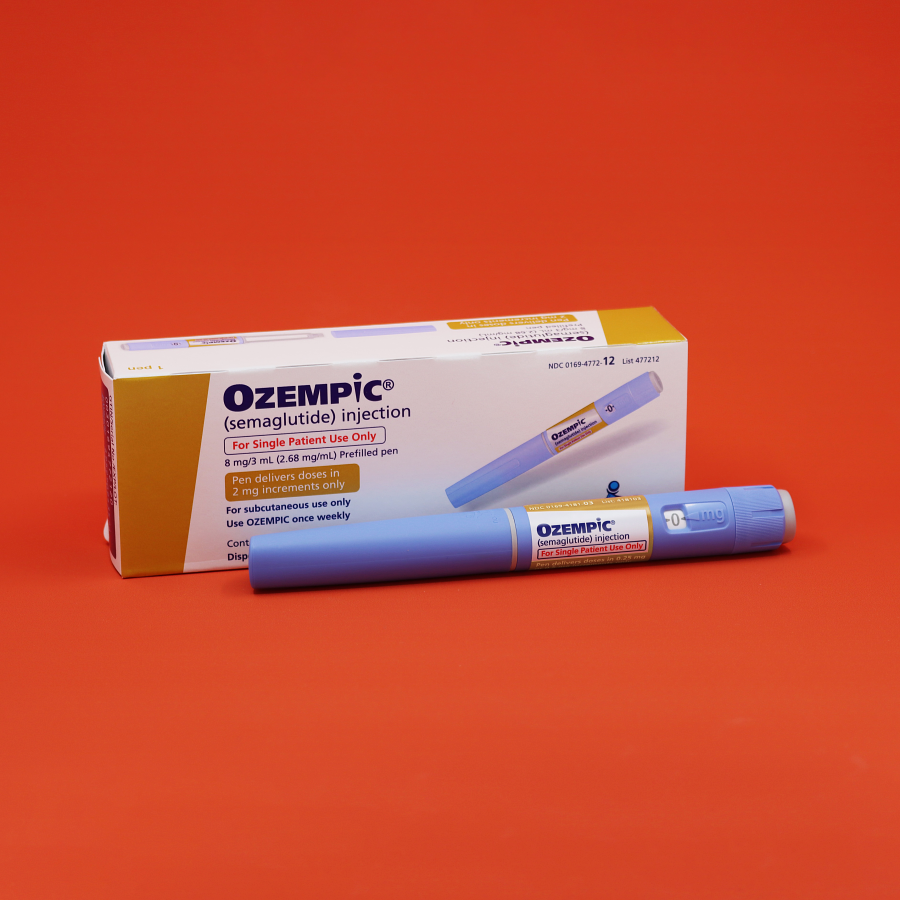
Ozempic®
From $1149.99
The same once-weekly single-action (GLP-1) drug as Wegovy, but branded and dosed for Type 2 Diabetes.
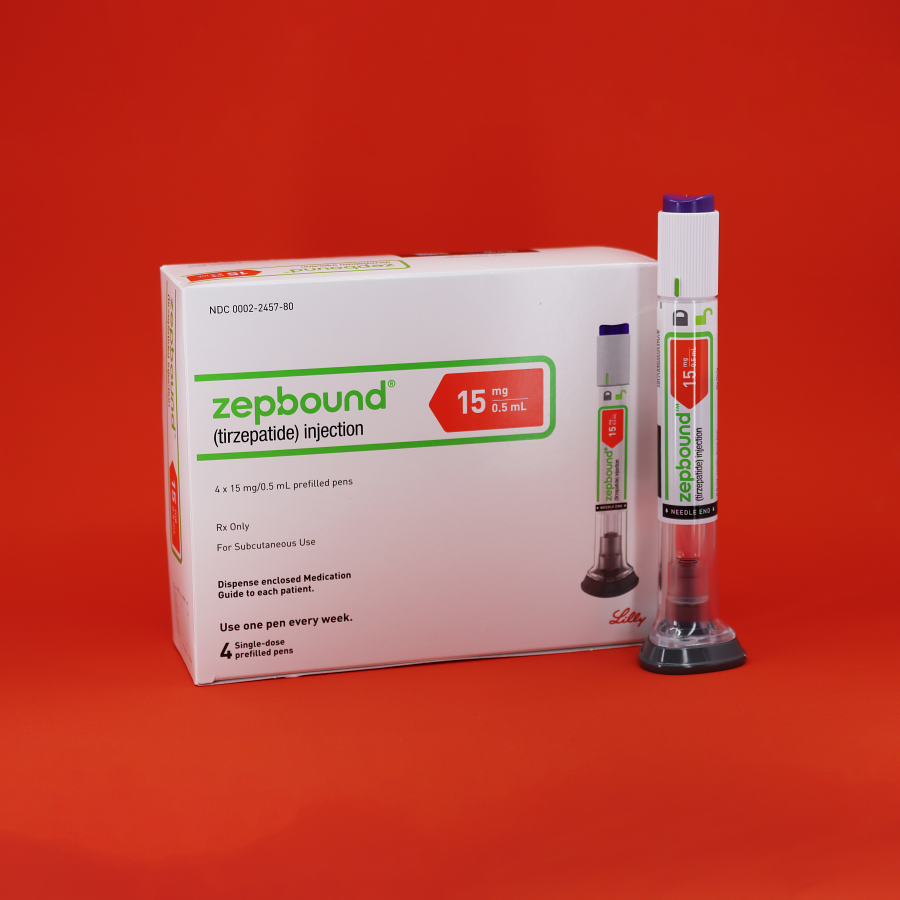
Zepbound®
From $1199.99
A once-weekly dual-action (GIP/GLP-1) injection approved for Chronic Weight Management.
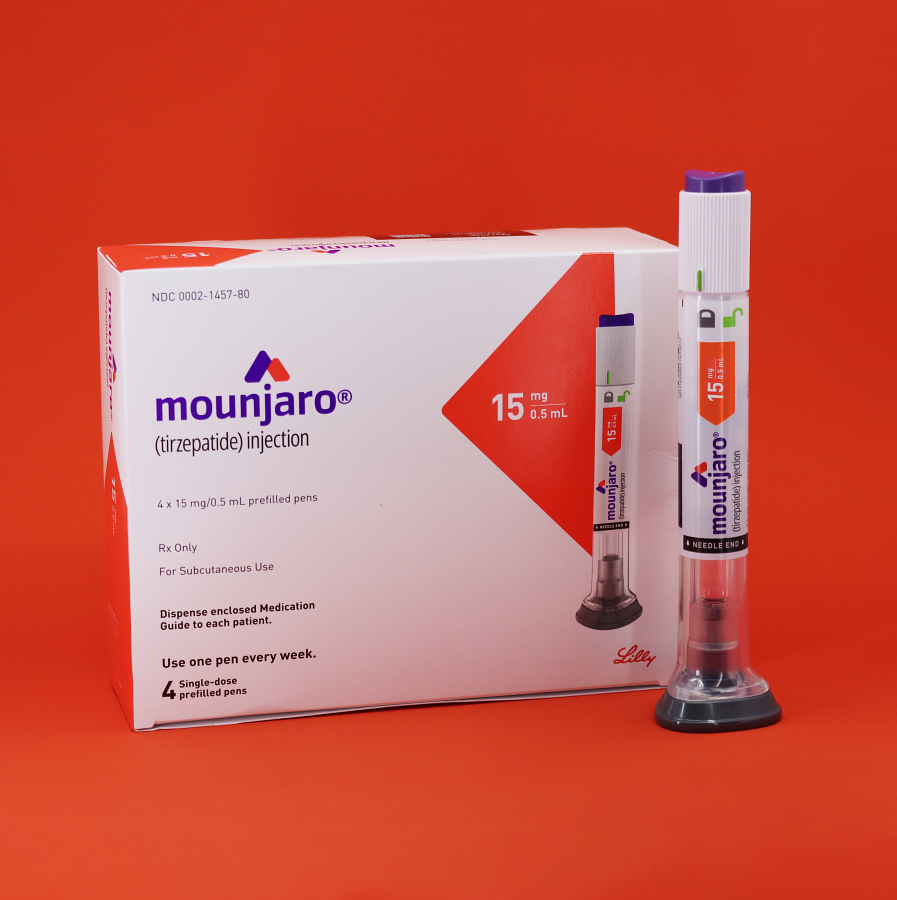
Mounjaro®
From $1199.99
The same once-weekly dual-action (GIP/GLP-1) drug as Zepbound, but branded for Type 2 Diabetes.
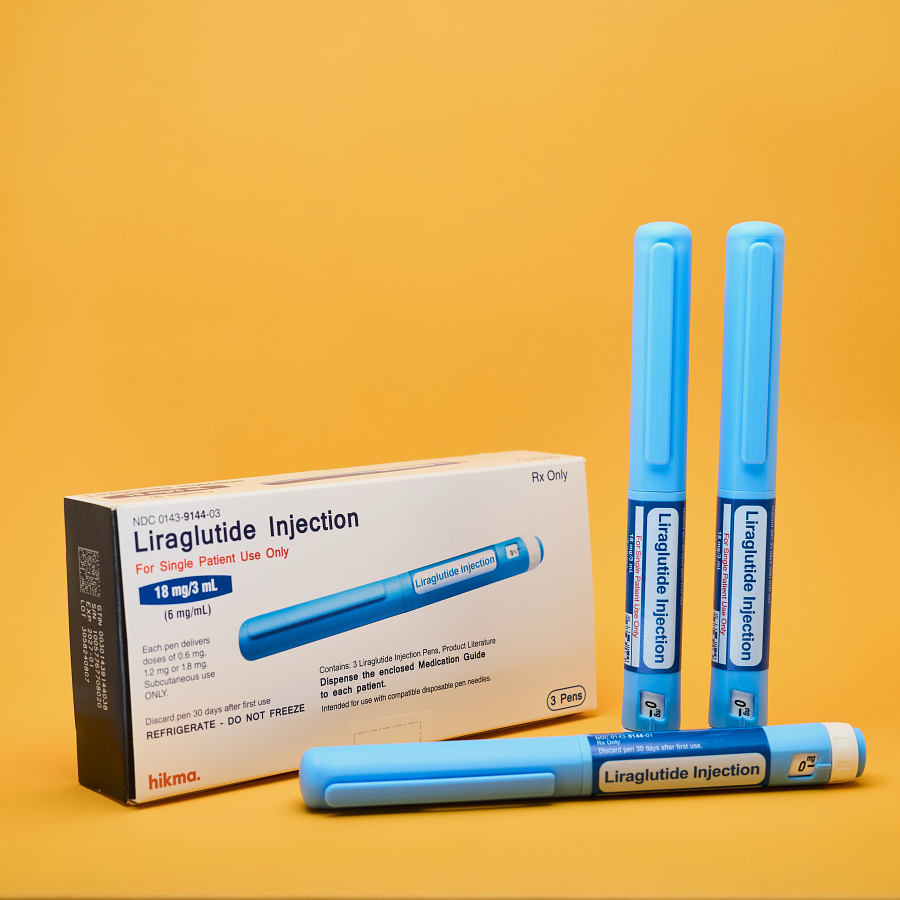
Liraglutide Injection Prefilled Pens
From $299.99
A once-daily single-action (GLP-1) injection approved for Chronic Weight Management.
We Have Wegovy in Stock. Get Yours Today!
Important: Information on this page is for educational purposes only. Prescribing decisions are made by independent, licensed providers. TelyRx operates technology-enabled pharmacies and a telehealth platform that connects patients with board-certified licensed providers. Prescriptions, when provider-approved and issued, are filled and shipped by TelyRx-affiliated pharmacies. We do not employ physicians or make prescribing decisions. Learn more about our editorial standards here.