How It Works
Lisinopril works to alleviate pressure in your cardiovascular system and help blood flow more freely through your arteries. This can lower blood pressure, and also aid with recovery for people with heart failure.
As blood pressure decreases, your body produces the angiotensin 1 protein, and the Angiotensin-Converting Enzyme (ACE) in your kidneys and lungs converts angiotensin 1 into angiotensin 2. This conversion can cause blood pressure to increase by constricting blood vessels and trigger the release of aldosterone, a hormone that causes your body to retain a high concentration of sodium and water.
As an ACE inhibitor, lisinopril blocks ACE and prevents angiotensin 1 from being converted into angiotensin 2. By widening your blood vessels and reducing your sodium and water retention, lisinopril can lower your blood pressure and prevent excess strain on your heart.
| Quick Facts | |
|---|---|
| Common Brands | Zestril, Prinivil, Qbrelis |
| Drug Class | Angiotensin-Converting Enzyme (ACE) Inhibitor |
| Generic Status | Generic for Zestril |
| Availability | Prescription only |
Dosing
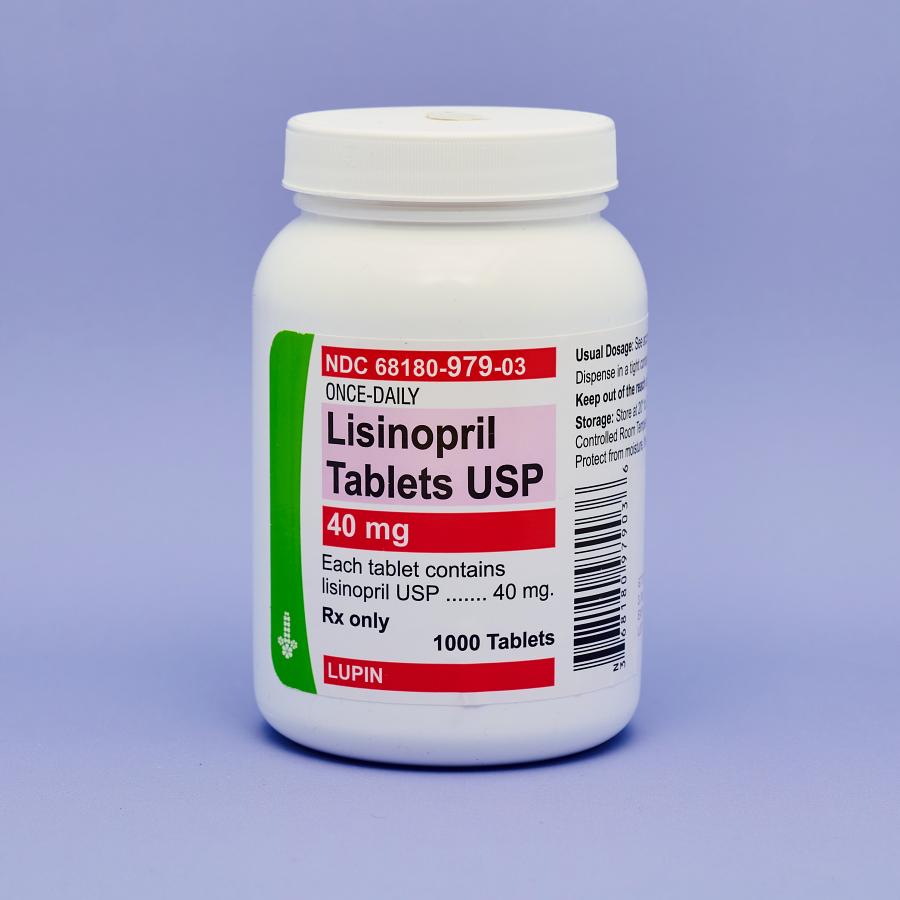
Lisinopril is a prescription-only ACE inhibitor that typically comes in the form of an oral tablet. Prescriptions usually call for one dose per day, though dosage depends on the type of condition being treated and the patient’s age.
- Beginning dose: A low dose of 5 to 10 milligrams (mg) is usually prescribed for adults with hypertension or heart failure who are using the drug for the first time.
- Titration: In many cases, lisinopril doses are titrated, or gradually increased periodically until it matches the patient’s blood pressure response and tolerance to medication. The maximum dose is 40 mg per day.
- Post-heart attack: For people who have had a heart attack, the titration process may be sped up to ensure a healthy recovery. Increased dosage and its effects on the patient are closely monitored during this time.
Note: Dosing information is educational only. Your prescribing physician will determine your specific dose based on your individual health needs. Always follow your healthcare provider’s instructions for exact dosing.
Uses
FDA-Approved Uses
Lisinopril is FDA-approved to treat hypertension, heart failure, and post-myocardial infarction (heart attack). For patients with hypertension, lisinopril may be used as standalone medication or as part of a combined regimen that also includes diuretics and other types of anti-hypertensive drugs.
Off-Label Uses
You may see Lisinopril prescribed for uses that are not “FDA-approved.” This is a very common and legal practice called “off-label” prescribing, where a doctor uses their clinical judgment to prescribe a drug for a different (but well-researched) purpose.
- Diabetic nephropathy: Like other ACE inhibitors, lisinopril can relieve pressure on the glomeruli, natural filters found in the kidneys. As a result, lisinopril may be used to slow kidney damage for people with diabetes regardless of whether or not they have high blood pressure.
- Proteinuria: When the kidneys are stressed or damaged, protein may leak into the urine – a process known as proteinuria. Lisinopril can help reduce this leakage.
Get Savings Updates for Lisinopril
Join our mailing list for exclusive deals and more.
Side Effects
As with any new medication, Lisinopril may cause side effects for first-time users. Most of these side effects have mild to moderate symptoms, and are often temporary.
Common Side Effects
- Persistent dry cough
- Dizziness or lightheadedness in response to lower blood pressure
- Mild to moderate headache
- Hypotension, or low blood pressure
Serious Side Effects
Serious side effects are rare, but it’s important to know what to look for if they do occur. Since lisinopril has a major effect on your body, particularly the vascular system, serious side effects can occur. These include:
- Angioedema: Angioedema is a severe allergic reaction that may occur at any point during lisinopril therapy. Side effects include swelling of the face, lips, tongue, and throat, which can block the airway and cause difficulty when swallowing.
- Kidney injury: Lisinopril can cause or exacerbate kidney injuries in people with certain medical conditions, such as severe heart failure or kidney-related arterial constriction. Symptoms include decreased urination and swelling of the hands and feet.
- Elevated potassium levels: Lisinopril may increase the level of potassium in your blood, which can lead to irregular heart rhythm if these levels are too high. Muscle weakness and abnormal heartbeat are the primary symptoms of excessive potassium levels.
- Liver injury: Although rare, taking lisinopril can cause liver damage. Symptoms include jaundice (yellowing of the skin and eyes), darkened urine, and sudden and severe abdominal pain.
- Fetal toxicity: Due to the risk of fetal injury and death, it is not advised for pregnant patients to take lisinopril during pregnancy.
Call your doctor immediately if you experience any concerning or prolonged symptoms.
Pharmacist Tips
Find the right hydration balance
Proper hydration is essential for effective lisinopril treatment, but too much water can cause your blood pressure to become excessively low. It is advised to work in conjunction with your doctor to create a daily hydration regimen.
Call your doc if cough persists
A dry, non-productive cough is one of the most common side effects of taking lisinopril. Nonetheless, a persistent cough may warrant a change in medication. Many people who cough due to taking lisinopril are prescribed an Angiotensin II Receptor Blocker (ARB) medication instead.
Plan for routine monitoring
Doctors carefully monitor people who take lisinopril to ensure their bodies are responding well to the medication. Follow-up tests check for blood potassium and creatine levels, which are important to your kidney health, so it is advised to keep all of these appointments.
Drug Interactions
Lisinopril interacts with various types of other medication. Most of these interactions have a bearing on your body’s potassium levels and kidney function. Known lisinopril interactions include:
- Potassium supplements: Potassium supplements, along with salt substitutes, should only be taken with lisinopril under strict medical guidance and monitoring. Lisinopril already increases potassium levels, so taking these supplements and substitutes can lead to hyperkalemia , or an excessively high level of potassium in your bloodstream.
- Non-steroidal anti-inflammatory drugs (NSAIDs): These drugs, which include ibuprofen and naproxen, can increase the risk of kidney damage when taken with lisinopril. Talk to your doctor about NSAID alternatives if you take lisinopril and need anti-inflammatory medication.
- Angiotensin II receptor blockers (ARBs) and Renin Inhibitors: It is not recommended to take lisinopril at the same time as ARBs, renin inhibitors, and other RAAS-acting medications. Side effects of doing so can include kidney injury, hypotension, and hyperkalemia.
- Entresto: Sacubitril/Valsartan, or Entresto, is a combination drug used to treat heart failure. It is not advised to take Entresto within 36 hours of taking lisinopril, as this significantly increases the risk of an angioedema allergic reaction.
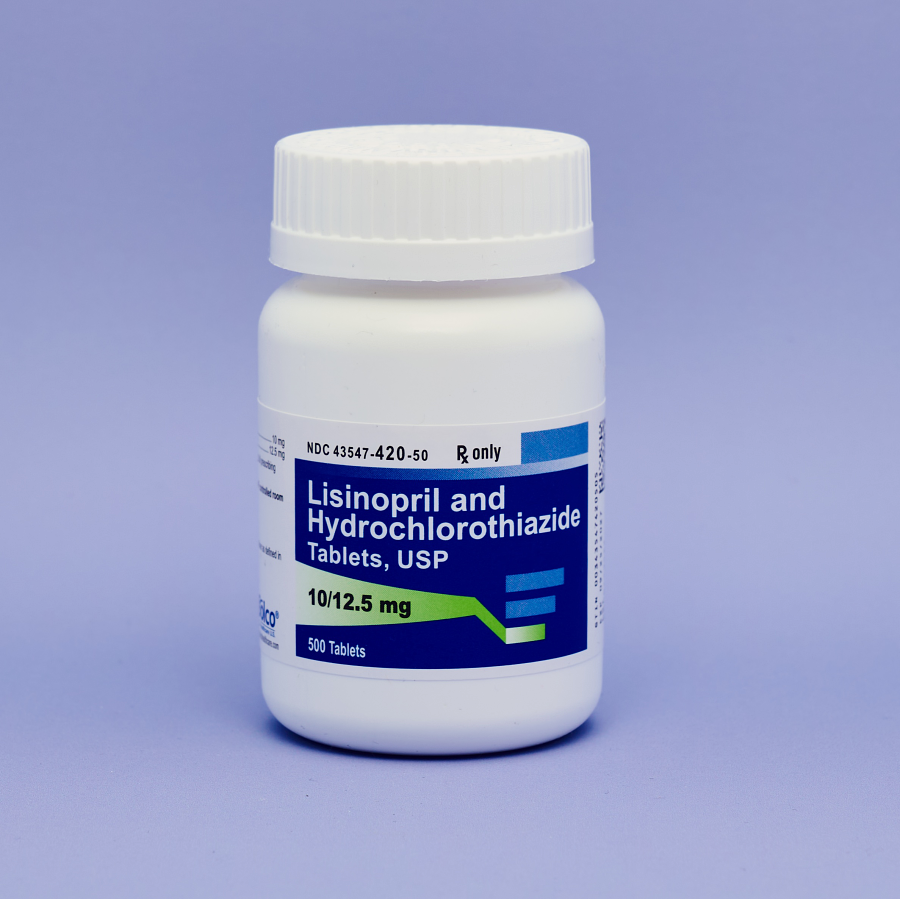
- Diuretics: Diuretics, or water pills, are taken to reduce the amount of salt and water in your body, reducing blood pressure in the process. Taking diuretics and lisinopril simultaneously can increase the risk of low blood pressure and kidney problems.
FAQs
What are the side effects of lisinopril?
Common side effects of taking lisinopril include a persistent dry and non-productive cough, dizziness or lightheadedness, a mild to moderate headache, and hypotension (low blood pressure). More serious side effects can include severe allergic reaction, kidney and liver damage, and high potassium levels in the bloodstream.
Why can lisinopril cause a persistent cough?
Lisinopril causes a persistent cough by inhibiting Angiotensin-Converting Enzyme (ACE) activity. ACE not only converts angiotensin I protein to angiotensin II protein, but also breaks down a substance called bradykinin that builds up in the lungs and causes irritation. Reduced ACE function potentially means a greater buildup of bradykinin in the lungs and elevated risk of a persistent dry and non-productive cough.
Which foods should I avoid while taking lisinopril?
There are no serious food indications associated with lisinopril, but it is recommended to avoid foods with high potassium or sodium content.
Can I use salt substitutes while on lisinopril?
No, it is not recommended to use substitutes while taking lisinopril. Salt substitutes are rich in potassium chloride, so taking in tandem with lisinopril can cause excessively high potassium levels.
What is the best time of day to take lisinopril?
Based on the latest medical research, you can take lisinopril any time of day you wish. Consistently taking the drug each day is more crucial to your long-term treatment than timing your doses. Most people do not need to take their dose with food, so there’s no need to plan on taking lisinopril around mealtimes.
Is it safe to drink alcohol while taking lisinopril?
With drinking alcohol, it is recommended to proceed with caution if you’re also taking lisinopril. Alcoholic beverages can lower blood pressure and cause dizziness, so lisinopril can compound these side effects. Talk to your doctor about your daily alcohol consumption to see if lisinopril is right for you.
How long does it take for lisinopril to lower blood pressure?
Most people who take lisinopril notice a drop in blood pressure within 1 to 6 hours after their first dose. However, it can take up to 4 weeks for the medication to fully lower and stabilize your blood pressure levels.
What happens if I stop taking lisinopril suddenly?
If you stop taking lisinopril suddenly, you may experience a sudden and severe increase in blood pressure. This is especially true if you’re taking lisinopril to treat hypertension or heart failure. It is not advised to stop taking lisinopril without permission from your doctor.
Can lisinopril affect my kidney function?
Yes, lisinopril can affect your kidney function. The medication is designed to improve kidney function, especially for people with diabetes, but it can also cause acute kidney injury. By monitoring your creatine levels during treatment, your doctor can determine if the lisinopril is negatively affecting your kidney function.
What is the difference between lisinopril and losartan?
Lisinopril is an ACE inhibitor, so it blocks the conversion of angiotensin I to angiotensin II proteins. Losartan is an ARB, which blocks angiotensin II activity. Both medications essentially achieve the same end through different means, though losartan is less likely than lisinopril to cause a persistent dry and non-productive cough.
Does lisinopril cause weight gain?
Lisinopril is not associated with excessive weight gain. If you gain weight while taking lisinopril, this may be due to edema, or fluid retention, related to heart failure. Talk to your doctor about the next steps.
Can lisinopril cause hair loss?
Hair loss is not a common side effect of taking lisinopril. That said, each medication can have different side effects for different people. Talk to your doctor if you notice hair loss while taking lisinopril.
What should I do if I miss a dose of lisinopril?
If you miss your daily lisinopril dose, don’t panic – it is advised to simply take the dose as soon as you remember. If more than a day has elapsed, it is recommended skip the missed dose and resume your daily regimen. It is not advised to “double-dose,” or take two doses at once to make up for the missed dose.
Can lisinopril cause erectile dysfunction?
Erectile dysfunction is not a common side effect of taking lisinopril. In fact, by increasing blood flow, the drug can improve circulation and overall vascular health.
Comparable Medications
Spironolactone
From $24.99
Spironolactone is a potassium-sparing diuretic that blocks activity of aldosterone, a hormone that increases your body's salt and water retention. It is primarily used to treat hypertension and heart failure, as well as medical conditions that cause an excess of aldosterone.
Losartan/Hydrochlorothiazide Tablets
From $27.99
Also known as thiazide diuretic, hydrochlorothiazide (HCTZ) is intended to minimize how much sodium and chloride are reabsorbed into the kidneys. It may be used alone, or as part of a multi-drug regimen. Unlike lisinopril, which can elevate potassium levels, HCTZ can lower potassium, as well as increase urination and sensitivity to sunlight.
We Have Lisinopril in Stock. Get Yours Today!
Important: Information on this page is for educational purposes only. Prescribing decisions are made by independent, licensed providers. TelyRx operates technology-enabled pharmacies and a telehealth platform that connects patients with board-certified licensed providers. Prescriptions, when provider-approved and issued, are filled and shipped by TelyRx-affiliated pharmacies. We do not employ physicians or make prescribing decisions. Learn more about our editorial standards here.