How It Works
Amoxicillin works as a bactericide by killing bacteria, rather than merely inhibiting their growth and survival. It attacks the enzymes that build and maintain cellular structure for bacteria, breaking down the cell walls that lead to rupture and destruction of the cell.
This selective targeting based on cellular structure allows amoxicillin to kill invading bacteria without harming healthy human cells, which lack a cell wall.
| Quick Facts | |
|---|---|
| Common Brands | Amoxil, Larotid, Moxilin, Sumox, Trimox |
| Drug Class | Penicillin antibiotic (aminopenicillin) |
| Generic Status | Generic version available |
| Availability | Prescription only |
Dosing
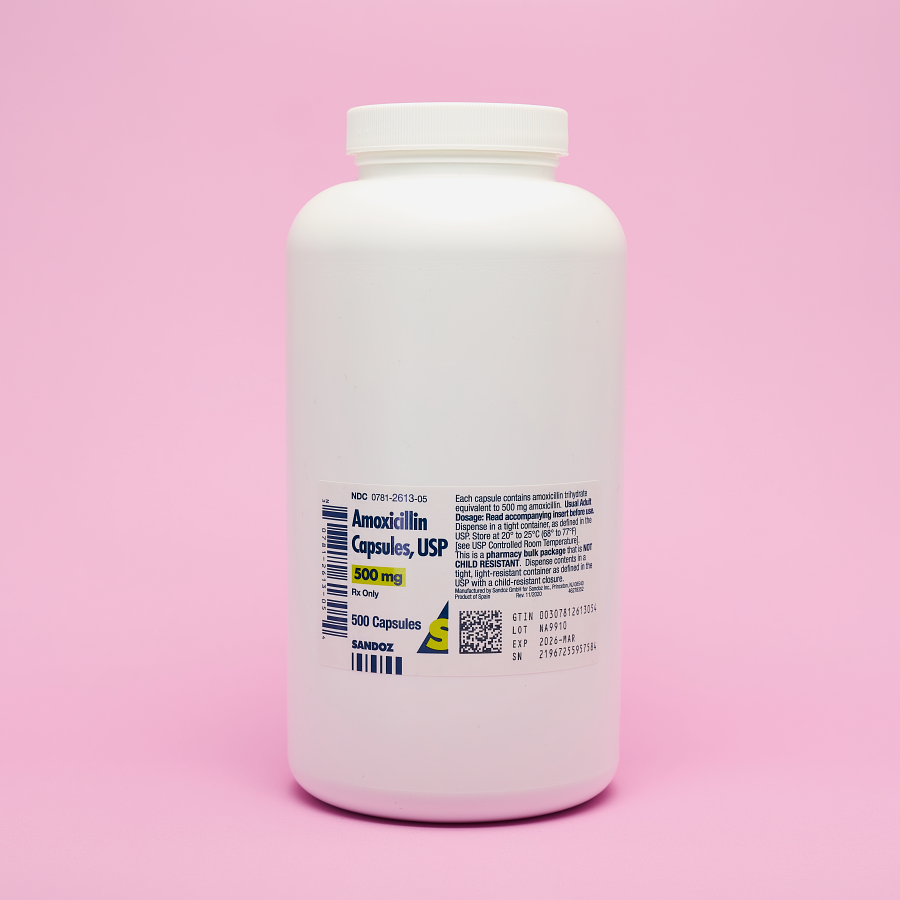
Amoxicillin is available as an oral tablet, oral capsule, or liquid suspension. Capsules and tablets can be swallowed whole, while the liquid should be measured out to ensure the correct dose.
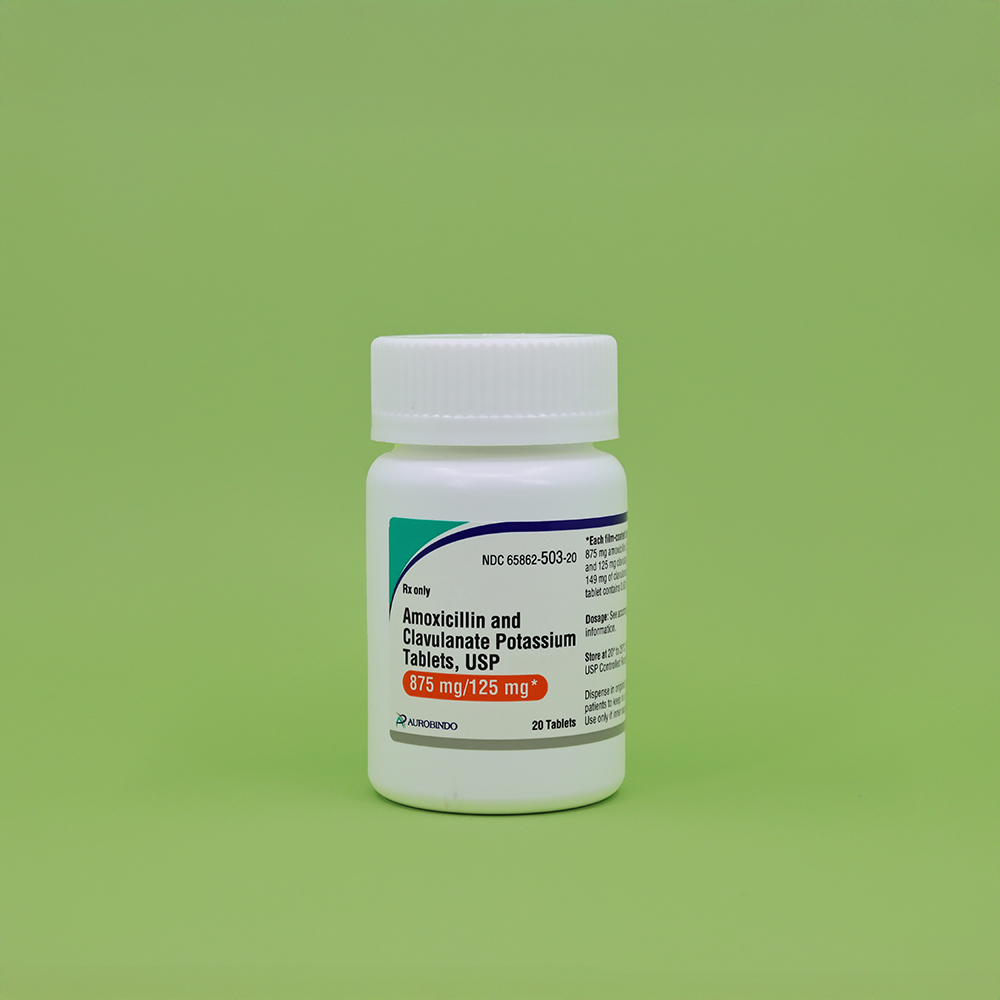
Specific doses are calculated based on age, body weight, and severity of symptoms. Standard amoxicillin doses for adults typically falls in the range of 500 mg every 8 to 12 hours or 875 mg every 12 hours depending on the condition being treated and the severity of symptoms present.
Note: Dosing information is educational only. Your prescribing physician will determine your specific dose based on your individual health needs. Always follow your healthcare provider’s instructions for exact dosing.
Uses
FDA-Approved Uses
Amoxicillin is FDA-approved to treat a wide range of bacterial infections, including:
Off-Label Uses
You may see amoxicillin prescribed for uses that are not “FDA-approved.” This is a common and legal practice called “off-label” prescribing, where a doctor uses their clinical judgment to prescribe a drug for a different (but well-researched) purpose.
Common off-label uses for amoxicillin found in clinical practice and research include:
- Lyme Disease: Amoxicillin may be used in specific regimens to treat early-stage Lyme disease. This is especially common for patients like pregnant women or young children who are unable to take other first-line drugs due to their contraindications.
- Anthrax: Amoxicillin can be used as either a post-exposure prophylaxis or part of a regimen to treat inhalational anthrax.
- Tuberculosis (TB): Amoxicillin may be used as part of a regimen with other medications to treat certain drug-resistant strains of tuberculosis.
Get Savings Updates for Amoxicillin
Join our mailing list for exclusive deals and more.
Side Effects
The most common amoxicillin side effects are mild and temporary. These side effects typically resolve as the patient gets used to taking the medication and finishes their prescribed course.
Common Side Effects
- Nausea, vomiting, diarrhea, and other types of gastrointestinal distress
- Non-itchy red rash
- A metallic or unusual taste
- Headache
- Yeast overgrowth leading to higher risk of yeast infection
Serious Side Effects
Serious side effects are rare, but it’s important to know what to look for if they do occur.
- Allergic reaction: People who are allergic to penicillin and other allergens present in amoxicillin may experience a serious allergic reaction. This may entail anaphylaxis, a sudden and life-threatening allergic reaction, or Drug Reaction with Eosinophilia and Systemic Symptoms (DRESS), which is more delayed but can be fatal. Allergic reaction symptoms include itchy skin, hives, rapid heart rate, fever, and swelling of the face, lips, tongue, or throat.
- Severe skin reaction: While very rare, amoxicillin can cause deadly skin conditions such as Stevens-Johnson Syndrome (SJS), Toxic Epidermal Necrolysis (TEN), and Acute Generalized Exanthematous Pustulosis (AGEP). Symptoms of these conditions include a painful rash, blisters, peeling skin, and reddening around the eyes, mouth, or genitals.
- Antibiotic-associated diarrhea: Amoxicillin and other antibiotics can disrupt gut bacteria and cause an infection characterized by severe, watery, or bloody diarrhea along with a fever and rapid heart rate. This can occur during treatment up to 2 months after the patient has completed their antibiotic course.
- Drug-Induced Enterocolitis Syndrome (DIES): DIES is a rare but severe reaction to taking certain medications, often characterized by vomiting and diarrhea. It usually occurs within a few hours of the patient taking their daily dose.
Call your doctor immediately if you experience any concerning or prolonged symptoms.
Pharmacist Tips
Finish the Full Course
As with any antibiotic, it is advised to complete your full amoxicillin course – even if you start to feel better before the course is finished. Stronger bacteria often survive the first wave of amoxicillin attacks, so stopping the course early can ensure these bacteria are destroyed and not allowed to multiply or become resistant to the drug.
Take With Food as Needed
It is not required to take amoxicillin with food, but some people experience discomfort if they take it on an empty stomach. If you notice an upset stomach, it is advised to plan to take your amoxicillin with a small meal or snack.
Consider Cutting Down on Alcohol
Providers typically advise against drinking alcohol while taking antibiotics to treat an infection. Alcohol consumption can depress the immune system, delaying recovery. Furthermore, alcohol can worsen nausea, vomiting, diarrhea, and other common side effects of amoxicillin.
Tell Your Provider About Pre-Existing Conditions
The risk of developing a severe rash from taking amoxicillin is very high if you have mononucleosis, also known as “mono” or the “kissing disease.” Other pre-existing conditions to discuss with your doctor include kidney problems and a history of adverse reactions to taking antibiotics.
Take Probiotics as Directed
Many providers recommend probiotic supplements when you take amoxicillin to restore gut bacteria that gets wiped out during antibiotic therapy. Your doctor can determine whether you should take probiotics with amoxicillin and provide specific recommendations for which type of probiotic to use.
Check Birth Control
Before taking amoxicillin, talk to your doctor if you use hormonal birth control. Some studies suggest amoxicillin can decrease the effectiveness of oral contraceptives, so barrier methods might be necessary during treatment to avoid pregnancy.
Drug Interactions
Amoxicillin may interact with several other drugs by altering their metabolism, increasing the risk of side effects, or decreasing their efficacy. These include:
- Allopurinol: Taking amoxicillin concurrently with allopurinol, a common medication for treating gout, increases the risk of developing a skin rash.
- Probenecid: Another medication commonly used in gout treatment, probenecid may hinder the removal of amoxicillin from the body. This can potentially lead to higher and more sustained concentrations of amoxicillin in the bloodstream.
- Blood Thinners: Amoxicillin can enhance the effect of blood thinners like warfarin and potentially increase risk of bleeding. If taken together, providers usually recommend close monitoring to record clotting times.
- Tetracycline and Macrolide Antibiotics: Antibiotics like tetracycline, doxycycline, and erythromycin are bacteriostatics, meaning they disrupt bacterial growth rather than killing them outright. As such, they can interfere with amoxicillin’s bactericidal mechanisms and reduce amoxicillin’s overall effectiveness.
- Hormone-Based Birth Control: Amoxicillin may compromise the effectiveness of hormone-based birth control methods, including those that contain estrogen or progestin. Many providers recommend backup contraception during an amoxicillin course.
FAQs
What kind of infections is amoxicillin good for?
Amoxicillin is a broad-spectrum antibiotic used to effectively treat a wide range of common bacterial infections. These include upper and lower respiratory tract infections like strep throat and pneumonia, ear infections, skin infections, and urinary tract infections. Amoxicillin is also commonly used to treat H. pylori infections that cause stomach ulcers.
Can amoxicillin cause a sore throat?
While amoxicillin is commonly used to treat sore throats brought on by bacterial infection, it can also cause a sore throat. However, this is not a direct side effect of taking the medication. Sore throat could be an early symptom of a severe allergic reaction or an underlying medical condition not related to the amoxicillin treatment.
What should you avoid while taking amoxicillin?
It is advised to avoid alcohol throughout your amoxicillin course. You should also avoid taking the medication if you have a known penicillin allergy or mononucleosis.
How quickly does amoxicillin work?
Amoxicillin begins working very quickly once you begin your antibiotic course. Most patients begin to see their symptoms improve within 3 days of beginning their treatment. You should contact your doctor if you do not notice improvement after 3 days, as this may indicate your infection either is not bacterial or is resistant to amoxicillin.
What helps antibiotics work better?
The best way to ensure your amoxicillin treatment is effective is to take every dose for the entire antibiotic schedule. Proper rest and hydration helps support your immune system, and your doctor may recommend taking a probiotic supplement to maintain gut health for the duration of the amoxicillin course.
Does amoxicillin cause rashes?
Yes, a rash is a common side effect of taking amoxicillin. A flat, red, and non-itchy rash is a common side effect of taking the drug. However, more serious symptoms such as itchy skin, hives, swelling, or blisters may indicate a severe allergic reaction like anaphylaxis or DRESS. If you notice severe symptoms, contact your doctor immediately.
Can you drink alcohol with amoxicillin?
It is generally advised not to drink alcohol while taking amoxicillin. Alcohol can slow down your immune response and make it harder for your body to fight an infection. It can also worsen gastrointestinal side effects of amoxicillin, such as nausea, vomiting, and diarrhea.
Does amoxicillin make you tired?
Tiredness or fatigue is not a common side effect of taking amoxicillin, but it may be a symptom of the bacterial infection your body is fighting. Extreme weakness or fatigue, especially when accompanied by vomiting and bloody diarrhea, may indicate a more severe condition such as DIES or a C. diff infection. You should seek immediate medical attention if you experience these more severe symptoms during your amoxicillin course.
Does amoxicillin expire?
Yes, amoxicillin capsules and tablets have a standard expiration date that should be printed clearly on the packaging. The liquid suspension, once mixed by the pharmacist, has a much shorter shelf life and must be discarded after 14 days – even if there is liquid remaining.
What happens if you miss a dose of amoxicillin?
Missing a dose can compromise the success of your treatment and potentially increase the risk of the bacteria developing resistance. If you forget to take a dose, it is advised to take it as soon as you remember unless it is almost time for your next dose, in which case you’d skip the missed dose altogether and resume your regular schedule. It is never advised to take two doses at the same time.
Is amoxicillin the same as penicillin?
Amoxicillin is not technically the same as penicillin, but they are closely related. Amoxicillin is an antibiotic that belongs to the penicillin drug class, and is considered an advanced, broad-spectrum form of penicillin. It treats a wider range of infections than narrow-spectrum Penicillin V and, when taken orally, has better absorption.
Can amoxicillin cause a yeast infection?
Yes, amoxicillin kills bacteria indiscriminately. This means good, protective bacteria that maintain a healthy body may get caught in the crossfire. Eliminating good bacteria can lead to overgrowth of yeast and result in an oral thrush or vaginal yeast infection.
Comparable Medications
Cephalexin Capsules
From $32.99
Cephalexin is primarily used to treat infections in the skin and soft tissue, respiratory tract, urinary tract, ears, and bones.
Doxycycline Hyclate
From $28.99
Doxycycline inhibits bacterial growth, rather than killing bacteria outright. The course length for doxycycline depends on the infection being treated.
Augmentin
Augmentin is a very broad-spectrum antibiotic used to treat infections caused by amoxicillin-resistant bacteria.
Penicillin
Penicillin is a narrow-spectrum antibiotic primarily used to treat infections from Gram-positive bacteria.
We Have Amoxicillin in Stock. Get Yours Today!
Important: Information on this page is for educational purposes only. Prescribing decisions are made by independent, licensed providers. TelyRx operates technology-enabled pharmacies and a telehealth platform that connects patients with board-certified licensed providers. Prescriptions, when provider-approved and issued, are filled and shipped by TelyRx-affiliated pharmacies. We do not employ physicians or make prescribing decisions. Learn more about our editorial standards here.