How It Works
Metformin manages glucose levels using three distinct processes, each of which is centered in different areas of the body.
- Gluconeogenesis: Although the liver is responsible for healthy glucose levels, which affect mood and energy, type 2 diabetes can lead to glucose overproduction and extra sugar in the blood. Metformin minimizes the production of sugar that isn’t needed in order to maintain healthy glucose levels.
- Intestinal absorption: Metformin slows your intestine’s rate of glucose absorption after you eat, which can help prevent post-meal blood sugar spikes.
- Insulin sensitivity: Metformin increases insulin sensitivity of muscles and other peripheral tissues. This essentially allows your body to take glucose from the blood and use it to produce energy.
| Quick Facts | |
|---|---|
| Common Brands | Glumetza, Fortamet, Riomet, Glucophage |
| Drug Class | Biguanide |
| Generic Status | Generic version of Glucophage |
| Availability | Prescription only |
Dosing
Metformin is associated with side effects that cause digestive discomfort, so most doctors start patients on a lower dose and gradually increase their dosage over time.
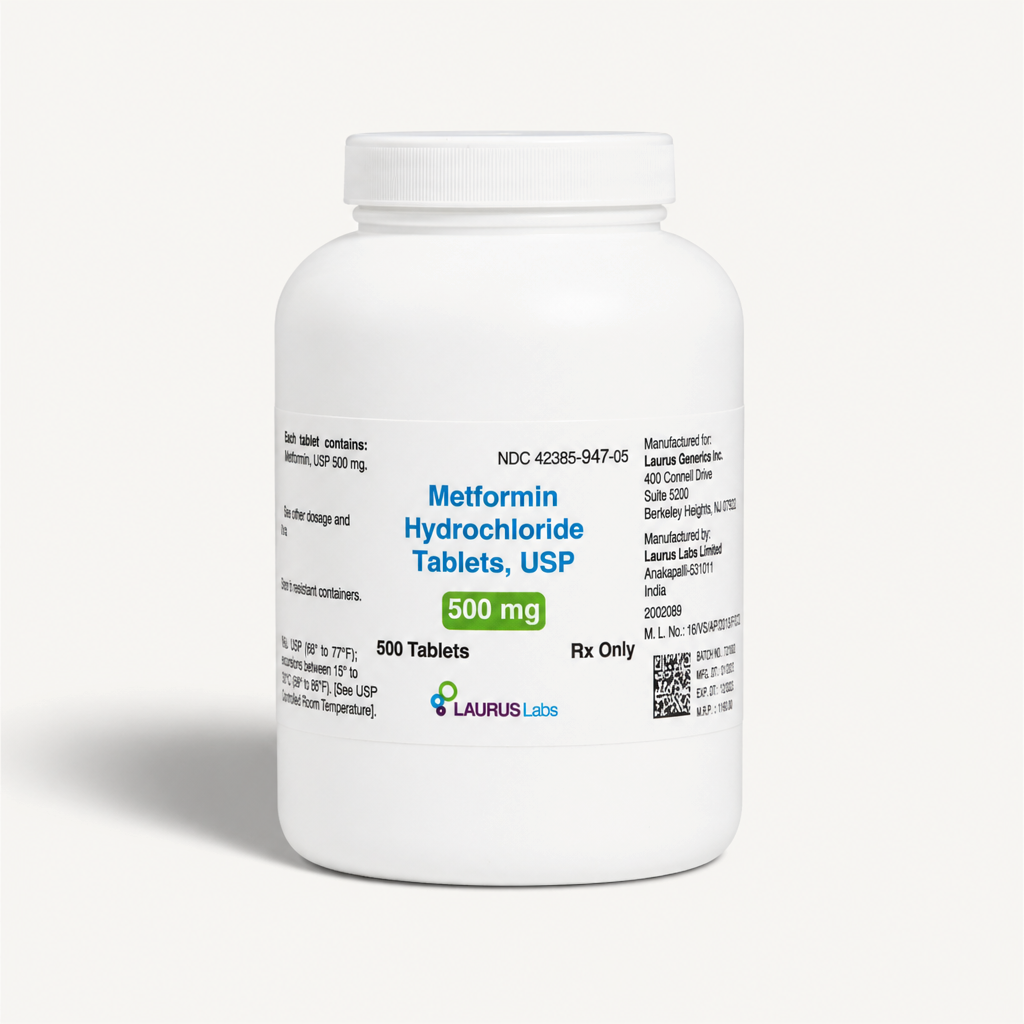
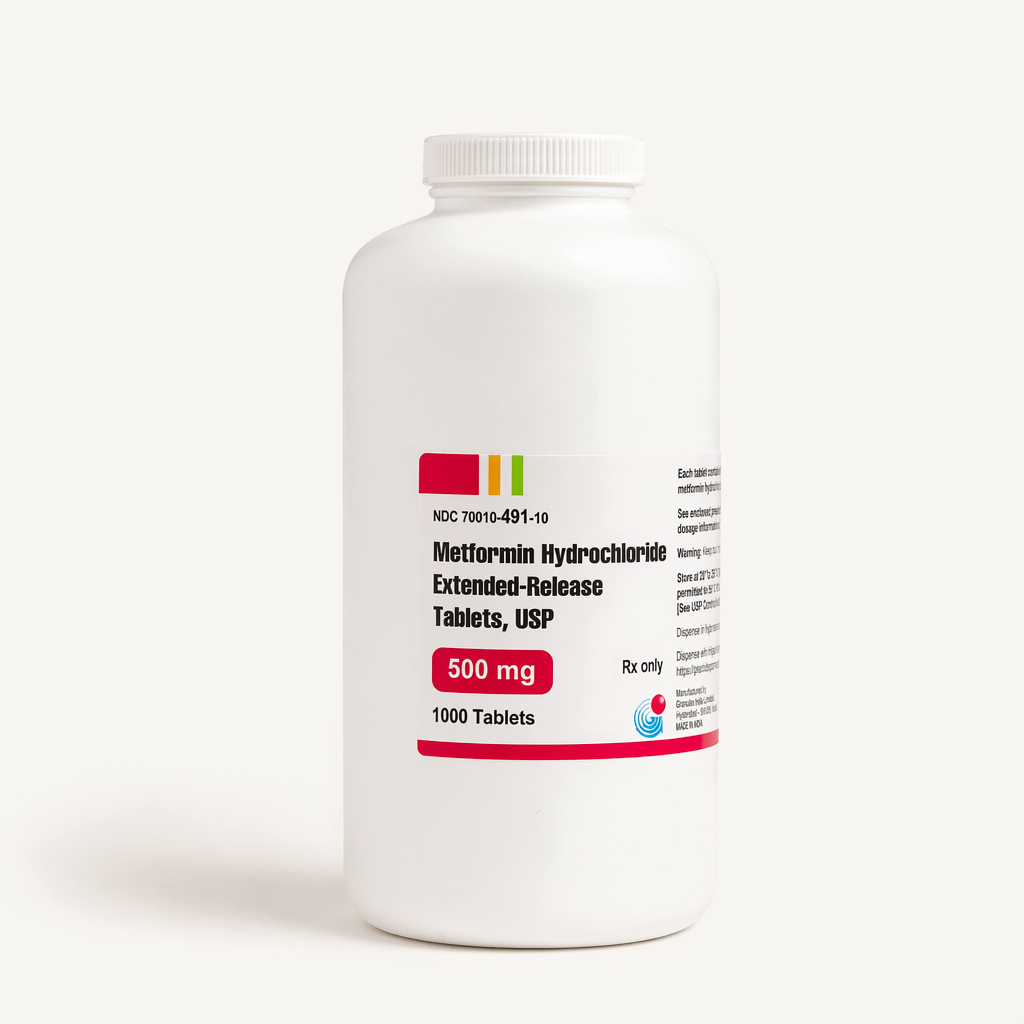
- Initial dose: Most adults begin their Metformin treatment with a single 850-mg dose or two 500-mg doses per day. Extended-release oral tablets, also known as metformin ER, are taken once per day and slowly release the medication over the course of the day. Immediate-release tablets, or metformin HCL, are taken twice daily and release the medication more quickly.
- Titration: Depending on how a patient’s blood sugar levels respond to metformin, their doctor may elect to titrate – or increase the dose – weekly or bi-weekly.
- Maximum dose: The generally accepted maximum dose of metformin is 2,000 mg per day and taken in the form of a single, extended-release tablet or split into two immediate-release oral tablets taken throughout the day.
Note: Dosing information is educational only. Your prescribing physician will determine your specific dose based on your individual health needs. Always follow your healthcare provider’s instructions for exact dosing.
Uses
FDA-Approved Uses
Metformin is FDA-approved to improve glycemic control in adults with type 2 diabetes. This medication works in conjunction with a healthy diet and exercise.
Off-Label Uses
You may see Metformin prescribed for uses that are not “FDA-approved.” This is a common and legal practice called “off-label” prescribing, where a doctor uses their clinical judgment to prescribe a drug for a different (but well-researched) purpose.
Common off-label uses for metformin found in clinical practice and research include:
- Polycystic Ovary Syndrome (PCOS): Metformin can be used to improve and manage insulin resistance for people with PCOS, which in turn can regulate their menstrual cycles and boost fertility.
- Gestational diabetes: Doctors may recommend metformin to pregnant people with gestational diabetes if insulin is not a viable option.
- Weight management: Metformin is not considered a primary weight loss drug, but doctors may prescribe it for people who gain weight due to other medications they’re taking.
- Prediabetes: Metformin can prevent or delay the onset of type 2 diabetes in people who are prediabetic.
Side Effects
The side effects of metformin are mostly related to digestive issues and discomfort. These issues typically resolve within a few weeks after the patient’s body has adapted to the new daily medication.
Common Side Effects
- Diarrhea
- Nausea and vomiting
- Gas and bloating
- Metallic taste
- Headache
- Feelings of weakness and tiredness
Serious Side Effects
Serious side effects from taking metformin are fairly rare, but may include the following:
- Lactic Acidosis: An excessive buildup of lactic acid in the blood can be serious, even fatal. Symptoms include exhaustion, muscle pain, difficulty breathing, and chills.
- Vitamin B12 deficiency: Taking metformin long-term can disrupt or interfere with healthy production of vitamin B12. This can lead to medical conditions like peripheral neuropathy, or chronic numbness and tingling in the hands and feet, or anemia.
- Hypoglycemia: Taking metformin with insulin or sulfonylureas can lead to dangerously low blood sugar.
- Severe allergic reaction: As with many types of medication, a severe allergic reaction may occur after taking metformin. Hives, itchy skin, and swelling of the face, lips, tongue, and throat are some of the most common symptoms.
Call your doctor immediately if you experience any concerning or prolonged symptoms.
Pharmacist Tips
Follow a Daily Schedule
It is recommended to take your metformin dose at the same time every day. This helps your body maintain consistent levels at all times. For extended-release tablets, many people take their dose with their evening meal.
Always Take With Food
It is advised to always take your metformin with a meal or snack. This reduces the risk of diarrhea, gas, and other digestive issues.
Swallow The Pill Whole
Metformin tablets should not be crushed because this can diminish their effects, particularly for extended-release daily pills.
Stay Hydrated
Maintaining healthy hydration is key to feeling healthy and comfortable while taking metformin. This can help prevent or reduce diarrhea, and hydrating also helps ensure the kidneys can effectively flush the metformin out of your system.
Drug Interactions
Metformin can interact with drugs and other substances that affect kidney function and/or blood sugar levels.
- Cimetidine and ranolazine: Cimetidine, an acid reducer for people with GERD, and ranolazine, an antianginal drug for pain from heart disease, can both increase the levels of metformin in your blood and exacerbate side effects.
- Diuretics and steroids: Diuretics like hydrochlorothiazide, which is used to treat high blood pressure, and steroids like prednisone, which is used to reduce inflammation, can increase blood sugar and counteract the effects of metformin.
- Carbonic anhydrase inhibitors (CAIs): CAI medications like topiramate and zonisamide, which are used to control seizures for people with epilepsy, can increase the risk of developing lactic acidosis from taking metformin.
- Alcohol: It is not recommended to drink heavily while taking metformin, as alcohol consumption can affect your blood sugar levels and elevates your risk of lactic acidosis.
Always give your doctor and pharmacist a complete list of all your medications, vitamins, and supplements to check for potential interactions.
FAQs
Does metformin cause weight loss in people without diabetes?
Some people who take metformin may notice slight to moderate weight loss, and this is typically due to reduced appetite or gastrointestinal side effects. Metformin is not FDA-approved for weight loss, but a common off-label use for the drug in clinical practice is weight management for prediabetic people and those who gain weight due to other medications.
Why does metformin cause diarrhea and stomach issues?
It is believed metformin causes diarrhea and other stomach issues because the drug increases bile salt levels in the stomach, which in turn alters the makeup of your gut biome and causes diarrhea and gas. Using extended-release tablets instead of immediate-release may help stabilize and relieve these issues.
What is the difference between metformin HCL and metformin ER (Extended Release)?
Metformin HCL is an immediate-release drug that acts very quickly and is taken multiple times per day to manage glucose levels for diabetic people. Metformin ER is essentially the same drug with a higher dose, taken once per day and intended to slowly release medication into the body.
Is metformin safe to take if I have kidney disease?
People with kidney disease can usually take metformin as long as their condition has not severely compromised their kidney function. The kidneys are responsible for flushing metformin out of your system, so kidneys that don’t function properly can lead to metformin buildup. The general recommendation is to avoid metformin if your estimated glomerular filtration rate (eGFR) – a measure of how effectively your kidneys filter waste from the body – indicates severe kidney disease.
Does metformin help with PCOS (polycystic ovary syndrome)?
One of metformin’s most common off-label uses is treating polycystic ovary syndrome (PCOS). This disease is defined by your body’s resistance to insulin, which metformin can improve over time. Reduced insulin can also help balance hormone levels, regulate ovulation, and relieve minor symptoms like acne and excessive hair growth.
Can I drink alcohol while taking metformin?
It is recommended to moderate alcohol consumption while taking metformin. Heavy or “binge” drinking can significantly increase the risk of lactic acidosis.
What are the symptoms of lactic acidosis?
Common symptoms of lactic acidosis include stomach and muscle pain, difficulty breathing, feelings of tiredness or exhaustion, and an irregular heartbeat. Lactic acidosis is considered a medical emergency, so people taking metformin who experience these symptoms should contact their doctor immediately.
Should I take metformin before or after a meal?
It is recommended to take your metformin dose with a meal to reduce the risk of diarrhea and upset stomach. For people who take one extended-release tablet per day, aligning the dose with their evening meal tends to yield the best results.
Does long-term metformin use cause Vitamin B12 deficiency?
Yes, long-term metformin use can lead to vitamin B12 deficiency. It is recommended to check B12 levels on an annual basis or if you notice numbness, tingling, or anemia.
Is metformin used for anti-aging or longevity?
Although metformin is not FDA-approved for anti-aging or longevity, research suggests the medication could provide these benefits due to its effect on cellular metabolism and inflammation.
What foods should be avoided while taking metformin?
While taking metformin, it is advised to limit intake of foods with high sugar content and highly-processed carbohydrate foods. That said, no foods are strictly prohibited with metformin.
How long does it take for metformin to lower my A1C?
For many people, metformin begins lowering blood sugar levels after about a week of taking the medication, but patients may not notice the full effect until 2 to 3 months have elapsed.
Can metformin cause hair loss?
Hair loss is not a common side effect of taking metformin. If anything, the drug can actually minimize hair thinning that occurs due to elevated androgen levels. If you notice hair loss while taking metformin, it is advised to speak with your doctor – this may be due to other factors such as vitamin B12 deficiency or diabetes-related stress.
What should I do if I miss a dose of metformin?
If you miss a dose of metformin, take your medication the same day if you remember. Otherwise you can wait until the next day’s dose. It is not advised to “double dose” in order to make up for the missed dose.
Comparable Medications
Jardiance®
From $879.99
Empagliflozin, sold under the brand name Jardiance, is in the SGLT2 inhibitor drug class and helps the kidneys excrete excess sugar via urine. It does not work in the liver and muscles like metformin. Jardiance also carries a higher risk of urinary tract infection.
Januvia®
From $479.99
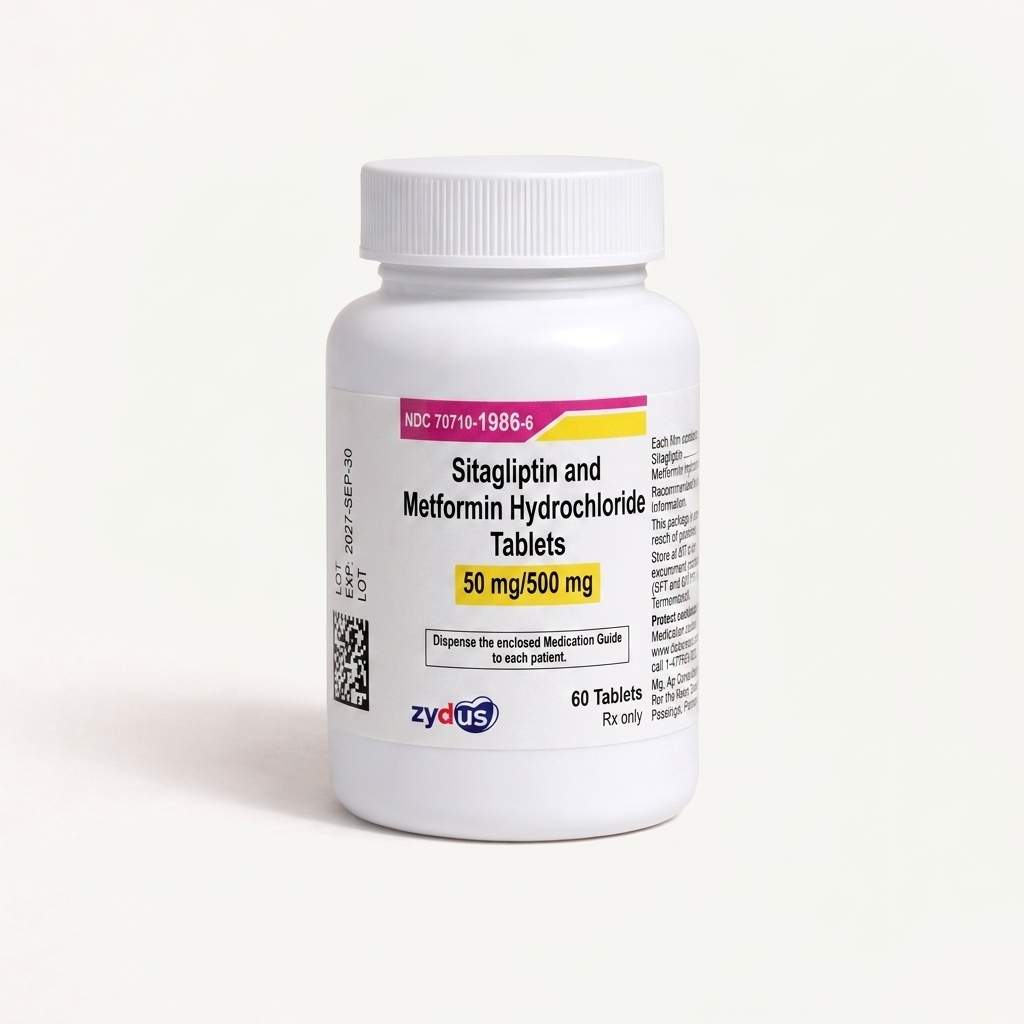
Sitagliptin, a DPP-4 inhibitor sold under the name Januvia, works to stop the breakdown of natural hormones in the body that release insulin after you consume a meal. Januvia is not as likely to cause an upset stomach or digestive discomfort, but it is also not considered as effective as metformin for stabilizing blood sugar levels.
Liraglutide Injection Prefilled Pens
From $299.99
Liraglutide is a GLP-1 receptor agonist injection solid under brand names like Victoza and Saxenda. Used in the management of type 2 diabetes as well as chronic weight management, liraglutide mimics natural gut hormones to slow digestion and curb appetite. Metformin and liraglutide are often prescribed together for people who need extra blood sugar control or weight management, but the latter may also be prescribed on its own.
We Have Metformin in Stock. Get Yours Today!
Important: Information on this page is for educational purposes only. Prescribing decisions are made by independent, licensed providers. TelyRx operates technology-enabled pharmacies and a telehealth platform that connects patients with licensed providers. Prescriptions, when provider-approved and issued, are filled and shipped by TelyRx-affiliated pharmacies. We do not employ physicians or make prescribing decisions. Learn more about our editorial standards here.