
The Wellness Collective

What to Know About Mounjaro (Tirzepatide)

Reviewed by Ashley Robinson, PharmD, Pharmacy Manager for TelyRx

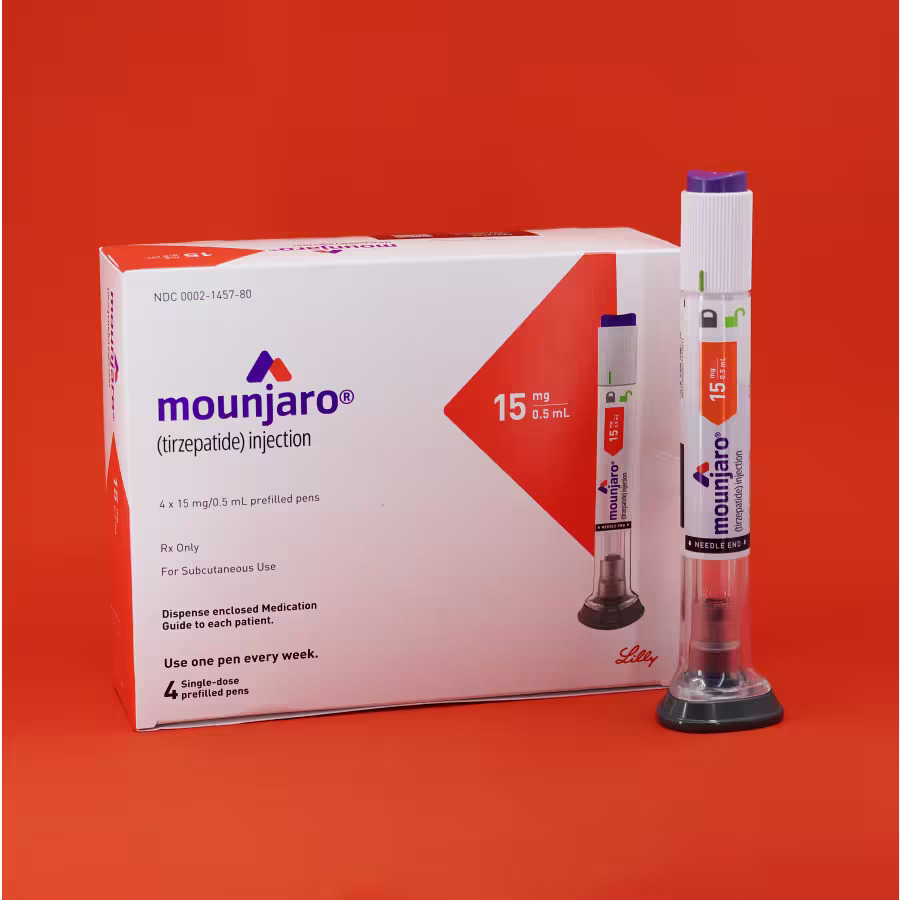
Mounjaro pens via TelyRx.

Table of Contents

Mounjaro (active ingredient: tirzepatide) is an injectable prescription medicine used to manage type 2 diabetes. It is used, along with diet and exercise, to improve blood sugar (glucose) control. It is a dual-action medication that mimics two essential gut hormones, making it effective at lowering blood sugar and A1C levels. 

While it is only FDA-approved for type 2 diabetes, it also has a strong effect on appetite and digestion. This leads to a common side effect of weight loss. Because of this, its active ingredient is also used in a different branded medication, Zepbound, specifically for weight management. 

Common side effects are primarily gastrointestinal, including nausea, diarrhea, decreased appetite, and constipation, especially when first starting the medication or with dose escalation. 

how does mounjaro work?

Mounjaro is the first and only medication in its class, known as a dual GIP and GLP-1 receptor agonist. 

It works by mimicking two natural hormones (incretins) that your gut releases when you eat: 

  • GLP-1 (glucagon-like peptide-1) – Helps the body release more insulin when blood sugar is high, slows down digestion, and signals a feeling of fullness to the brain. 
  • GIP (glucose-dependent insulinotropic polypeptide) – Also helps the body release insulin and has been shown to play a role in fat storage and appetite regulation. 

By activating both of these pathways, Mounjaro provides control over blood sugar and also helps reduce appetite. 

drug facts

Common Brands Mounjaro
Drug Class GIP and GLP-1 agonist
Generic Status No generic available
Availability Prescription Only

dosing

Note: Dosing information below is educational only. Your prescribing physician will determine your specific dose based on your individual health needs.   

Mounjaro is an injectable liquid that comes in a single-use auto-injector pen. It is injected under the skin (subcutaneously) in the abdomen, thigh, or upper arm. To let your body adjust and to minimize side effects, your doctor may start you on a low dose. 

  • Starting Dose – The treatment begins at 2.5 mg injected once weekly for 4 weeks. This is not a therapeutic dose for blood sugar control but is intended to help you tolerate the medication. 
  • Titration – After 4 weeks, your doctor will increase your dose to 5 mg once weekly if tolerating the medication. 
  • Further Increases – If more blood sugar control is needed, your doctor may continue to increase your dose every 4 weeks (to 7.5 mg, 10 mg, 12.5 mg, and 15 mg). 
  • Maximum Dose – The maximum dose is 15 mg once weekly. 

FDA-approved uses

Mounjaro is FDA-approved to improve blood sugar control in adults with type 2 diabetes mellitus, used as an addition to diet and exercise. 

common off-label uses

You may see Mounjaro prescribed for uses that are not “FDA-approved.” This is a very common and legal practice called “off-label” prescribing, where a doctor uses their clinical judgment to prescribe a drug for a different (but well-researched) purpose. 

Mounjaro is widely prescribed “off-label” for chronic weight management in adults who are overweight or obese. While Mounjaro is not officially FDA-approved for weight loss, its active ingredient, tirzepatide, is approved for this use under the brand name Zepbound.

side effects

Gastrointestinal side effects are the most common and tend to be most severe when starting the medication or increasing the dose. 

Common Side Effects

  • Nausea 
  • Diarrhea 
  • Decreased appetite 
  • Vomiting 
  • Constipation 
  • Indigestion (heartburn) 
  • Stomach pain

Serious Side Effects

Serious side effects are rare, but it’s important to know what to look for if they do occur. You must stop using Mounjaro and call your doctor immediately if you experience: 

  • Boxed Warning (Thyroid Tumors) – Mounjaro has a warning for a potential risk of thyroid C-cell tumors. In studies with rats, tirzepatide caused thyroid tumors. It is unknown if it has the same effect in humans. Do not use Mounjaro if you or a family member has ever had medullary thyroid carcinoma (MTC) or Multiple Endocrine Neoplasia syndrome type 2 (MEN 2). You should report any new lumps in the neck, hoarseness, or trouble swallowing to your doctor. 
  • Pancreatitis – Severe, persistent stomach pain that may radiate to your back, with or without vomiting. 
  • Hypoglycemia (Low Blood Sugar) – The risk is higher if you take Mounjaro with other diabetes medications like insulin or sulfonylureas. Symptoms include dizziness, shakiness, sweating, confusion, and fast heartbeat. 
  • Serious Allergic Reaction – Swelling of the face, lips, tongue, or throat; difficulty breathing; severe rash or itching. 
  • Kidney Problems – In rare cases, severe vomiting or diarrhea can lead to dehydration and cause new or worsening kidney damage. 
  • Gallbladder Problems – Gallstones or inflammation of the gallbladder (cholecystitis). Symptoms include pain in your upper right stomach, fever, and yellowing of the skin or eyes (jaundice). 
  • Vision Changes – Report any new or worsening blurred vision or other changes. 

pharmacist tips

  • Injection Day – Mounjaro is a once-weekly injection. You can take it at any time of day, with or without food. Try to take it on the same day each week to help you remember. 
  • Changing Your Day – Injection day can be changed as long as there are at least 3 days (72 hours) between two doses. 
  • Missed Dose – If you miss a dose, take it as soon as you remember, as long as it’s within 4 days (96 hours) of the missed dose. If it’s been more than 4 days, it’s recommended to skip the missed dose and take your next dose on your regularly scheduled day. 
  • Storage – Store your pens in the refrigerator (36°F to 46°F). Do not freeze them. A single pen can be stored at room temperature (up to 86°F) for up to 21 days if needed. 
  • Injection Sites – Rotate your injection site (abdomen, thigh, or back of the upper arm) with each dose to avoid skin irritation. 
  • Hydration – The most common side effects are nausea and diarrhea. These can lead to dehydration, which can make you feel worse. Be sure to drink plenty of fluids, especially when you first start. 
  • Check the Pen – Before injecting, always inspect the liquid. It should be clear and colorless to slightly yellow. Do not use it if it is cloudy, has particles, is miscolored, or frozen. 

drug interactions

Mounjaro slows down stomach emptying, which can change how your body absorbs oral medications. 

  • Oral Contraceptives (Birth Control Pills) – Mounjaro can make birth control pills less effective. It is recommended to use a non-oral barrier method (like condoms) for 4 weeks after starting Mounjaro and for 4 weeks after each dose increase. 
  • Insulin or Sulfonylureas (glipizide, glyburide) – Taking Mounjaro with these diabetes medications significantly increases your risk of low blood sugar (hypoglycemia). Your doctor may need to lower the dose of your other medications. 
  • Warfarin – Mounjaro may affect the absorption of warfarin, a blood thinner. Your doctor may need to monitor your INR (a blood test) more closely when you start or change your Mounjaro dose. 

Always give your doctor and pharmacist a complete list of all your medications, vitamins, and supplements to check for potential interactions.

FAQs

What’s the difference between Mounjaro and Zepbound?  

They are the exact same active ingredient (tirzepatide) in the same type of injector pen. Mounjaro is FDA-approved and branded for type 2 diabetes, while Zepbound is FDA-approved and branded for chronic weight management. 

Is Mounjaro approved for weight loss?  

Mounjaro itself is not FDA-approved for weight loss. However, its active ingredient, tirzepatide, is approved for weight loss under the brand name Zepbound. Many doctors prescribe Mounjaro “off-label” for weight loss. 

Is Mounjaro better than Ozempic (semaglutide)?  

Both are highly effective, but they work slightly differently. Mounjaro acts on two hormone receptors (GIP and GLP-1), while Ozempic acts on one (GLP-1). In head-to-head clinical trials, Mounjaro (tirzepatide) showed slightly higher average A1C reduction and more average weight loss than Ozempic (semaglutide). However, individual results vary, and one may be a better choice for you based on your health history and tolerance. 

How much weight can you lose on Mounjaro?  

In clinical trials for diabetes, patients taking Mounjaro (in addition to diet and exercise) saw significant weight loss as a side effect. In separate trials for weight loss (using the same ingredient), patients lost an average of 15% to 20% of their starting body weight over 72 weeks, depending on the dose. 

What happens when you stop taking Mounjaro? Mounjaro is a long-term treatment. When you stop taking it, the medication’s effects will wear off. For patients with diabetes, blood sugar levels will likely rise. For patients using it for weight management, appetite will likely return, and it is common to regain a portion of the lost weight. 

Can I drink alcohol while taking Mounjaro?  

Alcohol can affect your blood sugar, and both alcohol and Mounjaro can increase the risk of pancreatitis. Heavy drinking is not recommended. Talk to your doctor about your alcohol use. 

What foods should I avoid on Mounjaro?  

No foods are “banned,” but many people find that high-fat, greasy, or very sugary foods can make side effects like nausea and diarrhea much worse. It’s often best to focus on smaller, more frequent meals of lean protein, fruits, and vegetables. 

Can I take Mounjaro if I don’t have diabetes?  

Mounjaro is only FDA-approved for type 2 diabetes, but it is commonly prescribed “off-label” for weight loss. If you do not have diabetes but are seeking treatment for obesity, you can also use Zepbound, which contains the same active ingredient. 

compare medications

Compared: Mounjaro, Zepbound, Ozempic, or Wegovy? 

  • Mounjaro (Tirzepatide) – A once-weekly dual-action (GIP/GLP-1) injection approved for Type 2 Diabetes. 
  • Zepbound (Tirzepatide) – The same once-weekly dual-action (GIP/GLP-1) drug as Mounjaro, but branded for Chronic Weight Management. 
  • Ozempic (Semaglutide) – A once-weekly single-action (GLP-1) injection approved for Type 2 Diabetes. 
  • Wegovy (Semaglutide) – The same once-weekly single-action (GLP-1) drug as Ozempic, but branded for Chronic Weight Management.
Disclaimer

Important: Information on this page is for educational purposes only. Prescribing decisions are made by independent, licensed providers. TelyRx operates technology-enabled pharmacies and a telehealth platform that connects patients with board-certified licensed providers. Prescriptions, when provider-approved and issued, are filled and shipped by TelyRx-affiliated pharmacies. We do not employ physicians or make prescribing decisions.  Learn more about our editorial standards here.

Prescription medications made easy with TelyRx.