


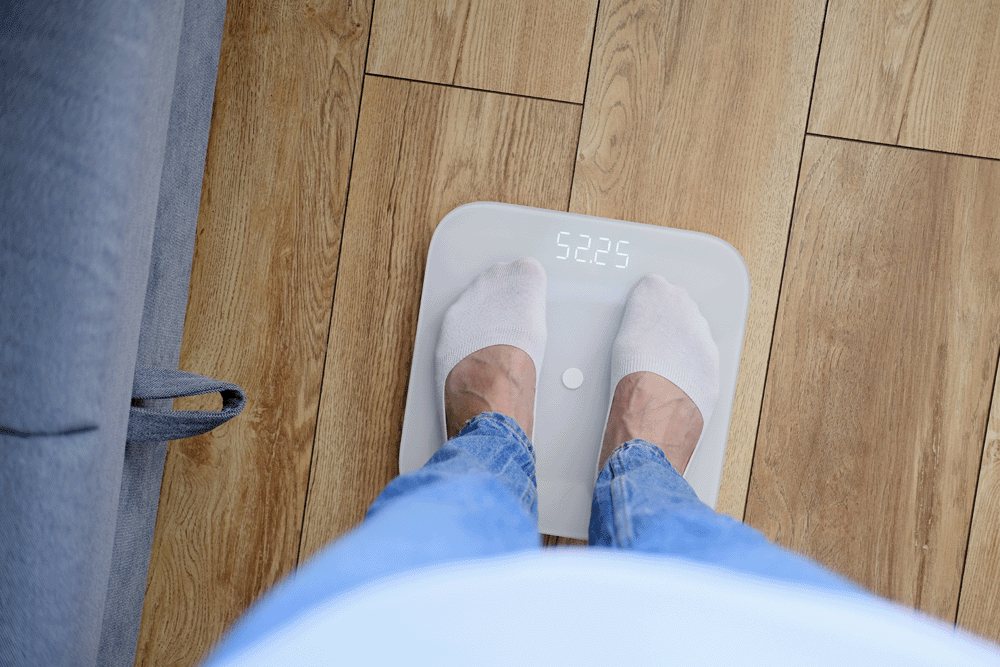
You’re counting calories, skipping dessert, and eating your greens. You’re doing everything “right,” and the scale won’t budge.
It’s one of the most frustrating feelings in the world. You start to wonder, “Why am I not losing weight? Am I doing something wrong? Is my body broken?” Let’s get one thing clear right from the start: You may not be doing anything wrong.
The Complicated Science of Weight Loss

The truth is, weight loss is far more complex than the simple “calories in, calories out” model we were all taught. While diet is a major component, it doesn’t always determine weight outcomes on its own. Your body’s biology, hormone levels, and stress response play a massive role in regulating your metabolism and deciding whether to store fat or burn it.
If you’re eating healthy but not losing weight, you are far from alone. According to a Gallup poll, more than half of Americans (55%) say they want to lose weight, and many face the same silent struggle you do.
In fact, some research suggests that 45-60% of people who improve their diet see little to no weight change within the first three months.
This isn’t a personal failure; it’s a biological adaptation. Your metabolism isn’t a static calculator. It’s a dynamic, responsive system that reacts to your environment, including your caloric intake, stress levels, and hormonal signals. When you’re eating a healthy diet but the scale isn’t moving, it’s a sign that you need to look deeper at what your body is trying to tell you.
Common Reasons You’re Not Losing Weight

So, if it’s not a lack of willpower, what’s going on? The answer is often a complex combination of factors. Let’s break down the most common reasons you can’t lose weight no matter what you try.
You’re Undereating (and Your Body Thinks It’s Starving)
It sounds counterintuitive, but it’s a common trap. If you cut calories too drastically, your body’s ancient survival mechanisms perceive this as a famine. It responds by going into “energy conservation mode.” This triggers two things:
- A slower metabolism: Your body lowers its basal metabolic rate (BMR), or the number of calories you burn at rest, to save energy.
- Hormonal havoc: Your body increases hunger hormones (like ghrelin) and decreases satiety hormones (like leptin), making you feel hungrier and less satisfied. Chronic undereating can directly disrupt this balance.
Signs this might be you:
- Persistent fatigue
- Irritability
- Feeling cold
- Stalled progress despite eating very little
You’re Eating Healthy Foods, But in Excess
On the other end of the spectrum, it’s possible to overdo it on the “good stuff.” Foods like avocados, nuts, seeds, olive oil, and fruit-packed smoothies are incredibly nutritious, but they are also very calorie-dense.
A “healthy diet but no weight change” often means you’reeating the right foods, just too much of them.Many people underestimate liquid calories (in smoothies, cooking oil, alcoholic drinks, or that splash of creamer), or forget to factor in the daily impact of frequent “healthy” snacking. The solutionisn’t restriction; it’s becoming moremindful aboutportion control.
Hormones and Insulin Resistance Are Working Against You
This is one of the most significant and overlooked reasons for not losing weight. Hormones act as chemical messengers that control everything, including your metabolism.
The most powerful of these is insulin, the hormone that manages blood sugar. When you eat, insulin’s job is to move sugar (glucose) from your blood into your cells for energy. But if your cells are constantly bombarded with glucose, they can become “numb” to insulin’s signal.
This is insulin resistance. When this happens, your body struggles to use energy, promotes fat storage (especially in the abdomen), and leaves you feeling hungry again, even after a meal. Conditions like PCOS, thyroid issues, and perimenopause can make this hormonal imbalance and resulting weight gain even worse.
When insulin resistance goes unchecked, it can lead to prediabetes, a condition where blood sugar levels are elevated but not yet high enough for a diabetes diagnosis. According to CDC estimates, up to 98 million U.S. adults have prediabetes, and more than 80% don’t know it. This means millions of people are struggling to lose weight without realizing that their metabolism is working against them.
Medication Side Effects
Sometimes, the obstacle to weight loss is in your medicine cabinet. Certain prescription medications are necessary for your health but can cause fluid retention, increase your appetite, or slow your metabolism as a side effect. Common examples include:
- Antidepressants (SSRIs, SNRIs)
- Beta-blockers
- Steroids (like prednisone)
- Antihistamines
If you suspect your medication is contributing, never stop taking it. Instead, have a conversation with your doctor about your concerns.
Stress Keeps You Stuck in “Storage Mode”
We live in a high-stress world, and it’s taking a toll on our bodies. Chronic stress — from work, family, or even over-exercising — floods your body with the stress hormone cortisol.
Elevated cortisol does two things that are terrible for weight loss: it increases your appetite (especially for sugar and fat) and it signals your body to retain fat, particularly around the midsection.
Research shows that chronic stress and high cortisol can impair insulin sensitivity, leading to higher blood sugar and more fat storage. Even if your diet is perfect, a high-stress life can disrupt your sleep and blood sugar balance, effectively putting your metabolism in “storage mode.”
Your Gut Health and Sleep Are Affecting Results
The two things we often sacrifice first, sleep and rest, are non-negotiable for metabolic health.
Poor sleep (less than 7-9 hours a night) directly alters your hunger hormones, ghrelin and leptin, making you feel hungrier and less satisfied. In fact, studies show people who consistently sleep less than 6 hours per night are 55% more likely to gain weight.
Similarly, your gut microbiome, the trillions of bacteria in your digestive tract, plays a key role in digestion, inflammation, and hormone regulation. A diet lacking fiber or an imbalance in gut bacteria can interfere with your body’s ability to extract nutrients and manage weight.
Chronic Inflammation
Inflammation is your body’s natural response to injury or infection. But when inflammation becomes chronic and low-grade, it can wreak havoc on your metabolism. This persistent inflammation can come from autoimmune disorders, food sensitivities, poor gut health, or even chronic stress.
When your body is in a state of inflammation, it prioritizes “healing” this perceived threat over burning fat. Studies also show that inflammation can reduce your body’s sensitivity to leptin, the “fullness” hormone, which can increase hunger and encourage fat storage.
Finding a Way
As you can see from the list above, the causes of stubborn weight gain are clear: a complex web of biology is at play. This is where we meet metabolic adaptation.
After a period of attempted weight loss or even just sustained “healthy” eating at a lower calorie level, your body fights back. It defends its “set point,” or the weight that your body is accustomed to maintaining. It becomes more efficient, learning to run on fewer calories. This means your body actively burns fewer calories to preserve energy.
This is not a failure of willpower. It’s your biology doing its job.
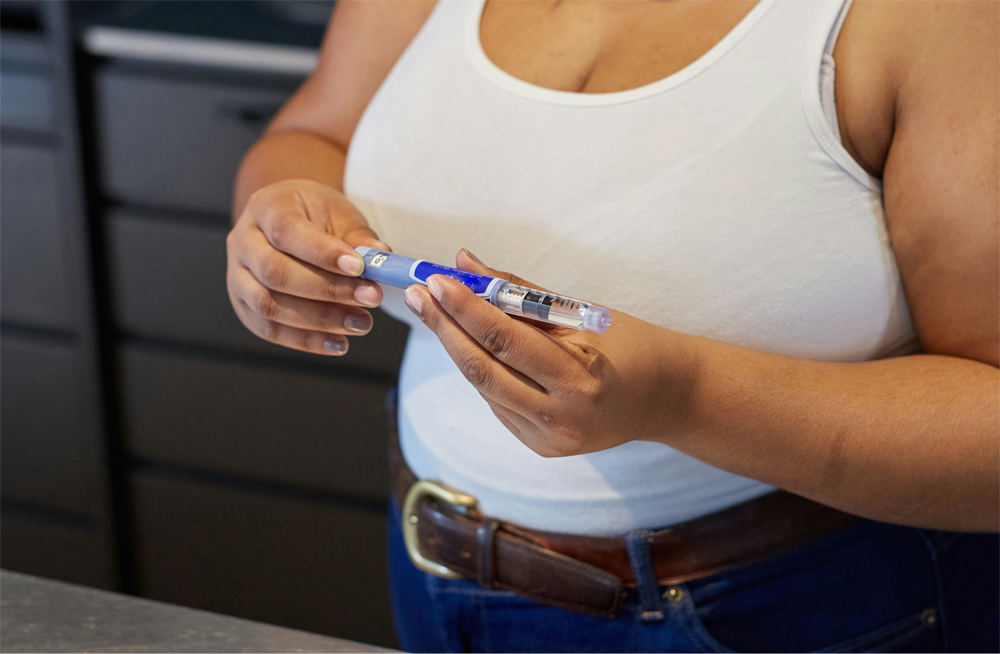
This is precisely why so many people who have tried lifestyle changes without success benefit from medical support. Tools like GLP-1 medications are designed to work with your biology, not against it, to help regulate appetite, insulin, and metabolic balance.
Weight Loss Support With GLP-1s

You’ve likely heard of them, but how do they actually work? GLP-1 (glucagon-like peptide-1) receptor agonists, such as semaglutide or tirzepatide, are not stimulants or “magic pills.” They are prescription weight loss medications that work by mimicking natural hormones your body produces to regulate hunger and insulin. By mimicking these hormones, GLP-1s help:
- Slow digestion, making you feel fuller for longer
- Reduce cravings and “food noise,” helping you make healthier choices more easily
- Help normalize blood sugar and improve your body’s response to insulin (addressing insulin resistance)
It’s crucial to understand that GLP-1s do not replace healthy eating. They are tools to enhance your body’s response to the healthy habits you’re already building, making it easier to maintain a calorie deficit without feeling like you’re starving.
When prescribed by a qualified medical professional, GLP-1s are safe, FDA-approved medications for those who have tried lifestyle changes without success. If a GLP-1 is part of your weight loss plan, TelyRx makes it easier to access FDA-approved options. No office visits required.
Don’t give up. Your efforts are not wasted. The healthy food you’re eating is still improving your health, even if the scale isn’t reflecting it yet. Here are some steps you can take.
Track Beyond the Scale
The scale measures everything: muscle, water, inflammation, and fat. Fat loss can be occurring even when the number isn’t moving. Start tracking non-scale victories, such as:
- How do your clothes fit?
- Are your energy levels better?
- Are you sleeping more soundly?
- Take body measurements (like your waist).
Reevaluate Timing, Sleep, and Stress
Look beyond what you’re eating and look at how you’re living. Are you prioritizing 7-9 hours of quality sleep? Are you actively managing your stress with walking, meditation, or a hobby? Sometimes, the solution isn’t a new diet but a better sleep schedule.
Consider a Medical Check-In
If you’ve been consistent with your healthy habits for 3+ months and the scale (or your measurements) hasn’t budged, it’s time for a medical check-in. Ask your doctor for comprehensive bloodwork to check your thyroid (TSH), insulin (fasting insulin, A1c), and cortisol levels.
Your Next Steps

Not losing weight on the scale does not mean you are failing. It means your body is a complex system that is doing its best to adapt. The healthy food you are eating is still nourishing your cells, reducing inflammation, and giving you energy.
Real health is a combination of your metabolism, hormones, sleep, and mental wellbeing. Sometimes the missing piece isn’t effort; it’s information.
FAQs About Weight Loss
Can you gain weight from eating too little?
Yes, indirectly. Chronic undereating can slow your metabolism to conserve energy. This “starvation mode” makes your body more likely to hold onto fat when you do eat, and it can disrupt hormones that regulate hunger, making you more prone to overeating.
What hormones affect weight loss resistance?
Several hormones are involved, including insulin (regulates blood sugar and fat storage), leptin (the “fullness” hormone), ghrelin (the “hunger” hormone), cortisol (the “stress” hormone), and thyroid hormones (which control your metabolic rate).
Are GLP-1 medications safe for weight loss?
Yes, when prescribed by a qualified medical professional. GLP-1 medications like semaglutide and tirzepatide are FDA-approved, meaning they have undergone rigorous testing for safety and effectiveness.
How long before you see results from healthy eating?
Some people see changes in the first few weeks, while others (especially those with hormonal or metabolic challenges) may not see scale changes for 3-6 months. It’s important to track non-scale victories, like increased energy and better sleep, which often happen first.
Why does stress make me gain weight?
Stress increases the hormone cortisol. High cortisol levels can increase your appetite (especially for high-sugar, high-fat foods) and signal your body to store fat, particularly in the abdominal area.
What is insulin resistance and how does it affect weight?
Insulin resistance is when your body’s cells don’t respond properly to the hormone insulin. This forces your pancreas to produce more insulin, and these high levels promote fat storage and block the breakdown of fat, making weight loss extremely difficult.
Does age make it harder to lose weight?
Yes, it often does. As we age, we naturally lose muscle mass (which burns calories at rest) and experience hormonal shifts (like perimenopause) that can slow metabolism and make it easier to store fat.
How do I know if I have a slow metabolism?
Signs of a slow metabolism can include persistent fatigue, feeling cold, unexplained weight gain, and difficulty losing weight despite a healthy diet. The best way to know for sure is to speak with a medical provider who can run tests to check your thyroid and other metabolic markers.
Ready to explore prescription weight loss options?
Our experts

Written by
Mariah Powers is a wellness content strategist and writer with over seven years' experience developing clear, informative narratives on complex health topics for pharmaceutical manufacturers, hospitals, therapy clinics, and clean-living companies. Leveraging SEO product development insights, she crafts data-driven health topics, empowering readers to live healthier, happier lives.

Reviewed by
Ashley Robinson, PharmD
Ashley Robinson oversees daily operations at TelyRx's Clearwater pharmacy location, optimizes workflow efficiency, and ensures compliance with regulatory standards while maintaining a strong focus on patient safety and quality of care. She collaborates closely with clinical and operations teams to evaluate new medications, support formulary development, and implement process improvements that enhance both patient outcomes and team performance.
This blog post is for informational purposes only and does not constitute medical advice, diagnosis, or treatment. The content provided here is not a substitute for professional medical advice, consultation, or care from a qualified healthcare provider. Always seek the guidance of your physician or another licensed health professional with any questions you may have regarding a medical condition or treatment. Do not disregard or delay seeking professional medical advice based on information read on this site. Learn more about our editorial standards.