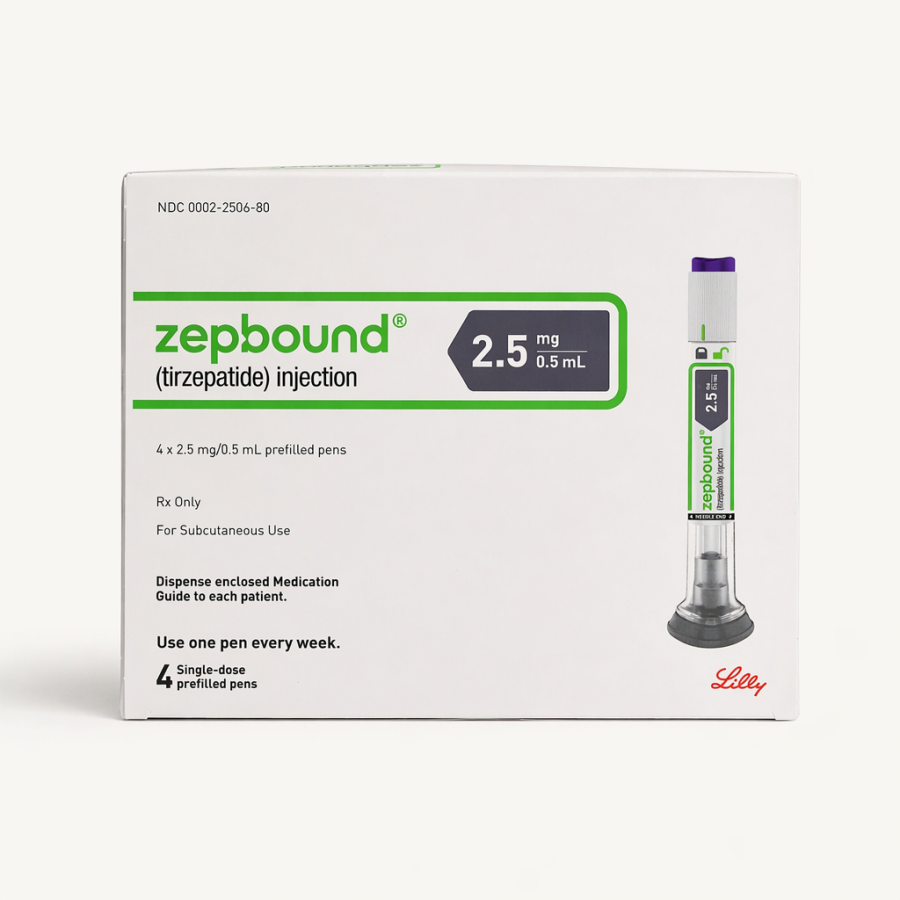
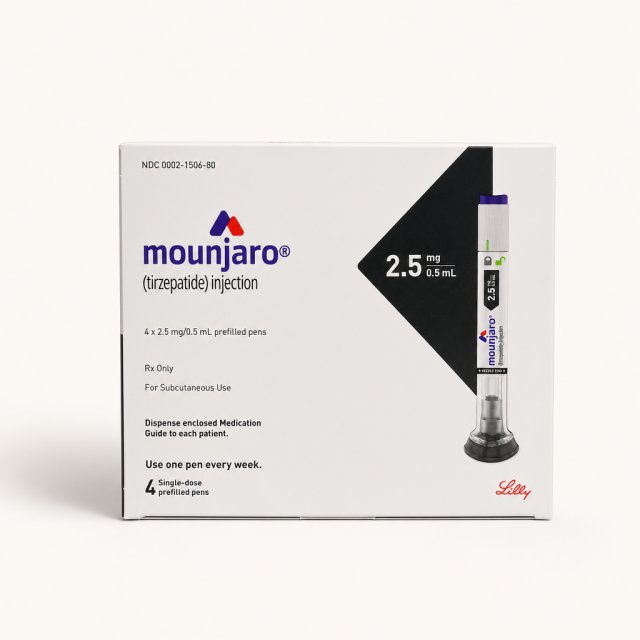
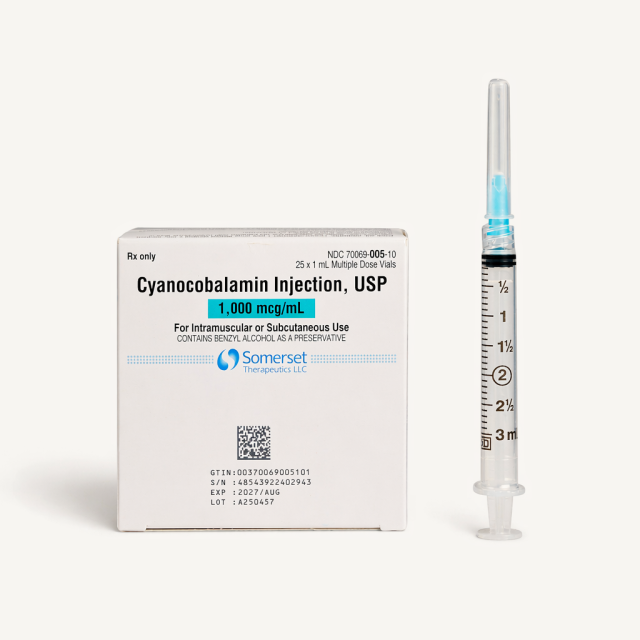
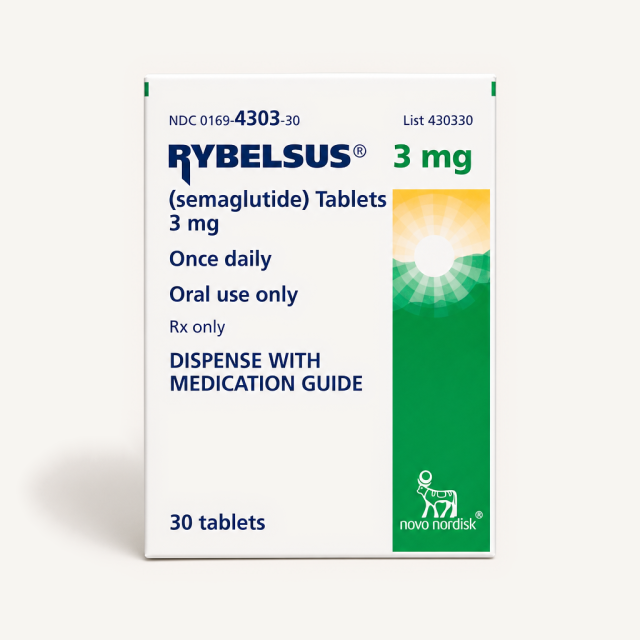
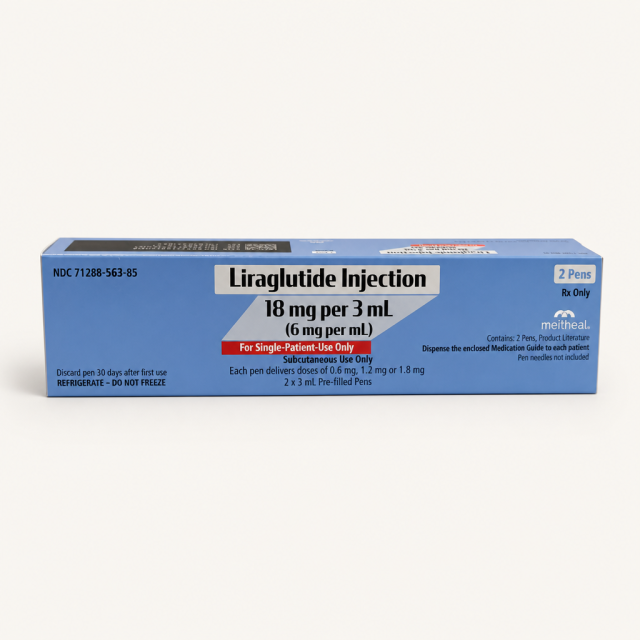
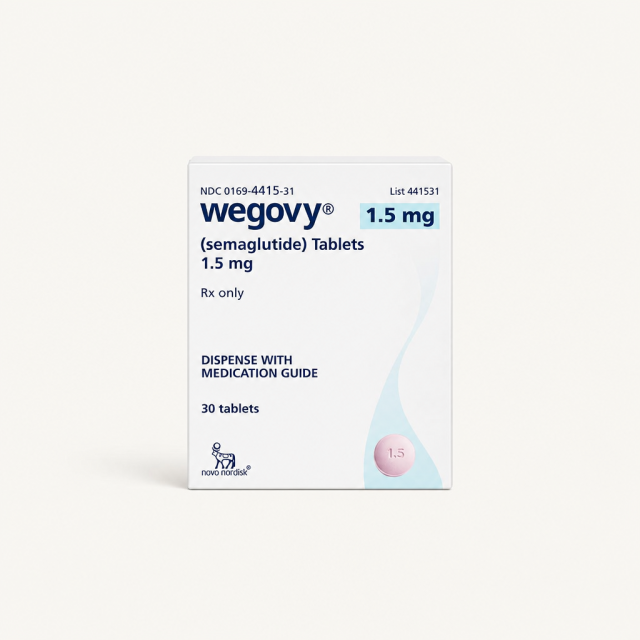
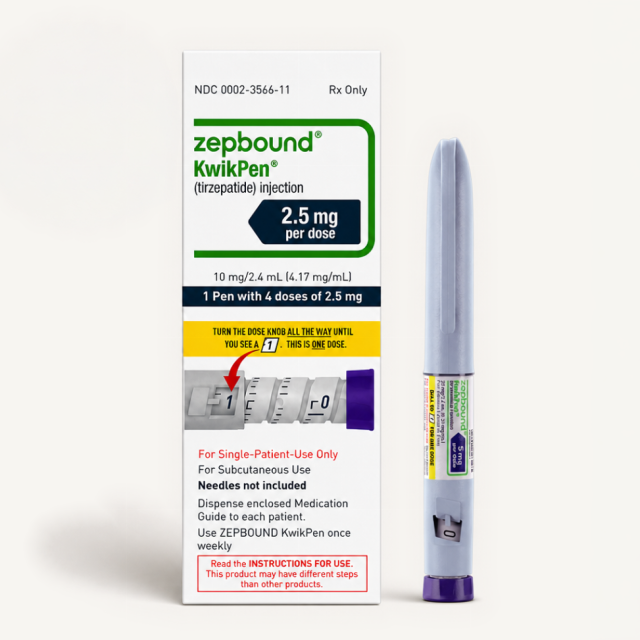
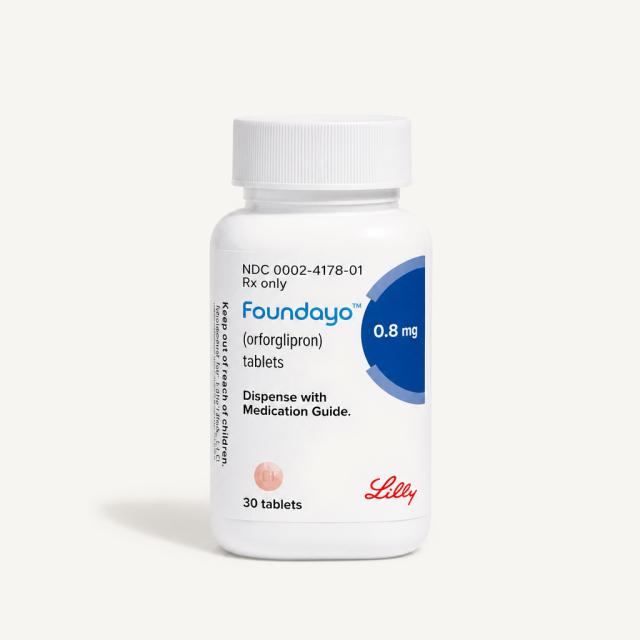
Zepbound® injection (tirzepatide) is a prescription medication approved for chronic weight management in adults with obesity, or in adults who are overweight with at least one weight-related condition such as type 2 diabetes, high blood pressure, or high cholesterol. Zepbound is intended to be used together with a reduced-calorie diet and increased physical activity.
Tirzepatide works by mimicking the activity of two natural hormones, GLP-1 (glucagon-like peptide-1) and GIP (glucose-dependent insulinotropic polypeptide). These hormones help regulate blood sugar, slow digestion, reduce appetite, and promote a feeling of fullness, supporting both improved metabolic control and sustained weight loss.
How to Use:
Zepbound® is typically prescribed as a once-weekly subcutaneous injection (under the skin) in the abdomen, thigh, or upper arm.
Treatment usually begins with a lower starting dose and is gradually increased to improve tolerability.
A common dosing approach begins at 2.5 mg once weekly, with stepwise increases every 4 weeks as directed by your healthcare provider, up to a maximum dose of 15 mg once weekly.
Injections should be given on the same day each week, with or without food.
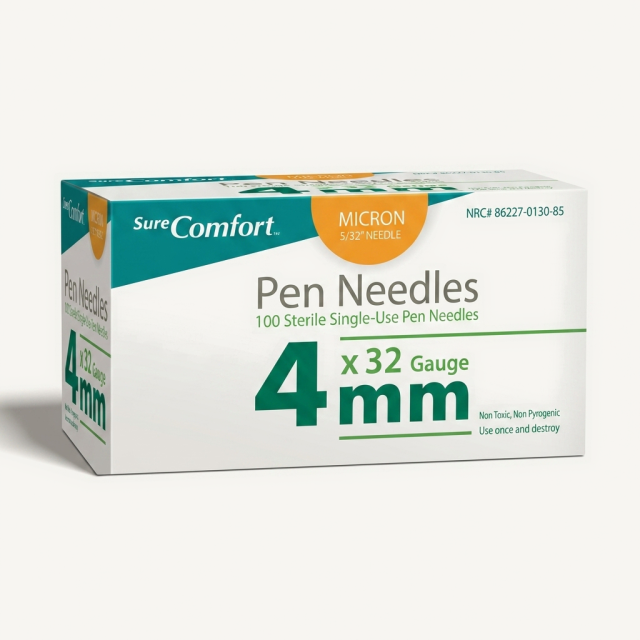
Injection sites should be rotated with each dose, and a new needle should be used every time.
If a dose is missed, your healthcare provider will advise whether to take it when remembered or to wait until the next scheduled dose.
Black Box Warning:
Zepbound® (tirzepatide) carries a boxed warning for the risk of thyroid C-cell tumors. It should not be used in patients with a personal or family history of medullary thyroid carcinoma (MTC) or in those with multiple endocrine neoplasia syndrome type 2 (MEN 2). Patients should promptly report symptoms such as a lump in the neck, hoarseness, difficulty swallowing, or shortness of breath.
Important Notes and Warnings:
The most common side effects include nausea, diarrhea, vomiting, constipation, abdominal pain, and decreased appetite, especially during dose escalation.
Serious but less common risks include pancreatitis, gallbladder disease, kidney injury (often related to dehydration), and possible worsening of diabetic retinopathy in patients with type 2 diabetes.
Zepbound should not be used with other GLP-1 receptor agonists or medications containing tirzepatide.
Not recommended during pregnancy; treatment should be discontinued at least 2 months before a planned pregnancy.
Inform your healthcare provider about all medications you are taking, as Zepbound may delay gastric emptying and affect absorption of certain oral drugs.
This medication is intended for long-term use as part of a comprehensive weight management program.