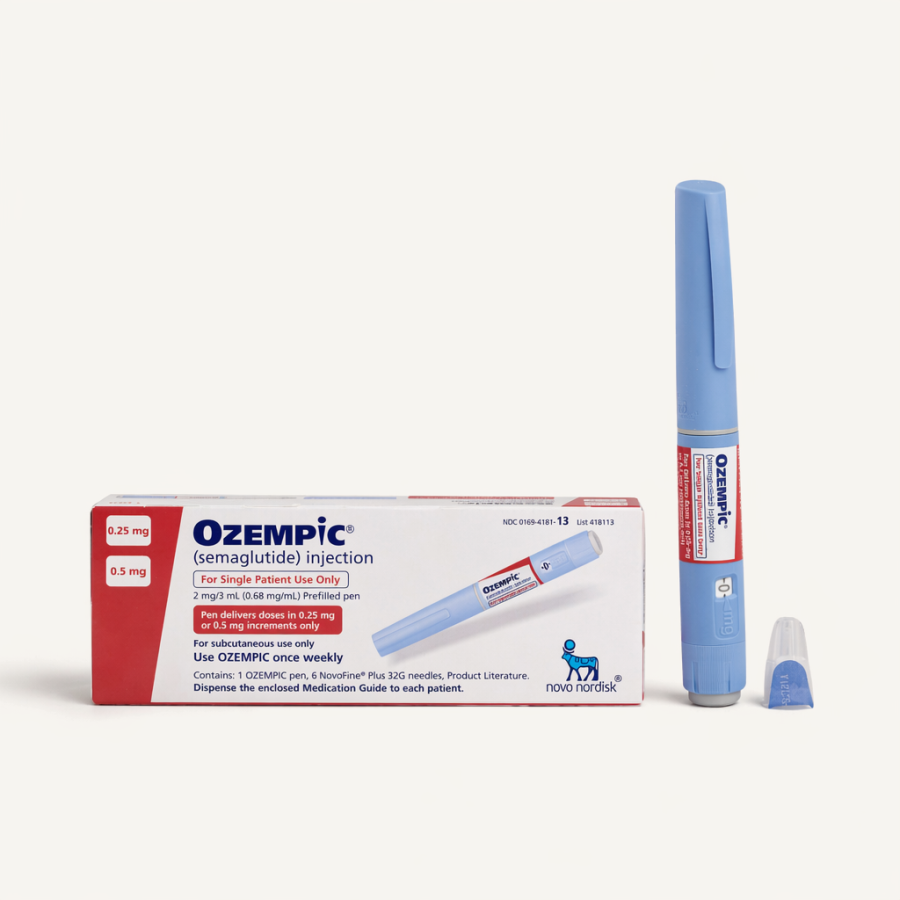
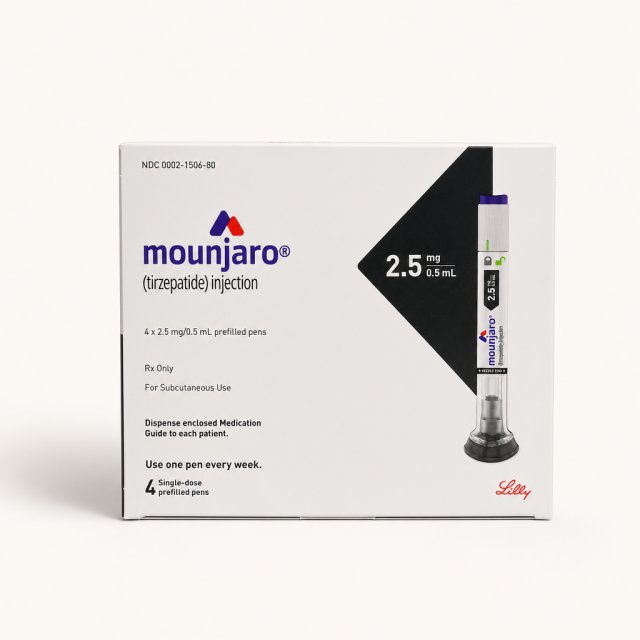
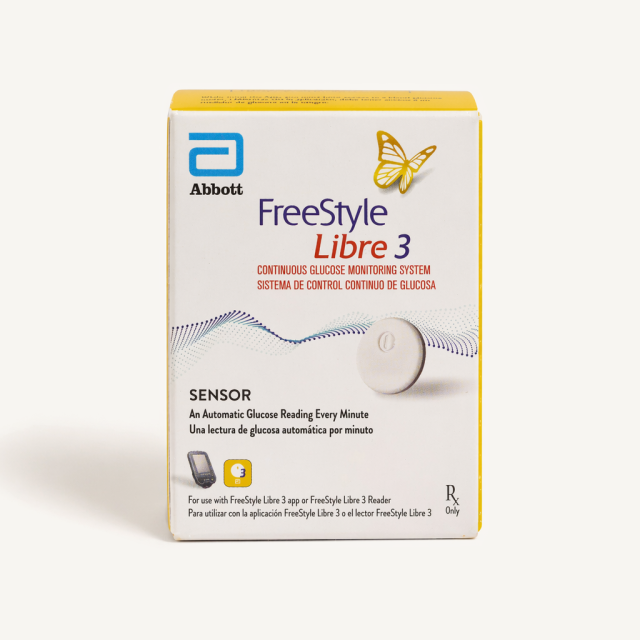
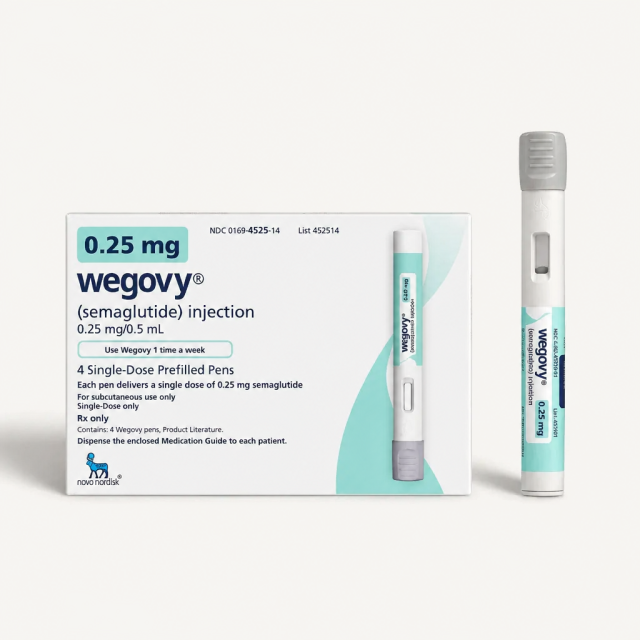
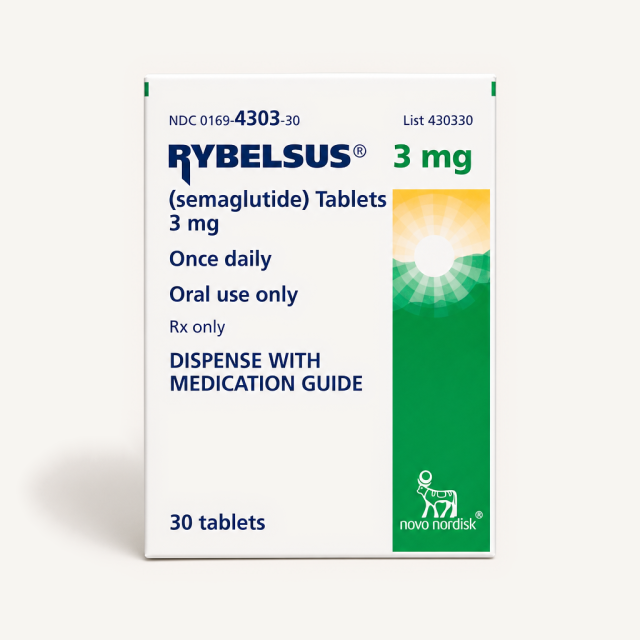
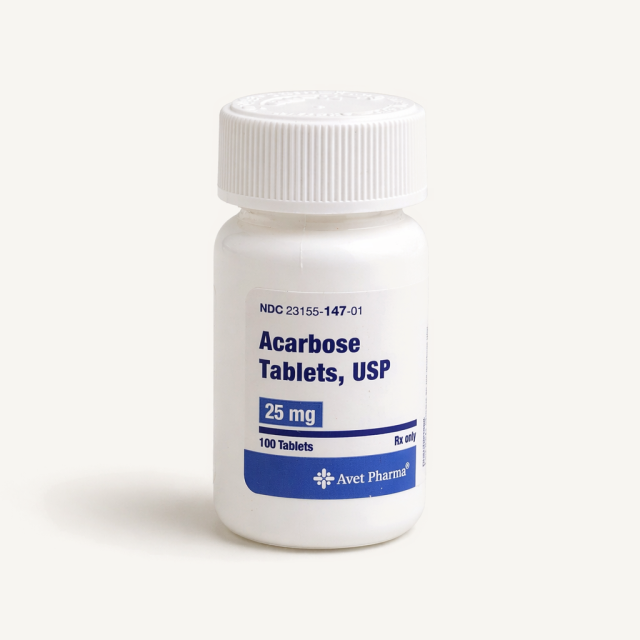
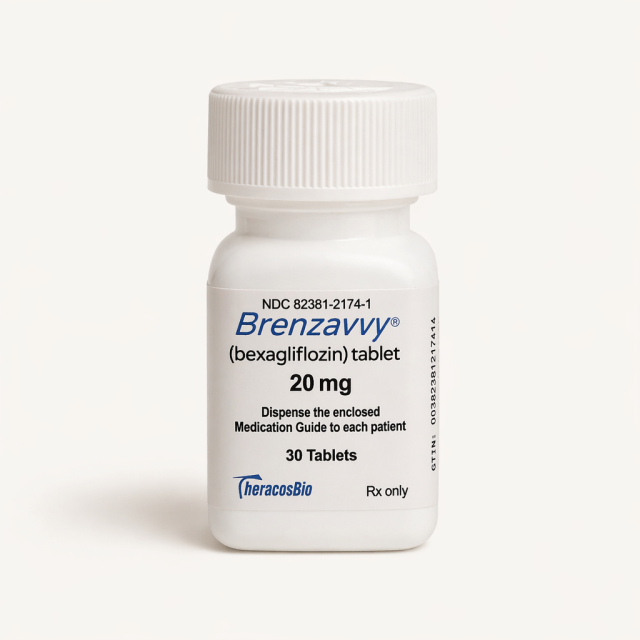
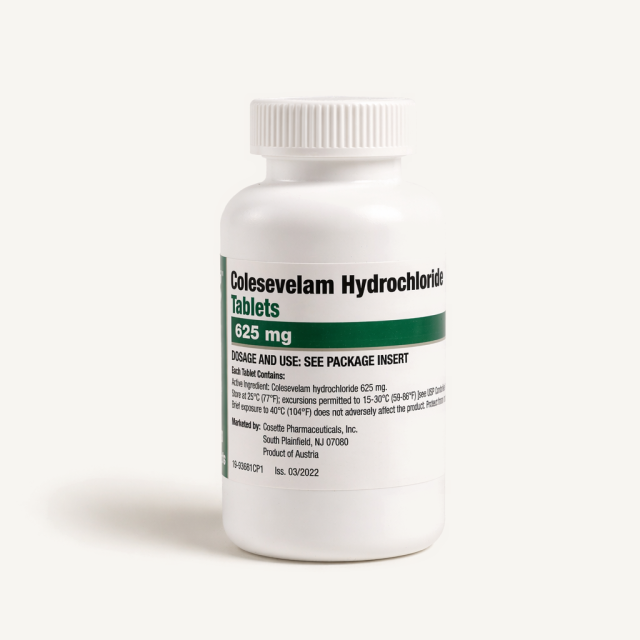
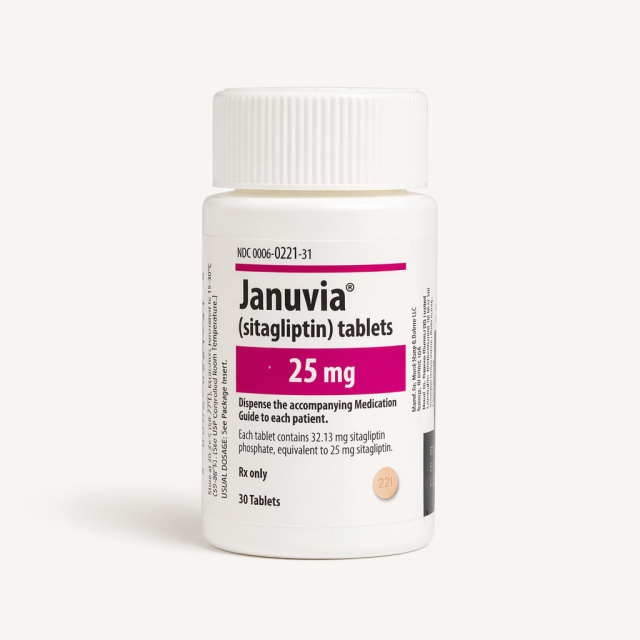
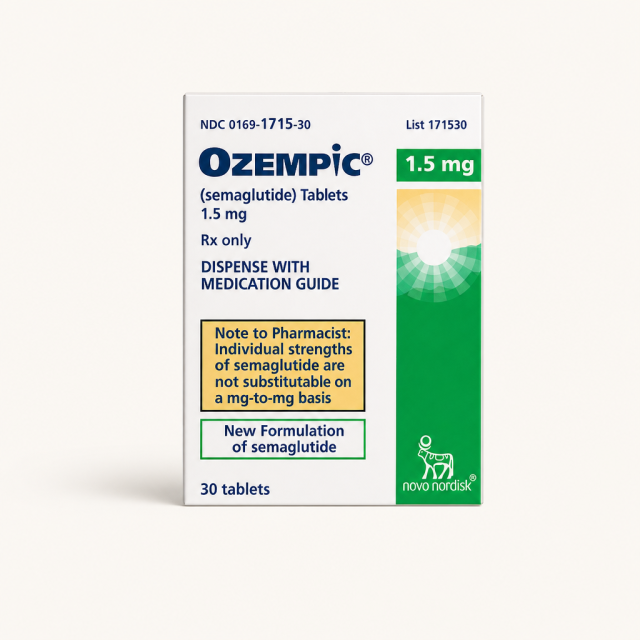
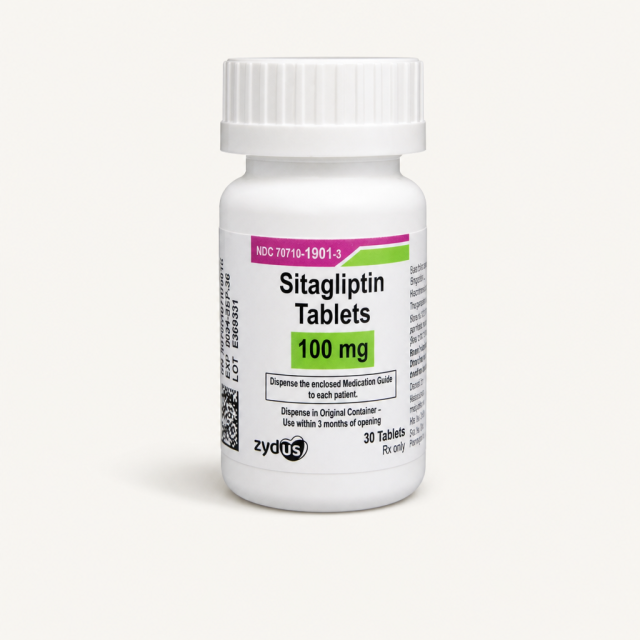
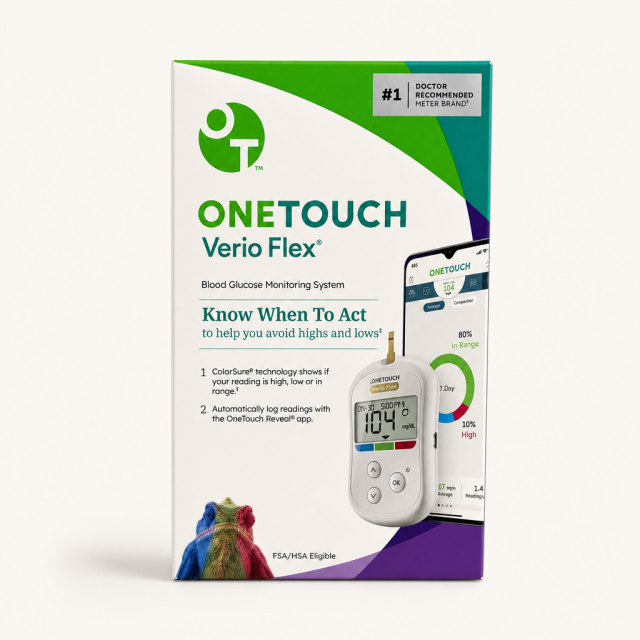
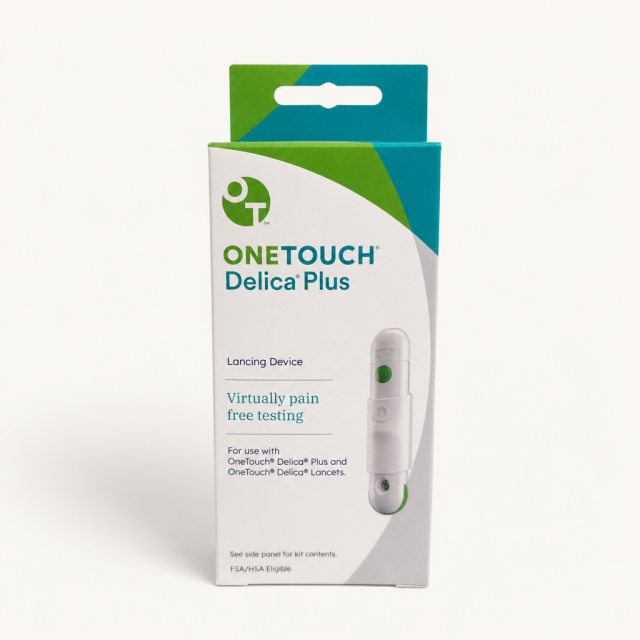
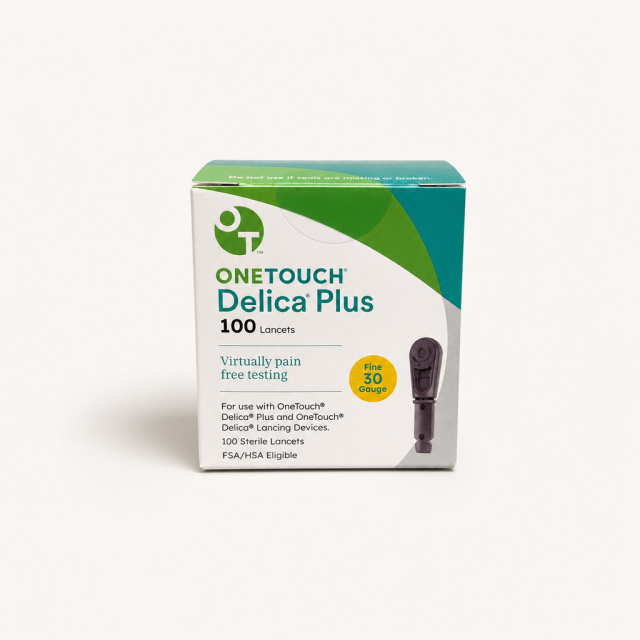
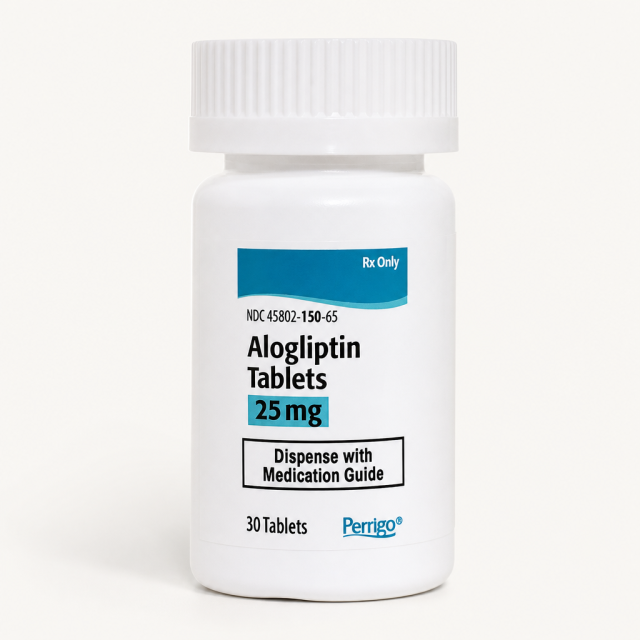
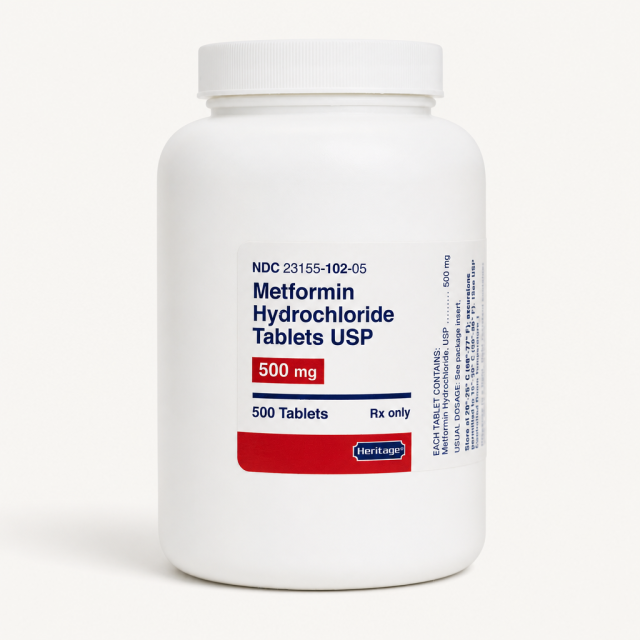
Ozempic® (semaglutide) is a prescription medication administered once weekly as a subcutaneous injection. It is FDA-approved to help improve blood sugar control in adults with type 2 diabetes and to reduce the risk of major cardiovascular events such as heart attack, stroke, or death in those with type 2 diabetes and existing heart disease. By acting like the natural hormone GLP-1, Ozempic helps the body release insulin when blood sugar is high, decreases glucagon (a hormone that raises blood sugar), and slows digestion. These combined actions help smooth out blood sugar levels after meals and support better long-term control.
In addition to its diabetes indication, Ozempic is sometimes prescribed off-label for weight management. Many patients report reduced appetite and lower food intake while taking the medication, which, along with healthy diet and exercise, can lead to meaningful weight loss. Patients often find the once-weekly injection schedule convenient to fit into their routine.
How to Use:
Typically prescribed as a once-weekly injection given on the same day each week, with or without food.
Treatment often begins at 0.25 mg once weekly for 4 weeks, then increases to 0.5 mg once weekly.
If additional blood sugar control is needed, the dose may be increased gradually up to 1 mg or 2 mg once weekly.
Injections can be given in the abdomen, thigh, or upper arm. Rotate sites with each dose.
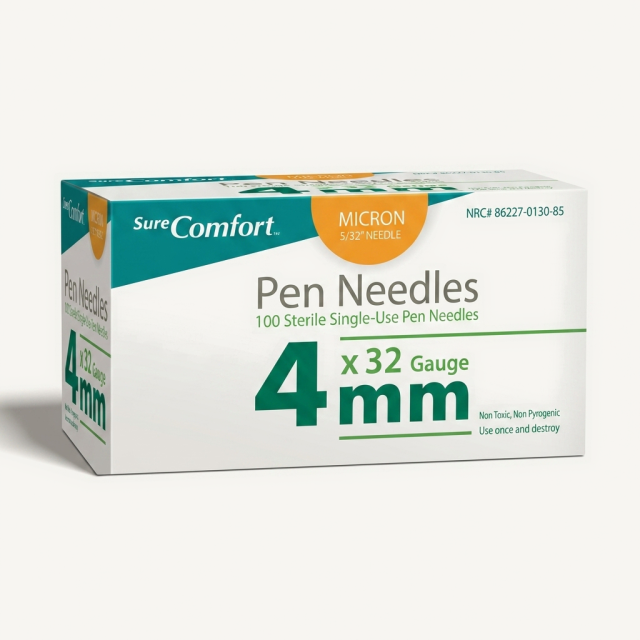
Always use a new needle for each injection.
Your healthcare provider will determine the exact dosing schedule that is right for you.
Black Box Warning:
Ozempic® (semaglutide) carries a boxed warning for the risk of thyroid C-cell tumors. It should not be used in patients with a personal or family history of medullary thyroid carcinoma (MTC) or in those with multiple endocrine neoplasia syndrome type 2 (MEN 2). Patients should promptly report any symptoms such as a lump or swelling in the neck, hoarseness, difficulty swallowing, or shortness of breath.
Important Notes and Warnings:
Ozempic is not indicated for patients with type 1 diabetes or diabetic ketoacidosis.
The most common side effects include nausea, vomiting, diarrhea, constipation, or abdominal pain, especially during the first few weeks or after a dose increase. These symptoms often improve with continued use.
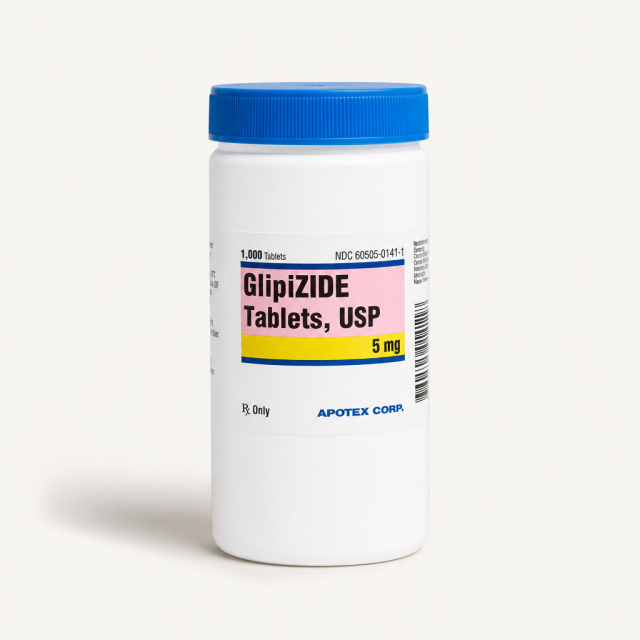
Low blood sugar (hypoglycemia) may occur if Ozempic is used in combination with insulin or sulfonylurea medications.
Patients who are pregnant, planning pregnancy, or breastfeeding should discuss potential risks with their provider.
Because Ozempic slows stomach emptying, it may affect how other oral medications are absorbed. Your healthcare provider may give guidance on timing other medicines.
Storage:
Store unused pens in the refrigerator between 36°F to 46°F (2°C to 8°C).
After the first use, pens may be stored at room temperature between 59°F to 86°F (15°C to 30°C) for up to 56 days.