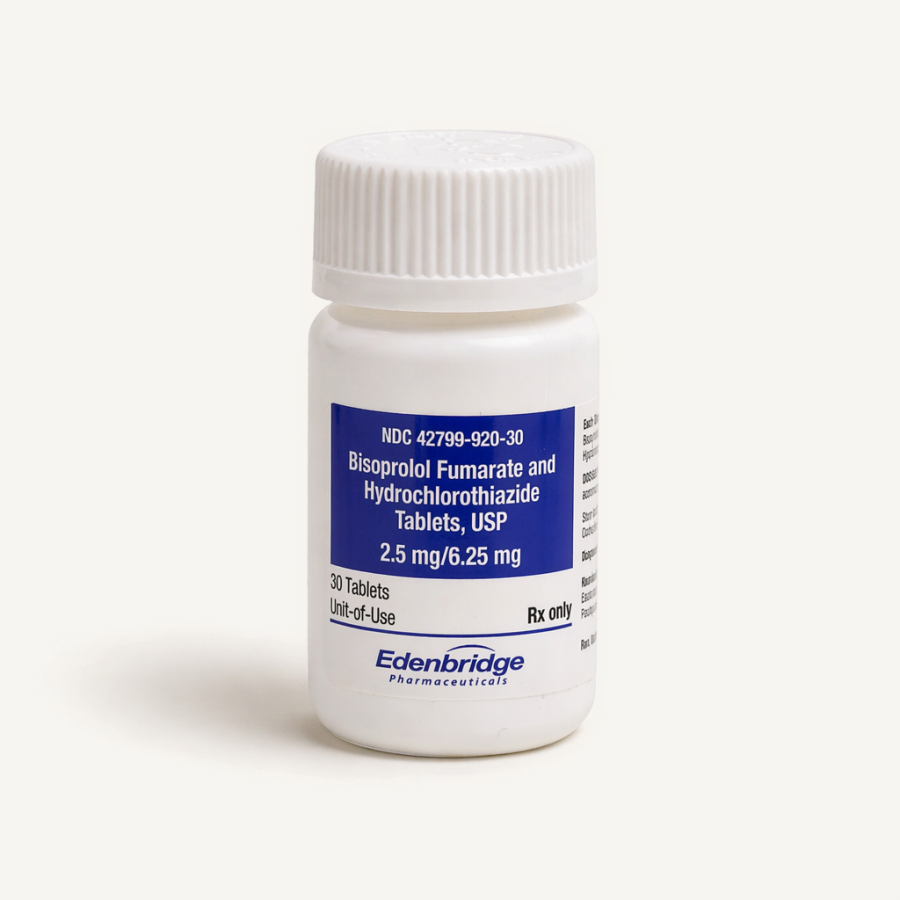
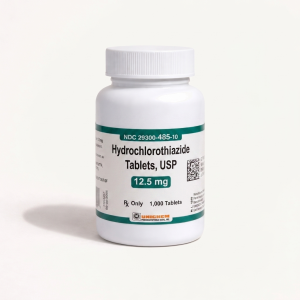
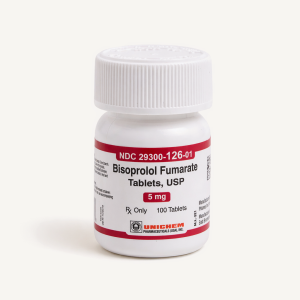
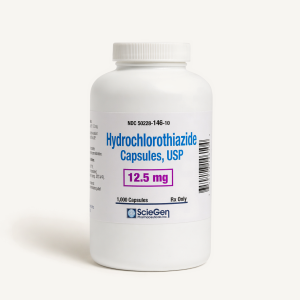
Bisoprolol/hydrochlorothiazide is used to treat hypertension when a single medication is not sufficient to achieve blood pressure goals. This combination works through two complementary mechanisms: bisoprolol blocks beta 1 receptors in the heart to slow the heart rate and decrease the heart’s workload, while hydrochlorothiazide promotes diuresis, lowering blood volume and easing pressure on blood vessels. Clinical studies show the combination provides more effective blood pressure reduction than either drug alone, making it a valuable next step therapy for patients requiring enhanced control. It is typically taken once daily and available in multiple dose combinations, allowing providers to tailor therapy to individual needs.
As part of a long term hypertension management plan, patients should be counseled on monitoring blood pressure regularly, recognizing symptoms of electrolyte changes, and avoiding abrupt discontinuation, especially of bisoprolol, to prevent rebound hypertension or heart rhythm issues. Hydration, kidney function, and electrolytes (particularly potassium and sodium) may require periodic monitoring. This medication is not appropriate for individuals with certain heart conduction disorders, severe bradycardia, anuria, or sulfonamide allergy. Patients should report worsening dizziness, unusual fatigue, swelling, or changes in heart rate, and they should be aware that diuretics can increase sensitivity to sunlight and raise blood sugar levels in those with diabetes.
Common side effects include dizziness, tiredness, slower heart rate, headache, nausea, diarrhea, and increased urination. More serious effects may include severe drops in blood pressure, irregular or slow heartbeats, shortness of breath, swelling, rapid weight gain, vision changes, or signs of electrolyte imbalance such as muscle cramps, weakness, confusion, intense thirst, or abnormal heart rhythms. Rare but severe reactions can include allergic responses, severe skin rashes, or liver dysfunction. Patients should seek immediate medical attention for fainting, chest pain, severe breathing difficulty, or sudden vision changes, as these may indicate serious complications.
This information should not be used to decide whether or not to take this medicine or any other medicine. Only a healthcare provider has the knowledge and training to decide which medicines are right for you. TelyRx does not endorse any medicine as safe, effective, or approved for treating any patient or health condition. This is only a limited summary of general information about the medicine’s uses from the patient education materials and is not intended to be comprehensive. This limited summary does NOT include all information about the possible uses, directions, warnings, precautions, interactions, adverse effects, or risks that may apply to this medicine. This information is not intended to provide medical advice, diagnosis or treatment and does not replace information you may receive from your healthcare provider. For a more detailed summary of information about the risks and benefits of using this medicine, please review the entire patient education information you receive with the medication.