How It Works
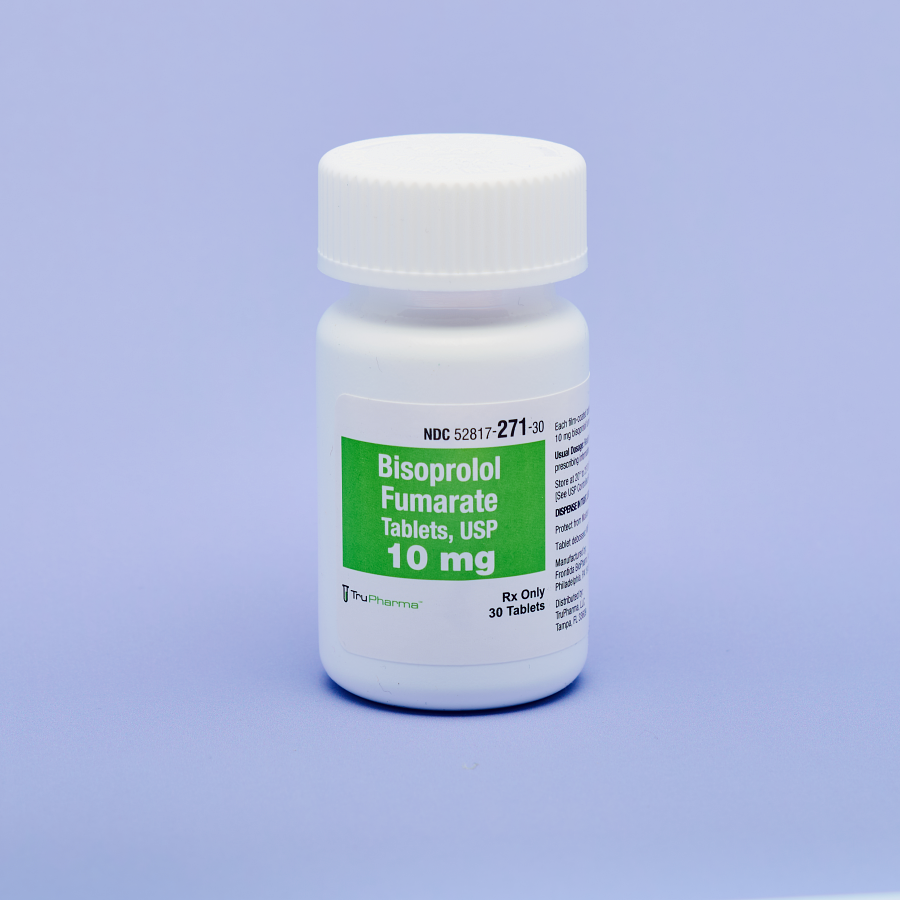
Bisoprolol works by causing the heart to beat slower. This reduces the workload on the heart and helps it pump blood more efficiently. These effects lower blood pressure and reduce the risk of heart attack or stroke.
| Quick Facts | |
|---|---|
| Common Brands | None |
| Drug Class | Beta-blocker, beta-1 selective beta-blocker |
| Generic Status | Generic is available |
| Availability | Prescription only |
Dosing
Bisoprolol tablets come in 5 mg and 10 mg dosage strengths. The recommended starting dose of bisoprolol is 5 mg taken by mouth once daily. Your provider may increase the dose as needed up to the maximum daily dose of 20 mg.
The recommended dose may differ for people with liver or kidney problems.
Note: Dosing information below is educational only. Your prescribing physician will determine your specific dose based on your individual health needs. Always follow your healthcare provider’s instructions for exact dosing.
Uses
FDA-Approved Uses
Bisoprolol is FDA-approved to manage high blood pressure (hypertension).
Off-Label Uses
You may see bisoprolol prescribed for uses that are not “FDA-approved.” This is a common and legal practice called “off-label” prescribing, where a doctor uses their clinical judgment to prescribe a drug for a different (but well-researched) purpose.
Bisoprolol may be used off-label to manage certain types of heart failure or angina (chest pain).
Get Savings Updates for Bisoprolol
Join our mailing list for exclusive deals and more.
Side Effects
Like all medications, bisoprolol can cause side effects. Some common side effects may improve over time as your body adjusts to the medication. Other side effects may be serious and require medical attention.
Common Side Effects
- Fatigue
- Headache
- Diarrhea
- Slow heartbeat
- Stuffy or runny nose
- Swelling in the arms or legs
- Dizziness
- Cough
Serious Side Effects
Serious side effects are rare, but it’s important to know what to look for if they do occur. Stop using bisoprolol and call your doctor immediately if you experience:
- Severe allergic reactions: Symptoms include swelling of the face, lips, tongue, or throat; difficulty breathing or swallowing; racing heart; severe rash or itching; and/or fever.
- New or worsening heart failure: Bisoprolol may worsen existing heart failure or lead to it over time. Symptoms include trouble breathing (especially when lying down), rapid weight gain, unusual tiredness, and swelling in the feet, ankles, or legs.
- Heart rate changes: Bisoprolol can cause bradycardia, an abnormally slow heartbeat. Symptoms include confusion, fainting, lightheadedness, dizziness, weakness, chest pain, and shortness of breath.
- Low blood pressure (hypotension): Very low blood pressure can occur on bisoprolol. Symptoms include confusion, tiredness, dizziness, lightheadedness, or fainting.
- Breathing problems: Bisoprolol might induce bronchospasm, where the muscles around the airways tighten suddenly instead of relaxing. Symptoms include difficulty breathing, wheezing, tightness in the chest, shortness of breath, cough, or dizziness.
- Masking signs of low blood sugar (hypoglycemia): Bisoprolol can conceal early warning signs of low blood sugar, which can be potentially dangerous for people with diabetes. Symptoms include fast heartbeat, headache, slurred speech, blurry vision, sweating, seizures, or feeling jittery or irritable.
- Worsening of peripheral vascular disease: Beta-blockers like bisoprolol can worsen circulation problems for people with peripheral vascular disease. Symptoms include aching, cramping, or tiredness in the arms and legs.
Call your doctor immediately if you experience any concerning or prolonged symptoms.
Pharmacist Tips
Take Your Dose Consistently
It is generally recommended to take bisoprolol in the morning. If the morning doesn’t work for you, choose a time when you can take it at the same time every day to maintain consistent drug levels within the body.
Take With Or Without Food
Bisoprolol can be taken with or without food. If it upsets your stomach, taking it with food may help.
Do Not Stop Taking Bisoprolol Abruptly
Stopping bisoprolol suddenly may worsen heart conditions or chest pain. If you want to stop taking it, your healthcare provider can help you safely lower your dose over 1 to 2 weeks.
Manage Dizziness
Bisoprolol can cause dizziness, especially when starting or changing your dose. It’s recommended to get up slowly when sitting or lying down and to avoid driving or operating heavy machinery until you know how bisoprolol affects you.
Monitor Your Blood Pressure At Home
Keeping a log of your daily blood pressure readings can help your doctor see if bisoprolol is working well for you.
Tell Surgeons That You’re Taking Bisoprolol
Combining anesthesia with beta-blockers can dangerously lower your heart rate. Providers typically recommend informing your surgeon that you’re taking bisoprolol prior to any major procedure.
Limit Alcohol
Drinking alcohol is not recommended while taking this medication. Alcohol may increase the risk of side effects like dizziness or fainting.
Tell Your Provider If You’re Pregnant Or Breastfeeding
It is not known if bisoprolol can affect an unborn baby or pass into breast milk, so risk cannot be ruled out. Tell your healthcare provider if you are pregnant, breastfeeding, or planning to be, so they can advise whether this medication is safe for you to take.
Avoid Missing A Dose
If you miss a dose of bisoprolol, take it as soon as you remember, unless it is almost time for your next dose. In that case, skip the missed dose and take your next dose as scheduled. Do not take double or extra doses to make up for a missed one.
Drug Interactions
Certain medications and substances can interact with bisoprolol, potentially altering how it works or increasing the risk of side effects. For example:
- Rifampin: This tuberculosis medication may interact with bisoprolol.
- Heart or blood pressure medications: Serious interactions can occur when bisoprolol is taken with medications such as diltiazem, verapamil, clonidine, and digoxin.
- Diabetes medications: Because bisoprolol has the potential to hide low blood sugar symptoms, extra monitoring is recommended when it’s taken with insulin or oral medications like glipizide.
- Nonsteroidal antiinflammatory drugs (NSAIDs): Pain medications like ibuprofen or naproxen may interact with bisoprolol.
Always give your doctor and pharmacist a complete list of all your medications, vitamins, and supplements to check for potential interactions.
FAQs
Why did my doctor warn me never to stop taking bisoprolol suddenly?
Stopping bisoprolol suddenly can cause dangerous health issues, including worsened chest pain, spikes in blood pressure, irregular heart rhythms, and potentially a heart attack. To stop safely, providers typically gradually lower the dosage over a period of 1 to 2 weeks.
What is the difference between bisoprolol and metoprolol?
Both are beta-blockers that are used to treat high blood pressure. However, metoprolol is additionally FDA-approved to treat heart failure, angina (chest pain), and heart attack.
Is bisoprolol safe to take if I have asthma or COPD?
No. Beta-blockers are generally not recommended for people with bronchospastic conditions like asthma or COPD, as they may trigger severe breathing problems.
Can this medication cause erectile dysfunction or a lowered sex drive?
It is possible for bisoprolol to cause changes in a person’s sex drive or performance. If you experience ED or changes in sex drive while taking bisoprolol, contact your healthcare provider.
Should I take bisoprolol in the morning or at night before bed?
It’s generally recommended to take bisoprolol in the morning. However, the important thing is to establish a consistent daily routine so you can maintain steady levels of the medication in your system.
Can I still do cardio workouts while taking this medication?
Yes, it is generally recommended to combine bisoprolol with healthy lifestyle changes, including regular exercise. Providers typically recommend engaging in about 150 minutes of moderate activity, such as brisk walking, per week. Ask your provider what they recommend for you based on your heart health and medical situation.
Can I safely take ibuprofen (Advil) or naproxen (Aleve) for pain while taking bisoprolol?
Bisoprolol can interact with NSAIDs (nonsteroidal anti-inflammatory drugs) such as ibuprofen and naproxen. These pain relievers can potentially impact how well blood pressure is controlled.
Will this medication cause me to gain weight?
Significant weight gain is not considered a common side effect of bisoprolol, but it has been reported among some patients. If you experience rapid weight gain (e.g. more than a few pounds within 24 hours), it’s recommended to seek immediate medical attention. It could be a warning sign of worsening heart failure.
Is it safe to drink alcohol while taking bisoprolol?
Drinking alcohol while taking bisoprolol is generally not recommended. Combining the two may worsen dizziness and increase the overall risk of fainting.
Does bisoprolol weaken my heart?
Bisoprolol does not weaken the heart muscle. Instead, it slows the heart rate and lessens the overall load on your heart. This lowers blood pressure and helps your heart pump blood more efficiently.
Do I need to take this medication with food?
Bisoprolol can be taken with or without food, based on personal preference. If the tablets upset your stomach, taking them with a meal may offer relief.
Is bisoprolol safe to use during pregnancy or while breastfeeding?
It is currently unknown if bisoprolol can harm an unborn baby or affect pregnancy, so risk cannot be ruled out. It’s also unknown whether the medication passes into human breast milk. It’s recommended to discuss pregnancy or breastfeeding plans with your provider before taking bisoprolol.
Comparable Medications
Bisoprolol, metoprolol (Lopressor / Toprol XL), atenolol (Tenormin), nebivolol (Bystolic), propranolol (Inderal), carvedilol (Coreg), amlodipine (Norvasc), or lisinopril (Zestril)?
There are several medications that your doctor can prescribe in place of bisoprolol. Here are a few possible alternatives below.
Metoprolol Tartrate
From $22.99
A beta-blocker used to treat high blood pressure (hypertension), angina (chest pain), heart failure, and heart attack.
Atenolol
From $24.99
A beta-blocker used to treat high blood pressure (hypertension), angina (chest pain), and heart attack.
Nebivolol
From $24.99
A beta-blocker used to treat high blood pressure (hypertension).
Propranolol
From $24.99
A beta-blocker used to treat high blood pressure (hypertension), angina (chest pain), tremors, heart attack, and other heart conditions.
Carvedilol
From $27.99
A beta-blocker used to treat high blood pressure (hypertension), heart failure, and heart attack.
Amlodipine
From $24.99
A calcium channel blocker used to treat high blood pressure (hypertension) and angina (chest pain).
Lisinopril
From $22.99
An angiotensin-converting enzyme (ACE) inhibitor used to treat high blood pressure (hypertension), congestive heart failure, and heart attack.
We Have Bisoprolol in Stock. Get Yours Today!
Important: Information on this page is for educational purposes only. Prescribing decisions are made by independent, licensed providers. TelyRx operates technology-enabled pharmacies and a telehealth platform that connects patients with board-certified licensed providers. Prescriptions, when provider-approved and issued, are filled and shipped by TelyRx-affiliated pharmacies. We do not employ physicians or make prescribing decisions. Learn more about our editorial standards here.