How It Works
Diclofenac sodium works by inhibiting an enzyme called cyclooxygenase (COX), which plays a role in the body’s production of prostaglandins — chemical messengers that trigger pain and inflammation.
When you have a condition like arthritis, your body produces excess prostaglandins, leading to the pain, swelling, and stiffness you feel in your joints or muscles. By blocking the COX enzyme, diclofenac sodium helps reduce the levels of these prostaglandins and the related inflammation and discomfort.
| Quick Facts | |
|---|---|
| Common Brands | Voltaren XR, Cataflam, Zipsor, Zorvolex, Cambia |
| Drug Class | Non-steroidal anti-inflammatory drug (NSAID) |
| Generic Status | Generic for Voltaren XR, Cataflam, Zipsor, Zorvolex, Cambia |
| Availability | Prescription only |
Dosing
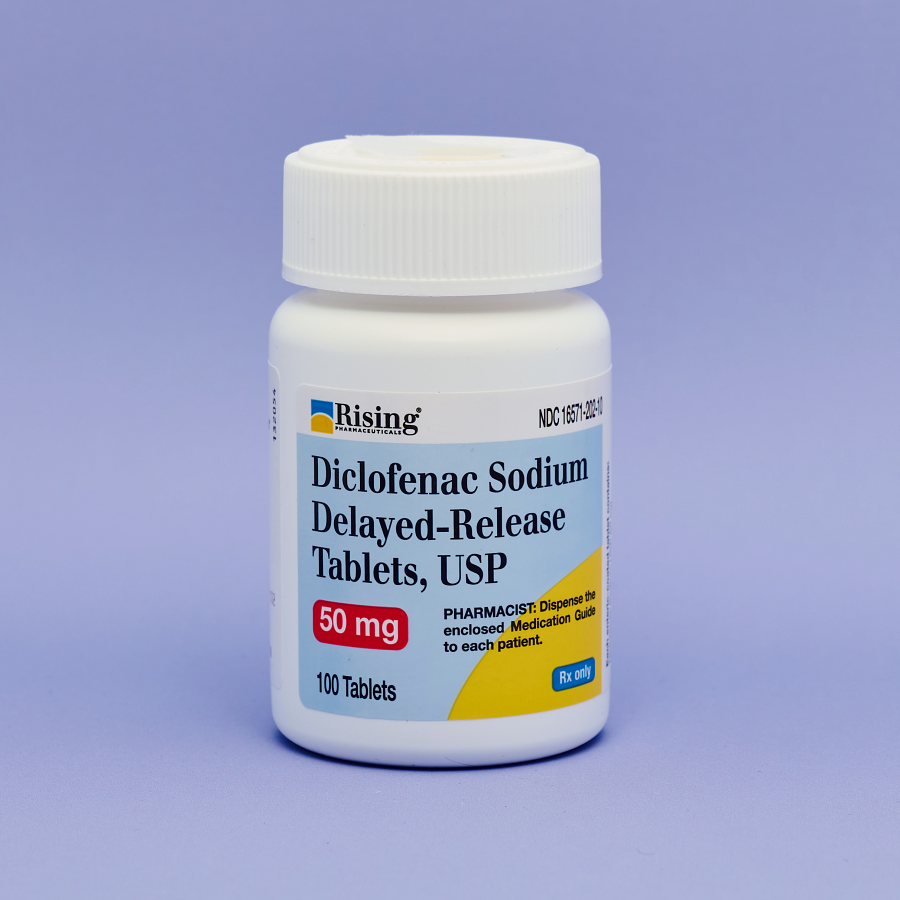
The dosage of oral diclofenac sodium depends on what you’re taking it for. Delayed release tablets are typically taken twice a day.
- Osteoarthritis: The recommended dose is 100 mg to 150 mg per day in divided doses.
- Rheumatoid arthritis: The recommended dose is 150 mg to 200 mg per day in divided doses.
- Ankylosing spondylitis: The recommended dose is 100 mg to 125 mg per day in divided doses.
- Menstrual pain: It is recommended to take your first dose at the onset of menstruation or 1 to 2 days prior if symptoms are expected to be severe.
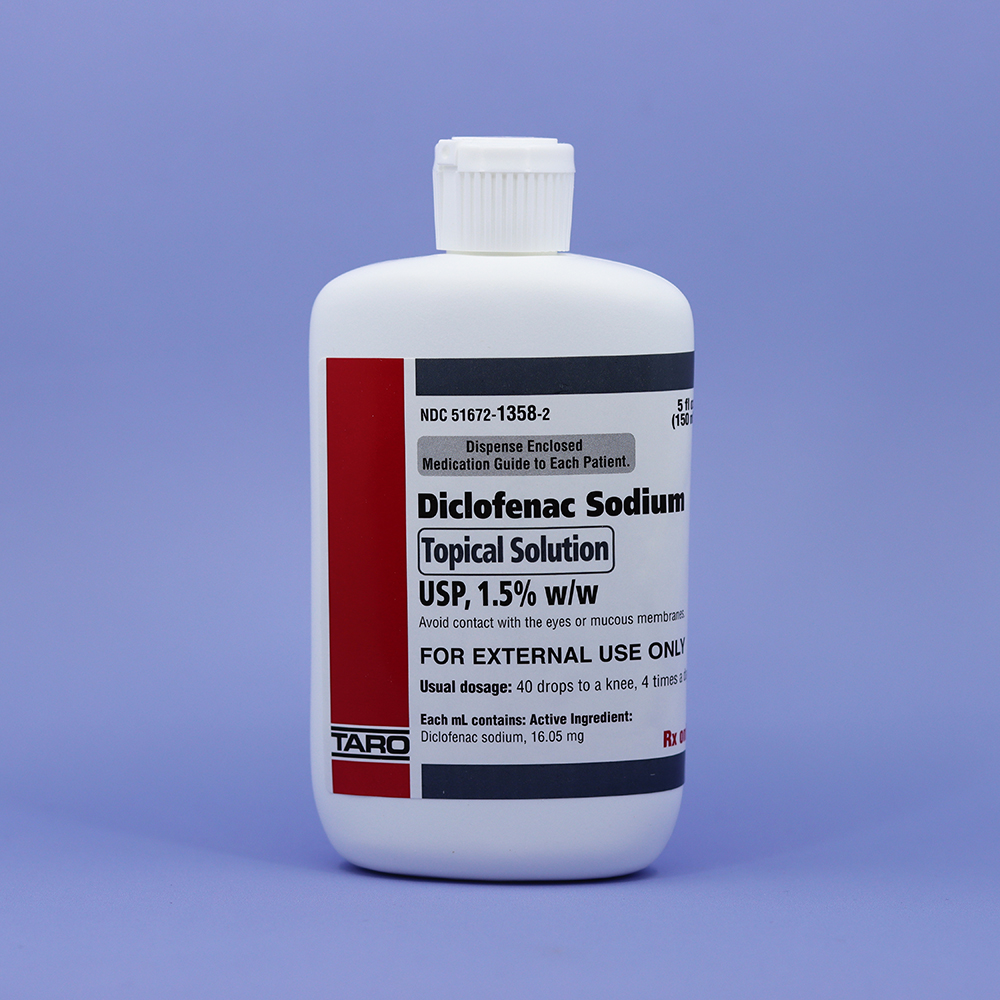
The diclofenac sodium topical solution is applied directly to clean, dry skin on the affected area up to four times daily.
Always follow your healthcare provider’s instructions for exact dosing.
Note: Dosing information is educational only. Your prescribing physician will determine your specific dose based on your individual health needs. Always follow your healthcare provider’s instructions for exact dosing.
Uses
FDA-Approved Uses
Diclofenac sodium is FDA-approved to treat:
- Osteoarthritis
- Rheumatoid arthritis
- Ankylosing spondylitis
- Migraine attacks
- Primary dysmenorrhea
Off-Label Uses
You may see diclofenac sodium prescribed for uses that are not “FDA-approved.” This is a very common and legal practice called “off-label” prescribing, where a doctor uses their clinical judgment to prescribe a drug for a different (but well-researched) purpose.
Diclofenac sodium may be prescribed off-label for gout, acute pain, and other inflammatory conditions.
Get Savings Updates for Diclofenac
Join our mailing list for exclusive deals and more.
Side Effects
Like all medications, diclofenac sodium can cause side effects. Some common side effects may improve over time as your body adjusts to the medication. Other side effects may be serious and require medical attention.
Common Side Effects
- Constipation
- Diarrhea
- Stomach pain
- Vomiting
- Nausea
- Gas
- Heartburn
- Dizziness
- Headache
- Flu-like symptoms
- Mild skin irritation, dryness, or redness (topical only)
Serious Side Effects
Serious side effects are rare, but it’s important to know what to look for if they do occur. Stop using diclofenac sodium and call your doctor immediately if you experience:
- Severe allergic reactions: Symptoms include swelling of the face, lips, tongue, or throat; difficulty breathing or swallowing; severe rash or itching; fever. Rare reactions like DRESS (Drug Reaction with Eosinophilia and Systemic Symptoms) can affect multiple organs and cause breathing problems, fever, racing heart, and swollen lymph nodes.
- Severe skin reactions: Diclofenac sodium can cause severe, life-threatening skin reactions such as Stevens-Johnson syndrome (SJS) and toxic epidermal necrolysis (TEN). Symptoms include painful red or purple skin that peels, blisters on the mouth or genitals, and red watery eyes.
- Liver damage (hepatotoxicity): While rare, severe liver damage (hepatotoxicity) can occur when taking diclofenac sodium. Symptoms include yellowing of the skin or eyes (jaundice), dark urine, pale stools, stomach pain, nausea, vomiting, and fever.
- Kidney damage: Signs include a reduced need to urinate, swelling in the feet or legs, confusion, nausea, weakness, and difficulty catching one’s breath.
- Heart attack and stroke: Diclofenac sodium can increase the risk of heart attack or stroke, which can be fatal. This risk may be higher with longer use, high doses, or existing heart disease. Symptoms include chest pain, shortness of breath, lightheadedness, weakness on one side of the body, confusion, or slurred speech.
- Stomach bleeding and ulcers:: Diclofenac sodium can cause bleeding, ulcers, and tears in the stomach or intestines. Risk factors include smoking, drinking alcohol, older age, and poor health. Symptoms include bloody or black tarry stools, vomiting blood, stomach pain, unusual bleeding or bruising, and reddish urine.
- High blood pressure (hypertension): NSAIDs like diclofenac sodium can lead to new or worsen existing high blood pressure. Symptoms include sudden and severe headache, chest pain, confusion, difficulty breathing, vision changes, abnormal heartbeat, and nosebleed.
- Fluid retention and heart failure: Diclofenac can cause edema (swelling) and may exacerbate heart failure. Symptoms include shortness of breath, swelling, shiny skin, and unusual tiredness or weight gain.
- Anemia: Taking diclofenac sodium may cause low red blood cells. Symptoms include unusual tiredness, pale skin, cold hands or feet, lightheadedness, abnormal heartbeat, and shortness of breath.
- High potassium levels (hyperkalemia): Diclofenac sodium may lead to higher potassium levels, which can be life-threatening. Symptoms include muscle weakness, difficulty breathing, unusual tiredness, abnormal heartbeat, and nausea or vomiting.
- Fertility issues: Diclofenac sodium can decrease fertility in women, although the effects may be reversible.
Call your doctor immediately if you experience any concerning or prolonged symptoms.
Pharmacist Tips
Take With Food and Water
Always swallow tablets whole with a full glass of water. Taking diclofenac sodium with food or milk may help reduce stomach upset.
Avoid Alcohol
Drinking alcohol while taking diclofenac sodium may increase the risk of stomach bleeding.
Sun Sensitivity
This medication can make your skin more sensitive to sunlight (photosensitivity). You may burn more easily. Wear sunscreen and protective clothing if you need to be outdoors.
Use During Pregnancy
It is typically not recommended to use diclofenac when pregnant as it may cause harm to the unborn baby and complications during delivery.
Missed Dose
If you miss a dose of diclofenac sodium, take it as soon as you remember. However, if it is almost time for your next dose, skip the missed one and continue your regular schedule. Do not take double or extra doses to make up for a missed one.
Drug Interactions
Certain medications and substances can interact with diclofenac sodium, potentially altering how it works or increasing the risk of side effects. For example:
- Blood thinners and antiplatelets: Drugs like warfarin and clopidogrel (Plavix) can significantly increase the risk of bleeding when taken with diclofenac.
- Other NSAIDs: Taking diclofenac with other NSAIDs (like ibuprofen, naproxen, or aspirin) increases the risk of stomach ulcers and bleeding.
- Blood pressure medications: Diclofenac may reduce the effectiveness of ACE inhibitors (like lisinopril), ARBs (like losartan), and beta-blockers (like propranolol).
- Diuretics (water pills): Diclofenac sodium may reduce the efficacy of diuretics and increase the risk of kidney damage.
- Lithium: Diclofenac sodium may increase the levels of lithium in the blood to toxic levels.
- Digoxin: Diclofenac sodium can raise digoxin levels in the blood to dangerous levels.
- Methotrexate: Diclofenac sodium can increase the risk of methotrexate toxicity.
- Antidepressants: SSRIs (like sertraline) and SNRIs (like venlafaxine) can increase the risk of bleeding when combined with NSAIDs.
- Corticosteroids: Prednisone and similar steroids increase the risk of stomach ulcers when taken with NSAIDs.
- Voriconazole: This antifungal medication can increase the level of diclofenac in your blood.
- Rifampin: This tuberculosis medication may make diclofenac sodium less effective.
- Pemetrexid: Taking diclofenac sodium with this cancer medication can increase the risk of serious kidney or gastrointestinal side effects.
- Cyclosporine: Taking diclofenac sodium with this immunosuppressant may increase the risk of kidney damage.
Always give your doctor and pharmacist a complete list of all your medications, vitamins, and supplements to check for potential interactions.
FAQs
What is the difference between diclofenac sodium and diclofenac potassium?
The main difference lies in how quickly the body absorbs them. Diclofenac potassium dissolves faster in the stomach. Diclofenac sodium comes in delayed-release tablets that dissolve in the intestine for longer lasting pain relief.
Can I apply sunscreen or lotion on top of topical diclofenac?
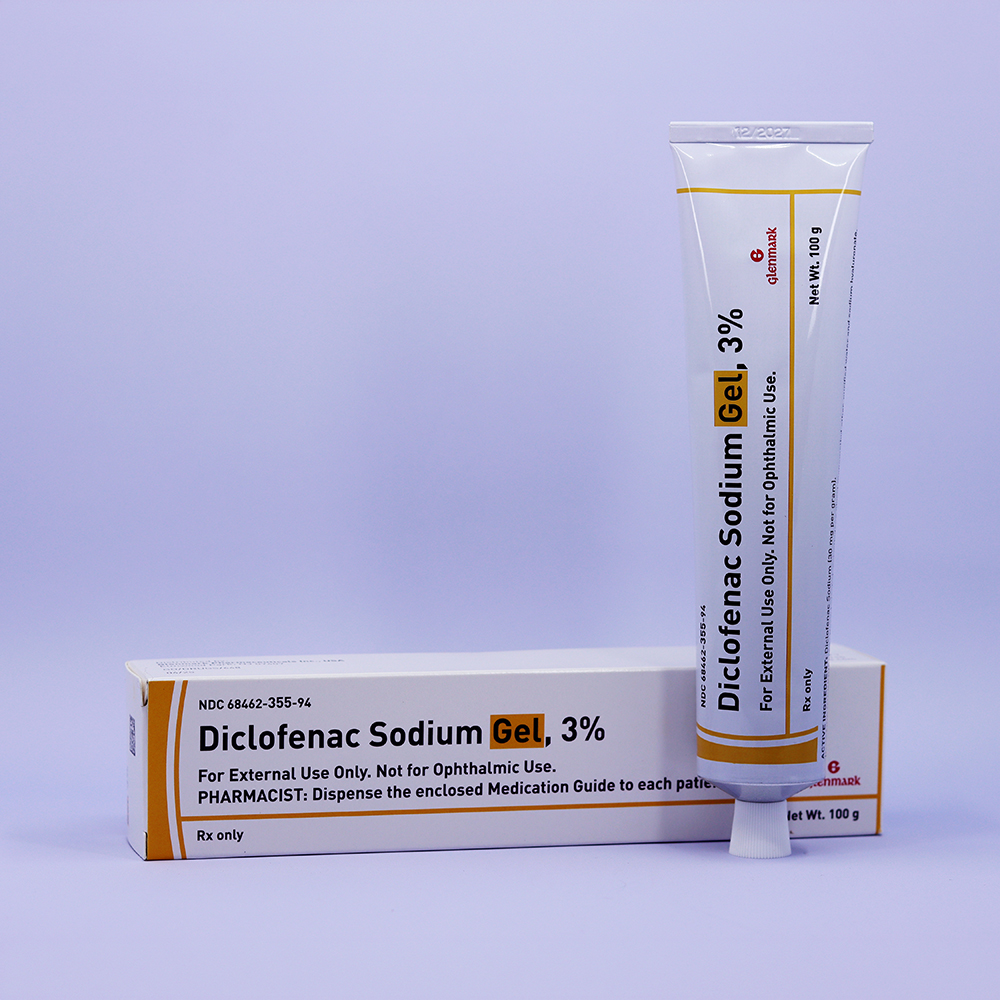
If using diclofenac gel, it is recommended to wait until the gel has completely dried before applying sunscreen, lotion, or insect repellant to the same area. Applying other products too soon can alter the absorption of the medication and cause skin irritation.
Can I take ibuprofen or aspirin while using diclofenac?
Generally, no. Ibuprofen, aspirin, and naproxen are all NSAIDs, just like diclofenac. Taking them together increases the risk of serious stomach bleeding and ulcers.
Does diclofenac raise blood pressure?
Yes, diclofenac can lead to new high blood pressure or worsening of existing high blood pressure. If you have hypertension, monitor your blood pressure closely while taking this medication.
Can I shower or swim immediately after applying diclofenac?
If using the diclofenac sodium gel, it is recommended to wait at least an hour before showering or swimming to ensure the medication has been absorbed into the skin.
Is diclofenac safe to use during pregnancy?
It is generally not recommended, especially in the later stages. You should specifically avoid taking diclofenac at 20 weeks or later in pregnancy, as it can cause harm to the fetus and complications during delivery. Always consult your doctor if you are pregnant or trying to conceive.
Can I use diclofenac gel on my shoulder or hip area?
Yes, diclofenac gel is commonly prescribed for osteoarthritis pain in accessible joints like the knees, hands, wrists, feet, and elbows.
Is diclofenac a muscle relaxer?
No, diclofenac is a non-steroidal anti-inflammatory drug (NSAID), not a muscle relaxer. It relieves pain by reducing inflammation, whereas muscle relaxers work by targeting the central nervous system to reduce muscle spasms.
Can I drink alcohol while taking diclofenac?
It is recommended to avoid alcohol while taking diclofenac. Both alcohol and diclofenac can irritate the stomach lining. Combining them increases the risk of gastric bleeding and ulcers.
Why is diclofenac toxic to pets if they lick my skin?
Diclofenac is extremely toxic to animals, particularly cats and dogs. Even small amounts ingested by licking a treated area can cause kidney failure and death in pets. If using gel, wash your hands thoroughly after application.
Can I use the gel on an open wound or cut?
No. You should never apply diclofenac gel to open wounds, cuts, infections, or skin with a rash. It should only be applied to healthy, intact skin that is clean and dry.
Does diclofenac treat nerve pain (neuropathy)?
Diclofenac is FDA-approved for inflammatory pain (like arthritis) and is not considered a first-line treatment for neuropathic (nerve) pain, which is typically treated with different classes of medications like anticonvulsants or antidepressants.
What is the difference between Voltaren and Arthrotec?
Voltaren is a brand name for plain diclofenac. Arthrotec is a combination drug that contains both diclofenac and misoprostol. The misoprostol component is added to help protect the stomach lining from ulcers.
Can I bandage or wrap the area after applying diclofenac gel?
It’s recommended to avoid applying bandages or wraps to the area treated with diclofenac gel, as this can increase absorption to dangerous levels or cause skin burns. Breathable, loose clothing is usually acceptable.
How long can I use diclofenac gel continuously?
It is recommended to use the lowest effective dose of diclofenac for the shortest amount of time needed. For the gel, treatment may be limited to 21 days unless otherwise directed by a physician.
Comparable Medications
Diclofenac Sodium, Diclofenac Potassium (Cataflam, Zipsor), Meloxicam (Mobic), Celecoxib (Celebrex), Indomethacin (Indocin), or Arthrotec (Diclofenac + Misoprostol)?
There are several medications that your doctor can prescribe in place of diclofenac sodium. Here are a few possible alternatives below.
Diclofenac Potassium Powder Packets
From $429.99
A faster-acting form of diclofenac used for acute pain relief from arthritis, migraines, and menstrual cramps.
Meloxicam
From $19.99
A prescription NSAID used for osteoarthritis and rheumatoid arthritis.
Celecoxib
From $29.99
Another prescription NSAID used for osteoarthritis, rheumatoid arthritis, and ankylosing spondylitis.
Indomethacin ER Capsules
From $37.99
A prescription NSAID used for acute pain, gout, osteoarthritis, rheumatoid arthritis, ankylosing spondylitis, and bursitis.
Arthrotec (diclofenac + misoprostol)
A combination drug that contains diclofenac with misoprostol, a stomach-protecting agent, to reduce the risk of developing gastric ulcers or bleeding.
We Have Diclofenac in Stock. Get Yours Today!
Important: Information on this page is for educational purposes only. Prescribing decisions are made by independent, licensed providers. TelyRx operates technology-enabled pharmacies and a telehealth platform that connects patients with board-certified licensed providers. Prescriptions, when provider-approved and issued, are filled and shipped by TelyRx-affiliated pharmacies. We do not employ physicians or make prescribing decisions. Learn more about our editorial standards here.