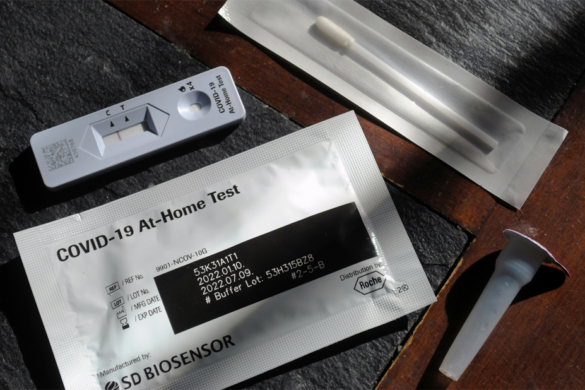


Break out the Kleenex and the cough drops because cold and flu season is here. The previous flu season shows why preparation matters: During the 2025-2026 flu season, influenza caused at least 32 million illnesses, 390,000 hospitalizations, and 24,000 deaths. Combined with seasonal supply chain disruptions and stock shortages, it’s more essential than ever to be prepared for the yearly surge in illness.
Think about it: when you’re feeling awful, the last thing you want to do is to scramble for medication — and that’s where proactively buying cold and flu medicine online comes in. Telehealth and digital pharmacy platforms are changing the game with no long waits, no crowded waiting rooms, and no paying inflated prices.
What’s New For the 2026-2027 Flu Season?
Due to a surge in cases related to the H3N2 subclade K flu variant, or “super flu,” the 2025-26 flu season was one of the most severe in recent memory. The Centers for Disease Control (CDC) estimates as many as 57 million flu illnesses were reported during that time, including 11 million moderately severe cases, and doctor visits for flu-like symptoms hit a 25-year high.
The 2026-27 flu season appears to be milder by comparison. Unlike last year, scientists are not sounding the alarm about new or mutated flu variants for this season, and influenza cases remained relatively low in all 50 states through mid-September. As an extra precaution, manufacturers are preparing to produce up to 135 million flu vaccine doses for the U.S. market alone.
However, experts have also noted that the 2026-27 flu season is, if anything, unpredictable after last year’s epidemic. Flu vaccinations remain the most effective way to safeguard yourself and your family against seasonal influenza. The CDC lists the following vaccination recommendations for the 2025-26 flu season:
- Adults: For adults who require one dose of the flu vaccine, September or October is the optimal time to receive their shot. Getting vaccinated in July or August may lead to waning immunity by October, when flu season often begins to peak.
- Children needing one dose: Kids who normally require a single flu vaccine dose may receive their shot in July or August, especially if they start school in the late summer. One shot should provide enough immunity to protect them through the end of flu season.
- Children needing two doses: Children between the ages of 6 months and 8 years often receive two flu vaccines to strengthen their young immune systems. Older immunocompromised kids may also get two shots. Per current recommendations, children who need two doses should get their first flu vaccine in July or August, followed by a second shot in October.
- Pregnant women: Pregnant women in their first or second trimester are recommended to receive their flu vaccine in September or October. Getting the shot too early can lead to waning immunity during peak flu season. Women in their third trimester of pregnancy may get their vaccine in July or August, as this can protect infants born during flu season who are too small to receive a vaccination of their own.
All people are recommended to receive their flu vaccine by the end of October. Many doctors and other healthcare providers offer flu vaccines during routine checkups. The CDC maintains a live interactive flu map, where you can view influenza-related statistics related to your local area.
Your Medicine Cabinet Checklist For Cold & Flu
- Cough medicine: If you have a dry cough, a cough suppressant medication like dextromethorphan can relieve your symptoms. To treat a wet cough, expectorant medications help reduce chest mucus. These medications come in different forms, including liquid cough medicine, pills, and lozenges.
- Decongestant: Decongestants like pseudoephedrine or phenylephrine narrow blood vessels in your nasal passages to reduce stuffiness and sinus pressure. These medications are available in multiple formulations, including liquid, oral pills, and nasal sprays.
- Pain relief: You can treat flu-related body aches and fevers with over-the-counter pain relievers like acetaminophen (Tylenol) or ibuprofen (Advil and Motrin), though you should check with your doctor first to make sure you can safely take these medications. Topical soothers like medicated creams and muscle balms can also alleviate aches and pains.
- Sore throat relief: If you experience a sore throat while sick with the flu, lozenges and hard candies can have a soothing effect. Honey can also provide some relief.
- Tissues: Many people rely on soft tissues to get them through flu season, but constant wiping and rubbing use can irritate the skin around your nostrils. Tissues with moisturizing lotion can help prevent rawness. Some tissues are also treated with antiviral medication intended to kill viral flu cells on contact.
- Hydration supplies: When you have the flu, staying hydrated is essential to strengthening your immune system and restoring your overall health — but if you’re unable to keep fluids down, you may not be able to drink enough water to stay healthy. It is recommended to sip water throughout the day and stock up on electrolyte-heavy sports drinks or powders to replace lost salts and minerals.
- Face masks: As was the case during the COVID-19 epidemic, N95 masks are still considered the gold standard for shielding your face in public. These masks block respiratory droplets when you are sick, and protect you when you’re healthy by filtering out most airborne particles. Surgical masks offer moderate protection, while cloth masks provide the lowest level of protection.
Why Being Proactive Helps

Waiting until you’re sick to get cold medicine can create a perfect storm of problems, both for your health and your routine. When illness strikes, your motivation to seek care drops, yet your need for relief is at its peak. Driving to a clinic or pharmacy feels unbearable, and once you’re out, you’re dragging pathogens through crowded spaces. Or worse, you could be exposing vulnerable loved ones.
There’s also a timing issue most people don’t think about. Powerful antiviralsoseltamivir (Tamiflu) are most effective when taken within 48 hours of symptom onset. Early treatment not only relieves symptoms faster but also reduces the likelihood of serious complications. As Dr. James Antoon of Vanderbilt University Medical Center explains, “Oseltamivir decreases duration of symptoms in adults and children and complications of influenza, such as pneumonia, sinusitis, and ear infections.”
Delayed access to antivirals affects more than just the adults in a family household. If one member of the household gets sick, flu spread is likely the longer it lingers, which can disproportionately impact young children. During the 2025-2026 flu season, the CDC’s FluSurv-NET surveillance recorded a hospitalization rate of 99.3 per 100,000 children younger than five, compared with 35.5 per 100,000 adults ages 18 to 49.
Plus, clinics and urgent care centers get crowded fast, especially in winter. By stocking up early, you avoid the contagious crush and cut treatment onset by days. And let’s face it, when you’re sick, leaving home is the last thing you want to do.
Cold Medications For Your Arsenal
Here’s your essential prescription cold medicine roundup of items you can (and should) absolutely have ready before cold season:
- Sodium chloride inhalation solution: Used with nebulizers or simply for saline rinses, sodium chloride inhalation solution may help thin mucus and ease congestion, especially when you’re dealing with thick nasal or bronchial discharge. It’s a gentle but powerful symptom reliever that is free of medication side effects. It may work wonders for wet coughs or post-nasal drip.
- Oseltamivir (Tamiflu): A true antiviral, oseltamivir inhibits influenza viral replication. Studies show that starting treatment within 48 hours can shorten illness duration and reduce the risk of hospitalization in high-risk individuals. While widely prescribed, supply shortages tend to peak during flu season, meaning it’s wise to get a prescription early.
- Benzonatate: A cough suppressant that numbs throat and lung nerve endings, benzonatate generally has fewer drowsy side effects than codeine. It provides soothing overnight relief, which is a blessing when you’re battling relentless dry coughs.
- Oral lidocaine solution: This throat-soothing topical anesthetic delivers fast-acting relief for sore throats from coughing. Lidocaine gives instant numbing relief, which is particularly helpful before sleep or meals.
- Albuterol inhaler: An albuterol inhaler can help protect against spasms and wheezing in those with asthma. With cold viruses triggering asthma in up to 20% of adults, having a rescue inhaler on hand can be truly lifesaving and possibly help you avoid an ER trip.
- Ondansetron ODT: The ondansetron orally disintegrating tablet is a dissolvable tablet relieves nausea fast, whether it’s caused by the flu, secondary infections, or even side effects from other medications like Tamiflu.
Some antibiotics may also be commonly prescribed during the cold and flu season. These include:
- Azithromycin (Z‑Pack): This antibiotic is frequently used to combat bacterial respiratory infections, like sinusitis, bronchitis, or community-acquired pneumonia following a viral infection.
- Amoxicillin‑clavulanate: This is a powerful combo antibiotic for ear, chest, or sinus infections.
If your provider diagnoses you with a bacterial infection, such as bacterial bronchitis as a complication from a cold, these antibiotics may be prescribed as treatment.
Interested in adding these medications to your cold and flu survival kit?
Over-the-Counter Staples
While prescription meds handle most of the heavy lifting when you’re sick, these over-the-counter staples support your wellness regime long before you’re down for the count:
- Acetaminophen or ibuprofen for pain and fever relief
- Nasal decongestants like pseudoephedrine or oxymetazoline sprays for quick sinus pressure reduction, or HBP formulas for those with high blood pressure
- Cough drops & lozenges with menthol, honey, and herbal blends to soothe throat irritation and cut cough frequency
- Saline nasal spray for gentle, alcohol-free relief from congestion, especially effective before bed
- Electrolyte solutions like Pedialyte or Liquid I.V. to replenish minerals lost through fever or vomiting and prevent, dehydration
- Vitamin C can support overall immune system function, which may have some impact on your risk of catching a cold and how long it lasts.
- Zinc may shorten cold symptom duration if started early.
- A reliable digital thermometer to track fever trends and know when to escalate care
Together, these OTC essentials and prescription cold and flu meds create your dream team. The best part? You can buy cold medicine online and have everything delivered to your doorstep before the first sneeze.
How to Check Ingredients Before Combining Cold Medicines
Always check the ingredients before taking any new medication for the first time. All medications — including over-the-counter cold and flu medicines — contain ingredients that can interact with the ingredients found in other medications. Some active ingredients can also interact with substances like alcohol or enzymes found in certain foods. Risks include:
- Drug interactions: Taking common decongestant pseudoephedrine with monoamine oxidase inhibitor (MAOI) medications can produce a dangerous blood pressure spike. Combining dextromethorphan, a common cough suppressant, with MAOIs is also strictly contraindicated, and can lead to severe and potentially fatal conditions like serotonin syndrome and hypertensive crisis.
- Overlapping ingredients: With cold and flu medications, it’s also important to check for overlapping ingredients. Many over-the-counter decongestants and cough suppressants contain acetaminophen. If you take one of these medications while also taking Tylenol to manage flu-related aches and pains, this could lead to an accidental overdose. Other overlapping ingredients can produce similar adverse outcomes.
- Side effects: Side effects are another concern. Pseudoephedrine can elevate your blood pressure and heart rate, so people with severe hypertension or advanced coronary disease are cautioned not to take this medication. A similar warning exists for people with severe liver disease, as taking too much acetaminophen can trigger liver failure.
A good rule-of-thumb is to write down all of the cold medicine’s ingredients as listed on the bottle, then compare this list to any other medications you’re taking or planning to take. It’s also advised to avoid multi-symptom cold and flu medications unless instructed by your healthcare provider. These formulations contain ingredients that can lead to adverse side effects or drug interactions, and you may not experience the same issues with a simpler medication intended to relieve a single symptom.
Ask your doctor or pharmacist about medication options, side effects, and potential drug interactions.
Be Prepared For Drug Shortages

Drug shortages are shockingly common and only get worse once cold and flu season hits its stride. At the end of June 2026, there were 227 active drug shortages in the U.S. While that is lower than the record 323 drug shortages reported in 2024, it still shows the ever-present risk of medication inaccessibility.
Why does it happen? Supply squeezes caused by manufacturing disruptions, quality control holds, and demand spikes all play a part. When hospitals ramp up antiviral prescribing, retail pharmacies can run dry.
The solution is simple: order early. By using a licensed telehealth platform for cold meds, you can lock in your supply, avoid waiting for restocking, and potentially save yourself a hospital trip (and bill).
Groups Impacted Hardest By Cold and Flu Season
While everyone benefits from being prepared, certain groups benefit even more based on certain health conditions, age, or physical limitations. These include:
- People with asthma, diabetes, heart or lung disease, or immunocompromised conditions. Illnesses can escalate rapidly.
- College students or shift workers with limited time and busy schedules. Missed class or shift hours are costly and sometimes unmanageable.
- Parents and caretakers of children and elderly. Today’s sniffles can easily spread, and coordinating a trip to urgent care could be almost impossible.
- Rural residents or people without reliable transport. Getting to a pharmacy or clinic when you’re sick may not be feasible.
- Anyone who’s ever regretted waiting it out. This cold and flu season is your second chance at being proactive.
A pre-stocked medicine cabinet can be the difference between beating an illness in days or being miserable for weeks.
Getting your cold meds delivered is easier than you think. With telehealth platforms like TelyRx, the process is straightforward:
- Fill out a medical form online
- A licensed medical provider in your state will assess your needs
- If prescribed, your medications arrive in discreet packaging, with next-day shipping options available for most orders
It’s that simple. No appointments, no waiting rooms, no exposure to other sick people. This easy online cold and flu medication experience removes barriers and empowers you to be proactive, not reactive. Learn more about how TelyRx works.
Pharmacist Tips For Staying Healthy This Season

About Our Pharmacist
Ashley Robinson, PharmD, is the Pharmacy Manager at TelyRx’s Clearwater location, where she oversees daily operations, ensures regulatory compliance, and focuses on patient safety and care.
Robinson earned her Doctor of Pharmacy from LECOM Bradenton. Before joining TelyRx, Ashley spent three years in community pharmacy, where she built strong patient relationships through personalized medication management.
We consulted with TelyRx pharmacy manager Ashley Robinson, PharmD for her advice on battling the cold and flu this season. Here’s what she had to say:
- Get vaccinated early. “Flu shots take about two weeks to reach full effectiveness,” Robinson notes, “so getting one before cases spike in your area gives your immune system a head start.”
- Wash your hands like you mean it. “So much of prevention comes down to keeping your hands clean,” Robinson says. “Twenty seconds with soap and water often beats hand sanitizer for removing cold and flu viruses, especially before eating or touching your face.”
- Stock your medicine cabinet before you’re sick. “Have basics on hand, like pain and fever reducers and saline nasal spray,” Robinson says. “That way, you’re not making a pharmacy run while also running a fever.”
- Know when antibiotics won’t help. “Most colds and the flu are viral,” Robinson says, “so antibiotics won’t speed up recovery. They’re only appropriate for bacterial complications.”
- Don’t underestimate sleep. “Consistently getting less than 7 hours a night weakens immune response, making you more susceptible to catching what’s going around,” Robinson says.
- Rest and stay well hydrated. “Fluids thin mucus and support your immune system’s ability to fight infection,” Robinson says. “Water; warm or hot fluids like broth, soup, or herbal tea; and diluted juice or oral electrolyte solutions are ideal for hydration support.”
- Watch for red flags that mean it’s time to call a doctor. “If you have difficulty breathing, chest pain, a fever above 103°F, or symptoms that improve and then quickly worsen, go see a healthcare provider as soon as possible,” Robinson warns. These can be signs of complications.
- Ask your pharmacist before mixing over-the-counter meds. “Many cold and flu products overlap in ingredients, like acetaminophen,” Robinson says. “Doubling up unintentionally is one of the most common ways people accidentally exceed safe dosing.”
How to Prepare Well Ahead of Time
Timing is everything. Here’s your seasonal roadmap for preparedness and tips on when to refresh your supply:
- Start prepping late July or August. Cold and flu supplies often deplete before September even begins. Order within this period to beat demand.
- Monitor FDA/ASHP alerts. Shortage warnings frequently pop mid-August, so spotting trends early will help you lock in your meds.
- Refresh your supply seasonally. Restock antivirals and OTC items yearly.
- Watch for personal health flags. If you have chronic lung or heart conditions, order before periods of heightened risk (such as winter travel or respiratory illness waves).
If you wait until you’re sick, even just a week into symptoms, some cold and flu medications become ineffective, and you’ll have to work that much harder to get on the road to recovery.
Frequently Asked Questions
When should I start purchasing cold and flu medicine?
Stocking up on cold and flu medicine before flu season begins in October is the best way to stay ahead of potential product shortages and avoid long lines at the pharmacy. You can purchase core non-perishable items like thermometers and tissues long before flu season starts.
Be sure to check the expiration dates of pain relievers, decongestants, cough suppressants, and other cold medicines in your cabinet to see if anything needs to be replaced before the new flu season hits.
What should I keep in a travel flu kit?
Your travel flu kit should contain fever-reducing medication, a digital thermometer, hydration packets, and strong hand sanitizer. These supplies can help you manage various flu symptoms while away from the comforts of your own home. N95 masks can also be helpful while you’re traveling.
If you’re flying, check the TSA list of approved items for air travel to ensure all of your travel flu supplies will be permitted.
Can I request Tamiflu before I get sick?
Yes, but certain conditions usually must be met. You can request Tamiflu before you get sick if you have been in close contact with someone with confirmed or suspected flu illness.
Doctors may also prescribe preventative Tamiflu for high-risk patients, such as people with weakened immune symptoms, pregnant individuals, adults over 65, and those traveling to a country where avian or seasonal flu is common.
Should I keep antibiotics for cold and flu season?
No, you do not need antibiotics for cold and flu season. Antibiotics treat bacterial infections, but are ineffective against cold and flu, which are caused by viruses. Furthermore, taking antibiotics when they are not necessary can lead to side effects like severe nausea and diarrhea, and may also contribute to making bacteria more resistant to medication.
Your Next Steps
Cold season isn’t a surprise; but it doesn’t have to catch you off guard either. By stocking up on both prescription cold medicine and OTC essentials, you’re setting yourself up for faster symptom relief, reduced complications, potential cost savings from avoided clinic/urgent care trips, and peace of mind knowing your medicine cabinet has your back.
With online prescription cold meds access through TelyRx, you can prepare affordably and quickly. Your cold-season defense should be ahead of the wave, not scrambling to catch up with it.
Don’t risk delays, shortages, or unnecessary stress. Let TelyRx help you stock up on healthcare essentials today — not tomorrow and definitely not when you’re already feeling awful. When cold season shows up, you’ll be glad you were ready.