


Acne can be stressful and affect your self-esteem. Even after acne clears, lingering scars and dark marks may remain. Different types of post-acne marks respond to different treatments, which may help fade discoloration and smooth uneven skin texture.
Keep reading to identify which types of acne scars you may have and to explore targeted treatments available to help improve their appearance.
The Main Types of Acne Scars and Marks
Before choosing a treatment for your acne scars, refer to the table below to see how different types of marks develop, what they look like, and how deeply they impact the skin.
| Type | Appearance | Possible Causes |
|---|---|---|
| Ice pick | Narrow, deep punctures resembling enlarged pores or pinpricks that are usually skin-colored | Cystic acne that sits deep within the skin, rupturing pore walls, damaging tissue, and causing collagen loss |
| Boxcar | Round or oval indentations with distinct edges that are also usually skin-colored, but larger than ice pick scars | Widespread breakouts of red bumps (papules), pus-filled pimples (pustules), or both that break down collagen on the skin’s surface; may also be caused by popping pimples |
| Rolling | Skin-colored indentations similar to boxcar scars in size and appearance, but with wavy, uneven edges rather than clearly defined borders | Long-term inflammatory acne or recurring breakouts that cause scar tissue to connect upper layers of skin to deeper tissue with fibrous bands, pulling the upper layers downward |
| Raised hypertrophic | Thick, raised bumps that match the size and shape of the original blemish and can be pink, red, purple, brown, or skin-colored | Severe inflammatory or cystic acne that lasts for weeks or is picked at, prompting the skin to produce excess collagen as it tries to heal |
| Raised keloid | Raised pink, red, purple, or brown growths that expand beyond the size of the original blemish and may look shiny or rubbery. | Deep cystic acne, particularly on the jawline, chest, or back, combined with a genetic tendency to produce excess collagen when healing |
| Red marks (post-inflammatory erythema) | Flat, smooth spots that retain a pink, red, or purple tint after a pimple flattens and heals | Vascular changes and dilation of small blood vessels following acne inflammation. |
| Dark marks (post-inflammatory hyperpigmentation) | Flat, smooth spots that become tan, brown, dark brown, or black in a spot where a blemish has fully healed | An overproduction of melanin triggered by acne inflammation, skin picking, pimple popping, or sun exposure, leading to excess pigment in upper skin layers |
Skin heals differently for everyone, and whether or not a person develops scarring often isn’t within their control. Picking, squeezing, or popping blemishes increases the chance of scarring and discoloration. Even without these habits, severe acne inflammation can still lead to long-term skin changes. An effective treatment approach promotes cellular turnover in the skin, which fades discoloration and creates a smoother skin surface.
Why Include Retinoids in Your Acne Scar Treatment?
Retinoids are vitamin A derivatives that are almost always formulated as leave-on skincare products, like gels, creams, and serums. Topical retinoids are often applied in the evening as directed. Over time, consistent use may support cell turnover, improve uneven texture, and fade excess pigmentation that develops in the wake of a breakout or ongoing acne.
Retinoids are available in both over-the-counter (OTC) and prescription products. OTC options range from affordable drugstore formulas to high-end luxury skincare products. These typically contain either retinol or retinal (retinaldehyde), which the skin converts to retinoic acid. OTC products might be less potent but more tolerable for sensitive skin. Prescription retinoids contain pure retinoic acid or synthetic retinoids, which do not require the same conversion process.
What To Know About Prescription Retinoids
Prescription-strength retinoid acne treatments have a stronger effect than OTC formulas, because they interact directly with skin cell receptors. This line of treatment contains either active retinoic acid or other targeted synthetic retinoid compounds. Healthcare providers choose from several types of prescription topical retinoids, selecting whichever is best for a person’s specific skin concerns, ingredient tolerance, and acne history.
Note that healthcare providers generally recommend avoiding topical retinoids during pregnancy, particularly tazarotene, which is specifically contraindicated. People who are pregnant or planning to become pregnant should speak with their doctor before starting any medication, including retinoids.
Common prescription retinoids include:
- Tretinoin (Retin-A, Altreno): Pure all-trans retinoic acid. Widely considered the gold standard prescription retinoid treatment, it clears active breakouts, fades red spots and dark marks, and spurs collagen production, which softens shallow scarring.
- Adapalene (Differin 0.3%): A synthetic retinoid designed to clear pores and reduce inflammation.
- Tazarotene (Tazorac, Arazlo): A particularly potent synthetic retinoid. Frequently prescribed for stubborn texture scars and dark marks that don’t respond to other treatments.
- Trifarotene (Aklief): A newer synthetic retinoid that targets specific retinoid receptors in the skin. Works well for acne marks across large skin surfaces, like the chest, back, and shoulders.
Interested in exploring prescription retinoids to fade your acne scars?
The Long Reward of Retinoids
Topical retinoids can improve the appearance of skin by smoothing out uneven texture and lightening post-acne marks, but they take time. Here’s a typical timeline a person may expect when applying tretinoin:
- Weeks 1 to 4 (the adjustment phase): People often experience minor side effects, like flakiness, dryness, and redness. Some experience a brief increase in acne as clogs in pores surface all at once.
- Weeks 5 to 8 (early surface improvements): Breakouts begin to calm down and flaking decreases or stops now that the skin has adjusted. Deeper marks remain, but skin may become softer and smoother.
- Weeks 9 to 12 (lightened discoloration): Extra pigment sheds through surface skin cells, making red and dark marks look lighter. Skin tone becomes more even.
- After 12 weeks (deep skin changes): Collagen production increases deep in the skin. Over the next several months, indentations and scars may gradually soften, resulting in smoother-looking skin.
It’s important to apply retinoids as directed. Applying extra medication does not speed up the results or make the product more effective, and can actually increase irritation and delay the healing process.
Other Ways To Fade Acne Scarring
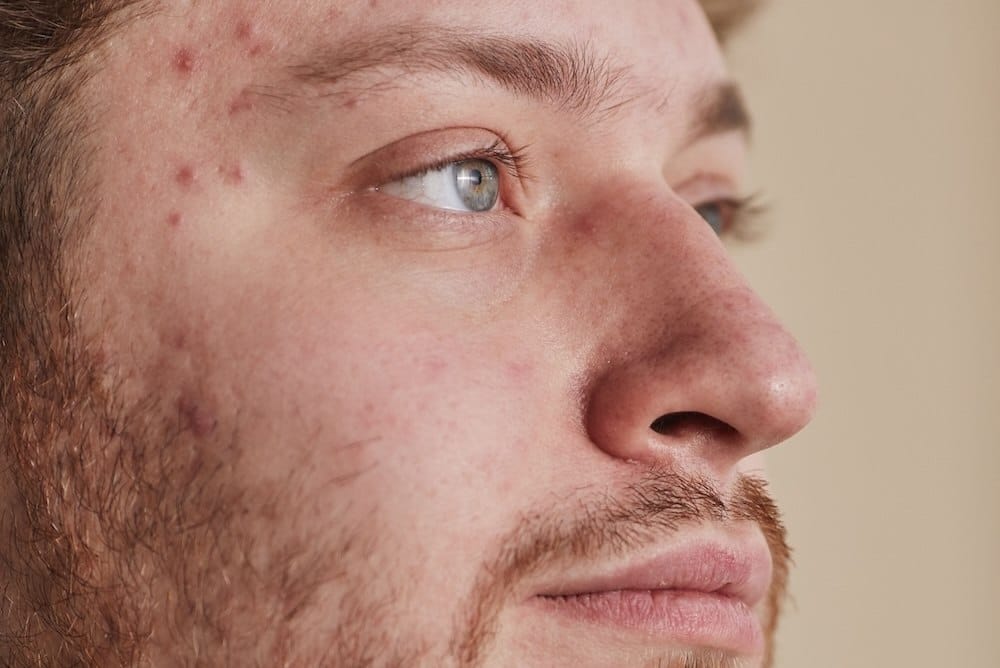
Topical retinoids are powerful, but they aren’t the only treatments available to fade acne scarring. Both at-home care products and clinical treatments may help, but may interact with topical retinoids. Talk to your healthcare provider about which treatments are ideal for you.
At-Home Care
Consistent, daily skincare habits can help improve the appearance of post-acne marks. These measures are often used alongside specialized treatment, with guidance from a healthcare professional.
- Brightening serums and creams: Active ingredients like vitamin C, azelaic acid, and niacinamide slow down excess melanin production, which fades dark spots and evens out skin tone.
- Exfoliating acids (AHAs): Ingredients like glycolic and lactic acid loosen up and dissolve dead skin cells, which speeds up the shedding of discolored skin.
- Broad-spectrum sunscreen: Because ultraviolet (UV) light stimulates melanin production, sun exposure can darken lingering spots and make them last longer. Wearing a daily sunscreen can help prevent further darkening and support the fading process.
Professional Care
In-office procedures can address more severe post-acne scarring and discoloration. Often, these options require multiple sessions to see results, as well as downtime after each session. To prevent complications, these procedures are exclusively administered by professionals who are licensed in their field and certified in the specific procedure. These may include doctors, nurses, estheticians, and cosmetologists, depending on the procedure.
- Chemical peels: High-strength solutions containing acid remove the damaged surface layers of skin, clearing away dark marks and shallow indentations as new skin regenerates.
- Microneedling: Fine needles create micro-punctures in the skin, prompting it to produce new collagen, which lifts indentation scars.
- Resurfacing treatments: Focused heat or light removes surface layers of skin and stimulates collagen production, smoothing out uneven textures.
- Subcision and fillers: Using a needle, a licensed professional detaches fibrous bands that are pulling skin down, then injects fillers to lift indentations.
- Steroid injections: Corticosteroid injections are targeted at raised, thickened scars to break down excess tissue and flatten the skin.
Prevention Is the Best Scar Treatment
Managing acne early can help reduce the risk of long-term scarring. Simple habits, like washing your face daily with a gentle cleanser and regularly laundering pillowcases and towels, can help reduce excess bacteria and oil buildup. When breakouts do occur, using appropriate treatments under the guidance of a healthcare professional may help manage inflammation and reduce the risk of scarring.
What Not To Do When Treating Acne Scarring
Lingering post-acne scars can feel frustrating, and wanting fast results is natural. However, rushing treatment may irritate the skin and make it harder to see results. To promote steady skin repair, keep these guidelines in mind:
- Do not use more product than directed: Applying too much product or using it more often than instructed may damage the skin’s moisture barrier, trigger peeling, and contribute to redness.
- Do not “stack” intensive treatments: Combining potent treatments may increase the risk of irritation. For example, using tretinoin around the time of an in-office chemical peel may increase the risk of discoloration or even cause chemical burns.
- Do not neglect daily sunscreen: UV light stimulates pigment-producing cells, deepening discoloration and counteracting your attempt to fade post-acne marks.
- Do not pick healing skin: Picking at scabs or pulling off flaking skin can prolong inflammation and increase your risk of scarring.
- Do not introduce multiple products at once: Introducing multiple active ingredients at the same time can overwhelm the skin and make it difficult to pinpoint the cause of a negative reaction.
- Do not give up too quickly: Some treatments for acne scars and hyperpigmentation take weeks or months to show results. Stopping a treatment or switching products too soon may make it difficult to assess its effectiveness.
Getting Prescription Retinoids Without an Appointment
When OTC treatments aren’t enough, prescription retinoids are available to treat acne scars and marks. Digital pharmacy platforms like TelyRx let you skip the pharmacy line and access prescription treatments from the comfort of your home.
If you need a new prescription, TelyRx can connect you with an independent, licensed healthcare professional in your state who reviews your health profile and attestation to determine whether your requested medication is appropriate. If approved, the healthcare professional will issue a prescription, which TelyRx then fills at one of our pharmacy locations and delivers directly to you.
Choosing a legitimate digital pharmacy platform is an important first step. To ensure you’re choosing a reliable platform, look for LegitScript certification, licensed U.S. pharmacy partners, and an inventory of FDA-approved medications. For example, TelyRx has LegitScript certification; in-house pharmacists at our licensed pharmacies in Irving, Texas and Clearwater, Florida; and more than 500 FDA-approved medications.
Your Next Steps
Even after acne heals, hyperpigmentation and scars can remain. Treating these post-acne marks may take time and require a consistent skincare routine, sun protection, and targeted treatments. Explore FDA-approved options through TelyRx’s prescription acne collection. TelyRx connects you directly with licensed clinicians online, making it easy to receive budget-friendly, prescription-strength care from home.