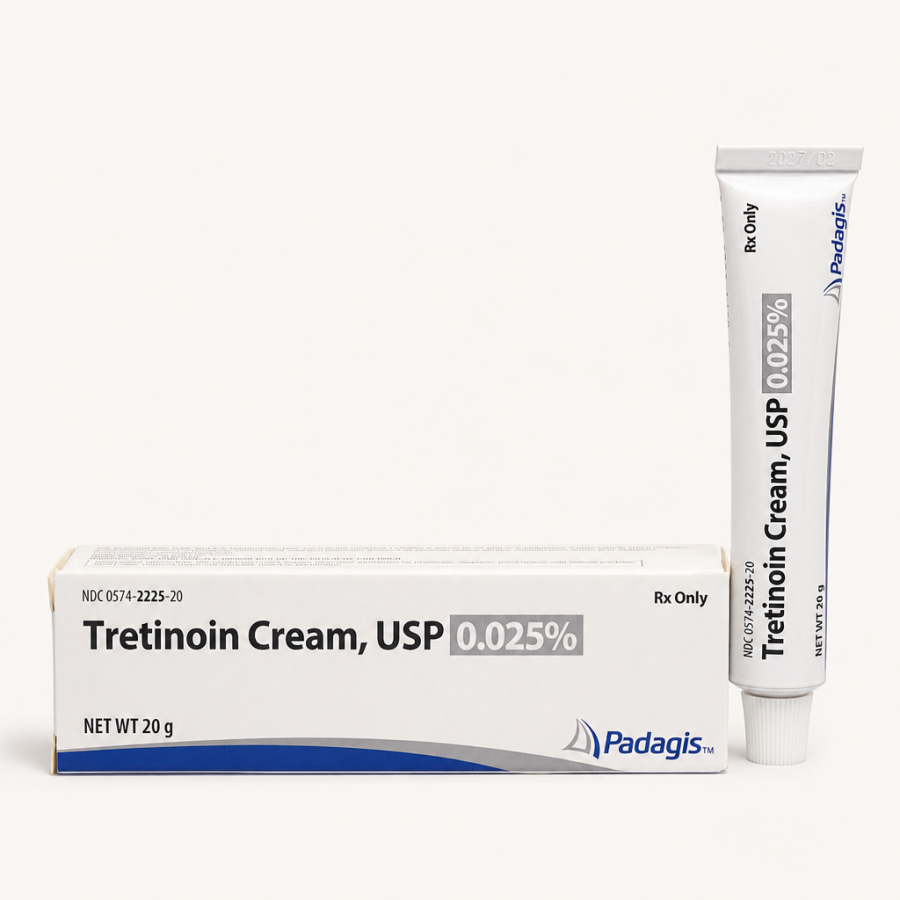
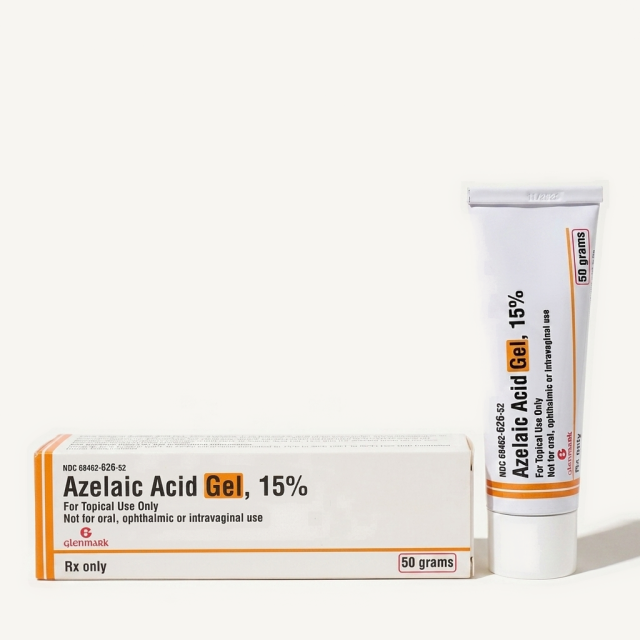
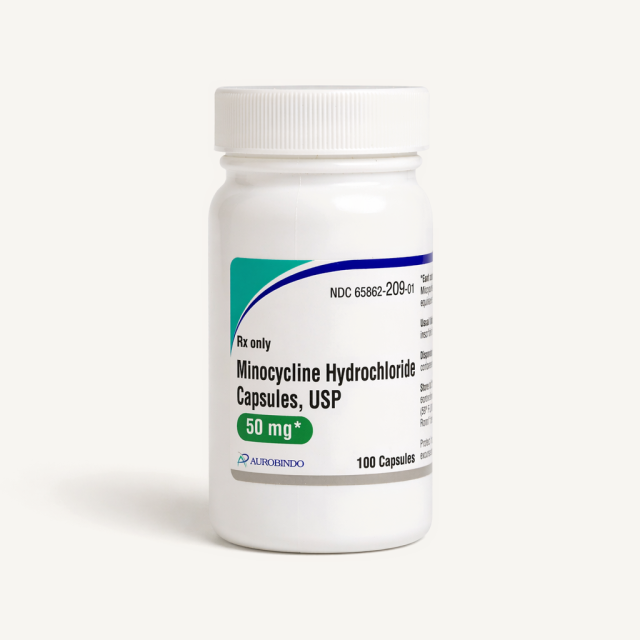
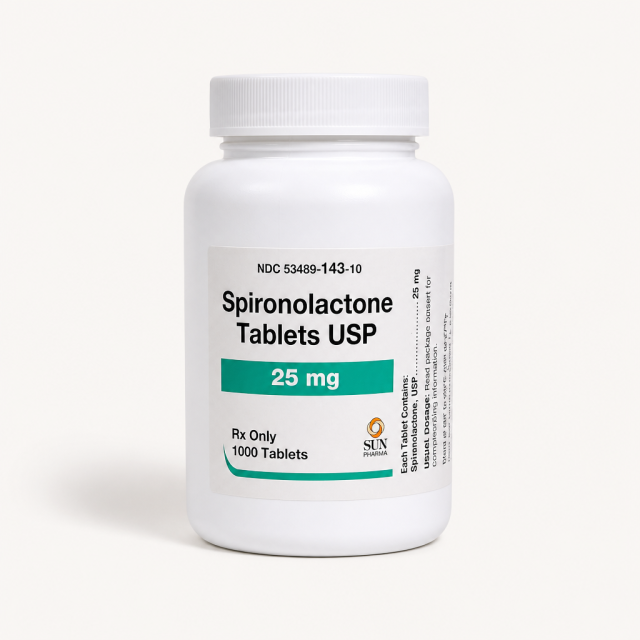
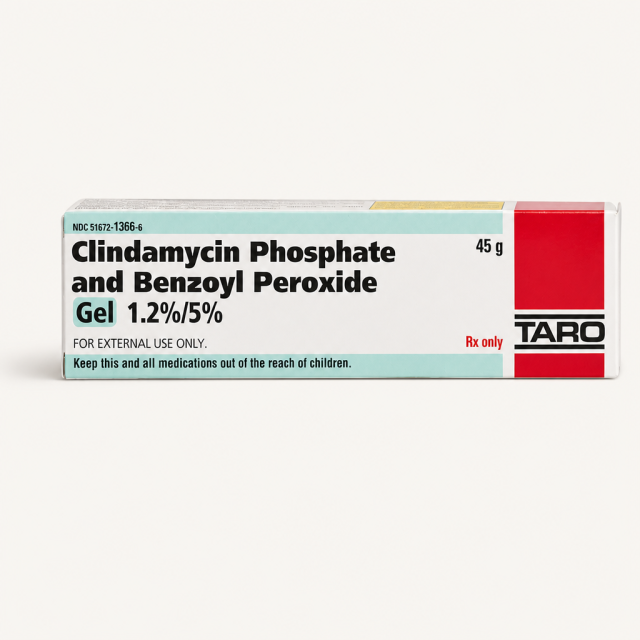
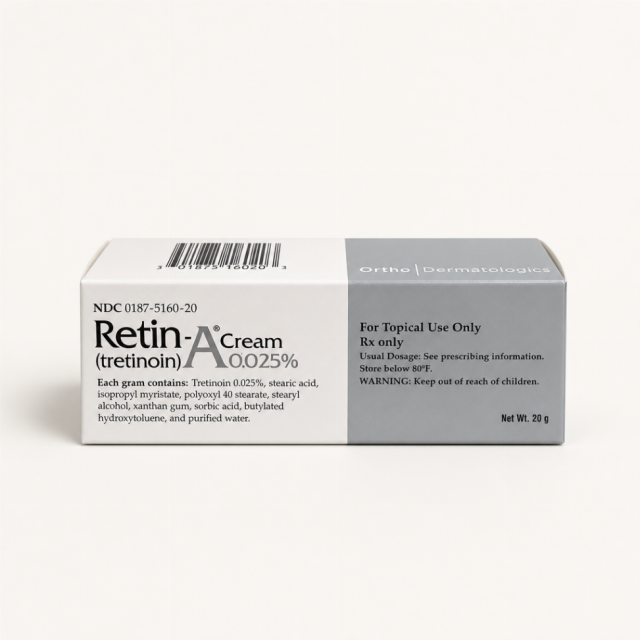
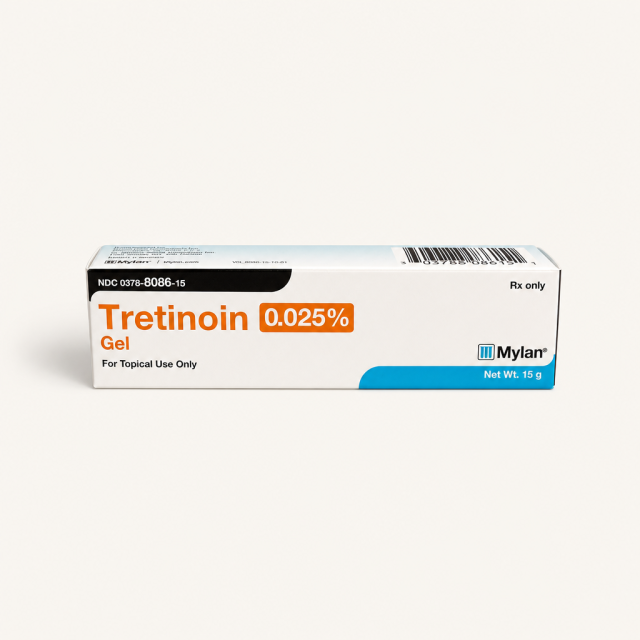
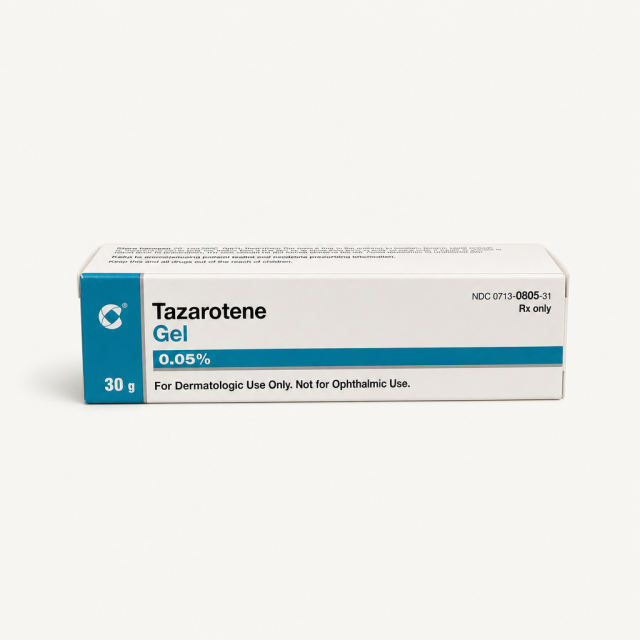
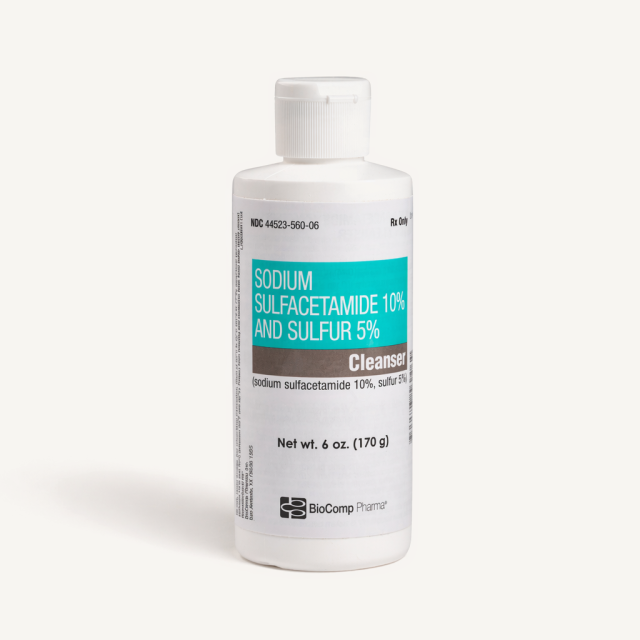
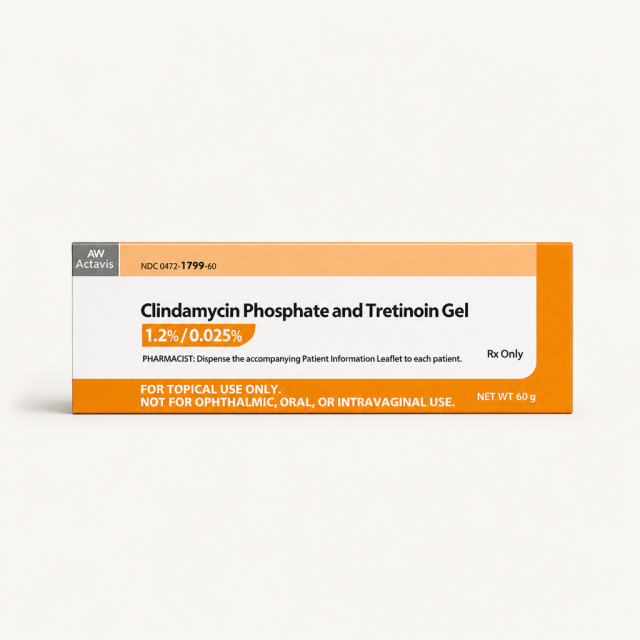
Tretinoin is a topical retinoid used to treat mild to moderate acne by decreasing inflammation, unclogging pores, and improving skin cell turnover. Over time, it can also help improve the appearance of fine wrinkles, uneven texture, and sun-damaged skin. By promoting healthy skin renewal, tretinoin supports a clearer, smoother, and more even complexion.
Tretinoin is available in various strengths and formulations and is typically applied once daily at bedtime. Consistent use is key to achieving the best results, though initial redness, dryness, or irritation may occur during the first few weeks of treatment.
Usage Instructions:
Apply exactly as directed by your healthcare provider, usually once nightly
Cleanse the affected skin gently and allow it to dry completely before applying a thin layer of tretinoin
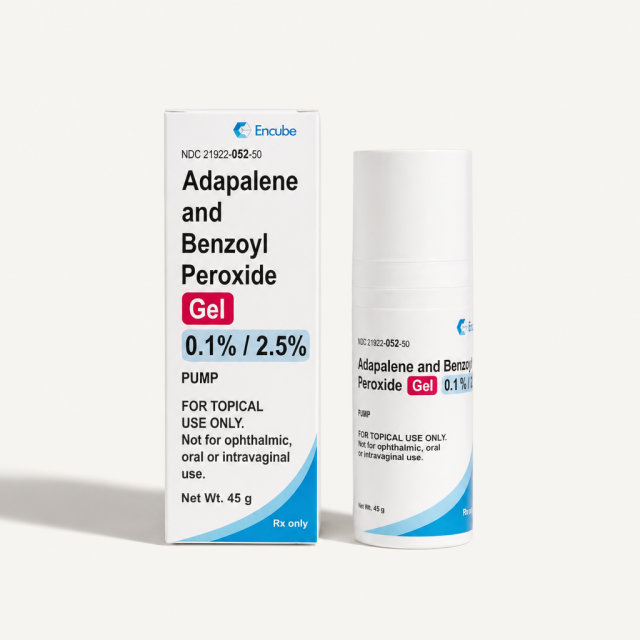
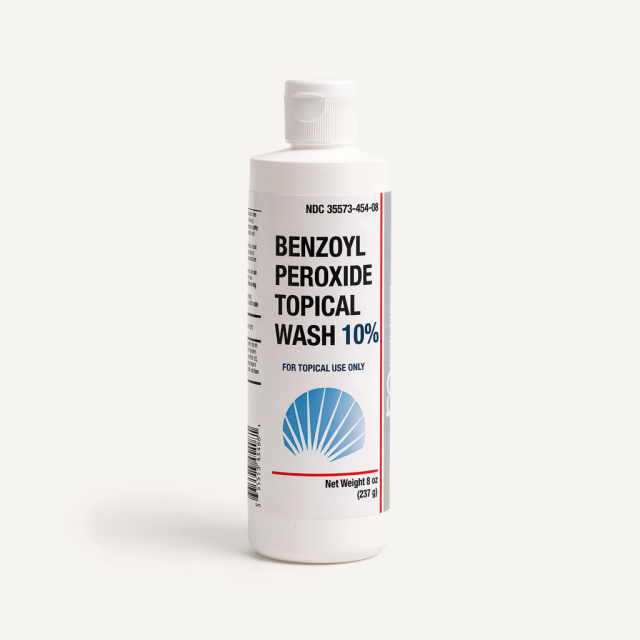
When using with benzoyl peroxide, apply benzoyl peroxide in the morning and tretinoin at night for maximum effectiveness
Avoid contact with eyes, lips, and mucous membranes
Use a moisturizer to help reduce dryness and irritation
Daily sunscreen use is essential, as tretinoin increases sensitivity to sunlight
Warnings & Precautions:
Common side effects include dryness, redness, peeling, and mild burning or stinging at the application site
Avoid excessive sun exposure, tanning beds, and harsh skin treatments while using tretinoin
Use with caution if you have eczema or other chronic skin conditions
Do not apply to broken or sunburned skin
Some skin irritation is common at the start of treatment, but if severe irritation occurs, consult your healthcare provider
Side effects may include dry skin, itching, burning, and sun sensitivity. This product must not be applied to sunburned skin and must be avoided with alcohol, astringents, spices, and citrus peels (e.g. lime).