
Are those sniffles cold symptoms or allergies? Or is it the start of the flu, which demands prescription antiviral treatment within a critical 48-hour window? Is your persistent cough lingering from a previous viral infection, or has it progressed to bacterial bronchitis that needs a targeted antibiotic?
During the 2025–2026 flu season, the CDC estimated at least 32 million illnesses and 390,000 hospitalizations in the United States through May 23, 2026. These preliminary figures show the burden of influenza, one of several all-too-similar illnesses that can begin with overlapping symptoms.
This guide will help you identify the unique clues of the season’s most common illnesses so you can go more directly from symptom recognition to seeking the right, fast-acting treatment.
How to Differentiate Between Common Illnesses
| Illness | Main Symptoms | Duration | Unique Clue |
|---|---|---|---|
| Flu | Fever, body aches, fatigue | 5-7 days | Sudden onset |
| COVID-19 | Cough, fatigue, loss of taste/smell | 5-10 days | Gradual start |
| RSV | Congestion, wheezing, cough | 1-2 weeks | Severe in elderly |
| Bronchitis | Persistent wet cough | Up to 3 weeks | Post-viral cough |
| Cold | Runny nose, sore throat | 5-10 days | Mild overall |
| Norovirus | Vomiting, diarrhea | 1-3 days | GI only |
The human body’s response to a respiratory invader is largely the same: inflammation, fever, and fatigue. This shared defense mechanism means the symptoms of a common cold, seasonal flu, COVID-19, RSV, and even norovirus are frequently conflated.
Here’s why it’s so hard to tell them apart.
Shared Symptoms
The fundamental symptoms, like cough, fatigue, and fever, are present in all acute upper respiratory illnesses. For example, when comparing flu and COVID symptoms, both typically cause severe body aches and high fever, which makes telling them apart based on those factors alone pretty much impossible. The deep, rattling cough that comes with RSV in adults? That can easily look like acute bronchitis. Distinguishing bronchitis vs. flu often requires a closer look.
Seasonal Overlap
To add to the confusion, the flu, COVID-19, and RSV can circulate at the same time without reaching their peaks together. In the CDC’s May 2026 review of the 2025–2026 respiratory season, flu hospitalizations peaked in the week of December 21, COVID-19 the following week, and RSV in the week of February 15. The combined weekly peak was 16.6 hospitalizations per 100,000 people.
Misleading Terminology
The term “stomach flu” is misleading from a medical standpoint. Can the flu cause vomiting? Technically yes, but severe vomiting and diarrhea are rare with influenza in adults. When those gastrointestinal symptoms hit hard, it’s far more likely to be norovirus.
Recognizing the distinction between norovirus and flu is critical: Norovirus requires hydration and supportive care, whereas actual influenza requires timely antiviral treatment. Understanding stomach flu vs. norovirus helps you get the right care.
Better Diagnosis, Better Treatment, Faster Recovery
Separating these illnesses requires paying attention to signals that go beyond “I have a fever.” You have to look at the speed of onset, the dominant symptoms, and the duration. Here are some of the biggest tells between these similar illnesses.
Onset of Symptom Speed
How quickly you go from feeling fine to ill is often the biggest clue. The seasonal flu tends to hit you like a truck. Sudden fever, chills, and severe body aches all arrive at once. This abrupt onset is what sets it apart from COVID-19, where symptoms usually develop more slowly and worsen gradually over several days.
The incubation period for flu vs. COVID is different too: The flu generally takes 1–4 days, while COVID-19 can take 2–14 days. If you’re wondering when you should test for COVID vs. flu, pay attention to this timing because it’s one of your best clues.
Cough Quality
There’s another illness that often gets mistaken for flu or COVID: acute bronchitis. How your cough feels, and when it starts, is the major clue. Bronchitis typically develops after an initial cold or viral infection has run its course, evolving into a persistent, deep, or wet cough that becomes the dominant symptom. A bronchitis cough can last 1–3 weeks, sometimes outlasting the original illness entirely.
When comparing bronchitis vs. COVID, the key difference is that COVID-19 typically includes high fever, body aches, and potential loss of taste or smell, whereas bronchitis is dominated by the cough itself.
While RSV (Respiratory Syncytial Virus) is well-known for causing severe illness in infants, it can also present in adults like a bad cold. Wheezing and shortness of breath can also occur and is especially concerning for those with a higher risk of severe illness, such as those with compromised immune systems. When comparing RSV vs. the common cold, the common cold usually resolves in 7–10 days without respiratory distress, whereas RSV can linger for 2–3 weeks, which may or may not involve wheezing.
The cough associated with RSV tends to be persistent and dry, and you may feel shorter of breath than you would with a typical cold. There’s no specific antiviral treatment for RSV in most adults, so management focuses on symptom relief, rest, and monitoring for complications. If you’re experiencing pronounced wheezing or difficulty breathing, it’s time to seek medical attention.
While no single symptom is a substitute for a clinical diagnosis, paying attention to specific clues can help you narrow down the possibilities.
When Should You Test for Flu, COVID-19, or RSV?
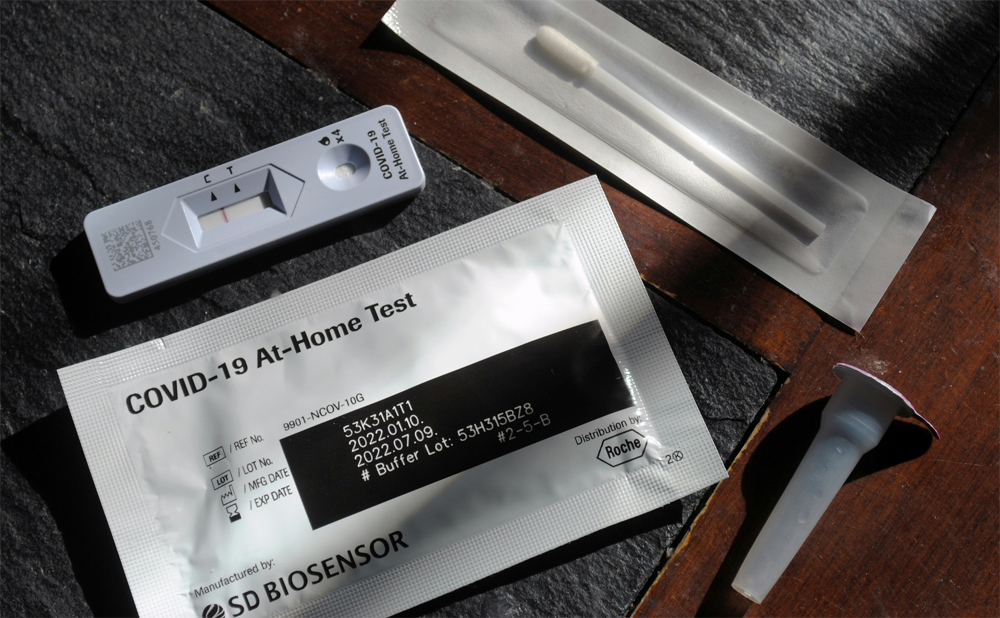
You can test for the flu, COVID-19, or RSV with rapid at-home testing kits, mail-in molecular tests, or in-person clinical tests. The best option depends on when you’re testing and what you need to know.
At-Home Rapid Tests
These tests detect specific viral proteins called antigens. You’ll typically use a nasal or throat swab to collect a sample and then mix it with a liquid buffer solution. The liquid moves across a test strip that contains specially designed lab-made antibodies. If the targeted antigen is present in your sample, it binds to the antibodies and triggers a visible colored line on the strip within 10 to 15 minutes.
At-Home/Mail-In Molecular Tests
An at-home molecular test detects the virus’s genetic material, such as RNA or DNA, in a sample. Depending on the test, you may collect a nasal swab or saliva sample and either process it at home with a testing device or send it to a lab.
Some rapid at-home tests use an electronic reader device to analyze the sample and provide results within about 20 to 30 minutes. With mail-in tests, you send your sample to a laboratory and typically wait longer for your results.
Molecular tests may detect SARS-CoV-2 (the virus that causes COVID-19) or multiple respiratory viruses, such as COVID-19, flu, and RSV.
Tests at a Doctor’s Office or Clinic
If you choose in-person testing, many clinics offer rapid antigen or molecular tests. A clinician can recommend the most appropriate test based on your symptoms, exposure, and other factors.
When Should You Test?
The best time to test depends on the specific virus, whether you have symptoms, and the type of test you’re using. Testing when symptoms begin can help identify the cause of your illness. If you’ve been exposed but don’t have symptoms, follow the testing timing recommended for your specific virus and test. A negative result may not rule out infection if you test too early.
What If Your COVID Test Is Negative?
False negatives occur when a test shows a negative result even though you have the infection. They can happen for several reasons, including:
- Testing too early in the infection
- Inadequate sample collection
- Using an expired or improperly stored test
- Having a low amount of virus in the sample
At-home antigen tests are more likely to miss an infection when viral levels are low, particularly early in an infection. One study estimated that rapid antigen tests missed about 15% to 20% of COVID-19 infections, although the likelihood of a false negative varies depending on when you test and other factors.
If you’re concerned about a false negative, an in-person molecular test, such as a PCR test, provides more sensitive detection. These tests are available through healthcare providers and some urgent care centers, although results may take longer than at-home tests. This may be an option if you’ve had a known exposure and want additional testing before returning to work with vulnerable people, traveling, or attending an event.
What Treatment Do You Need?
Once you have an idea of what you’re dealing with, the next question is: Do I need a prescription? The answer depends on whether your illness has a targeted treatment available.
Flu Treatment
The most urgent scenario is the flu. If flu is strongly suspected or confirmed through testing, prescription antiviral medication like oseltamivir (Tamiflu) is most effective when started within 48 hours of symptom onset. This narrow window is critical because starting antivirals on day three or four won’t give you the same benefit.
However, the antiviral may still be beneficial even if taken past the 48-hour window for those more at risk for health complications, such as those with severe illness or compromised immune systems. If you suspect the flu, act fast.
Treatment For Bacterial Complications
Antibiotics don’t work against viruses like flu or COVID-19, but they’re essential for bacterial complications that may develop afterward. Bacterial bronchitis, sinus infections, and ear infections all require antibiotic treatment.
If you suspect a bacterial infection complication from your bout with the cold or flu, connect with a physician about antibiotics like amoxicillin orazithromycin (Z-Pack).
High Blood Pressure Exceptions
However, keep in mind that if you have a pre-existing condition or are taking other medications, drug interactions could occur. For example, people with high blood pressure require more care when selecting a decongestant as some common active ingredients can interfere with hypertension medication.
Check with your provider or pharmacist for possible drug interactions before beginning any new treatment.
Ready to find FDA-approved treatments for your cold and flu symptoms?
How TelyRx Can Help You

When you’re sick, the last thing you need is more obstacles. TelyRx was designed to eliminate them. TelyRx is a digital pharmacy platform that bridges telehealth access and prescription medication delivery to bring FDA-approved treatments and symptom relief directly to your door.
Whether you have an existing prescription or need a new one, TelyRx can help. Transfer existing prescriptions from your current pharmacy or doctor to our platform, or request a new prescription instead. If you need a new prescription, TelyRx works behind the scenes to coordinate with independent licensed healthcare providers in your state to review your health history and attestation to determine whether the requested treatment is appropriate for your needs.
Once approved, the licensed provider creates your new prescription, which is then filled on site by our experienced, licensed pharmacists. To maintain our high standards, we fulfill all orders in house instead of outsourcing to third-party pharmacy partners. Orders are packed and shipped quickly, with next-day, two-day, and standard delivery options available. This means you can prepare your cold and flu survival kit ahead of time, all with no waiting in line at the pharmacy while you’re feeling terrible.
Your Next Steps
Being sick is miserable enough without adding confusion and delays to the mix. You shouldn’t have to guess what you have, wonder if you need treatment, or wait days to get help. Whether it’s the 48-hour flu window closing fast, a lingering cough that won’t quit, the wheezing that’s making it hard to breathe, or the exhaustion of trying to figure out if this is “just a cold” or something that needs attention, you deserve access to care on your timeline, not a waiting room’s.
That’s what we’re here for. Clear information, fast access to independent, licensed physicians, and medications delivered to your door. No guesswork. No runaround. Just you, getting better.