
A dog’s quality of life is closely tied to their ability to move freely. Whether it is a puppy’s first zoomies or an older dog’s walk to the park, healthy joints are the foundation of these moments. Joint care is a lifelong process that adapts as your dog grows, focusing on different needs at every stage to keep them comfortable and active.
Key Takeaways
- Maintaining an ideal body condition reduces physical strain and helps manage systemic inflammation.
- Puppies require controlled activity to protect vulnerable growth plates and support proper skeletal development.
- Prioritizing comfort for aging pets involves gentle movement and home modifications.
Why is Joint Health Important for My Dog’s Well-being?
Joints can be thought of as the hinges for every daily activity. When the cartilage, fluid, and surrounding tissue are healthy, dogs can play and explore without restriction. If joint health declines, it can lead to a loss of independence. You might notice your dog withdrawing from family activities, becoming irritable, or losing interest in toys they once loved.
Physical ease and mental health are linked. When a dog can no longer perform their usual routines, like greeting you at the door or jumping onto their favorite chair, their mood often shifts. They may start sleeping in new areas of the house simply to avoid a single step or a slippery floor.
While some breeds are more likely to face genetic issues like hip dysplasia, lifestyle habits often determine how early these challenges appear. Proactive care focuses on protecting the joint’s natural cushioning to help delay the cycles of inflammation that characterize long-term wear.
What Should I Do for My Puppy’s Developing Joints?
In the puppy stage, the skeleton is still hardening. Growth plates are soft areas of developing tissue at the ends of long bones that remain vulnerable until the dog is fully grown. The timing for this varies; large breeds often take longer to reach skeletal maturity than smaller dogs. During this window, significant physical stress can cause growth plates to shift, which may lead to lasting stability issues.
Puppy exercise should be about play rather than performance. Avoid long-distance running on hard pavement, repetitive high-impact jumping, or steep stairs. Focus on short sessions on soft surfaces like grass. Even simple actions, like jumping out of a high vehicle or down from a tall bed, can cause repetitive micro-trauma.
Nutrition is also a primary factor. Large breed puppies often need specialized food to ensure they do not grow faster than their supporting muscles and ligaments can handle. Steady growth is safer for the joints than a rapid increase in size. Your veterinarian can help determine if your puppy’s diet is appropriately balanced for their breed and expected adult weight.
How Can I Maintain My Adult Dog’s Joint Health?
Once a dog reaches adulthood, the goal transitions to maintaining the mobility they have. Consistent daily habits are often more effective than occasional intense activity. Joint health at this stage relies on a lean body and regular, moderate movement.
Weight management is often considered one of the most important factors in long-term comfort. A dog is generally at an ideal weight if you can feel their ribs easily under a thin layer of fat, though they shouldn’t necessarily be visible. Keeping them lean reduces the daily load on their hips, knees, and elbows.
Consistency helps prevent soft tissue injuries. A “weekend warrior” pattern, where a dog is sedentary all week followed by an intense hike, can be hard on the body. Instead, aim for daily, low-impact walks. Swimming is another excellent option as it builds muscle without putting pressure on the joints.
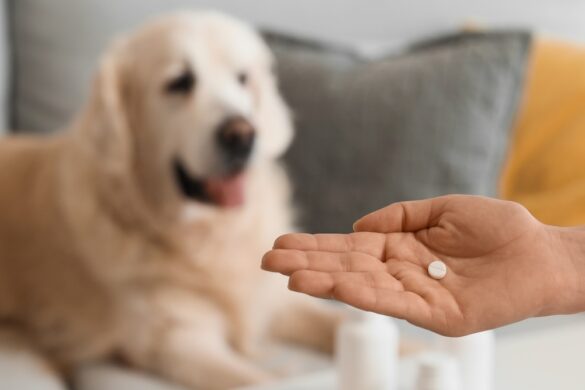
In some cases, owners introduce supplements like glucosamine, chondroitin, or Omega-3 fatty acids during these middle years. These ingredients may help support cartilage health and manage inflammation before significant wear occurs. When selecting a supplement, look for products that undergo independent quality testing to ensure the ingredients match the label.
What Changes Should I Make for My Senior Dog’s Joints?
As a dog ages, the cumulative effects of a lifetime’s movement may become more visible. The focus for a senior dog is maintaining comfort and preserving their current activity level. At this stage, your veterinarian may recommend specific medications to help manage chronic inflammation.
Simple home modifications can significantly ease daily strain:
- Ramps and steps: Provide these for cars and furniture to eliminate the need for high-impact jumping.
- Non-slip flooring: Placing yoga mats, area rugs, or rubber runners on slick floors helps prevent the muscle strain that comes from struggling to stand.
- Raised bowls: Elevated feeders allow a dog to eat without straining their neck or shifting too much weight onto their front legs.
- Orthopedic bedding: Support pads help ease morning stiffness by keeping the dog’s weight off the hard floor.
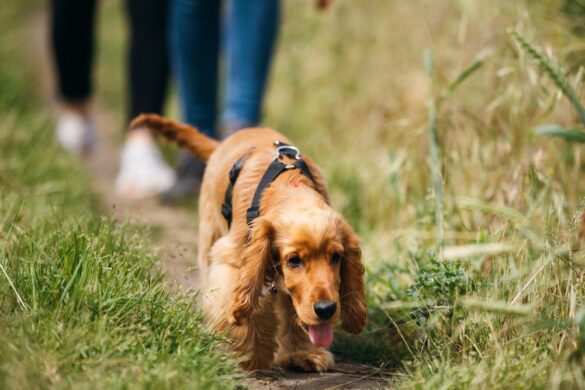
Gentle activity should continue. Senior dogs need muscle to support their joints, but they often do better with several short walks rather than one long one. If your dog seems unusually stiff the next morning, it may be a sign to shorten the next outing. “Scent walks” where the dog spends more time sniffing than walking, provide great mental engagement with little physical impact.
When To Talk to a Vet About Dog Joint Health
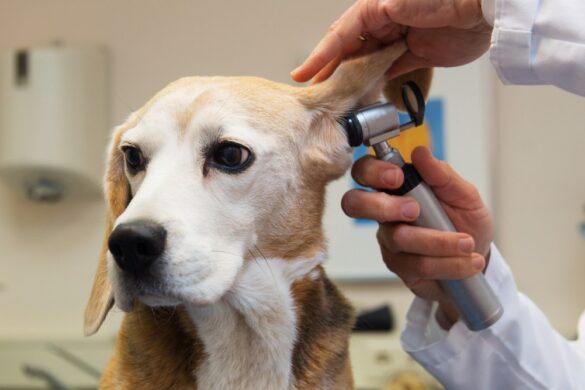
Dogs are experts at masking discomfort, and many do not whimper or bark even when in pain. Instead, they change how they move. Any shift in your dog’s normal routine warrants a professional evaluation to rule out injuries or other underlying conditions. During a visit, a veterinarian may check for heat, swelling, or a lack of smooth motion in specific joints.
Watch for these signs of potential discomfort:
- Hesitation before using stairs or jumping
- Stiffness after sleeping seems to improve once the dog moves around
- Repeated licking or chewing at a particular joint
- Visible muscle loss in the shoulders or hindquarters
- Changes in mood, such as appearing grumpy or snapping when touched
- Standing with a hunched posture or frequently shifting weight
What Are Common Misconceptions About Canine Joint Care?
A common myth is that “natural” products can be perceived as better or safer. While some botanical ingredients are useful, they can still cause stomach upset or interfere with other medications. It is important to consult a professional before adding any new supplements to your dog’s routine.
Another misconception is that exercise should stop entirely once a dog shows signs of arthritis. Long periods of rest can lead to muscle loss and weight gain, which often makes joint pain worse. A helpful strategy is finding a “low and slow” activity level that keeps them moving without causing a flare-up.
Finally, do not assume a dog is just “slowing down” because they are getting older. While energy levels naturally dip, a reluctance to move is often a sign of pain that can be managed. Joint issues are also not exclusive to large breeds; small dogs like Dachshunds and Corgis are also prone to specific joint and spinal challenges. Adapting your care as your dog ages is a strong way to support their lifelong mobility.
FAQs
When is the best time to start joint supplements for my dog?
Many veterinarians recommend beginning a joint support protocol once a dog reaches skeletal maturity, particularly for large breeds or very active dogs. Consult your vet to determine the appropriate timing and ingredients for your pet.
What are the most effective low-impact exercises for older dogs?
Short, frequent walks and swimming are often recommended for senior dogs. These activities help maintain muscle mass to support the joints without the high impact of running or jumping.
How can I tell if my dog is at a healthy weight for their joints?
You should be able to feel your dog’s ribs easily under a thin layer of fat, and they should have a visible waist when viewed from above. Maintaining this lean condition is the most effective way to reduce stress on their joints.
What environmental changes help dogs with joint stiffness?
Using ramps for vehicles, non-slip rugs on smooth floors, and orthopedic beds can significantly reduce the physical strain your dog experiences daily at home.
Can I give my dog human joint supplements?
You should only use supplements specifically formulated for pets. Human products may contain ingredients or dosages that are not safe for dogs. Always verify your choices with your veterinarian first.
Disclaimer: This content is for informational purposes only and does not replace professional veterinary advice. Consult your veterinarian for diagnosis and a treatment plan for your dog’s health.