The best recovery meals for pets focus on highly digestible, low-fat proteins and simple carbohydrates like boiled chicken and white rice to soothe the digestive system. To bridge the gap between clinical care and home, managing your pet’s nutritional intake is key to supporting recovery at home.
Key Takeaways
- A bland diet consisting of lean protein and simple starches reduces gastrointestinal strain while providing the essential amino acids needed for tissue repair and immune function.
- Post-anesthesia feeding requires a cautious approach, starting with small water increments and moving to highly digestible, softened foods to manage potential nausea and aspiration risks.
- Transitioning back to regular food should be a gradual, multi-day process to prevent digestive relapse and ensure the pet’s microbiome adapts safely to standard nutrient densities.
Watching your pet wake up from surgery or struggle through a digestive illness is one of the most stressful experiences a pet parent can face. The clinical environment provides a safety net of monitors and experts, but once you arrive home, the responsibility of care shifts entirely to your shoulders.
Nutrition is the cornerstone of this recovery phase, yet instructions can often feel vague or overwhelming when you are already dealing with postoperative anxiety. This guide is designed to remove that mental burden by providing clear, actionable steps for preparing recovery meals that support healing without overtaxing a delicate system.
Why To Prioritize Nutrition After Pet Injury, Illness, or Surgery
When a pet is recovering from surgery, injury, or severe illness, their metabolic needs change significantly. The body enters a hypermetabolic state where it requires extra energy to repair tissues, fight off potential infections, and restore internal balance. However, the paradox of recovery is that while the body needs more fuel, the digestive system is often at its weakest due to the lingering effects of anesthesia, medications, or the primary illness itself.
Providing the right nutrients isn’t just about feeding the dog or cat; it is about biological signaling. High-quality proteins provide the literal building blocks (amino acids) for wound healing. Without adequate protein, the body may begin to break down its own muscle tissue to fuel the repair process, leading to weakness and a longer recovery window. According to VCA Animal Hospitals, a bland diet serves as a reset button for the gut, allowing it to process nutrients with minimal effort.
Immediate Feeding After Anesthesia
Anesthesia slows down everything, including the gastrointestinal (GI) tract. This sleepy gut is less efficient at moving food along (peristalsis), which is why many pets experience nausea or vomiting if fed too soon or too much after a procedure. The first rule of post-surgical feeding is patience.
According to the American Veterinary Medical Association (AVMA), the gag reflex and esophageal motility may be impaired for up to 24 hours post-anesthesia, making small portions critical to avoid the risk of aspiration.
Introduce Water Safely
Before food comes hydration. However, a thirsty pet might gulp water too quickly, leading to vomiting. Offer small amounts of water or even ice cubes every hour. If your pet keeps water down for 3 to 4 hours without distress, you can move on to offering a small portion of food.
Signs of Post-Anesthetic Nausea
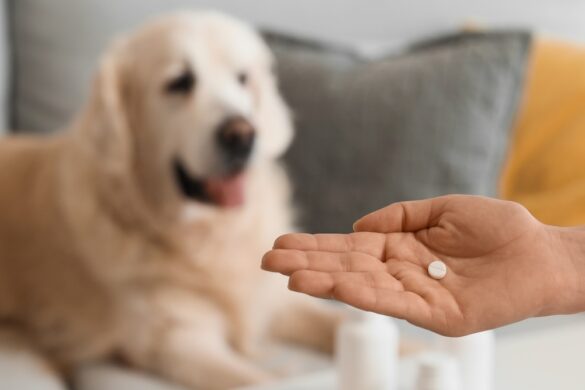
Keep a vigilant eye out for lip licking, excessive drooling, or a reluctance to look at food. These are subtle cues that the stomach is not ready. If you see these signs, it is best to wait another few hours. If your vet has prescribed anti-nausea medication, ensure you are following the schedule precisely using a tracking tool to avoid any gaps in coverage.
The Classic Bland Diet
The Gold Standard for a recovery meal is a combination of a lean protein and a simple starch. This combination is designed to be incredibly easy to break down, leaving very little residue in the colon and requiring minimal enzyme production from the pancreas.
Data from the Cornell University College of Veterinary Medicine shows that approximately 70% of a pet’s immune system resides in the gut, emphasizing why easy-to-digest carbohydrates like white rice are vital for overall healing.
Step 1: Choosing the protein
Boiled chicken breast (skinless and boneless) is the most common choice. Other excellent options include:
- Extra-lean ground turkey (drained of all fat)
- Low-fat cottage cheese (if the pet is not lactose intolerant)
- Boiled white fish (like cod or tilapia)
- Hard-boiled eggs (chopped small)
Step 2: Choosing the carbohydrate
White rice is the preferred starch because it is low-fiber and high-energy. While brown rice is healthier for a daily diet, its high fiber content makes the gut work harder, which we want to avoid during recovery. Alternative carbohydrates include:
- Plain boiled potatoes (peeled)
- Plain canned pumpkin (not pie filling)
- Plain boiled sweet potato
Step 3: The cooking process
Crucially, recovery meals must be prepared without any added oils, butter, salt, or seasonings like garlic and onion (which are toxic to pets). Boiling is the preferred method because it allows any residual fat to be skimmed off the top.
The ratio is typically 2:1 or 3:1, or two to three parts starch to one part protein. This ensures the meal is high in easily accessible glucose while providing enough protein for repair.
Specialized Superfoods for Sick Pets
Beyond the standard chicken and rice, certain foods can provide targeted support for specific recovery needs. Adding these to the bowl (under veterinary guidance) can enhance the healing process.
Bone Broth for Hydration
Bone broth is packed with collagen, glycine, and minerals. It is incredibly gentle on the stomach and can entice a pet with a low appetite to drink. Ensure the broth is homemade or specifically formulated for pets to avoid the high sodium and onion powder found in grocery store versions. For more on the benefits of broth, see AKC’s guide to upset stomachs.
Pureed Pumpkin for Fiber
Canned pumpkin is a miracle worker for diarrhea. It contains soluble fiber that absorbs excess water in the digestive tract while also providing potassium to replace electrolytes lost during illness. Note that this is not the same as pumpkin pie filling.
Probiotics for Restoring the Microbiome
Clinical observations from the Cornell University College of Veterinary Medicine suggest that probiotic supplementation can reduce antibiotic-related diarrhea by nearly 50% in recovering pets.
Antibiotics are often prescribed after surgery to prevent infection, but they also kill off good bacteria in the gut. Adding a pet-specific probiotic to the recovery meal can help prevent the antibiotic diarrhea that often complicates recovery.
How To Handle a Pet Refusing To Eat
Loss of appetite after a procedure is common but concerning. A pet that does not eat is not getting the energy required for healing. If your pet refuses the bland diet, you can try several enticement strategies:
- Warm the food: Heating the meal to body temperature (about 100°F) enhances the aroma, which is the primary driver of appetite in cats and dogs.
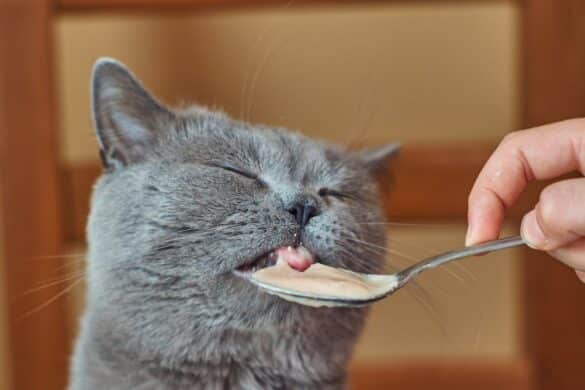
- Hand-feeding: Sometimes the emotional comfort of being fed by hand encourages a stressed pet to take those first few bites.
- Pureed snacks: Stage 1 meat-only pureed baby foods (like chicken or turkey) are palatable and smooth. Always check the label to ensure no onion or garlic powder is included.
- Toppers: A small sprinkle of nutritional yeast or a tiny bit of juice from a can of tuna (in water, not oil) can act as a powerful scent lure.
Safest Way to Transition Back to Regular Food
One of the most frequent mistakes pet parents make is switching back to kibble as soon as the pet seems fine. This often leads to a rebound of vomiting or diarrhea because the stomach is not yet ready for the high fat or fiber content of standard food. A gradual transition is essential.
The 5-Day Transition Schedule
- Day 1: 100% Bland Diet
- Day 2: 75% Bland Diet, 25% Regular Food
- Day 3: 50% Bland Diet, 50% Regular Food
- Day 4: 25% Bland Diet, 75% Regular Food
- Day 5: 100% Regular Food
If at any point your pet experiences soft stool or lethargy, move back one step for an additional 24 hours.
When To Call the Veterinarian
While home care is vital, it must always be done in partnership with clinical experts. You should contact your vet immediately if you notice:
- Vomiting that lasts more than 12 hours.
- Complete refusal to eat for more than 24 hours.
- Blood in the stool or vomit.
- Extreme lethargy or inability to stand.
- A distended or painful abdomen.
Persistent GI distress after surgery can indicate a reaction to medication or a secondary complication that requires immediate medical intervention.
Practical Tips For the Recovery Kitchen
To make the process easier on yourself, consider these practical tips:
- Batch cook: Prepare a large pot of rice and chicken at once. Portion it into meal-sized containers and freeze what you will not use in the first 48 hours.
- The texture trick: For pets with low energy, use a blender to turn the chicken and rice into a thick slurry. This requires less chewing and is easier to swallow.
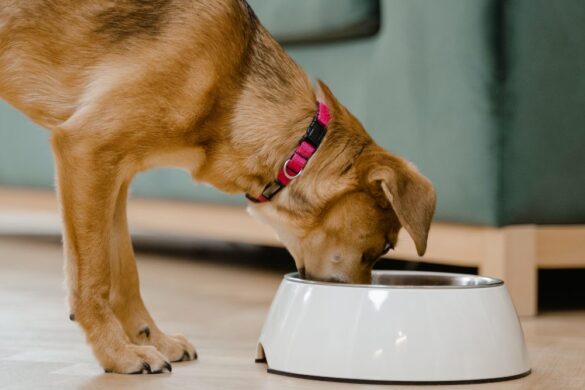
- Elevated feeding: Use an elevated bowl or a small platform to help your pet eat without having to strain their neck or abdominal muscles, especially after surgery.
Recovery is a marathon, not a sprint. By focusing on gentle, nutrient-dense meals and maintaining a steady, predictable routine, you provide the optimal environment for your pet’s body to heal. Remember, you are the most important part of your pet’s recovery team. With the right tools and a calm, grounded approach, you can transform a period of anxiety into a season of bonding and restorative care.
Disclaimer: This content is for informational purposes only and does not replace professional veterinary advice. Consult a qualified veterinarian for diagnosis and treatment plans for your pet.