

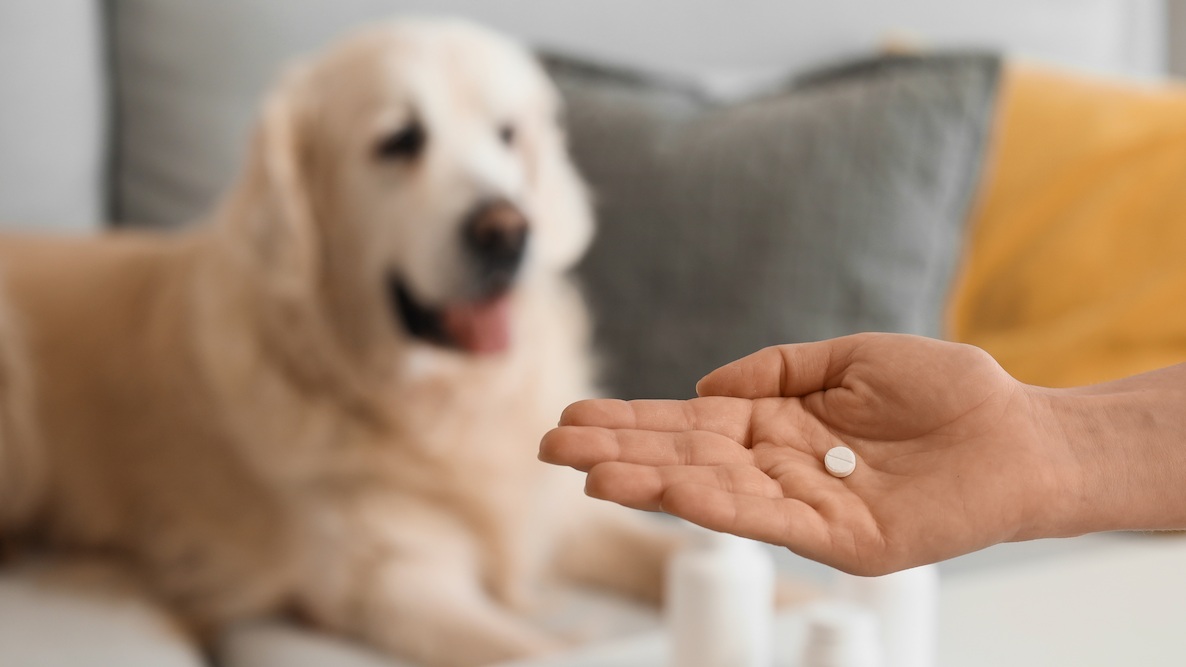
To give a dog a pill, hide it in a moldable, xylitol-free food like peanut butter or use the “three-treat” method to trigger a quick swallow. If food is not an option, gently open the muzzle and place the pill at the back of the tongue, then stroke the throat to encourage swallowing.
Key Takeaways
- Concealing medication in high-value foods is a common strategy, provided the food is safe for the dog’s specific health needs.
- Manual administration requires a calm, systematic approach to ensure comfort for the dog during the swallowing process.
- Consistent rewards and low-stress handling help avoid long-term aversion to medical treatments.
Giving medication is an essential skill for pet owners, yet it can often become a source of stress. Whether your dog needs a short course of antibiotics or daily support for a long-term condition, the process should be as steady and predictable as possible. It is common for dog owners to report difficulty administering oral medication. By mastering a few reliable techniques, you can help your dog receive the care they need without turning pill time into a daily struggle.
The Challenge of Pilling a Dog
Finding a partially dissolved pill on the rug minutes after you thought your dog had swallowed it is a common experience. This struggle can often stem from a dog’s sensory system. Dogs possess a high number of scent receptors, which allows them to detect the smell of a pill even when it is hidden inside food. This keen sense of smell can turn a simple task into a battle of wits, especially with medications that have a strong chemical odor.
Beyond smell, taste and texture are major factors. Certain medications are bitter, a flavor profile that dogs are naturally wired to avoid. When a tablet begins to dissolve, that bitterness can trigger a rejection reflex. The texture of tablets or the sticky surface of certain capsules can also feel unnatural to a dog, leading them to manipulate the item in their mouth until they can spit it out.
Past experiences play a role as well; if a pill was previously given in a stressful manner, a dog may develop a defensive posture, such as tensing the jaw or retreating when they see the medication bottle.
Easiest Ways to Hide a Pill in Food
For many families, the “hide and seek” method is a common approach. The goal is to create a small treat that the dog swallows without chewing. Soft foods are often used because they can be molded around the pill to mask scent and texture. Options include plain, xylitol-free peanut butter, canned pumpkin, or low-fat cream cheese. Commercial pill pockets are also specifically designed for this purpose.
However, some medications should not be given with certain foods. For instance, some antibiotics may bind to the calcium in dairy products, such as cheese or yogurt, which can affect how the medication is absorbed. High-fat items may also be inappropriate for dogs with specific health restrictions.
One effective strategy is the “three-treat” method. Prepare three small treats: the first is plain, the second contains the pill, and the third is plain. Give the first treat to build trust and trigger the swallowing reflex. Immediately follow with the second treat, and then quickly show them the third plain treat. The anticipation of the final treat often causes the dog to swallow the medicated one quickly. When preparing these, handle the pill with one hand and the food with the other to avoid transferring the scent of the medicine to the outside of the treat.
Pilling a Dog Without Food
There are times when food is not an option, such as when a dog is nauseated or fasting for a procedure. In these cases, manual administration is necessary. Practicing the mouth-opening technique without a pill first can help build comfort for both you and your dog. Place your dog in a comfortable position; for many, having their rear in a corner prevents them from backing away.
To open the mouth, place one hand over the top of the dog’s muzzle, using your thumb and fingers to gently press the lips over the upper teeth. As you tilt the head back slightly, the lower jaw typically drops. Use your other hand to hold the pill between your thumb and index finger. Use another finger on that same hand to press down on the lower front teeth to fully open the mouth. Position the pill near the throat, ensuring it is placed as far rearward as safely possible.
Remove your hand immediately, hold the muzzle shut, and gently stroke the throat in a downward motion to encourage the swallowing reflex. Gently blowing on the dog’s nose can also trigger a swallow. Success is usually indicated when they lick their nose or you see a visible gulping motion. Check the floor and bedding afterward to ensure the pill was not spat out.
Tools That Can Help
If manual administration is difficult, a pill dispenser (or “pill gun”) is a practical tool. These are plastic devices with soft tips that hold a pill and place it at the back of the throat. This allows for placement without putting your hand deep into the dog’s mouth, reducing the risk of accidental bites. This is often helpful for smaller dogs or those with narrow mouths.
To use a dispenser, load the pill into the rubber tip. Open the dog’s mouth using the manual technique, then insert the tip of the dispenser deep into the oral cavity. Depress the plunger to release the medication. It is important to be gentle. The goal is to place the pill past the hump of the tongue where it is harder for the dog to spit out. After the pill is released, follow the same steps to confirm the swallow. Rinse the dispenser with warm water after each use to keep it clean.
What Should I Do If My Dog Still Refuses the Pill?
Even with the correct technique, some dogs may persistently resist. If a dog shows signs of intense distress, such as growling or trembling, it is best to stop. Forcing the issue can lead to a breakdown in trust or accidental choking. If a pilling attempt fails, take a fifteen-minute break to let the dog’s heart rate return to normal before trying again in a different room.
Check with a veterinarian before crushing or altering any medication. Certain tablets are film-coated or designed for timed release. Crushing them can cause the medicine to be absorbed too quickly or make the taste unpalatably bitter. If your dog continues to refuse, consult your veterinarian about alternative medication forms. Some prescriptions can be made into flavored liquids, chewable treats, or gels that are absorbed through the skin of the ear.
How To Make Pill Time Less Stressful
The goal for long-term care is for medication time to become a routine, positive event. This is often achieved through classical conditioning, pairing the medication with a high-value reward to create a positive association. Immediately follow a successful pill with a favorite toy, a special treat, or a fun activity. This helps change the dog’s perception of the process from a chore into something they anticipate.
Your own demeanor is also important. Dogs are sensitive to human stress. Keeping your movements slow and using a neutral, upbeat voice can help keep the dog relaxed. Try to vary the location of the pilling so it does not become a predictable ritual that triggers a flight response. By maintaining a calm environment and using consistent rewards, you can help necessary treatments remain a manageable part of your dog’s well-being.
FAQs
What are the safest foods to hide a dog’s pill in?
Common safe foods include plain peanut butter (xylitol-free), canned pumpkin, or low-fat cream cheese. It is important to check with a veterinarian first, as some medications may not be mixed with dairy or high-fat foods.
What should I do if my dog keeps spitting out their medication?
If your dog spits out the pill, try the ‘three-meatball’ trick or use a pill dispenser to place the medication slightly further back on the tongue. If rejection continues, contact your veterinarian to discuss flavored liquids or chewable alternatives.
Is it safe to crush my dog’s pills and mix them with food?
Pills should not be crushed without consulting a veterinarian or pharmacist. Many tablets have specific coatings for timed release or to protect the stomach; crushing them can interfere with how the medication works.
How does a pill dispenser work for dogs?
A pill dispenser is a soft-tipped tool that helps place a pill toward the back of a dog’s throat. This can be a useful option for dogs that are difficult to pill manually.
How can I tell if my dog has actually swallowed the pill?
Signs of a successful swallow often include the dog licking their nose or a visible gulping motion in the neck. Watch them for a few minutes afterward to ensure they have not kept the pill in their cheek to spit out later.
Note: This information is for educational purposes and is not a substitute for professional veterinary advice. Follow the specific instructions provided by your veterinarian for your pet’s prescription.