

Giving oral medication to a cat is a common hurdle for many owners. While it can feel daunting, mastering specific techniques can help make the process a smooth part of your daily routine. Understanding a cat’s natural instincts is the first step toward reducing stress for both of you.
The quick answer? Hiding a pill in a small amount of strong-smelling soft food or a pill pocket can be an effective way to medicate a cat. If you have to medicate by hand, lift the cat’s chin upward, place the pill toward the back of the throat, and follow with water to help it reach the stomach. But we know this is often easier said than done.
This guide provides practical methods for giving medication, from masking it in food to direct manual techniques. By approaching the process with calm, steady movements, you can help your cat stay comfortable.
Key Takeaways
- Preparation is foundational: gather every supply and choose a quiet, familiar room before involving your cat.
- Avoid “dry pilling”your cat. A cat’s esophagus is delicate, and a dry tablet can cause irritation or take a long time to move through the throat.
- Consistent rewards, such as immediate praise or a favorite treat, help make future treatments manageable for both you and your pet.
Why Is Giving A Cat A Pill So Challenging?
Cats are biologically wired to be protective of their physical boundaries. One reason they may resist pilling is their sensitive sense of smell and taste. A cat’s nose allows them to detect even small amounts of bitter medication hidden in food, which often leads to the pill being left at the bottom of the bowl.
Physically, the feline mouth and throat are designed for specific types of ingestion. Their tongues are covered in tiny barbs that help with grooming, but these same barbs can make a dry pill feel like a foreign object that needs to be spat out. Cats also have a reflex that causes them to shake their heads when they feel pressure on the sides of the jaw. This is a natural protective mechanism rather than a behavioral issue, but it can make giving your cat medication extra frustrating.
Environmental triggers can also play a role. If a cat hears a pill bottle rattling or senses tension, their instinct is to seek a hiding spot. Recognizing these triggers is essential for creating a more predictable environment for treatment.
What Are Effective Ways To Prepare For Giving My Cat A Pill?
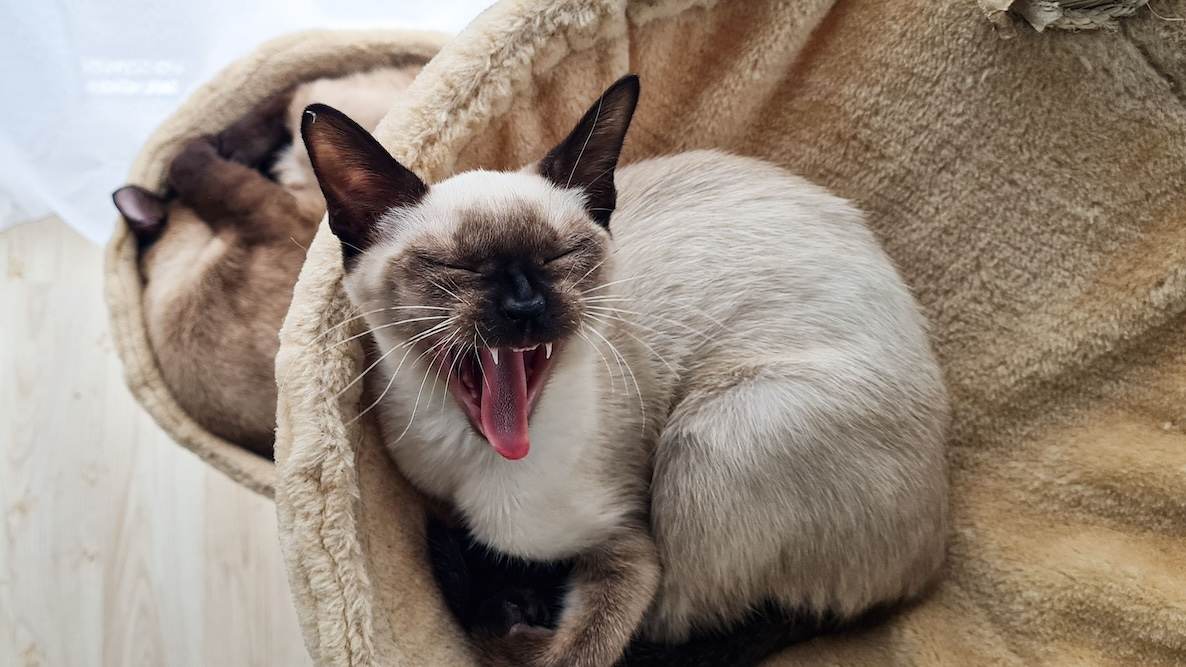
Preparation is the foundation of a steady care routine. Before you find your cat, collect every necessary item: the medication, a small amount of water in an oral syringe, a high-value treat, and a towel.
Understanding the medication is vital. Check the label or ask your vet if the pill should be given with food or on an empty stomach. Typically, you should check with a vet before crushing pills, as some medications have bitter coatings or are designed for slow release. Breaking them can make the medicine taste even more unpleasant or change how the body absorbs it.
Choose a room without easy hiding spots. Placing your cat on a waist-high surface, like a counter, can give you better control. If the surface is slippery, lay down a towel so the cat feels secure. This physical stability helps the cat remain calm and makes the process straightforward.
How Can I Hide a Pill In My Cat’s Food Or Treats?
Masking medication is generally a less intrusive method for administering treatment. The “three-treat method” is often successful: offer one plain treat, followed by the medicated treat, and immediately finish with another plain treat. This encourages the cat to swallow the second one quickly in anticipation of the third, leaving less time to notice the pill’s texture.
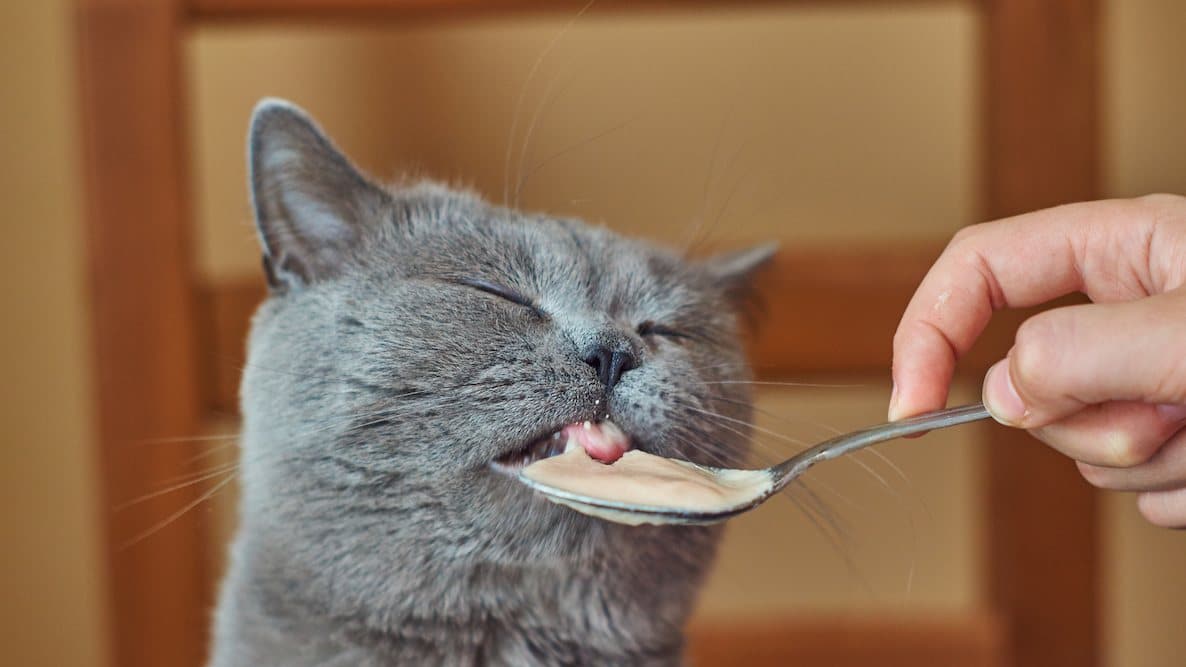
Sticky, aromatic foods are often effective. Small amounts of cream cheese or high-value wet foods can coat a pill and mask its scent. Specialized pill pockets use a malleable texture to create a seal around the tablet. Use only a tiny amount of food, about the size of a marble. If the portion is too large, the cat may chew it and discover the pill.
Be careful with cross-contamination. If you touch the medication and then contact the outside of the treat, the cat may smell the medicine. Use one hand to manage the medication and the other to mold the food. Observe your cat afterward, as some may “pocket” pills in their cheeks and spit them out later. Confirming the full dose is swallowed helps ensure the treatment is effective.
What Is a Practical Technique For Directly Pilling My Cat?
If hiding the pill is not an option, direct administration is the next step. Start by gently but firmly restraining the cat. A towel wrap is a practical choice. Wrap the cat securely so only the head is exposed. This prevents scratching and keeps them from backing away. Practicing this restraint technique without a pill first can help your cat get used to the sensation.
To open the mouth, place your thumb and forefinger over the top of the cat’s muzzle, behind the long canine teeth. Carefully raise the chin until the nose points toward the ceiling. The lower jaw will typically drop slightly. Use your other hand to pull down the lower jaw by pressing on the front teeth. Quickly drop the pill as far back on the tongue as possible. Aiming for the base of the throat triggers an automatic swallowing reflex.
Follow the pill with a splash of water or liquid from a tuna can to help it move safely into the stomach. Rubbing the throat or blowing gently on the nose can also encourage a swallow.
When Should I Use a Pill Gun Or Other Assistive Devices?
Pill guns, or pill poppers, are tools used to place medication without putting fingers near a cat’s teeth. These devices hold the pill at the tip of a soft rubber tube, allowing for placement at the back of the throat. This is a practical option for cats that may bite or for owners who have trouble with fine finger movements.
To use a pill gun, load the device and move steadily. Approach from the side and insert the device behind the canine teeth. Reach the back of the tongue, press the plunger, and remove the tool. As with manual pilling, following up with a small amount of water can help the pill move down the esophagus.
Other tools include pill splitters for dosing. Using the right tools helps in following veterinary instructions accurately at home.
How Can I Make The Experience Less Stressful For My Cat (And Me)?
To make long-term care easier, focus on positive reinforcement. Immediately after the pill is swallowed, offer a reward like a play session. This helps the cat associate the process with a positive outcome, which can improve cooperation for future doses.
Your own state of mind is essential. If you are anxious, your cat will sense the tension. Approach the task with steady, efficient movements. If an attempt fails and the cat becomes highly stressed, it is often better to release them and try again later once everyone has calmed down. Forcing a struggle usually makes the next session much harder.
Conditioning can also help. Spend time touching your cat’s muzzle and chin during normal petting sessions when no medication is involved. This desensitizes them to being handled around the mouth, making the actual pilling process feel less like an intrusion.
What Should I Do If My Cat Still Won’t Take The Pill?
If you have tried these techniques and are still strugging, contact your veterinarian. Some cats experience stress during at-home pilling that can interfere with their recovery. Your vet can discuss alternative forms of medication, such as liquids or gels that are applied to the skin of the ear for absorption.
Clear communication with your vet helps keep the treatment on track. They can adjust the prescription to a form that is easier for you to give. Do not skip doses or stop the treatment without consulting them first.
Monitor your cat for signs of trouble, such as excessive drooling or changes in appetite. While some drooling may be a reaction to a bitter taste, persistent symptoms should be reported to your vet. Working with your veterinary team helps your cat receive care in a way that minimizes stress.
Disclaimer: This content is for informational purposes and does not replace professional veterinary advice. Consult a qualified veterinarian for diagnosis and treatment instructions for your pet.
FAQs
Why should I try hiding my cat’s pill in food?
Dry pilling can cause a tablet to sit in the esophagus, which may lead to irritation. Following with 5ml of water or a liquid treat helps the pill reach the stomach safely.
Can I crush my cat’s pill and mix it with food?
Check with your veterinarian or pharmacist first. Many medications have bitter coatings or are slow-release formulas that shouldn’t be broken.
What if my cat refuses all methods of pilling?
Ask your vet about alternative formulations like flavored liquids, chewables, or transdermal gels that absorb through the skin.