
Caring for a pet involves more than providing food and basic shelter. True wellbeing is a balance of physical health, mental stimulation, and a stable environment. By establishing consistent daily habits at home, you can improve your pet’s quality of life and identify potential health issues before they escalate. Consistent routines also make it easier to manage prescriptions and recovery plans provided by your veterinarian.
Key Takeaways
- Managed nutrition and age-appropriate activity form the basis of physical health and joint mobility.
- Consistent medication tracking helps manage chronic conditions and supports recovery from illness.
- Monitoring subtle changes in energy, appetite, and sleep allows for earlier intervention by a veterinarian.
What Does Pet Wellbeing Mean?
Wellbeing for a pet is a combination of physical comfort, mental curiosity, and emotional security. In practical terms, this means a pet can move without pain, remains interested in their surroundings, and feels safe within their home. These areas are deeply connected; a pet experiencing physical discomfort may become irritable or withdrawn, while a bored pet might develop stress-related behaviors that impact their physical health.
As pets age, their needs become more specific. Home care often shifts toward managing the aging process. Establishing a baseline of “normal” behavior, such as where they prefer to sleep, how they greet you, and their typical appetite, makes it much easier to tell when something is wrong.
Nutrition: Managing Portions and Life Stages
What a pet eats provides the fuel for their immune system and daily energy levels. Proper nutrition involves more than selecting a high-quality food. It also requires managing portions and ensuring the diet matches the pet’s current life stage. Overfeeding is a common cause of inflammation and unnecessary joint stress, particularly in senior animals. Using a dedicated scoop for every meal is a simple way to help a pet stay at an ideal size.
A pet’s nutritional requirements change as they grow. Puppies and kittens need specific minerals for bone development, while senior pets may need more digestible proteins to support organ function. It is also important to account for treats and training rewards, which can add significant calories to a pet’s daily intake. If a pet receives extra rewards during a training session, consider slightly reducing their next meal to keep their overall intake balanced.
The Role of Play and Exercise
Regular activity helps keep joints mobile and supports cardiovascular health. However, exercise should be adapted to the pet’s age and physical condition. A senior dog with arthritis may benefit more from short, frequent walks on soft grass rather than one long run on pavement. For indoor cats, vertical spaces like cat trees and games that mimic hunting behaviors provide necessary movement and mental engagement.
Mental exercise is just as important as physical movement for reducing anxiety and boredom. Activities that challenge the brain, such as puzzle feeders, scent games, or “sniffaris” where a dog is allowed to lead the way and explore new smells, can significantly improve a pet’s mood. These activities are easily adapted for pets with limited mobility by using softer toys or gentle sensory play.
Medication Management at Home
Administering medication can be a difficult part of a daily routine, but consistency is vital for managing long-term conditions or infections. To make the process easier, link medication times with existing habits, such as mealtime or returning from a walk.
For pets that are resistant to pills, the “three-treat method” often helps: give one plain treat, followed by a treat containing the medication, and finish with another plain treat to encourage them to swallow. For liquid medications, aiming for the cheek pouch rather than the back of the throat can reduce the risk of gagging or aspiration.
Always check with your veterinarian before crushing tablets or mixing them with food, as some coatings are designed to be swallowed whole for proper absorption. Tracking doses in a simple logbook or smartphone app helps prevent missed doses and ensures you know exactly when to request a refill.
Recognizing Early Signs of Change
Pets naturally hide discomfort, so owners must look for subtle cues that something has changed. A cat that stops jumping onto a high counter or a dog that is slow to stand up in the morning may be experiencing joint pain. Other signs to monitor include changes in water intake, the appearance of new lumps, or a shift in grooming habits, such as over-licking a specific area.
If you notice an unusual behavior, recording a short video can be very helpful. Having a visual record of a limp, a strange cough, or a tremor allows a veterinarian to make a more accurate assessment. Documenting when the behavior happens, such as only after exercise or only in the evening, provides a clearer picture for the clinical team.
Creating a Stable Home Environment
A predictable home helps pets stay relaxed, which is important for their overall health. For aging animals or individuals experiencing physical limitations, small changes like adding area rugs to slippery wooden or tile floors can prevent falls and make moving around easier. Providing a quiet retreat away from household noise and foot traffic is also beneficial for pets that may feel overwhelmed or anxious.
Safety also involves maintaining a hazard-free environment. Ensure toxic plants, human medications, and cleaning supplies are stored securely out of reach. For daily grooming tasks like nail trimming or brushing, go at your pet’s pace and use positive rewards to build comfort. Reducing these small daily stresses can improve a pet’s well-being and make it easier for you to provide necessary care.
Partnering with Your Veterinarian
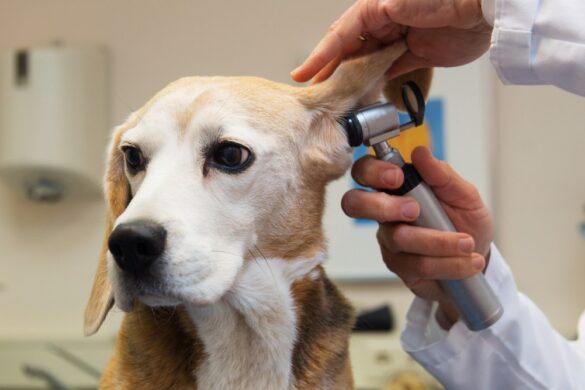
Home care is most effective when paired with professional veterinary guidance. Approach your veterinarian as a partner by asking for clear instructions on new medications and specific side effects to watch for. Arriving at appointments with a written list of questions or a summary of behavioral changes ensures you make the most of the exam time. Annual exams are standard, though senior animals or individuals dealing with ongoing health concerns may benefit from visits every six months to catch age-related issues early.
When a new treatment is prescribed, ask for the exact dosage and the expected timeframe for results. Using a reliable service to manage these routine needs by following your veterinarian’s recommendations can help keep your pet’s health on track.
FAQs
What signs indicate my pet’s wellbeing might be declining?
Subtle shifts like changes in appetite, mobility, grooming habits, or sleeping patterns often indicate a decline in wellbeing. Documenting these changes helps your vet make an accurate diagnosis before the issue becomes an emergency.
How often should I take my pet to the vet for preventative care?
Healthy adult pets typically need an annual wellness exam, while senior pets or those with chronic conditions often require bi-annual check-ups. Regular visits allow for early detection of issues and help ensure preventive measures like heartworm control stay on track.
Is mental stimulation as important as physical exercise for pets?
Yes, mental stimulation is vital for reducing anxiety and unwanted behaviors. Puzzles, scent work, and training sessions tire a pet out mentally, which is important for their emotional stability.
What role does diet play in pet wellbeing beyond weight management?
A balanced diet supports a healthy gut microbiome, where a significant portion of a dog’s immune system resides. Correct nutrition provides the necessary fuel for cellular repair and immune function, impacting more than just your pet’s weight.
How can I reduce my pet’s stress levels at home?
Start by creating a predictable daily routine and identifying environmental triggers like loud noises or slippery floors. Using gentle techniques during grooming and providing a quiet retreat space can help lower a pet’s daily stress levels.
Disclaimer: This content is for informational purposes only and does not replace professional veterinary advice. Consult with your veterinarian for diagnosis and treatment plan decisions for your pet.