

To reduce vet visit anxiety, prepare your pet by leaving their carrier out at home and practicing short, reward-based car rides. During the visit, use high-value treats and ask to wait in your car or a quiet exam room to minimize exposure to stressful sights and sounds.
Key Takeaways
- Preparation begins at home by helping your pet feel comfortable with car rides through short, reward-based sessions.
- Effective communication with clinic staff allows for adjustments, such as moving directly to a quiet exam room upon arrival.
- Post-visit rewards and a quiet recovery period help build long-term confidence and reduce negative associations with medical care.
Taking your pet to the veterinarian is a necessary part of preventive care, but it does not have to be a stressful ordeal. Many pet owners observe signs of anxiety, such as trembling or hiding, when the leash or carrier appears. By breaking the visit down into manageable steps, you can help your pet feel more secure.
This guide offers practical strategies to transition clinic visits into a calm, routine part of your pet’s well-being.
Why Pets Get Anxious At the Vet
To help your pet, it helps to see the clinic through their eyes. For many animals, a veterinary office is a sensory overload. The air is filled with the scents of cleaning chemicals and the pheromones left behind by other anxious animals. These smells can trigger a fear response before your pet even walks through the door. Once inside, high, slippery metal tables and being touched by strangers in sensitive areas can make a pet feel defensive and vulnerable.
Pets are also sensitive to human emotions. If you are feeling tense about the appointment or the logistics of the day, your pet often mirrors that stress. This can create a cycle where your pet’s fear makes you more anxious, which in turn worries them further.
Additionally, many pets only visit the vet for medical procedures. If every car ride ends with a poke or a prod, they may learn to associate the vehicle and the clinic with discomfort. Research suggests that many pets show signs of fear or anxiety during veterinary examinations.
What Can I Do Before We Even Leave Home?
The foundation of a calm visit is laid well in advance. The carrier should not be something that only appears for scary events. Keep it in a common area with the door open, adding comfortable bedding and treats regularly. This transforms the carrier from a “confinement box” into a familiar, safe den. When a pet enters the carrier on their own, the stress of the morning visit is significantly reduced.
Consider a scenario where a cat only sees their carrier once a year. The moment it appears, the cat hides under the bed. The resulting struggle involves towels, scratched arms, and a racing heart for both the pet and the owner. By the time you arrive at the clinic, the cat is already in a state of high alert.
You can also normalize car rides. For many cats and dogs, the vibration and sound of a car are frightening. Start by sitting with your pet in the car while the engine is off, giving them praise and treats. Gradually move to short trips around the block that end back at home or at a fun park. This can help break the idea that the car typically leads to the clinic.
At home, spend a few minutes each day gently touching your pet’s paws, looking in their ears, and lifting their lips, followed immediately by a favorite treat. This teaches them that being handled is a predictable, rewarding routine.
How Can I Make the Vet Clinic Less Stressful?
Timing and environment play a role in a low-stress visit. If possible, schedule appointments during quieter hours, such as mid-morning. When you arrive, call the front desk from your car to check in. This allows you to bypass the busy waiting room. Staying in the car provides a familiar, quiet environment where your pet can relax until the staff is ready to move you directly into a private exam room.
If you must wait inside, keep your pet’s focus on you with small, frequent rewards. For cats, keep carriers off the floor, as they generally feel safer when they are elevated on a sturdy table or chair. You can also cover the carrier with a towel to create a visual barrier. Mention to the front desk if your pet is particularly nervous. Many clinics can find a quiet corner or an empty room for you if they know your pet is struggling.
What Should I Do During the Examination?
Your presence can be a helpful tool for keeping your pet calm. Stay near your pet’s head, offering quiet praise and steady, rhythmic strokes. Avoid using high-pitched or loud tones, which can increase an animal’s excitement or worry. Instead, use a low, soothing voice. To keep them occupied, you can provide a distraction like a lick mat covered in a pet-safe spread. This often makes a pet less aware of a quick exam or a needle prick.
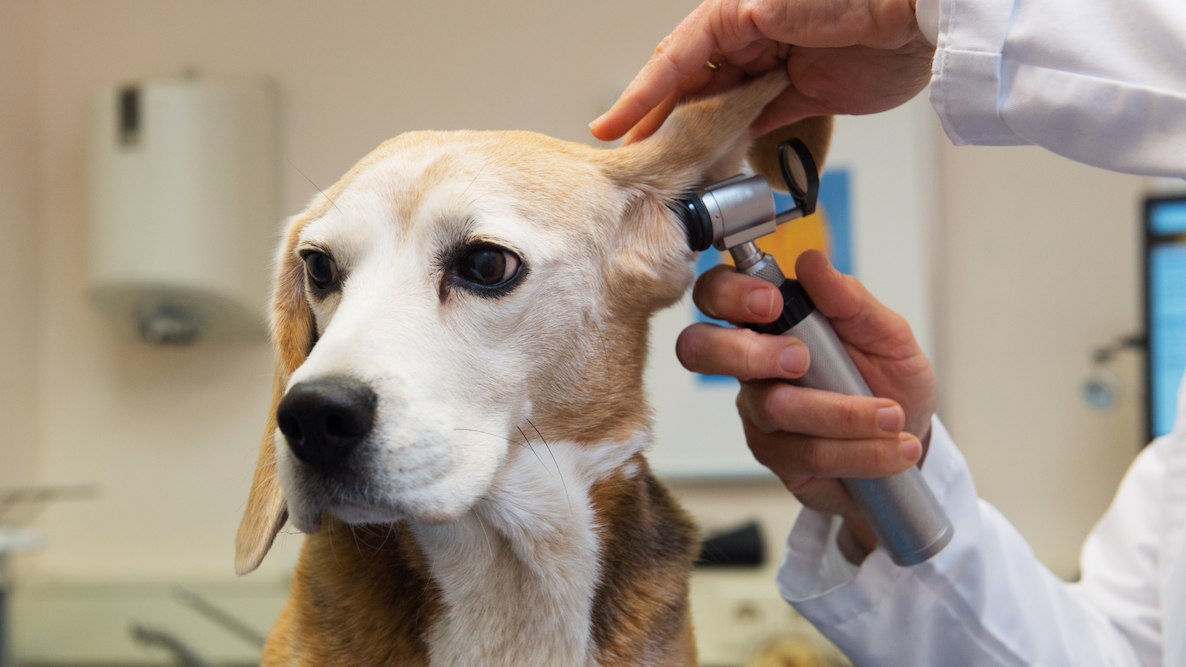
Communicate clearly on behalf of your pet. Tell the veterinarian if your pet has become more sensitive to being touched at home or if they have a sensitive area, like their ears or tail. This helps the staff adjust their handling to keep the environment safe and comfortable. Ask for a clear explanation of how and when to give any recommended treatments.
Are There Tools or Techniques to Help My Pet Cope?
Several tools can help lower your pet’s stress levels. Pheromone products, such as sprays or diffusers, mimic the natural calming scents mother animals produce to soothe their young. For the best results, spray the carrier or a bandana well before you leave so the scent has time to settle. This is intended to signal to your pet that they are in a safe, familiar space.
Gentle handling techniques can also make a big difference. For cats, a “towel wrap” can provide a sense of security and prevent them from feeling exposed. For dogs, placing a non-slip mat on the exam table provides better traction, helping them feel more stable and less vulnerable.
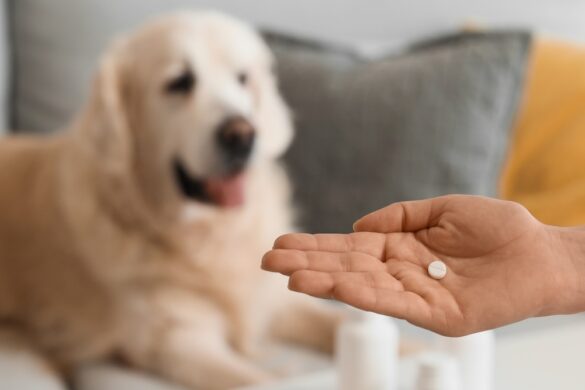
In cases where a pet is extremely distressed and showing signs like intense panting or shaking, your veterinarian might prescribe a medication to be given before the appointment. These are meant to take the edge off their fear so they may help them remain calm enough to learn that the vet isn’t a threat.
How Can I Reinforce Positive Experiences After the Visit?
The process of reducing anxiety continues after you leave the clinic. Once you return to the car, offer a reward, such as a special treat or toy that your pet receives specifically after veterinary appointments. This can help create a positive final memory of the outing. After arriving home, allow your pet time to rest in a quiet space away from other animals or loud household activity.
To build long-term familiarity, consider scheduling a “happy visit.” These short, positive interactions can help your pet learn that the environment is not typically associated with medical procedures.
FAQs
What is a ‘happy visit’ at the veterinarian?
A ‘happy visit’ involves taking your pet to the vet clinic just to receive a treat and praise from the staff without any medical procedures or examinations. This helps break the negative association with the building and builds a positive history for future visits.
How can I reduce waiting room stress for my pet?
Check in by phone from your car to avoid the noise and scents of a busy waiting room, and ask for a quiet exam room immediately upon entry. Keeping carriers elevated for cats and using non-slip mats for dogs can also provide a greater sense of security.
What are the best distraction techniques during a vet exam?
Use a lick mat with peanut butter or wet food to provide a high-value distraction during the exam. Avoid loud tones and instead maintain a calm, steady presence near your pet’s head to provide reassurance.
When should I start training my pet for a vet visit?
Training should ideally begin at least two weeks before an appointment to allow your pet time to acclimatize to the carrier and short car rides. Gradual, reward-based sessions are most effective.
Disclaimer: The information in this article is for educational purposes only and does not replace professional veterinary advice, diagnosis, or treatment. Seek the advice of your veterinarian with any questions you may have regarding a medical condition or your pet’s behavior.