

How It Works
While they can have different causes, both migraines and cluster headaches are associated with a widening of blood vessels in the brain, which causes inflammation and pain. Triptan medications like sumatriptan work by narrowing these blood vessels, relieving the pain associated with a migraine or cluster headache.
Sumatriptan narrows the blood vessels by attaching to and activating serotonin receptors in the nerves and blood vessels within the brain. It also blocks nerve signals that cause related symptoms such as nausea or sensitivity to light or sound.
| Quick Facts | |
|---|---|
| Common Brands | Imitrex, Imitrex STATdose, Onzetra Xsail, Tosymra, Zembrace SymTouch |
| Drug Class | Triptan |
| Generic Status | Generic for Imitrex |
| Availability | Prescription only |
Dosing
Sumatriptan comes in different dosage strengths depending on the formulation.
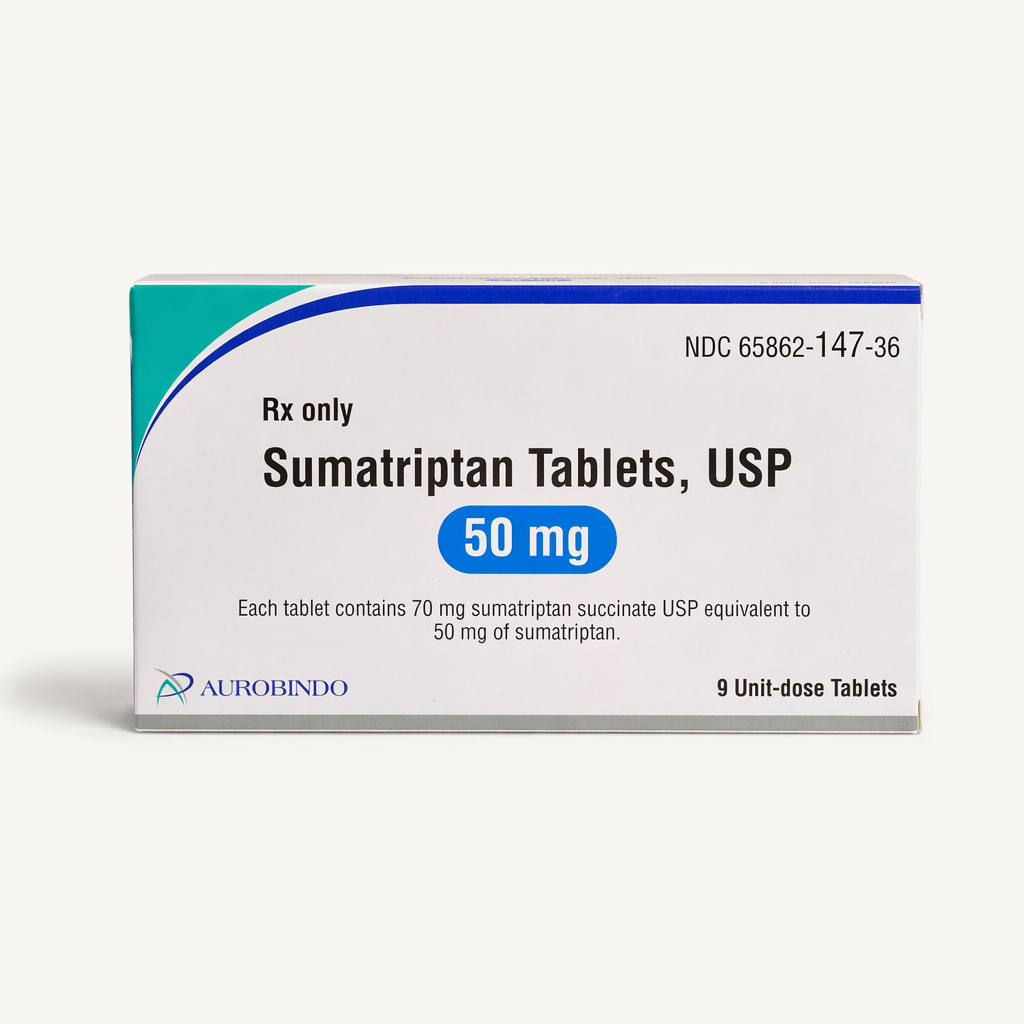
- Oral tablets: Available in 25 mg, 50 mg, and 100 mg doses. The recommendation is to take one dose by mouth as soon as your migraine starts.
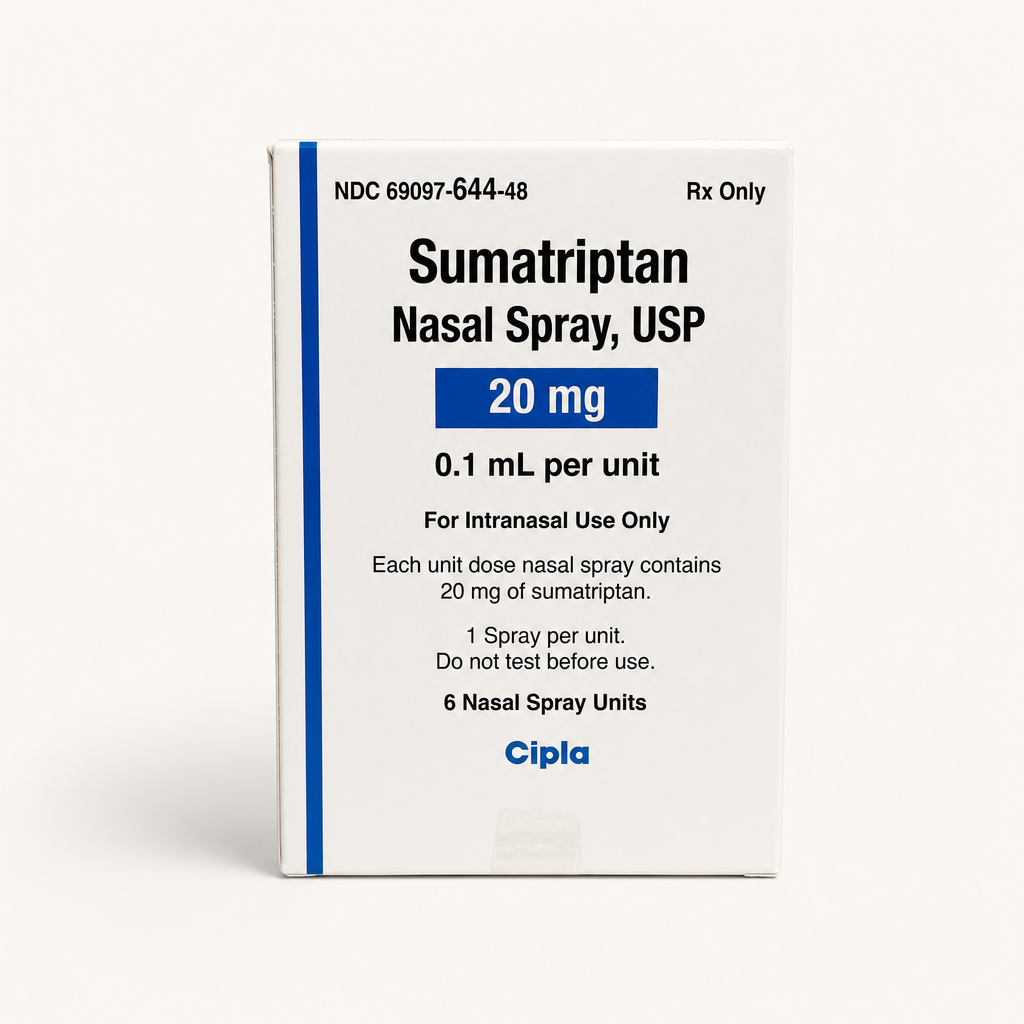
- Nasal spray: Available in 5 mg, 10 mg, and 20 mg doses, as well as a powder that comes in a 11 mg dose.
- Subcutaneous injection: Available in 3 mg/0.5 mL, 4 mg/0.5 mL, and 6 mg/0.5 mL doses.
The recommendation is to take one dose of sumatriptan as soon as your migraine starts. If your migraine only partially improves, or improves and then comes back, your provider may recommend taking a second dose, as long as it’s been at least 2 hours since your first dose.
If your migraine does not improve at all from the first dose, it’s typically advised not to take a second dose without consulting a healthcare provider, as the pain may not be migraine-related.
Sumatriptan is designed to treat up to 4 migraines per month. It should not be used for more than 10 days in a month. Taking migraine medications more often than this can lead to a condition known as medication overuse headache (or rebound headache), where headaches occur more frequently or worsen.
Note: Dosing information is educational only. Your prescribing physician will determine your specific dose based on your individual health needs. Always follow your healthcare provider’s instructions for exact dosing.
Uses
FDA-Approved Uses
Sumatriptan is FDA-approved to treat:
- Acute migraine, with or without aura
- Cluster headaches (subcutaneous injection only)
Off-Label Uses
You may see sumatriptan prescribed for uses that are not “FDA-approved.” This is a very common and legal practice called “off-label” prescribing, where a doctor uses their clinical judgment to prescribe a drug for a different (but well-researched) purpose.
While sumatriptan is FDA-approved for acute migraine and cluster headaches, healthcare providers may prescribe it off-label for cyclic vomiting syndrome, a condition associated with severe, sudden episodes of nausea and vomiting.
Side Effects
Like all medications, sumatriptan can cause side effects. Common side effects may improve as your body adjusts to the medication, but others may be serious and require medical attention.
Common Side Effects
- Numbness or tingling in the fingers and toes
- Feeling too warm or too cold
- Sleepiness
- Fatigue or weakness
- Dizziness
- Burning sensation
- Heaviness
- Pressure or tightness in the chest, neck, throat, or jaw
- Flushing
- Pain, itching, or swelling at the injection site (injection)
- Unusual or bad taste in the mouth (nasal spray)
- Burning or irritation in the nose (nasal spray)
Serious Side Effects
Serious side effects are rare, but it’s important to know what to look for if they do occur. Stop using sumatriptan and call your doctor immediately if you experience:
- Heart attack or stroke: Sumatriptan can cause heart changes that can be life-threatening. Symptoms include pain or pressure in the chest, shoulder, or jaw; shortness of breath; fast or irregular heartbeat; feeling lightheaded or fainting; sudden weakness on one side of the body; slurred speech; confusion; or severe sudden headache.
- Serotonin syndrome: This life-threatening condition can occur if serotonin levels become too high. Symptoms include agitation, hallucinations, rapid heart rate, muscle stiffness or twitching, fever, dizziness, racing heartbeat, and seizures.
- Circulation problems: Sumatriptan constricts blood vessels, which can reduce blood flow to the extremities. Symptoms include changes in color or feeling in the fingers or toes; leg cramping or pain; burning or pain in the feet or toes; weakness, heaviness, or numbness in the legs.
- Gastrointestinal issues: Symptoms include sudden or severe stomach pain, weight loss, nausea, vomiting, fever, and bloody diarrhea.
- Seizures: Seizures have been reported on sumatriptan. Symptoms include muscle twitching or jerks, stiffening of the arms and legs, anxiety or nervousness, dizziness, fainting or losing consciousness.
- High blood pressure (hypertension): It is recommended to monitor your blood pressure while taking sumatriptan. Symptoms include sudden severe headache, chest pain, difficulty breathing, vision changes, dizziness, anxiety, nosebleeds, nausea and vomiting.
- Medicine overuse headache: Using sumatriptan more often than 10 days (4 migraines) per month can cause headaches to become more frequent or worsen.
- Severe allergic reactions: Symptoms include swelling of the face, lips, tongue, or throat; difficulty breathing or swallowing; severe rash or itching; fever.
Call your doctor immediately if you experience any concerning or prolonged symptoms.
Pharmacist Tips
Take Sumatriptan With Water
Swallow tablets whole with a full glass of water. You can take sumatriptan with or without food, but if it upsets your stomach, taking it with food may help.
Avoid Driving
Because sumatriptan can cause dizziness or drowsiness, it’s recommended to avoid driving or operating heavy machinery until you know how the drug affects you.
Store Sumatriptan Properly
Sumatriptan should be stored in a cool dry place, typically between 36°F–86°F (2°C–30°C), but some formulations should be stored at cooler temperatures or in the refrigerator. Do not store sumatriptan in the bathroom, and keep it away from direct light and moisture. Follow the prescribing label for specific instructions.
Keep a Journal
Record when you have a migraine and when you take sumatriptan to avoid overuse. This information can also help your healthcare provider determine if sumatriptan is working effectively for you.
Avoid Overuse
Do not use sumatriptan to prevent migraines. It should be used for no more than 4 migraines or 10 days per month. If your headaches aren’t getting better, contact your healthcare provider.
Monitor Blood Pressure
Check your blood pressure when using sumatriptan and contact your healthcare provider if it’s higher than usual.
Pregnancy and Breastfeeding Precautions
It is not known if sumatriptan is safe during pregnancy, but it does pass into breast milk. Manufacturers often recommend avoiding breastfeeding for 12 hours after a dose. If you are pregnant or nursing, consult your provider before using sumatriptan.
Drug Interactions
Sumatriptan can interact with other medications, potentially altering their effectiveness or increasing the risk of side effects. For example:
- Other migraine medications: Sumatriptan should not be taken within 24 hours of taking other triptans (like rizatriptan or zolmitriptan) or ergot-type medications (like dihydroergotamine). Combining these medications can cause dangerous narrowing of blood vessels and raise the risk of high blood pressure, heart attack, or stroke.
- MAOIs: Monoamine oxidase inhibitors (like selegiline), which may be used for depression or Parkinson’s, should not be taken with sumatriptan. A washout period of two weeks (14 days) is recommended after stopping an MAOI before using sumatriptan.
- Antidepressants (SSRIs and SNRIs): Combining sumatriptan with certain antidepressants (like fluoxetine, sertraline, or venlafaxine) increases the risk of serotonin syndrome, a serious condition caused by excessive serotonin in the body.
Always give your doctor and pharmacist a complete list of all your medications, vitamins, and supplements to check for potential interactions.
FAQs
How soon after my migraine starts should I take sumatriptan?
You should take sumatriptan as soon as possible after your migraine symptoms start.
Can I take sumatriptan for a tension headache?
Sumatriptan is FDA-approved for migraine headaches and cluster headaches (injection form), not tension headaches. It isn’t generally used for tension headaches.
What is the “rebound headache” risk with sumatriptan?
Rebound headaches, or medication overuse headaches, can occur if sumatriptan is used too frequently, i.e. for more than 10 days, or 4 migraines, per month.
Can I take a second dose if the first one doesn’t work?
If you experience no relief from the first dose of sumatriptan, providers typically advise against taking a second dose without talking to your doctor first, as the headache may not be a migraine. If you get partial relief or the headache returns, a second dose can be taken, but it must be at least 2 hours after the first dose.
Does sumatriptan prevent migraines from happening?
No, sumatriptan is not a preventative medication. It is used to treat active migraine attacks once they have started.
Can I take ibuprofen or acetaminophen with sumatriptan?
Yes, it is generally considered safe to take sumatriptan with over-the-counter pain relievers like acetaminophen (Tylenol) or ibuprofen (Advil).
What is the difference between sumatriptan tablets and the nasal spray?
The primary difference is how they’re taken: sumatriptan tablets are swallowed, while nasal sprays are absorbed through the nose. Side effects can also differ. Nasal sprays may cause a bad taste in the mouth or an irritating or burning sensation in the nose.
Is it safe to drive after taking sumatriptan?
It’s recommended to wait to see how the medication affects you before driving. Sumatriptan can cause dizziness, drowsiness, and fatigue, which may impair your ability to drive safely.
Can I take sumatriptan while pregnant?
The safety of sumatriptan during pregnancy is not fully known. If you’re pregnant, talk to your healthcare provider before taking sumatriptan.
Does sumatriptan help with sensitivity to light and sound?
Yes, by blocking specific nerve signals in the brain, sumatriptan can help relieve associated migraine symptoms, such as nausea and sensitivity to light and sound.
Can I take sumatriptan for cluster headaches?
The sumatriptan injection is FDA-approved for cluster headaches, but the tablets and nasal spray are not.
Can I drink alcohol while taking sumatriptan?
Alcohol is not known to directly interact with sumatriptan, but alcohol can increase drowsiness and dizziness — both possible side effects of sumatriptan. Also, alcohol can be a migraine trigger.
How does sumatriptan differ from “CGRP” medications like Nurtec?
Sumatriptan is a triptan medication that works by narrowing blood vessels and stimulating serotonin receptors. CGRP medications like rimegepant work on a different pathway involving the Calcitonin Gene-Related Peptide (CGRP) to block pain signals by widening the blood vessels.
Comparable Medications
Sumatriptan, Rizatriptan (Maxalt), Zolmitriptan (Zomig), Naratriptan (Amerge), Rimegepant (Nurtec ODT), or Excedrin Migraine?
There are several medications that your doctor can prescribe in place of sumatriptan. Here are a few possible alternatives below.
Rizatriptan
From $27.99
Another triptan used to treat migraines with or without aura, similar to sumatriptan.
Zolmitriptan
From $46.99
Another triptan used to treat migraines with or without aura, similar to sumatriptan.
Naratriptan Tablets
From $74.99
Another triptan used to treat migraines with or without aura, similar to sumatriptan.
Rimegepant (Nurtec ODT)
A CGRP medication used to treat migraine with or without aura, and to prevent episodic migraine.
Excedrin Migraine
An over-the-counter medication typically containing acetaminophen, aspirin, and caffeine that’s used to treat migraine.
We Have Sumatriptan in Stock. Get Yours Today!
Important: Information on this page is for educational purposes only. Prescribing decisions are made by independent, licensed providers. TelyRx operates technology-enabled pharmacies and a telehealth platform that connects patients with licensed providers. Prescriptions, when provider-approved and issued, are filled and shipped by TelyRx-affiliated pharmacies. We do not employ physicians or make prescribing decisions. Learn more about our editorial standards here.