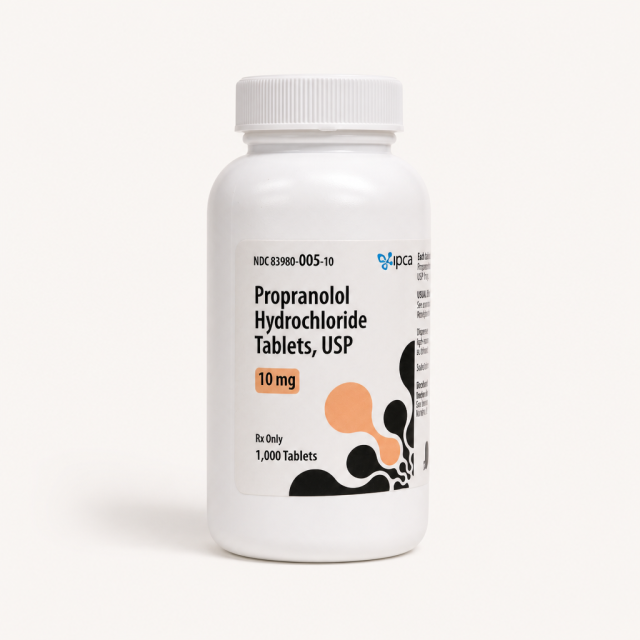
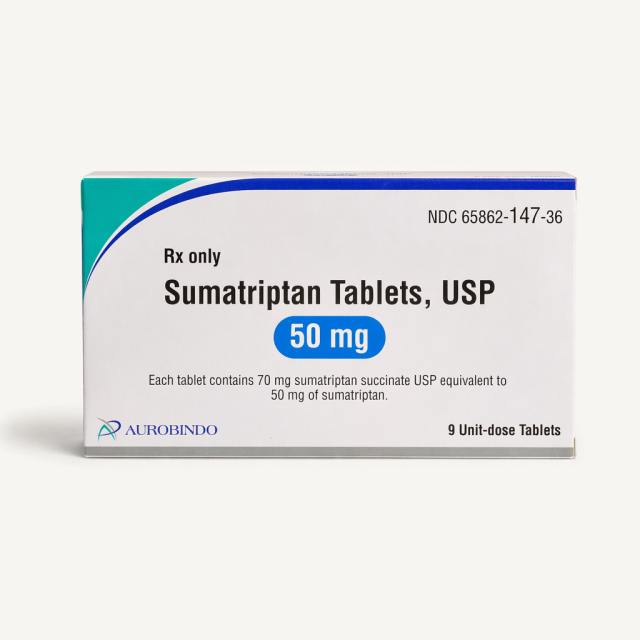
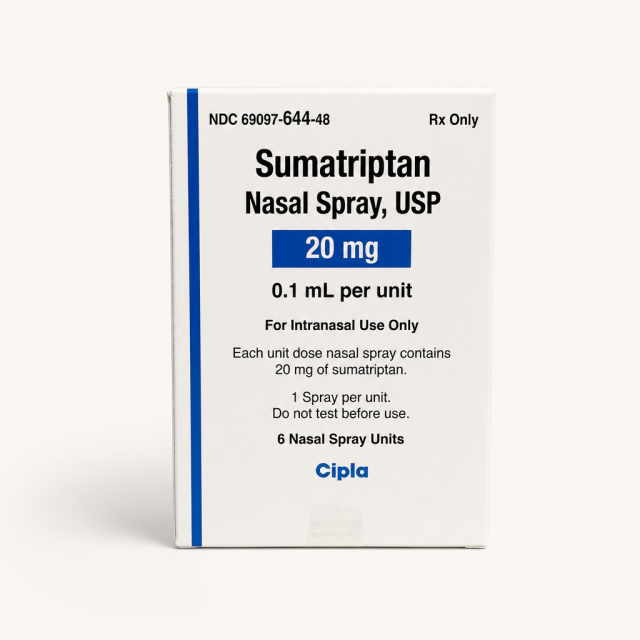
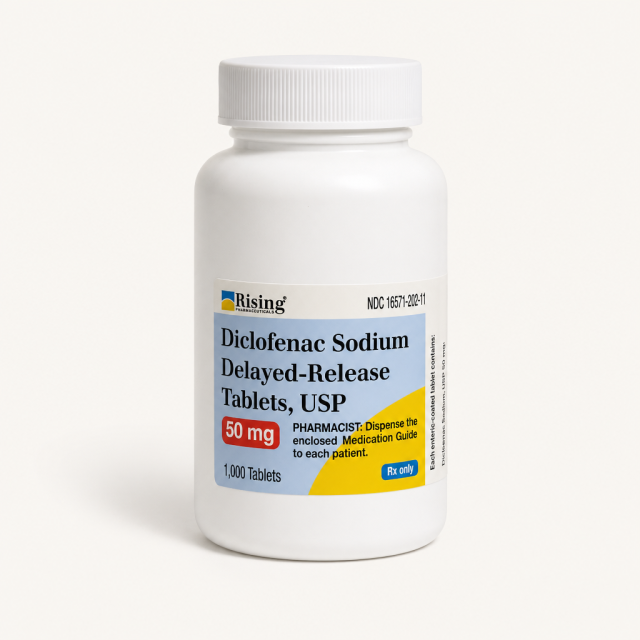
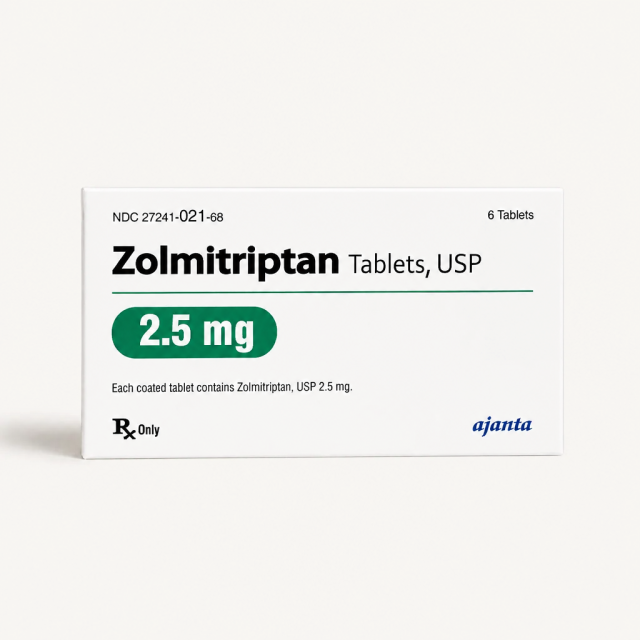
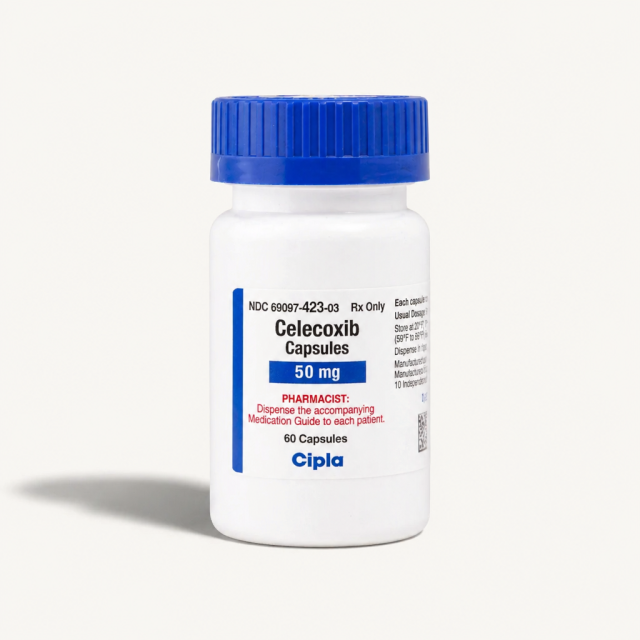
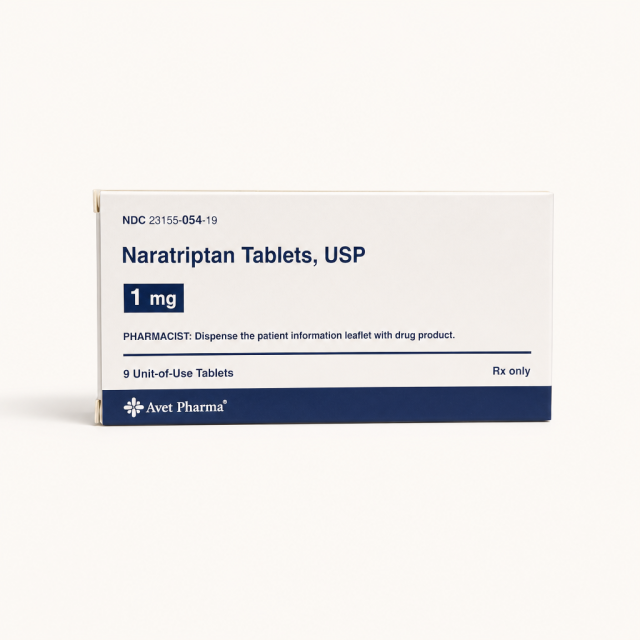
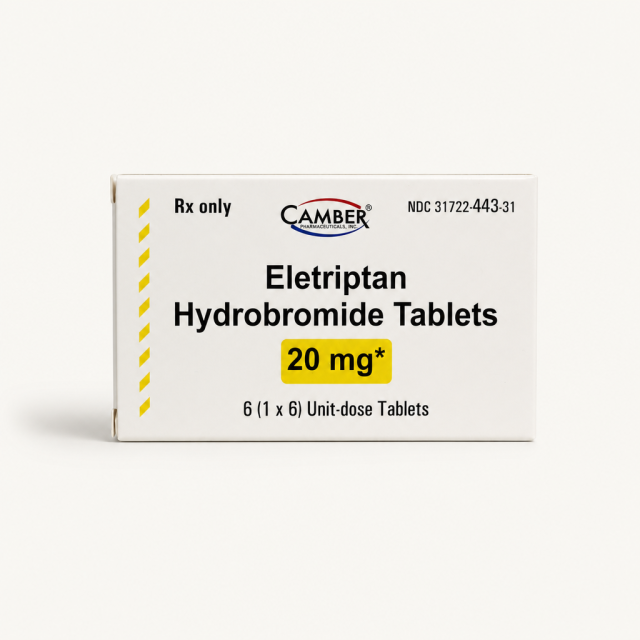
Sumatriptan naproxen combines two well established migraine treatments into one tablet to help relieve moderate to severe migraines. Sumatriptan belongs to a class of medicines called triptans, which target serotonin receptors to reduce the dilation of blood vessels and calm pain pathways involved in migraine. Naproxen is a nonsteroidal anti inflammatory drug (NSAID) that blocks pain causing chemicals, helping reduce inflammation, headache intensity, and associated symptoms like sensitivity to light or sound.
This medication is intended for acute migraine attacks and does not prevent future migraines. It is typically taken at the first sign of a migraine, and doses must be separated by at least two hours, with daily limits depending on strength and age. Patients should be aware of important safety considerations, including avoiding use if they have certain heart conditions, uncontrolled high blood pressure, a history of stroke, severe liver or kidney disease, or allergies to NSAIDs or triptans. It’s also important not to use this medication within 24 hours of any other triptan or ergot type migraine drug. Patients should review all current medications with a healthcare provider to avoid interactions and reduce risks.
Common side effects of sumatriptan naproxen include dizziness, drowsiness, nausea, heartburn, dry mouth, feeling unusually warm, or mild pressure in the neck, chest, or limbs. More serious effects may include chest pain, shortness of breath, severe headache, vision changes, numbness or tingling in the extremities, leg cramps, pounding heartbeat, seizures, signs of stomach bleeding (such as black stools or vomiting blood), severe abdominal pain, swelling, rapid weight gain, or signs of liver problems like yellowing of the skin or eyes. This medication can also rarely lead to cardiovascular events, serotonin syndrome, or severe allergic skin reactions. Patients should seek immediate medical attention if they experience symptoms that are sudden, severe, or concerning in any way.
This information should not be used to decide whether or not to take this medicine or any other medicine. Only a healthcare provider has the knowledge and training to decide which medicines are right for you. TelyRx does not endorse any medicine as safe, effective, or approved for treating any patient or health condition. This is only a limited summary of general information about the medicine’s uses from the patient education materials and is not intended to be comprehensive. This limited summary does NOT include all information about the possible uses, directions, warnings, precautions, interactions, adverse effects, or risks that may apply to this medicine. This information is not intended to provide medical advice, diagnosis or treatment and does not replace information you may receive from your healthcare provider. For a more detailed summary of information about the risks and benefits of using this medicine, please review the entire patient education information you receive with the medication.