How It Works
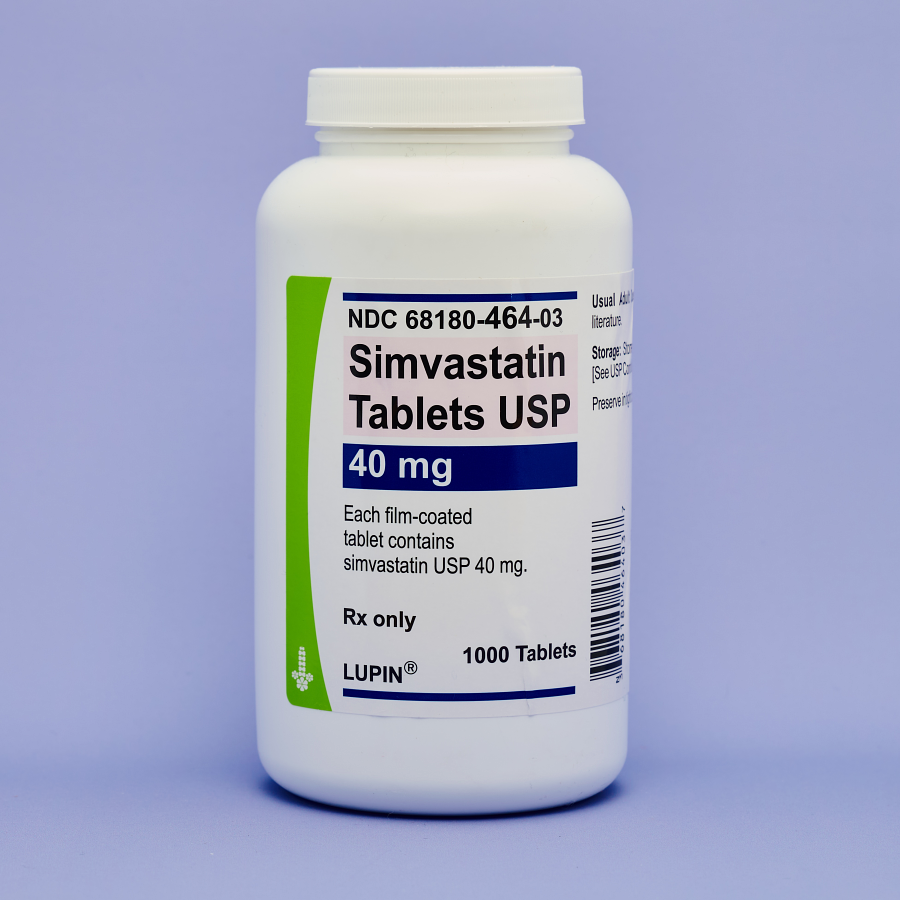
The body obtains cholesterol through two pathways, dietary consumption and internal production in the liver. Simvastatin targets the internal pathway by inhibiting 3-hydroxy-3-methylglutaryl-coenzyme A (HMG-CoA) reductase enzymes, which help control how much cholesterol the liver produces.
By blocking the HMG-CoA reductase enzyme, simvastatin causes the liver’s internal cholesterol levels to drop. In response, the liver increases the presence of low-density lipoprotein (LDL) receptors on its surface. The receptors pull LDL — or “bad cholesterol” — out of the bloodstream.
| Quick Facts | |
|---|---|
| Common Brands | Zocor (capsules), ProLipid (oral suspension) |
| Drug Class | HMG-CoA reductase inhibitor |
| Generic Status | Generic version available |
| Availability | Prescription only |
Dosing
Simvastatin is available as an oral tablet or oral liquid suspension. Since your body produces the highest levels of natural cholesterol at night, providers typically recommend taking your simvastatin dose in the evening or at bedtime.
- Initial dosage: Adults usually begin their simvastatin treatment with a once-daily dose of 10 to 20 mg.
- High-risk patients: Patients with a significantly high risk of cardiovascular events may begin their simvastatin treatment at a daily dose of 40 mg.
- Maximum dose: Standard guidelines indicate new patients with a high risk of myopathy, or muscle damage, should avoid the maximum simvastatin dose of 80 mg per day. This dosage is generally reserved for patients who have taken 80 mg daily for years without muscle damage.
- Oral suspension: When taking simvastatin as an oral suspension, standard guidelines recommend doing so on an empty stomach. For best results, patients are advised to shake the bottle for at least 20 seconds before dispensing the liquid and measuring with a precise dosing device.
Note: Dosing information below is educational only. Your prescribing physician will determine your specific dose based on your individual health needs. Always follow your healthcare provider’s instructions for exact dosing.
Uses
FDA-Approved Uses
Simvastatin is FDA-approved to reduce total cholesterol, LDL-C, and triglycerides in people with hyperlipidemia, and to treat genetic conditions that lead to severely high cholesterol. The drug is also approved to decrease the risk of total mortality by reducing coronary heart disease deaths, myocardial infarctions, and strokes.
Off-Label Uses
You may see simvastatin prescribed for uses that are not “FDA-approved.” This is a very common and legal practice called “off-label” prescribing, where a doctor uses their clinical judgment to prescribe a drug for a different (but well-researched) purpose.
Common off-label uses for simvastatin currently found in clinical research and practice include:
- Dementia and Alzheimer’s prevention: While research is ongoing, some studies have suggested that simvastatin can reduce vascular inflammation and help slow cognitive decline.
- Multiple sclerosis (MS): Some clinical trials have explored how simvastatin in high doses can have neuroprotective effects for people with secondary progressive MS. However, these studies are ongoing.
Get Savings Updates for Simvastatin
Join our mailing list for exclusive deals and more.
Side Effects
Common Side Effects
Patients generally tolerate simvastatin and other statin medications well, but side effects can still occur and some require monitoring. Common side effects from taking simvastatin include:
- Sore throat, runny nose, cough, and other upper respiratory symptoms
- Constipation, nausea, and stomach pain
- Headache
- Vivid dreams or trouble sleeping
Serious Side Effects
Serious side effects are rare, but it’s important to know what to look for if they do occur. Serious side effects from taking simvastatin can include:
- Myopathy and rhabdomyolysis: One of the most significant risks from taking simvastatin is the breakdown of skeletal muscle tissue. Symptoms of myopathy and rhabdomyolysis include muscle pain, tenderness, weakness, and darkened urine.
- Hepatotoxicity: In rare cases, simvastatin can cause an increase in liver enzymes. Symptoms include jaundice (yellowing) of the skin and eyes, dark urine, and abdominal pain isolated to the upper right side.
- Blood sugar elevation: Statin medications can cause a slight increase in blood sugar, specifically HbA1c and fasting serum glucose levels.
- Cognitive effects: Some patients report confusion or memory loss after taking simvastatin, but these cases are rare. Issues typically resolve after the patient stops taking the medication.
Call your doctor immediately if you experience any concerning or prolonged symptoms.
Pharmacist Tips
Timing is Important
Patients are advised to take their simvastatin dose in the evening. The drug has a shorter half-life than some newer statin medications, so it leaves the body more quickly. Taking your dose at night helps ensure the medication peaks when your liver’s cholesterol production levels are at their highest.
Cut Out Grapefruit
The CYP3A4 enzyme in your gut breaks down simvastatin, and grapefruit blocks this enzyme. Consuming grapefruit or grapefruit juice after taking simvastatin can lead to dangerously high levels of the drug in your body and increase the risk of muscle damage.
Consider a CoQ10 Supplement
Some studies suggest simvastatin can deplete levels of CoQ10, a fat-soluble antioxidant essential for cellular energy production and mitochondrial function. Your provider may recommend a CoQ10 supplement to manage muscle pain while taking simvastatin.
Check Your Urine
If you notice your urine is unusually dark, it is advised to stop taking simvastatin and contact your provider immediately. Urine with a “tea” or “cola” color is a major indicator of muscle breakdown.
Moderate Your Drinking
Chronic or heavy drinking can strain the liver and increase the risk of liver enzyme elevation. If you’re taking simvastatin, it is advised to limit or abstain from drinking.
Drug Interactions
Simvastatin has known interactions. These interactions include the following:
- Amlodipine: People who take amlodipine, or Norvasc, to lower their blood pressure are advised to avoid high doses of simvastatin in order to prevent muscle toxicity. Providers generally recommend no more than 20 mg of simvastatin per day for these patients.
- Amiodarone and verapamil: Heart medications like amiodarone and verapamil can elevate the level of simvastatin in your bloodstream and increase your risk of side effects. Simvastatin doses are usually limited to 10 mg per day for people who take both types of medication.
- Fibrates: Taking fibrates, or fibric acid derivatives, like gemfibrozil alongside simvastatin can increase your risk of rhabdomyolysis. Doctors generally tell their patients to avoid combining these medications.
- Strong CYP3A4 inhibitors: Certain medications that inhibit CYP3A4 enzymes are contraindicated with simvastatin, meaning the medications should not be taken together. These include clarithromycin, erythromycin, and certain antifungal or HIV medications.
Always give your doctor and pharmacist a complete list of all your medications, vitamins, and supplements to check for potential interactions.
FAQs
Why must I take simvastatin in the evening instead of the morning?
It is advised to take simvastatin in the evening instead of the morning because cholesterol production in the liver peaks between the hours of midnight and 5 a.m. Simvastatin has a short half-life and duration of action, so taking the drug at bedtime helps ensure the medication is active while the liver is producing the highest amount of cholesterol.
Why is there a strict warning against eating grapefruit with this pill?
Grapefruit contains compounds that inhibit the CYP3A4 enzyme, which is responsible for clearing simvastatin from the body. When the enzyme is blocked, simvastatin levels can become too high and lead to muscle damage or kidney failure.
Should I take a Coenzyme Q10 (CoQ10) supplement with simvastatin?
The FDA does not mandate CoQ10 supplements for people who take simvastatin, but your provider may recommend these supplements to prevent muscle pain. Simvastatin and other statin medications block the pathway your body uses to create CoQ10.
Does simvastatin cause memory loss?
Some patients report brain fog or forgetfulness after taking simvastatin, but clinical evidence suggests these side effects are neither serious nor permanent. Patients often find their memory loss subsides after they stop taking simvastatin. Your provider may request a reassessment if you notice cognitive changes after taking the drug.
Is there an interaction between simvastatin and amlodipine?
Yes, there is an established interaction between simvastatin and amlodipine. Amlodipine increases the concentration of simvastatin in your blood, so providers generally recommend a maximum daily dosage of 20 mg of simvastatin for people who must take both medications.
Can I drink alcohol while taking this medication?
Alcohol and simvastatin are both processed in your liver, so heavy drinking can increase your risk of liver damage. Moderate drinking may be safe.
Is simvastatin safe to use during pregnancy or while trying to conceive?
Per standard guidelines, patients are advised to quit taking statin medications like simvastatin during pregnancy.
Will simvastatin help me lose weight?
No, simvastatin is not formulated to help with weight loss. It affects blood lipids, not fat tissue, and does not reduce body weight, though it may be prescribed in combination with a weight loss drug.
How long does it take for simvastatin to lower my LDL cholesterol?
Patients can see initial changes to their total cholesterol and LDL levels within 1 to 2 weeks of beginning treatment. However, simvastatin typically requires 4 to 6 weeks of consistent use before the drug takes full effect.
Can I stop taking it once my cholesterol blood test comes back normal?
Generally, it is not advised to stop taking simvastatin once your cholesterol blood test comes back normal. A panel with normal results indicates the medication is working, so discontinuing it abruptly can return your liver to its baseline cholesterol production and lead to higher total cholesterol and HDL levels.
Do I need to take this pill with food?
Per standard guidelines, you can take simvastatin tablets with or without food. Timing your tablet dose with an evening snack can reduce the risk of nausea or upset stomach. Guidelines state that patients should take the liquid form on an empty stomach.
Does simvastatin also lower triglycerides?
Yes, simvastatin also lowers triglycerides. While its primary usage is reducing LDL levels, the drug can also decrease triglyceride levels.
Comparable Medications
Simvastatin, Atorvastatin, Rosuvastatin, Pravastatin, Ezetimibe, PCSK9 Inhibitors, or Bempedoic Acid?
Simvastatin is an HMG-CoA reductase inhibitor primarily used as first-line treatment for lowering cholesterol. However, your doctor may recommend a simvastatin alternative instead. Alternatives to simvastatin include the following:
Atorvastatin
From $24.99
Sold under the brand name Lipitor, atorvastatin is a long-acting statin medication that can be taken any time of day. It is more potent than simvastatin, allowing for greater LDL reduction and generally has fewer drug interactions.
Rosuvastatin
From $19.99
Rosuvastatin, sold under the brand name Crestor, is considered the strongest statin medication available and commonly prescribed for patients who require aggressive cholesterol stabilization. Unlike many other statin medications, rosuvastatin does not interact with grapefruit.
Pravastatin
From $24.99
Pravastatin is hydrophilic, meaning it dissolves in water instead of fat. This makes the medication less likely to cross into the brain or muscle tissue. Patients prone to muscle pain or cognitive problems may prefer pravastatin over simvastatin.
Ezetimibe
From $24.99
Sold under the brand name Zetia, ezetimibe works by blocking cholesterol absorption in the intestines. This differs from simvastatin, which inhibits cholesterol production in the liver.
PCSK9 inhibitors
PCSK9 inhibitors are injectable biologic medications. They are generally used for patients with genetically high cholesterol or those who have had a heart attack and cannot tolerate statin medications like simvastatin.
Bempedoic acid
Sold under the brand name Nexletol, bempedoic acid is a non-statin medication that blocks cholesterol production in the liver. Bempedoic acid is not active in the muscles, so doctors may prescribe it for patients who are intolerant to simvastatin and other statin medications due to severe muscle pain.
We Have Simvastatin in Stock. Get Yours Today!
Important: Information on this page is for educational purposes only. Prescribing decisions are made by independent, licensed providers. TelyRx operates technology-enabled pharmacies and a telehealth platform that connects patients with board-certified licensed providers. Prescriptions, when provider-approved and issued, are filled and shipped by TelyRx-affiliated pharmacies. We do not employ physicians or make prescribing decisions. Learn more about our editorial standards here.