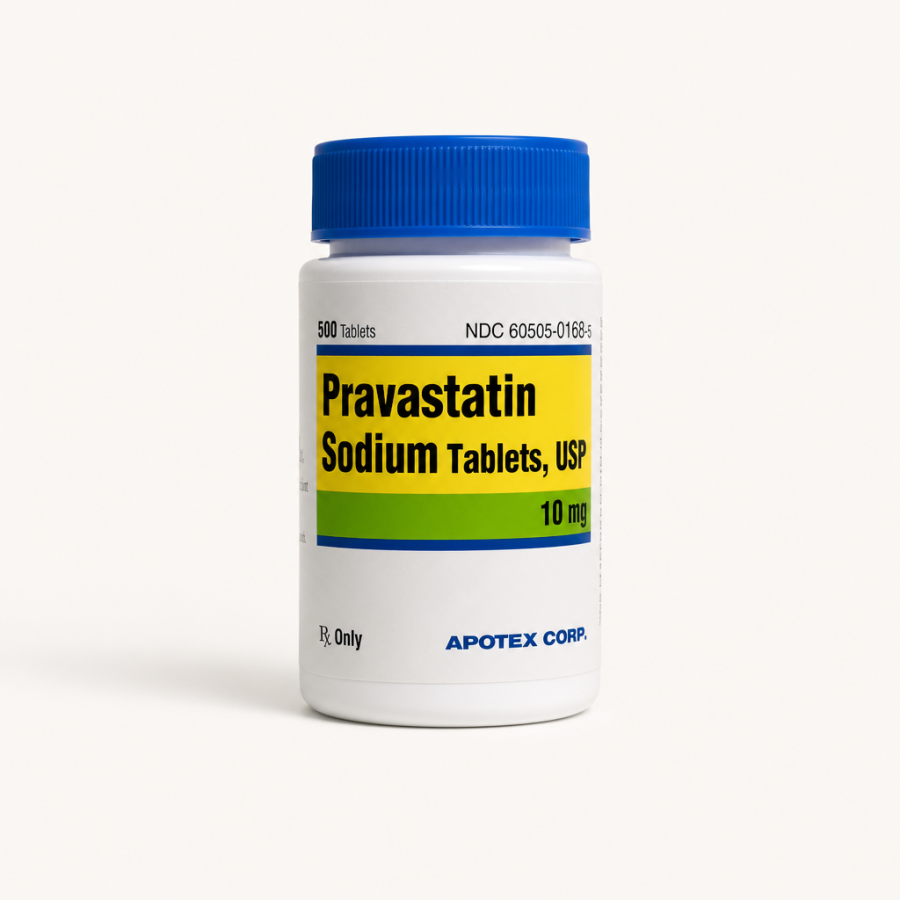
Pravastatin tablets (Pravachol®) are a prescription medication commonly prescribed to help lower cholesterol and triglyceride levels in the blood. They belong to a class of medications called HMG-CoA reductase inhibitors, or statins, which work by reducing the production of cholesterol in the liver. Lowering cholesterol and LDL (“bad cholesterol”) helps reduce the risk of heart attack, stroke, and other cardiovascular complications, especially in patients with existing heart disease, diabetes, or multiple risk factors.
Pravastatin is often prescribed as part of a long-term treatment plan that includes diet, exercise, and lifestyle changes to support heart health.
How to Use:
Typically prescribed as one tablet taken once daily, with or without food.
Doses may vary, often starting at 10 to 40 mg once daily, and adjusted based on cholesterol levels and patient response.
Tablets should be swallowed whole with water.
It may take several weeks of consistent use to see significant improvements in cholesterol levels.
Blood tests are usually performed periodically to monitor cholesterol response and liver function.
Important Notes and Warnings:
Common side effects may include headache, nausea, diarrhea, or muscle pain.
Statins can occasionally cause serious muscle problems (myopathy or, rarely, rhabdomyolysis). Patients should promptly report unexplained muscle pain, weakness, or dark urine to their healthcare provider.
Pravastatin is not recommended in patients with active liver disease or unexplained persistent liver enzyme elevations.
This medication may interact with other drugs, including certain antibiotics, antifungals, and immunosuppressants. Always inform your healthcare provider about all medications and supplements you are taking.
Pravastatin should not be used during pregnancy or breastfeeding, as it may harm fetal development.
Alcohol use should be limited while taking pravastatin to reduce the risk of liver complications.