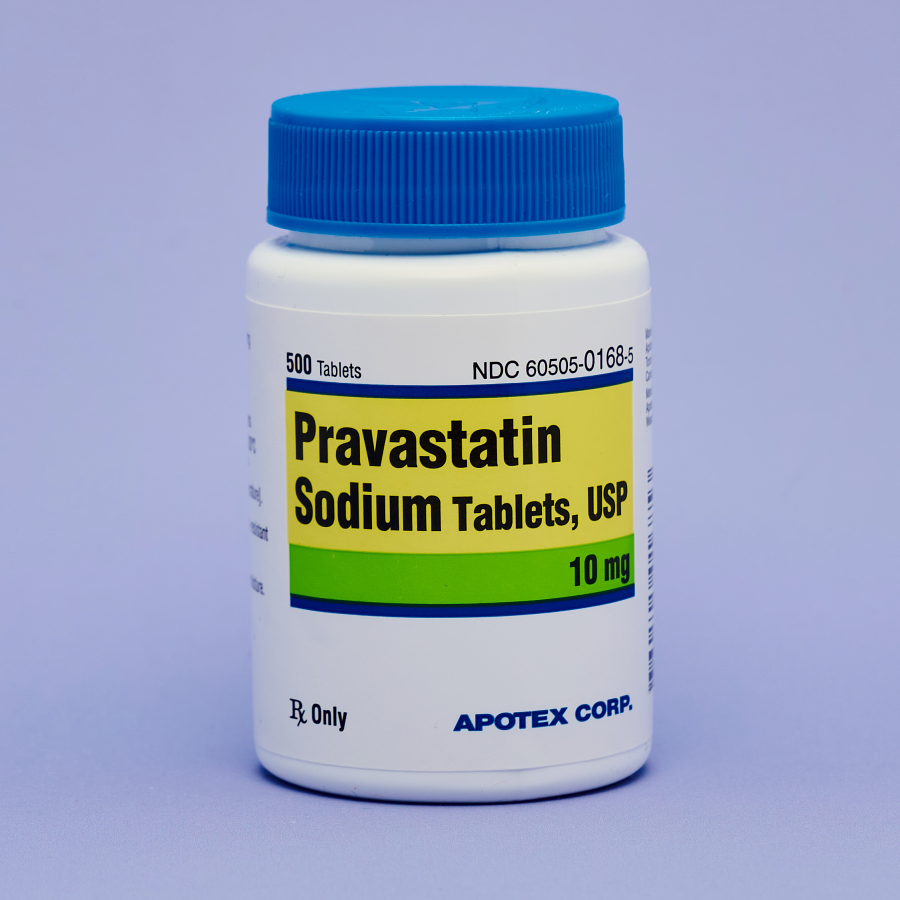
How It Works
Pravastatin works by blocking an enzyme called HMG-CoA reductase to slow down cholesterol production in the liver. As internal cholesterol levels drop, the liver pulls low-density lipoprotein (LDL), or “bad cholesterol,” out of the bloodstream. This lowers overall LDL levels. Pravastatin also lowers total cholesterol and reduces the amount of triglycerides in the bloodstream.
| Quick Facts | |
|---|---|
| Common Brands | Pravachol |
| Drug Class | HMG-CoA reductase inhibitor (statin) |
| Generic Status | Generic version available |
| Availability | Prescription only |
Dosing
Pravastatin is administered as an oral tablet. It does not have to be taken in the evening like typical statin medications, but your provider may still recommend nighttime doses to maximize efficacy because your liver produces the most cholesterol between the hours of midnight and 5 a.m.
- Adult dosage: Adults typically start taking pravastatin with an initial dose of 40 mg, taken once daily.
- Dosage range: Depending on the patient’s response to medication and kidney and liver function, the daily dose can range from 10 mg to 80 mg.
- Adjustments: Providers monitor their patient’s lipid panels for 4 to 6 weeks after starting treatment or changing the dose. These evaluations help determine if the dose needs further adjusting.
Note: Dosing information below is educational only. Your prescribing physician will determine your specific dose based on your individual health needs. Always follow your healthcare provider’s instructions for exact dosing.
Uses
FDA-Approved Uses
Pravastatin is FDA-approved as primary prevention for reducing the risk of heart attack or stroke in people with high cholesterol who do not yet show signs of heart disease. It is also approved as secondary prevention for reducing the risk of death or subsequent heart attacks or strokes in patients who have already had a cardiovascular event.
Pravastatin is also FDA-approved to lower total cholesterol, low-density lipoprotein concentration (LDL-C), and triglycerides in people with hyperlipidemia, and to treat patients with genetic high cholesterol.
Off-Label Uses
You may see pravastatin prescribed for uses that are not “FDA-approved.” This is a common and legal practice called “off-label” prescribing, where a doctor uses their clinical judgment to prescribe a drug for a different (but well-researched) purpose.
Common off-label uses for pravastatin currently used in clinical research and practice include:
- Preeclampsia prevention: Some studies have explored the use of pravastatin to prevent preeclampsia in high-risk pregnancies.
- Post-transplant management: Pravastatin is sometimes used for heart or kidney transplant patients because it has fewer interactions with immunosuppressant drugs compared to other statin medications.
Get Savings Updates for Pravastatin
Join our mailing list for exclusive deals and more.
Side Effects
Common Side Effects
People who take pravastatin generally tolerate the drug well and experience few, if any, side effects. However, as with any medication that alters metabolic pathways, some issues can occur. Common side effects from taking pravastatin include:
- Mild muscle, joint, or bone pain
- Nausea, vomiting, diarrhea, or an upset stomach
- Mild dizziness or headaches
- Sore throat, runny nose, cough, and other cold-like symptoms
Serious Side Effects
Serious side effects are rare, but it’s important to know what to look for if they do occur.
Serious side effects from taking pravastatin can include:
- Rhabdomyolysis: Pravastatin has been linked to this rare but life-threatening condition, which occurs when muscle tissue breaks down and enters the bloodstream. Symptoms include extreme muscle weakness, severe pain, and darkened urine.
- Hepatotoxicity: Taking statin medications like pravastatin can lead to liver inflammation. Common symptoms include jaundice (yellowing) of the skin and eyes, dark urine, and abdominal pain isolated to the upper right side.
- Hyperglycemia: Pravastatin may elevate blood sugar. This can increase the risk of developing type 2 diabetes.
- Immune-mediated necrotizing myopathy (IMNM): IMNM is a rare but debilitating autoimmune condition that causes extreme muscle weakness. Patients may notice symptoms even after they stop taking pravastatin.
Call your doctor immediately if you experience any concerning or prolonged symptoms.
Pharmacist Tips
Bedtime Dose is Advised
Per standard guidelines, pravastatin can be taken at any time of day. However, your provider may recommend a nighttime dose to align with cholesterol production in the liver, which peaks during the middle of the night.
Consistency is Key
Taking pravastatin consistently at the same time every day is critical to ensure a steady amount of medication remains in your body.
A Snack Might Help
If you experience nausea or an upset stomach after taking pravastatin, a light meal or snack can create a buffer in the stomach lining and help reduce these side effects.
Watch the Medication Buffer
If you take bile acid sequestrants like cholestyramine or colestipol, standard guidelines advise to take your pravastatin dose at least 1 hour before or 4 hours after these drugs. Bile acid sequestrants can bind to pravastatin and prevent it from working properly.
Stay Hydrated
Dehydration can exacerbate the muscle aches from taking pravastatin. Patients are advised to drink plenty of water throughout the day, especially if they have a regular exercise routine.
Drug Interactions
Pravastatin has fewer drug-to-drug interactions than other statin medications because it is not processed by the same liver enzymes. However, interactions can still occur and warrant caution. Known interactions with pravastatin include:
- Gemfibrozil and fibrates: Combining these drugs with pravastatin and other statin medications can significantly increase your risk of muscle damage.
- Cyclosporine: Cyclosporine, an immunosuppressant, can elevate pravastatin levels in the body.
- Colchicine: This gout medication can increase the risk of myopathy when taken alongside pravastatin.
- Alcohol: Heavy drinking puts stress on the liver and can elevate liver enzymes, interfering with pravastatin in the process. Doctors usually advise patients to limit or abstain from alcohol while taking this drug.
Always give your doctor and pharmacist a complete list of all your medications, vitamins, and supplements to check for potential interactions.
FAQs
Can I take pravastatin in the morning?
Yes, standard guidelines state patients can take pravastatin in the morning or any other time of day. Taking the drug at the same time each day is important for consistency. However, your provider may recommend taking pravastatin before bed because your liver’s cholesterol production peaks between midnight and 5 a.m.
Can I drink grapefruit juice with pravastatin (unlike other statin medicines)?
Yes, pravastatin has fewer known drug interactions compared to other heart and blood pressure drugs. Pravastatin is not processed in the same enzyme system as these other medications.
Should I take a Coenzyme Q10 (CoQ10) supplement while taking this medication?
Some research suggests that pravastatin and other statin medications lower CoQ10 levels in the muscles, which can contribute to muscle pain. Your provider may recommend a CoQ10 supplement to alleviate muscle-related symptoms.
Can pravastatin raise my blood sugar?
Yes, there is a slight risk of pravastatin or any other statin medicine raising your blood sugar levels. Talk to your doctor if blood sugar elevation is a concern.
Can I stop taking pravastatin once my cholesterol blood test comes back normal?
No, it is not recommended to stop taking pravastatin once your cholesterol blood test comes back normal unless your doctor specifically directs you to do so. A normal blood test usually indicates the drug is working as intended, and stopping the medication abruptly can cause your cholesterol to return to its original levels.
Is pravastatin safe to use during pregnancy or while breastfeeding?
Per standard guidelines, patients are advised not to take statin medications while pregnant or breastfeeding. Cholesterol is vital to fetal development, so interrupting its production can pose risks to the unborn baby.
Can I drink alcohol safely while taking this cholesterol medication?
Moderate alcohol consumption is considered relatively safe while taking pravastatin. This equates to up to one drink per day for women and up to two drinks per day for men. Excessive drinking puts added pressure on the liver and increases the risk of liver damage.
How long does it take for pravastatin to lower my LDL cholesterol?
Patients may see changes to their LDL count and lipid panel within 2 weeks of beginning their pravastatin treatment. However, the drug typically requires 4 to 6 weeks to take full therapeutic effect.
Do I need to take this pill with food to prevent an upset stomach?
No, you do not need to take pravastatin with food to prevent an upset stomach. However, a light meal or snack with your dose can alleviate gastrointestinal discomfort if you experience nausea or other symptoms after taking the drug on an empty stomach.
Does pravastatin lower other things besides cholesterol?
Yes, in addition to lowering cholesterol, pravastatin can also lower triglycerides and has been shown to reduce C-reactive protein, a marker of inflammation in blood vessels.
Comparable Medications
Pravastatin, Atorvastatin, Simvastatin, Rosuvastatin, Ezetimibe, or Pravigard PAC?
Pravastatin is a medication used to lower blood pressure with limited drug interactions and typically minimal side effects, making it a gentler alternative to other statin medications. Based on factors like your age and cholesterol count, your doctor may recommend an alternative to pravastatin instead. Pravastatin alternatives include:
Atorvastatin
From $24.99
Atorvastatin (Lipitor) is a high-intensity statin medication capable of lowering LDL by more than 50% at higher doses. Pravastatin is not as strong, but may be more suitable for patients who cannot tolerate atorvastatin's side effects or take medications that interact with atorvastatin.
Simvastatin
From $19.99
Simvastatin (Zocor) carries stricter dosing instructions than pravastatin. It must be taken in the evening, and patients are advised to avoid grapefruit while on the medication. Pravastatin is more flexible with timing and grapefruit does not affect its mechanisms.
Rosuvastatin
From $19.99
Rosuvastatin (Crestor) is the strongest statin medication available and often preferred for moderate-to-strong reduction in cholesterol. Pravastatin is not as strong, so it is typically used for patients seeking mild-to-moderate cholesterol reduction.
Ezetimibe
From $24.99
Ezetimibe (Zetia) is not a statin medication. It blocks absorption of cholesterol from food in the intestines, rather than targeting the liver's internal cholesterol production. Providers may prescribe a combination of these two medications.
Pravigard PAC
Pravigard PAC refers to an older medication that combined pravastatin with buffered aspirin. Your provider may recommend low-dose aspirin once a day alongside pravastatin if you are at a higher risk of blood clots or heart attack.
We Have Pravastatin in Stock. Get Yours Today!
Important: Information on this page is for educational purposes only. Prescribing decisions are made by independent, licensed providers. TelyRx operates technology-enabled pharmacies and a telehealth platform that connects patients with board-certified licensed providers. Prescriptions, when provider-approved and issued, are filled and shipped by TelyRx-affiliated pharmacies. We do not employ physicians or make prescribing decisions. Learn more about our editorial standards here.