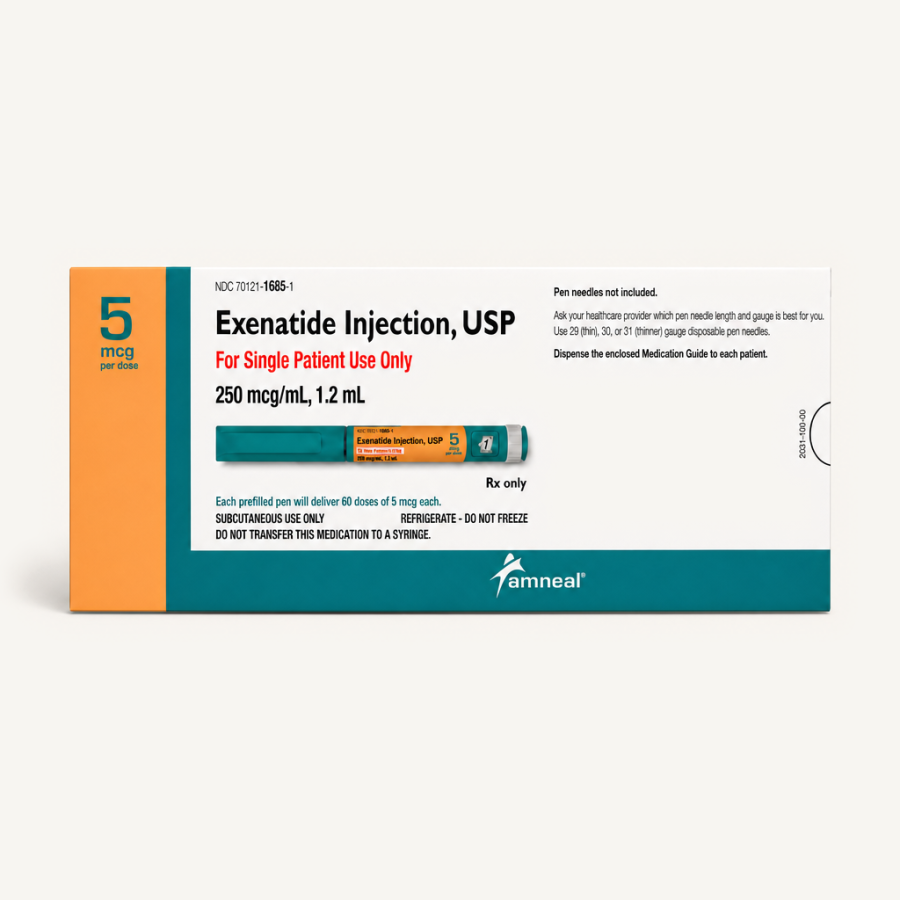
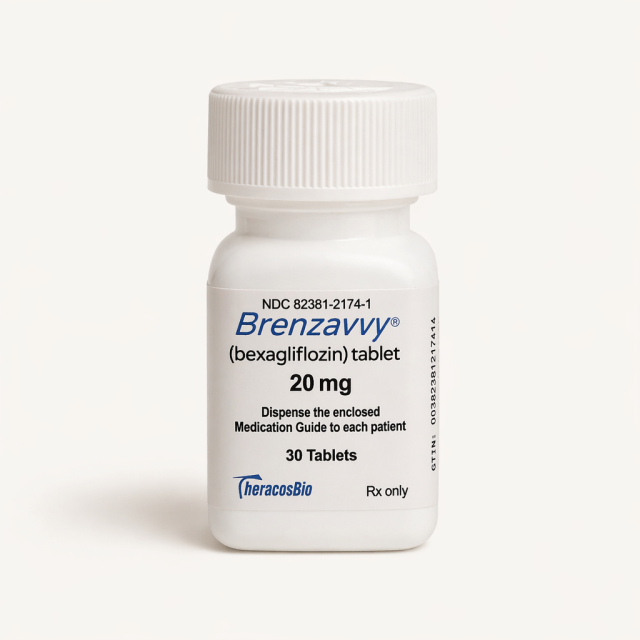
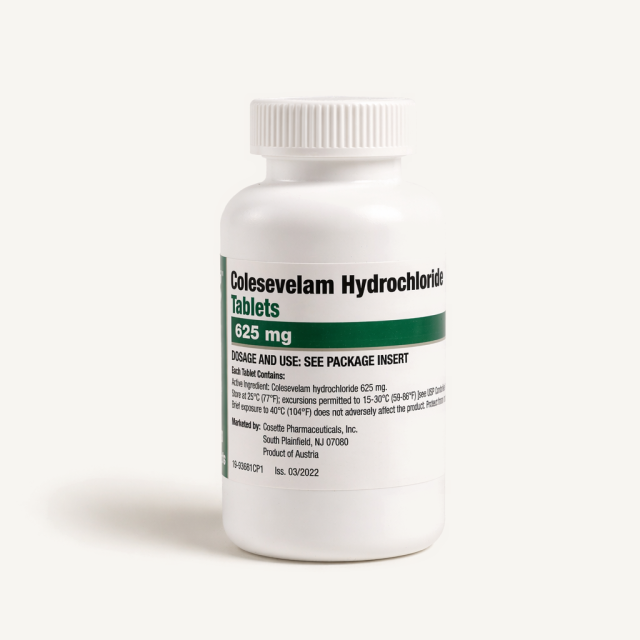
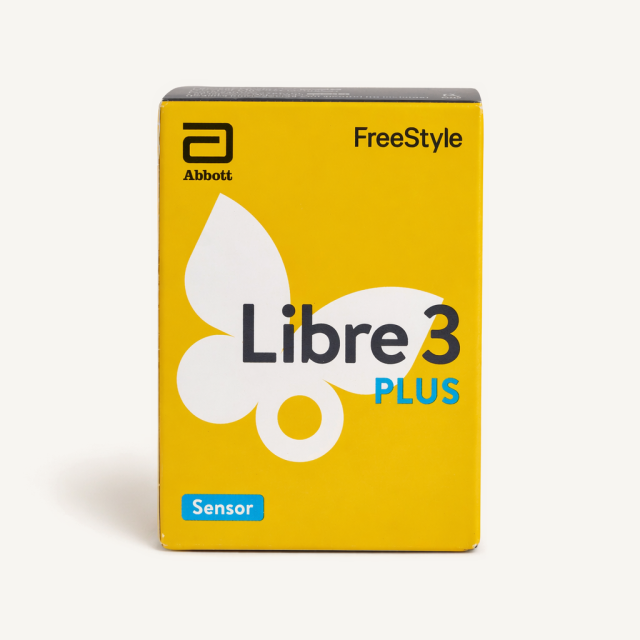
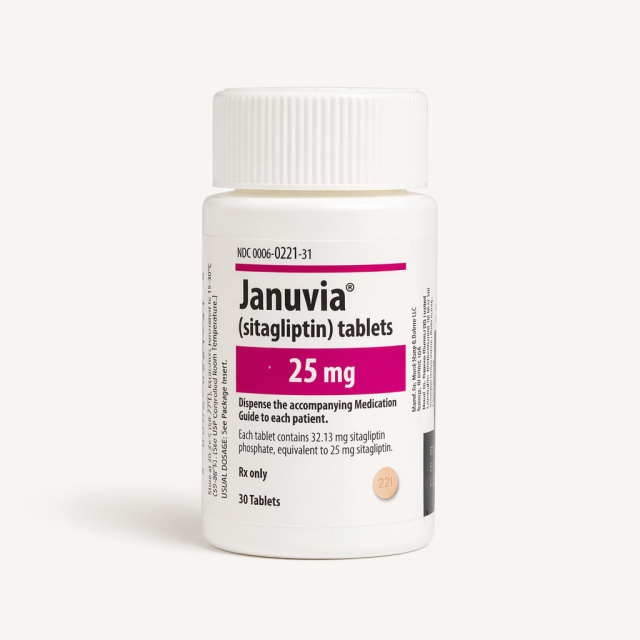
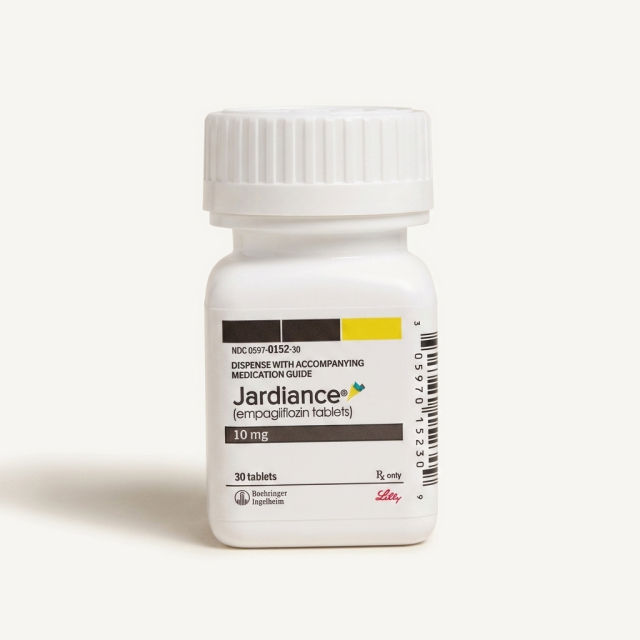
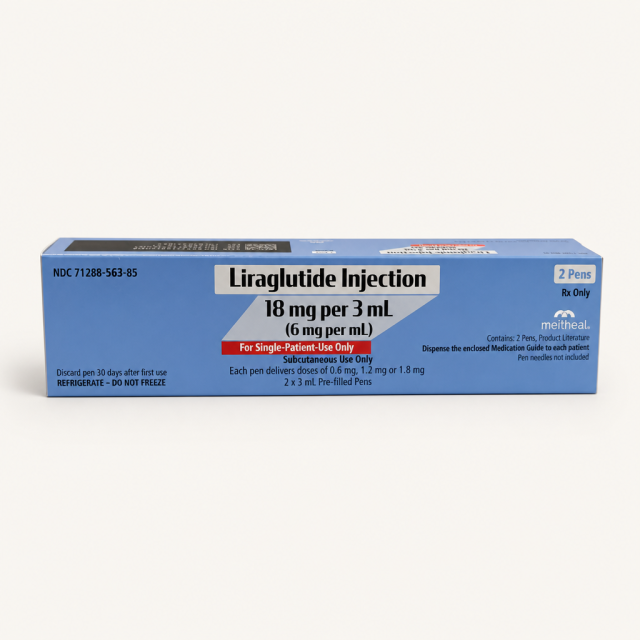
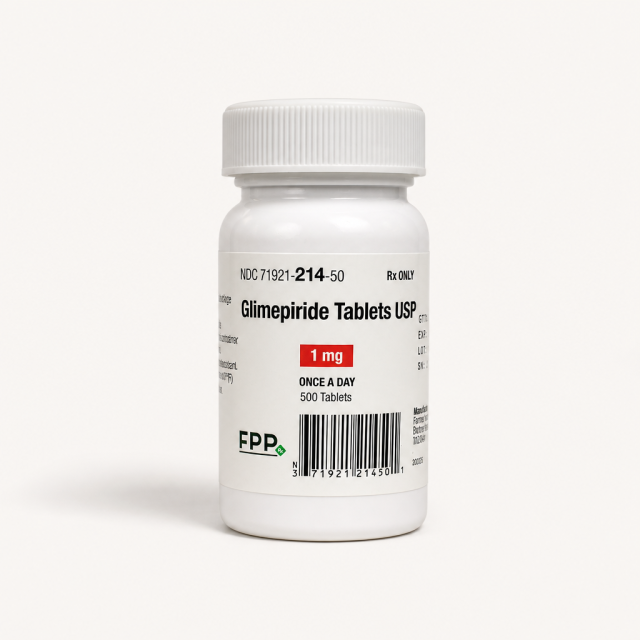
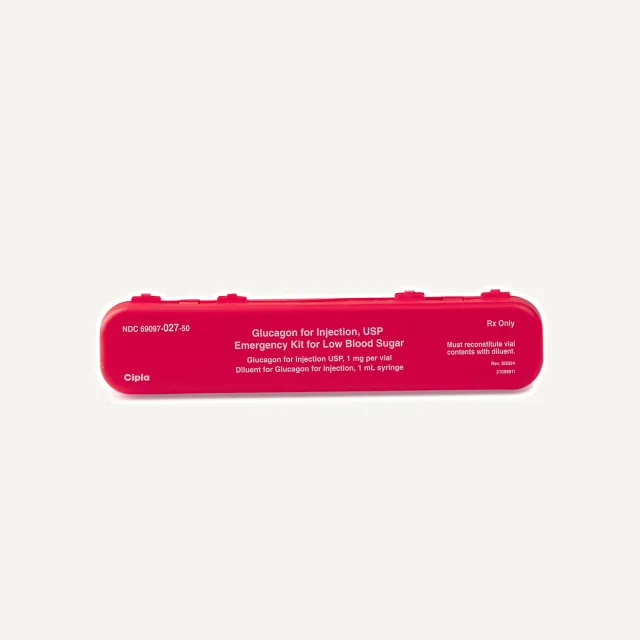
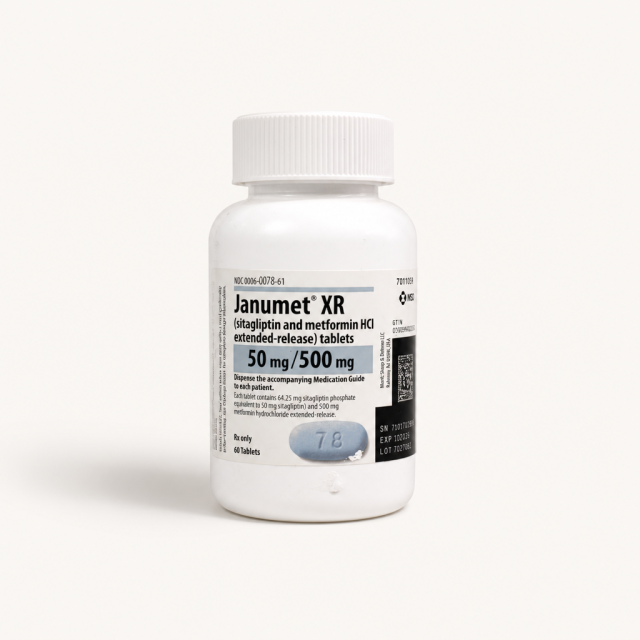
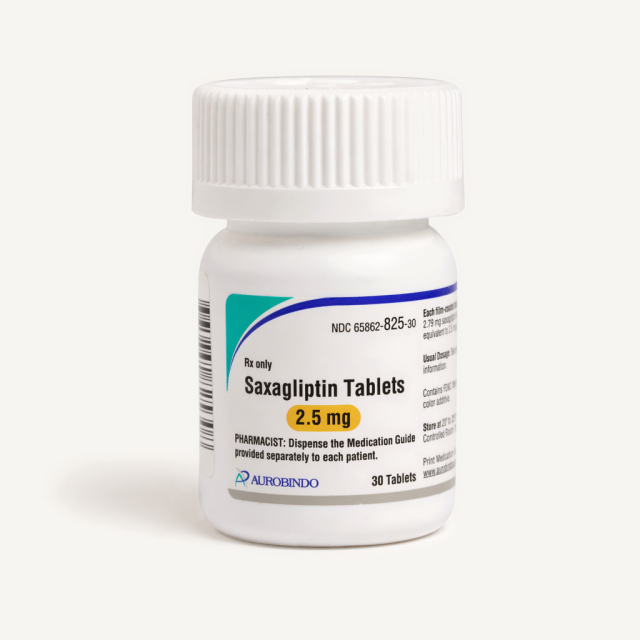
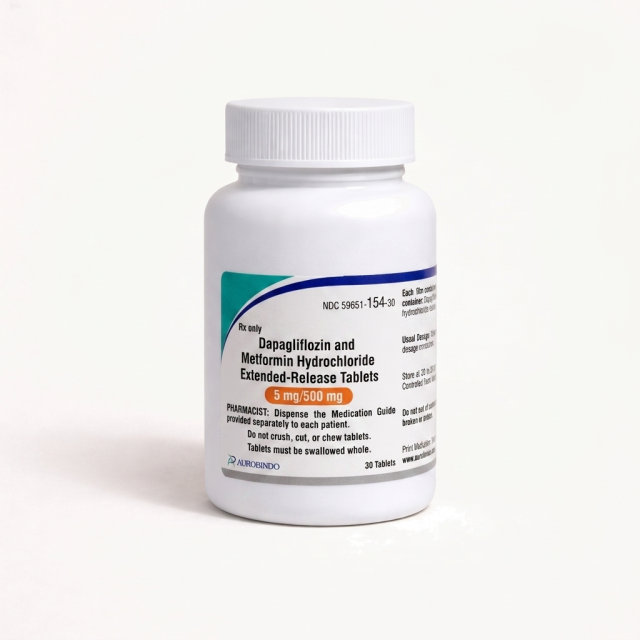
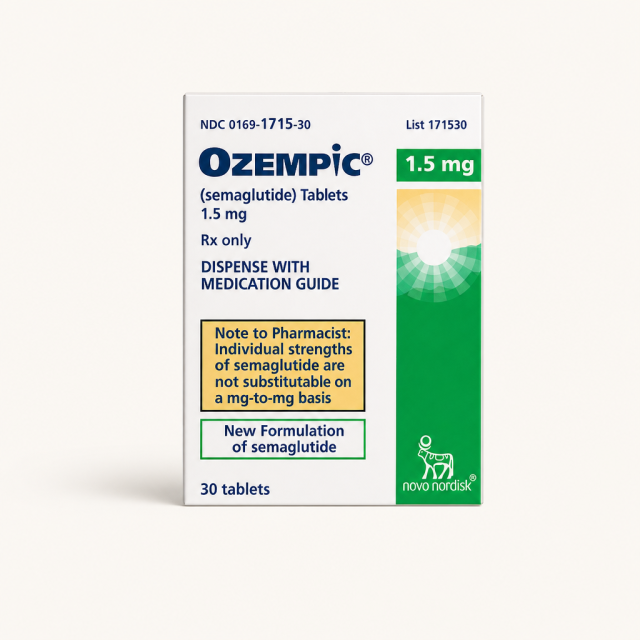
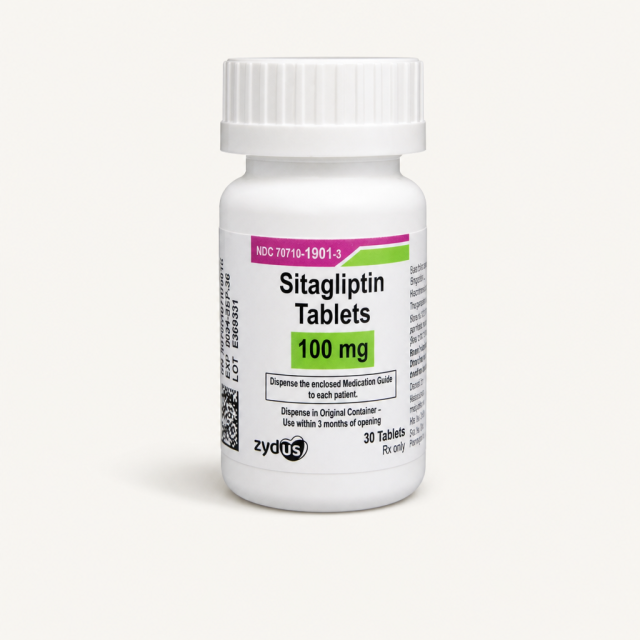
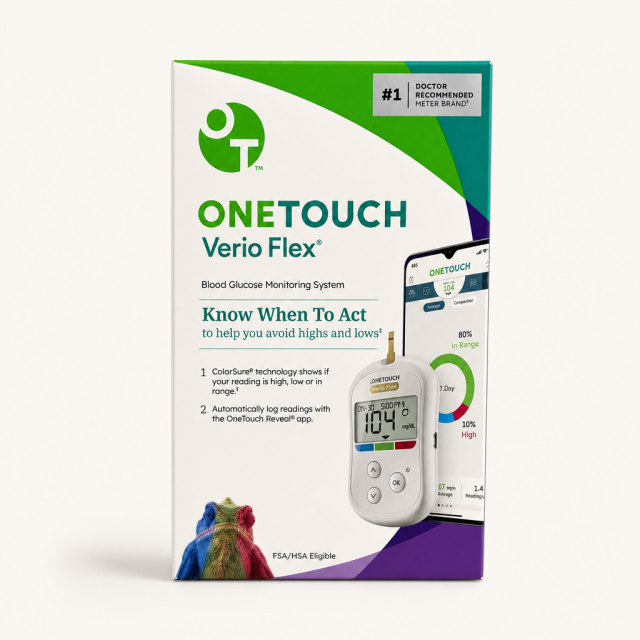
Exenatide is a prescription medication used to help improve blood sugar control in adults with type 2 diabetes. It works by mimicking a natural hormone in the body called GLP-1, which helps the pancreas release insulin when blood sugar is high, slows digestion, and reduces the amount of sugar made by the liver. It is commonly used along with diet and exercise, and in some cases with other diabetes medications, to support better daily glucose management.
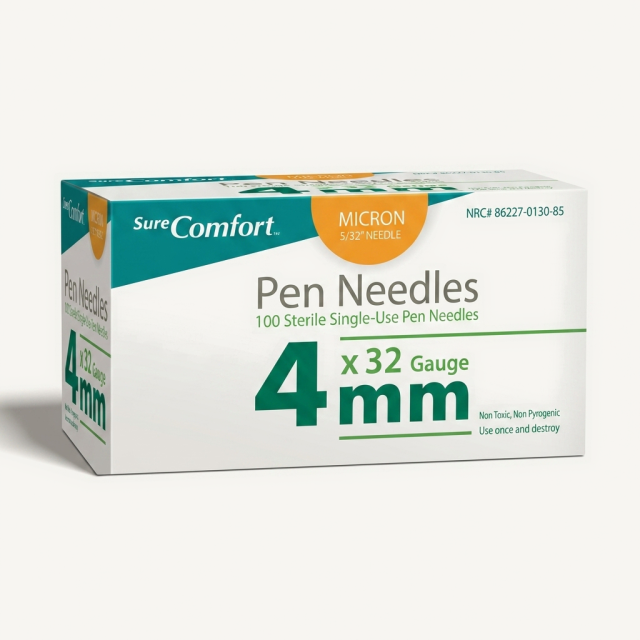
PEN NEEDLES NOT INCLUDED.
No insurance. No doctor's visit.
Just the medicine you need: no waiting, no worries.
1 million+ prescriptions filled
4.7/5 stars on Trustpilot
500+ available medications
LegitScript certified
Your online pharmacy
Exenatide belongs to a class of medications called GLP-1 receptor agonists. It helps lower blood sugar in several ways, including increasing glucose-dependent insulin secretion, decreasing inappropriate glucagon release after meals, and slowing how quickly food leaves the stomach. These effects can help reduce blood sugar spikes after eating and may also help some patients feel fuller sooner, which can sometimes lead to modest weight loss. Exenatide is not used to treat type 1 diabetes and should not be used in place of insulin for patients who need insulin therapy.
The medication is given by injection and is typically used as part of a broader diabetes treatment plan that includes nutrition, physical activity, and routine blood sugar monitoring. Patients should be counseled on proper injection technique, timing of administration, and the importance of monitoring for side effects or changes in blood sugar, especially if exenatide is used with sulfonylureas or insulin, which can increase the risk of hypoglycemia. Kidney function, gastrointestinal tolerance, and overall response to treatment should also be considered during therapy.
Common side effects of exenatide include nausea, vomiting, diarrhea, constipation, decreased appetite, indigestion, and injection site reactions. Nausea is especially common when first starting the medication and often improves over time. More serious but less common risks include pancreatitis, kidney problems, gallbladder issues, and low blood sugar when used with certain other diabetes medications. Patients should seek medical attention right away if they develop severe abdominal pain, persistent vomiting, signs of dehydration, or symptoms of an allergic reaction.
This information should not be used to decide whether or not to take this medicine or any other medicine. Only a healthcare provider has the knowledge and training to decide which medicines are right for you. TelyRx does not endorse any medicine as safe, effective, or approved for treating any patient or health condition. This is only a limited summary of general information about the medicine’s uses from the patient education materials and is not intended to be comprehensive. This limited summary does NOT include all information about the possible uses, directions, warnings, precautions, interactions, adverse effects, or risks that may apply to this medicine. This information is not intended to provide medical advice, diagnosis or treatment and does not replace information you may receive from your healthcare provider. For a more detailed summary of information about the risks and benefits of using this medicine, please review the entire patient education information you receive with the medication.
Testimonials
What patients are saying
★★★★★
4.7 out of 5
4,099 verified reviews on Trustpilot
★★★★★5.0 (128 reviews)
This is the best thing to happen since…
Thank you Telrx for creating this company. It's so hard to get doctor's appointments! For common ailments, we usually know what we need before we go to the doctor's office...this saves so much time, money and headache! Thank You!!
★★★★★5.0 (128 reviews)
Great Service
Great service. No more waiting for an appointment for the medication I've been taking for quite a while, with much success. Received doctor approval and the medication was shipped to me without any delays.
★★★★★5.0 (128 reviews)
This is the first time using an online prescription pharmacy
I was hesitant, but everything about the experience was very positive. From requesting the medication to receiving it was quick and easy. From time of order to receipt was only 2 days. Very happy and will not hesitate to use in the future.
★★★★★5.0 (128 reviews)
AMAZING ease to purchase
Where was this place all my life? No costly doctor's appts where you have to get a referral through Kaiser then drive then wait. Got an eczema cream for my daughter in 5 mins. Will be back
★★★★★5.0 (128 reviews)
I've been taking Blood Pressure meds…
I've been taking Blood Pressure meds for several years. Always going through the hassle of doctor's office and waiting rooms. TelyRx has made office visit's obsolete with its exceptional services.
Answers to common questions about treatment, pricing, and how this all works.
Why should I trust TelyRx?
Every order is reviewed virtually by a healthcare provider licensed in your state. Our licensed pharmacies dispense only FDA-approved medications and our platform provides HIPAA-level privacy protection. With TelyRx, you get real healthcare with real oversight.
Is insurance required?
No. TelyRx works outside of insurance entirely. The price you see is the price you pay. No prior authorizations, no claim denials, no waiting on approvals.
What will my medication cost?
Search any medication on our site and see your price instantly — no account required. The provider review is a flat $22 fee per order, whether you need one medication or multiple. Most people pay a fraction of what they’d pay at a typical pharmacy.
Do I need to have a prescription?
Not to get started. Complete a short health attestation, and a licensed provider will review your request entirely online. Already have a prescription? You can transfer it to TelyRx directly.
How do I transfer my existing prescription to the TelyRx platform?
Make sure you have created an account with TelyRx if you haven't already done so. Select the “I have a prescription” option when adding your request to your cart. If we don’t have the exact medication (dosage, quantity, formulation) matching your prescription, we recommend that you request a prescription through our platform to reduce any potential delay or denial. Provide your current pharmacy’s name and phone number, as well as your prescription number. Our customer service team will reach out for more information as needed.
If your prescription details differ from the order you submitted, such as if the dosage differs, your order will be cancelled and you will not be charged.
If we do not have your exact match in dosage, quantity, or formulation, we recommend selecting the “I need a prescription” option to avoid potential fulfillment delays. Your request will be reviewed by an independent, licensed provider.
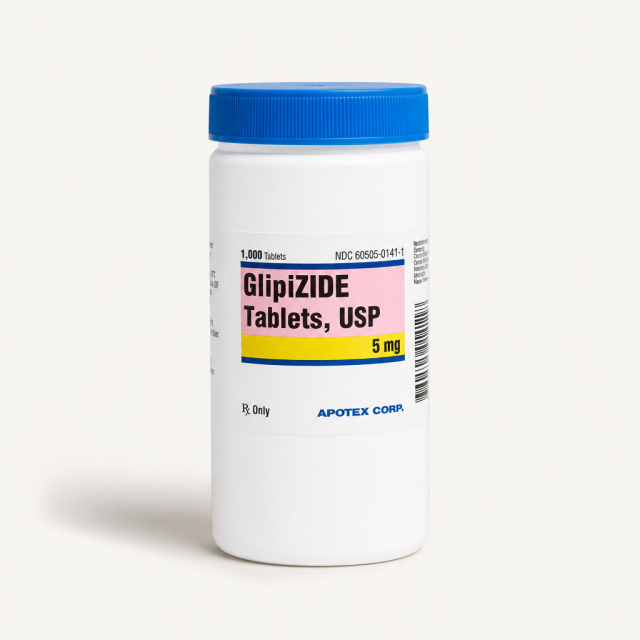
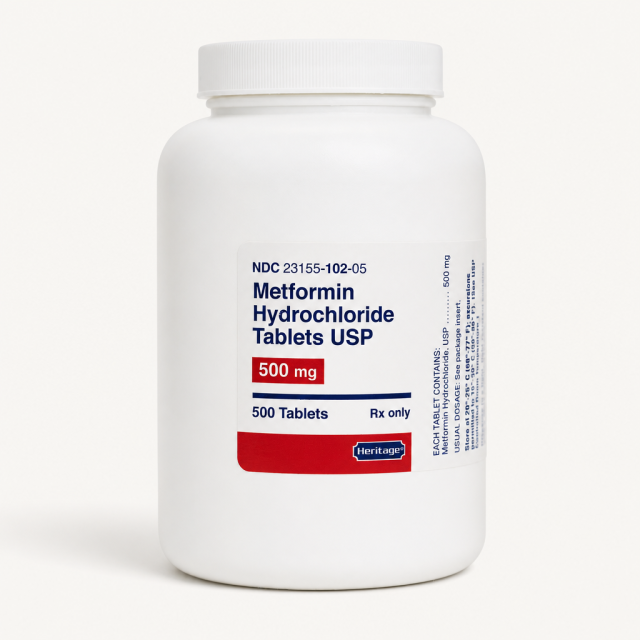
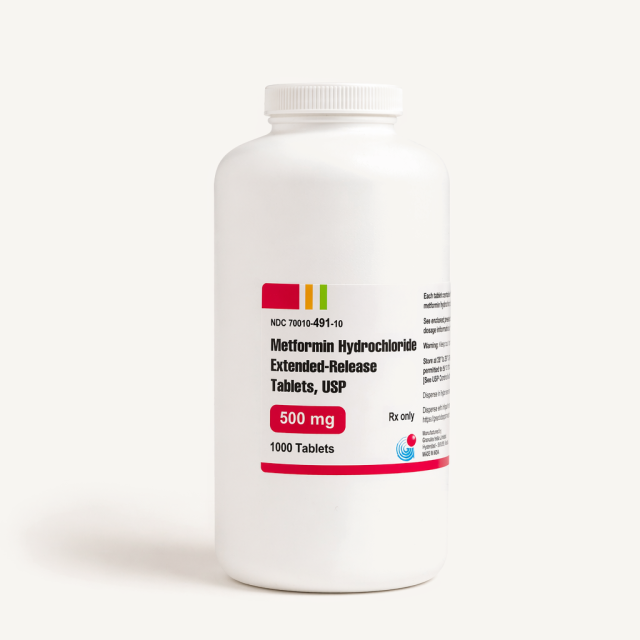
Why does my medicine look different than the product photo?
Medication appearance can vary depending on the manufacturer. No matter which company creates it, the drug you receive will always be FDA-approved and bioequivalent. This means it contains the same active ingredient(s), at the same dosage, for the same intended use. The medicine you receive is just as safe and effective, even if it doesn't look exactly like the photo.
We work with a network of trusted American wholesalers and manufacturers to keep your medications high-quality, FDA-approved, and reliably in stock. From time to time, we may switch manufacturers to ensure you never run out of the medication you depend on.
In the rare case that a bioequivalent version isn't available, we'll cancel your order and refund you the cost — because your safety always comes first.