Whether you’re boarding an international flight or heading out on a long weekend road trip, building a reliable travel first aid kit is one of the smartest, easiest ways to protect your health on the go.
Minor travel illnesses happen all the time. And scrambling to find medication or first-aid supplies in an unfamiliar pharmacy, late-night airport, or remote town? That’s the last thing you want to do when you’re already not feeling well.
The good news: making a DIY travel first aid kit doesn’t have to be time-consuming or expensive. In fact, you can build a better one than most store-bought kits in under 10 minutes — and you’ll be so glad you did.
Why a Travel First Aid Kit?
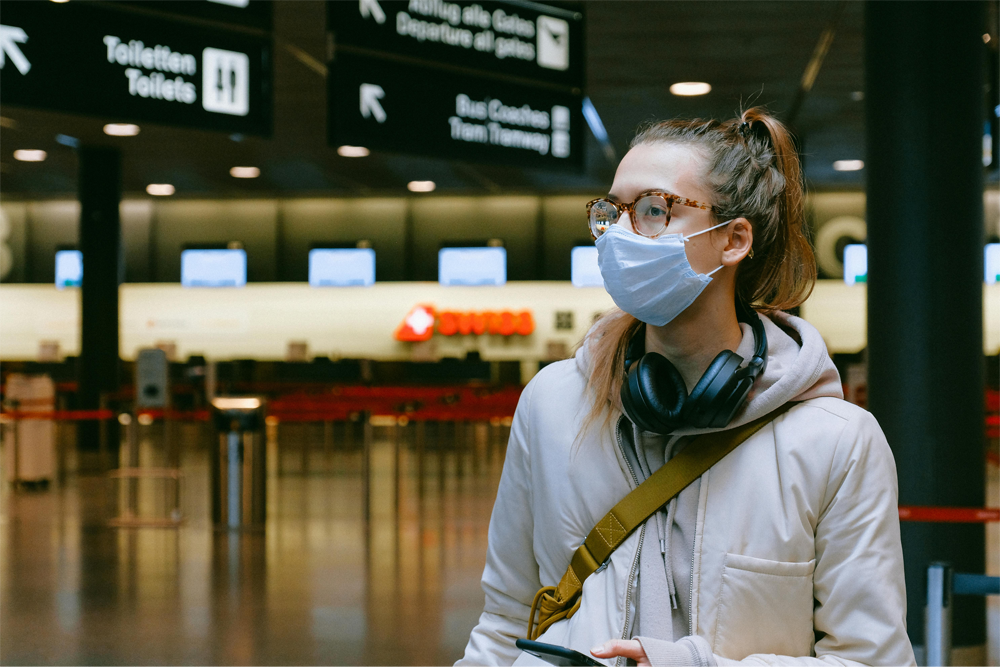
Between motion sickness and food poisoning, travel introduces a whole set of unpredictable health scenarios. And research shows just how common these issues really are:
- 43%–79% of travelers to low- and middle-income countries become ill during or after their trip (CDC).
- Roughly one-third of people are highly susceptible to motion sickness (Wikipedia).
- Up to 80% of returning travelers feel unwell, with symptoms ranging from fatigue to gastrointestinal discomfort (Weill Cornell Medicine).
- 30–50% of international tourists report some form of illness or injury while abroad (Hastings, Cohan, & Walsh, LLP).
Plus, foreign pharmacies may not carry equivalent medications, or ingredients may be labeled in a language you don’t speak. And let’s not forget that airport kiosks can charge up to three times more for basic medications. With a well-stocked first aid kit for international travel, you can avoid unnecessary stress and get back to enjoying your trip faster.
Everyday Medication Essentials
Wondering what to pack in a travel first aid kit? Here’s a breakdown of the essential travel medications you should include for real-world protection, categorized for easy reference. These items cover common health issues that can strike anytime during your travels:
- Pain relievers: Include ibuprofen or acetaminophen for headaches, aches, and muscle pain
- Allergy medications: Bring oral antihistamines like levocetirizine and EpiPens if you’re at risk of severe or ongoing allergic reactions
- Cold and flu relief: Don’t let sniffles ruin your adventure. Oseltamivir (generic Tamiflu) can help treat flu symptoms early.
- Antibiotics: Traveling increases your exposure to many things, including unfamiliar bacteria, which can lead to illness. Amoxicillin-clavulanate tablets (generic Augmentin) can treat bacterial infections like sinusitis or ear infections, while azithromycin tackles respiratory or travel-related bacterial infections.
- Motion sickness medications: Prescription medications like promethazine and scopolamine patches can help ease motion sickness, no matter where you go.
- Anti-itch creams: Unfamiliar greenery or new environments can cause itching and dermatitis quickly. Having quick relief from Rx creams like the topical steroid triamcinolone can make all the difference.
Beyond Medications
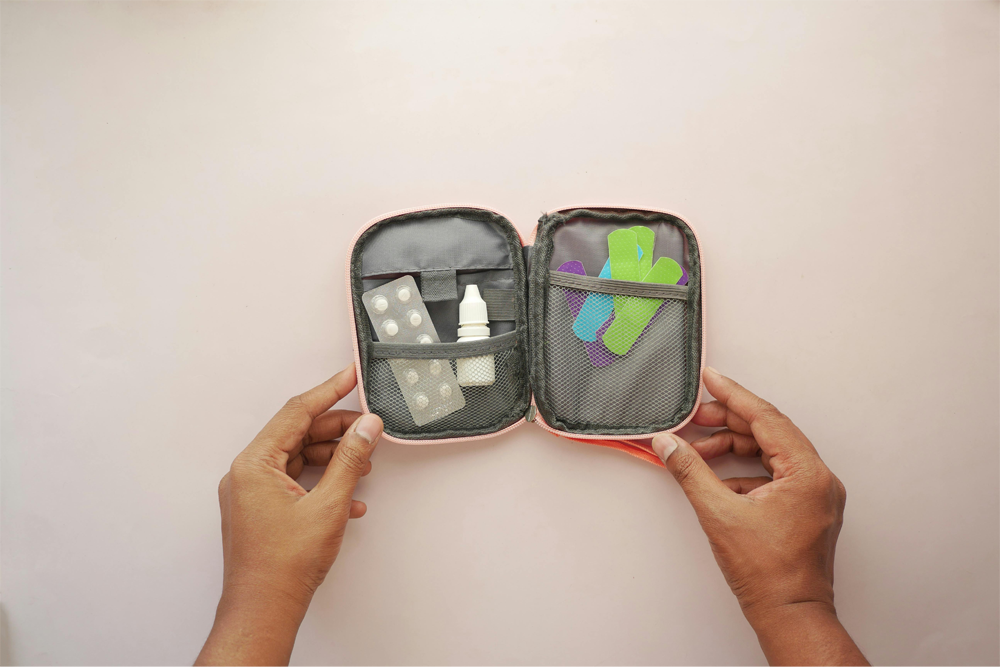
Your DIY travel first aid kit should include more than just medications. Having the right basic tools on hand can help prevent infection, treat minor injuries, and keep you clean and safe along the way. These can include:
- Band-aids of various sizes
- Tweezers and nail clippers
- Antiseptic wipes or alcohol swabs
- Thermometer strips (lightweight and battery-free)
- Compact medical scissors
- Latex or nitrile gloves
- Disposable face masks
- Travel-size hand sanitizer
Keep these in a small pouch or resealable bag to protect them from moisture and spills.
International Travel Kit
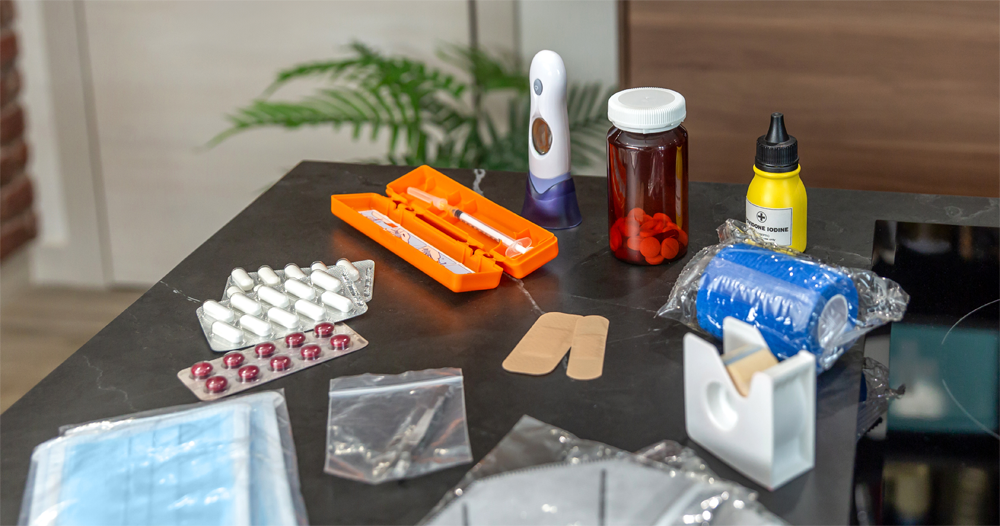
If you’re traveling internationally, especially to rural, tropical, or developing regions, your first aid kit for international travel should go beyond the basics. In areas where medical access is limited, or where diseases are more prevalent, being overprepared isn’t paranoid, it’s smart.
Here are the specialty items to add for higher-risk destinations:
- Malaria medication: Depending on where you’re traveling (sub-Saharan Africa, Southeast Asia, parts of Central and South America), a doctor may prescribe malaria prevention medication like atovaquone-proguanil. Always begin the course before travel as directed by your healthcare provider.
- Traveler’s diarrhea treatment: Due to lower water quality in some developing countries, antibiotics like ciprofloxacin or azithromycin can be lifesaving. They can help treat symptoms of traveler’s diarrhea as soon as they start.
- Scabies or deworming medication: These are especially important if you’re staying in hostels, communal housing, or volunteering in rural areas.
- Translation cards for medical emergencies: Include phrases like “I am allergic to penicillin” or “I need a pharmacy” in the local language.
- Health insurance card and emergency medical contacts: Laminate a copy and include local embassy or clinic numbers.
- Prescription copies: Carry physical or digital versions of any regular medications, signed by a provider, in case customs officials or pharmacists request proof.
These additions ensure that your travel first aid kit is not just ready for a headache or motion sickness, but for real medical events where preparation could make a critical difference.
Packing Strategies
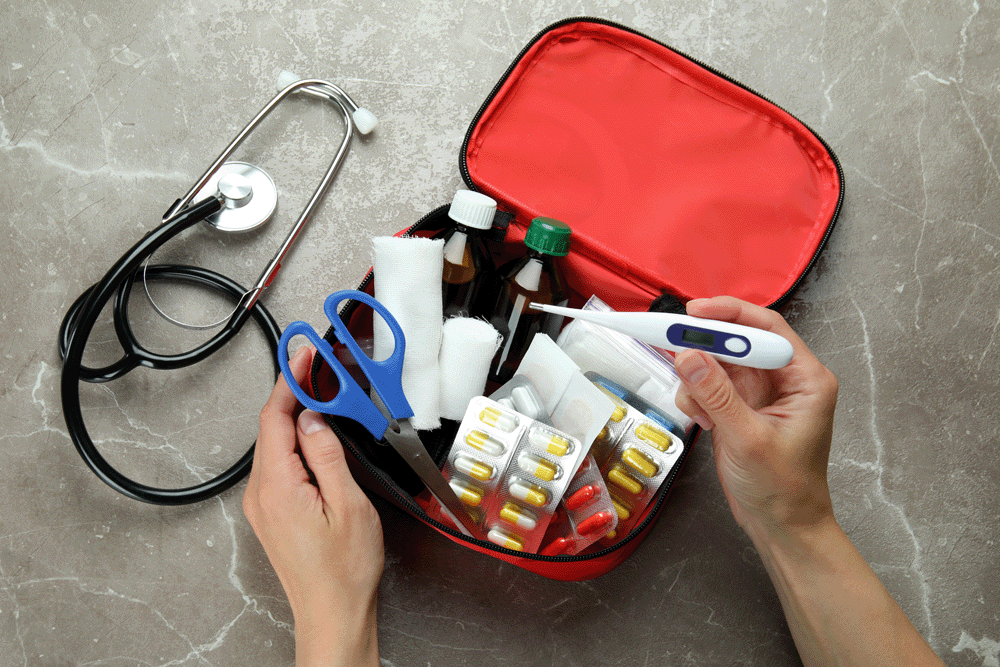
It’s not enough to just bring everything—you need to find it fast when you need it! Use these strategies to keep your first aid kit for travel organized and accessible:
- Use a multi-pocket organizer or pouches with color-coded labels (“Meds,” “Injury,” “Hygiene”)
- Store all liquids in TSA-compliant bottles under 3 oz
- Keep prescription medications and daily-use items in a dedicated spot for easy access
- Include a small notecard with:
- Emergency contacts
- Allergies and medical conditions
- List of current medications
- Keep an inventory checklist in the kit so you can restock after every trip
- Choose a bag or case that’s water-resistant and compact, ideally with a hook or strap for packing flexibility
Refresh The Contents
Many travelers build their kits, then forget about them until the next trip. But some items expire, degrade, or run out over time. Every 6–12 months, go through your kit and check:
- Medication expiration dates
- Empty blister packs or low supplies
- Sticky or leaking bottles
- Restock after any trip where you used items
- If you’ve switched prescriptions or developed new allergies, update your kit’s info card accordingly
Check TSA rules before each flight in case regulations on liquids or medications have changedIt only takes a few minutes to update, and it ensures your kit is ready when you need it most.
Level Up Your Kit
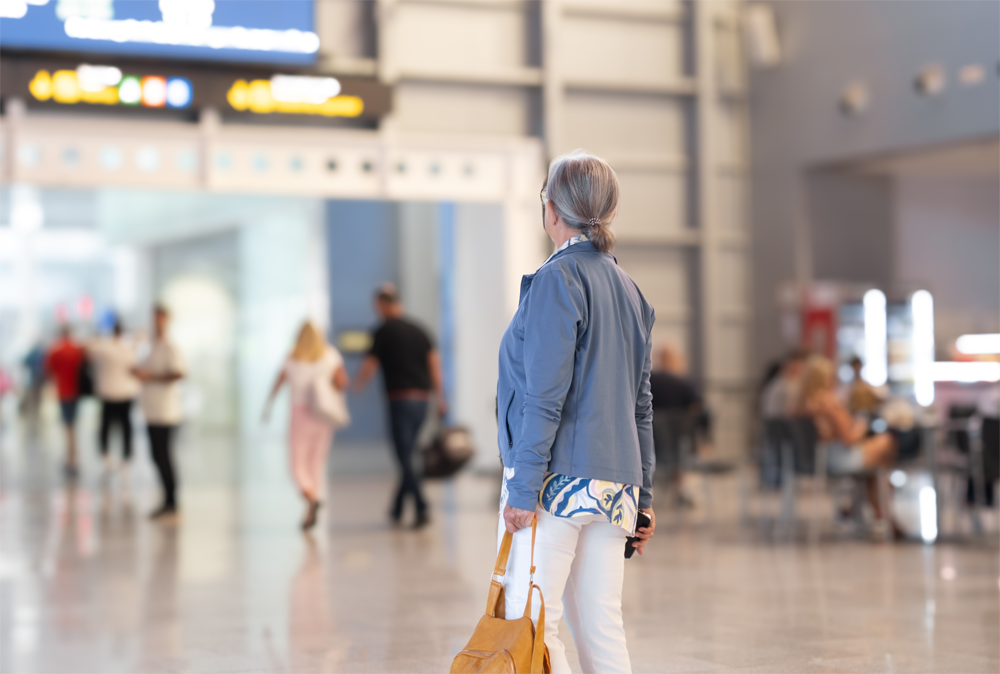
Looking to take your wellness pack for travel to the next level? Traveling on a frequent basis? Here are additional ways you can be even more prepared and forward-thinking:
- Pack a small pill splitter for adjusting doses on the go
- Bring a spare pair of prescription glasses or contact lenses in your kit
- Include zip-top bags or small containers for isolating dirty or wet items
- If visiting rural areas, consider packing a mini flashlight and a pocket mirror for low-light care situations
- Store digital backups of your health insurance, vaccination record, and prescriptions in your phone or cloud drive
- For travel to hot climates, including anti-chafing cream or medicated powder
These thoughtful additions make your kit feel less like a checklist and more like a portable health hub.
Your Next Steps
A well-stocked, thoughtfully organized travel first aid kit gives you peace of mind no matter where the road — or sky — takes you. From cold symptoms on a plane to an unexpected stomach issue in a remote village, you’ll be glad you took the time to prepare.
Focus on essential travel meds, basic tools, and smart organization. Don’t forget to refresh your kit every few months to keep it trip-ready. It takes 10 minutes now to prevent hours of stress later.
The difference between a ruined trip and a recovered one? A proper first aid kit.
Our experts

Written by
Mariah Powers is a wellness content strategist and writer with over seven years' experience developing clear, informative narratives on complex health topics for pharmaceutical manufacturers, hospitals, therapy clinics, and clean-living companies. Leveraging SEO product development insights, she crafts data-driven health topics, empowering readers to live healthier, happier lives.

Reviewed by
Adam Gardner, Licensed Pharmacist
Adam Gardner brings over 15 years of leadership experience in the pharmaceutical industry. A graduate of Albany College of Pharmacy in New York, Adam is a board-certified pharmacist licensed in more than 20 states.
This blog post is for informational purposes only and does not constitute medical advice, diagnosis, or treatment. The content provided here is not a substitute for professional medical advice, consultation, or care from a qualified healthcare provider. Always seek the guidance of your physician or another licensed health professional with any questions you may have regarding a medical condition or treatment. Do not disregard or delay seeking professional medical advice based on information read on this site. Learn more about our editorial standards.