How It Works
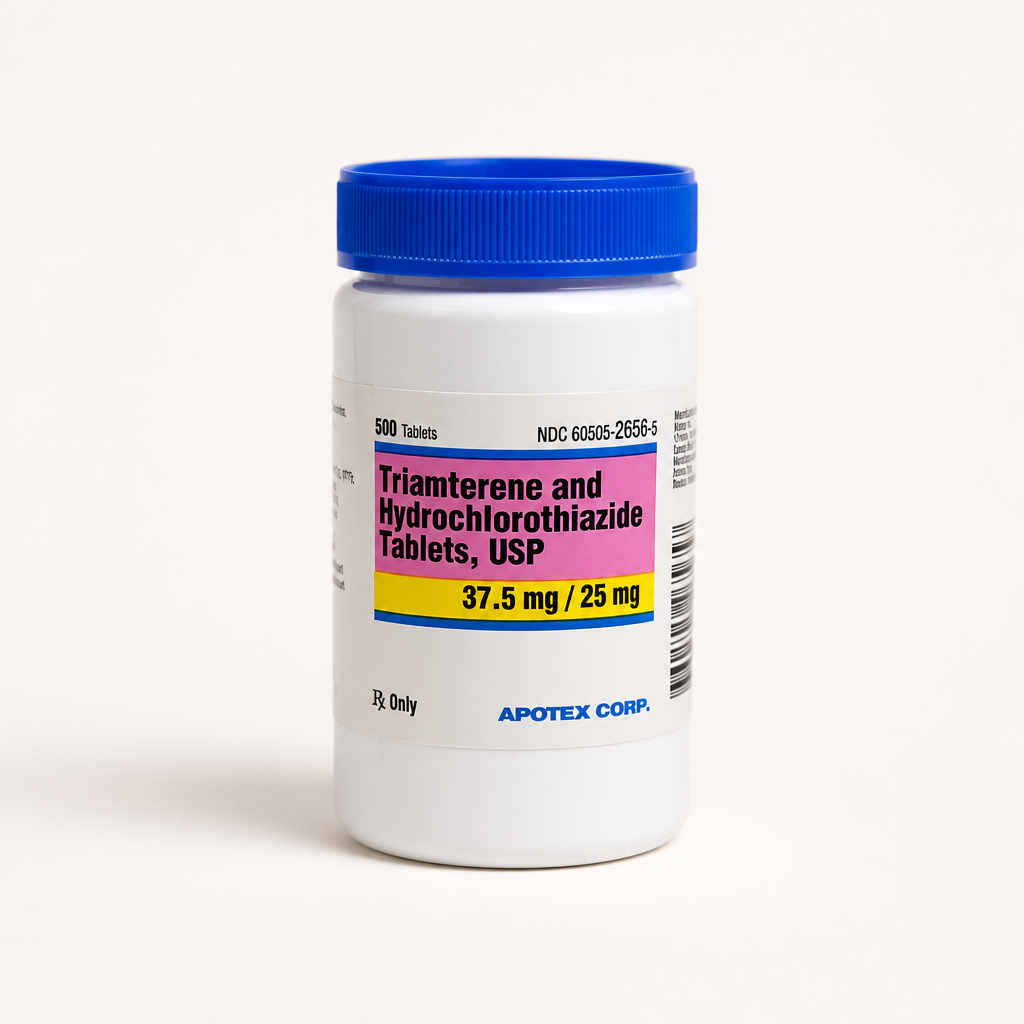
Triamterene/hydrochlorothiazide is a combination drug that contains two active ingredients:
- Hydrochlorothiazide: This thiazide diuretic works by helping the body eliminate excess sodium (salt) and water by making you urinate more. This reduction in fluid volume helps to lower blood pressure and swelling.
- Triamterene: This potassium-sparing diuretic also helps the kidneys remove excess water and electrolytes, but it does so without removing potassium. This helps lower blood pressure and swelling without letting your potassium levels get too low (a common side effect of diuretics).
Together, these ingredients help lower blood pressure and decrease the risk of serious cardiovascular issues, such as heart attacks and strokes, as well as kidney problems.
Providers may consider this combination medication for people who need to take hydrochlorothiazide but have experienced low potassium levels as a side effect of taking it alone.
| Quick Facts | |
|---|---|
| Common Brands | Maxzide-25 |
| Drug Class | Potassium-sparing diuretic and thiazide diuretic |
| Generic Status | Generic is available |
| Availability | Prescription only |
Dosing
Triamterene/hydrochlorothiazide is available in oral capsules and tablets in the following dosage strengths:
- 37.5 mg/25 mg: capsules and tablets
- 75 mg/50 mg: tablets only
Triamterene/hydrochlorothiazide is taken by mouth once per day. Because it makes you urinate more often, healthcare providers typically recommend taking your dose in the morning or early afternoon so that your nighttime sleep isn’t disrupted.
Note: Dosing information below is educational only. Your prescribing physician will determine your specific dose based on your individual health needs. Always follow your healthcare provider’s instructions for exact dosing.
Uses
FDA-Approved Uses
Triamterene/hydrochlorothiazide is FDA-approved to treat high blood pressure (hypertension) and swelling with fluid retention (edema).
Off-Label Uses
You may see triamterene/hydrochlorothiazide prescribed for uses that are not “FDA-approved.” This is a common and legal practice called “off-label” prescribing, where a doctor uses their clinical judgment to prescribe a drug for a different (but well-researched) purpose.
There are currently no common off-label uses for triamterene/hydrochlorothiazide.
Side Effects
Like all medications, triamterene/hydrochlorothiazide can cause side effects. Some common side effects may improve over time as your body adjusts to the medication. Other side effects may be serious and require medical attention.
Common Side Effects
- Dizziness
- Headache
- Increased urination
- Dehydration
- Nausea
- Upset stomach
- Muscle cramps
- Vomiting
- Fatigue
- Rash
Serious Side Effects
Serious side effects are rare, but it’s important to know what to look for if they do occur. Stop using triamterene/hydrochlorothiazide and call your doctor immediately if you experience:
- Severe allergic reactions: Symptoms include swelling of the face, lips, tongue, or throat; difficulty breathing or swallowing; racing heart; severe rash or itching; and/or fever.
- High potassium levels (hyperkalemia): Because triamterene retains potassium, it’s possible for levels to become too high, which can be life-threatening. Symptoms include weakness, tingling sensations, chest pain, difficulty breathing, nausea, vomiting, and rapid heartbeat.
- Low blood pressure (hypotension) with worsening kidney function: Fluid loss from triamterene/hydrochlorothiazide can cause blood pressure to drop too low and reduce blood flow to organs like the kidneys. Symptoms include confusion, dizziness, fainting, weakness, difficulty breathing, chest pain, sudden weight gain, reduced urination, increased thirst, dark or smelly urine, dry mouth, headache, fast heartbeat, sunken eyes, seizures, and swelling in the feet, ankles, or legs.
- Kidney stones: Kidney issues, including kidney stones, can occur when taking triamterene/hydrochlorothiazide. Symptoms include severe pain in the back, side, belly, or groin; burning or difficulty while urinating; small amounts of urination; blood in the urine; cloudy urine; small stones in the urine; nausea; vomiting; fever.
- Severe skin reactions: This medication can cause Stevens-Johnson syndrome (SJS) or toxic epidermal necrolysis (TEN), which can be life-threatening. Symptoms include painful red or purple skin that peels, flat rash or blisters, and red or watery eyes.
- Electrolyte imbalances and increased blood sugar: The drug can cause dangerously low levels of sodium or magnesium, as well as high blood sugar. Symptoms may include weakness, tiredness, muscle cramps, constipation, nausea, vomiting, loss of appetite, dizziness, difficulty breathing, restlessness, confusion, irregular heartbeat, and seizures.
- Sensitivity to sunlight (photosensitivity): Triamterene/hydrochlorothiazide can make your skin more sensitive to sunlight, sunlamps, and tanning beds. This can lead to severe sunburns or blisters without proper sun protection.
- Vision problems: Triamterene/hydrochlorothiazide can cause short-sightedness and cause or worsen narrow-angle glaucoma. Symptoms include trouble seeing objects that are far away, seeing circles around lights, vision loss, eye pain, and severe headache or vomiting.
- High levels of acid in the blood (metabolic acidosis): Triamterene/hydrochlorothiazide can cause too much acid to build up in the blood. Symptoms include confusion, headache, tiredness, rapid heartbeat, and upset stomach.
- Pancreatitis: This medication can cause inflammation of the pancreas. Symptoms include vomiting and severe upper belly pain that may radiate to the back.
- Liver damage (hepatoxicity): Liver damage can occur when taking triamterene/hydrochlorothiazide. Symptoms include yellowing of the skin or eyes (jaundice), stomach pain, nausea, vomiting, fever, loss of appetite, dark urine, light-colored stools, weakness, and itching.
- Low platelet levels (thrombocytopenia): A low blood platelet count can occur when taking triamterene/hydrochlorothiazide, which can increase your risk of bleeding. Symptoms include easy bruising or bleeding, nosebleeds, and bleeding that does not stop.
- Low red blood cells (anemia): Triamterene/hydrochlorothiazide can lower levels of red blood cells. Symptoms include weakness, tiredness, cold hands and feet, fast or irregular heartbeat, pale skin, dizziness, lightheadedness, and shortness of breath.
Call your doctor immediately if you experience any concerning or prolonged symptoms.
Pharmacist Tips
Take Your Dose Early in the Day
The drug’s diuretic effect can last for up to 12 hours, so it’s recommended to take triamterene/hydrochlorothiazide in the morning or early afternoon. Ensure you have reliable access to a bathroom.
Take With or Without Food
Triamterene/hydrochlorothiazide can be taken with or without food. If it upsets your stomach, taking it with food may help.
Manage Dizziness
Your body may need a few days to adjust to having lower blood pressure on triamterene/hydrochlorothiazide. As a result, you may feel dizzy or faint. Move slowly when standing or sitting up from a seated or lying position. Avoid driving or operating heavy machinery until you know how the medication affects you.
Use Sun Protection
This medication makes your skin sensitive to UV damage, even when it’s cloudy or overcast. Apply sunscreen with an SPF of 30 or higher, and wear protective clothing and hats when outdoors.
Avoid Potassium Supplements and Salt Substitutes
Having too much potassium can lead to dangerously high blood potassium levels. Your doctor may recommend adjusting your diet if you eat a lot of high-potassium foods.
Keep Up With Blood Work
Get regular blood tests as recommended by your doctor. These tests help to monitor your kidney function and ensure your electrolytes remain balanced while taking triamterene/hydrochlorothiazide.
Limit Alcohol
Drinking alcohol is not recommended while taking triamterene/hydrochlorothiazide, as it may increase the risk of side effects like dizziness or fainting.
Tell Your Provider if You’re Pregnant or Breastfeeding
It is not known if triamterene/hydrochlorothiazide can affect pregnancy or harm an unborn baby. However, the medication does pass into breast milk. Tell your healthcare provider if you are pregnant, breastfeeding, or planning to be, so they can advise whether this medication is safe for you to take.
Try to Avoid Missing a Dose
If you miss a dose of triamterene/hydrochlorothiazide, take it as soon as you remember, unless it is almost time for your next dose. In that case, skip the missed dose and take your next dose as scheduled. Do not take double or extra doses to make up for a missed one.
Drug Interactions
Certain medications and substances can interact with triamterene/hydrochlorothiazide, potentially altering how it works or increasing the risk of side effects. For example:
- Potassium-containing medications: Triamterene/hydrochlorothiazide should not be taken with medications that raise potassium levels, such as potassium chloride or potassium supplements.
- Diuretics: Triamterene/hydrochlorothiazide should not be used with other diuretics (“water pills”).
- Other heart or blood pressure medications: Interactions can occur when triamterene/hydrochlorothiazide is combined with ACE inhibitors (like benazepril and lisinopril), ARBs (like losartan and valsartan), aliskiren, and digoxin.
- Nonsteroidal anti-inflammatory drugs (NSAIDs): Pain relievers such as ibuprofen and naproxen can interact with triamterene/hydrochlorothiazide.
- Barbiturates: Triamterene/hydrochlorothiazide may interact with phenobarbital, butalbital, primidone, or other medicines used to treat insomnia, migraines, or seizures.
- Opioids: Pain relievers, such as fentanyl, morphine, and oxycodone, should not be used with triamterene/hydrochlorothiazide.
- Diabetes medications: Medications that lower blood sugar should not be used with triamterene/hydrochlorothiazide.
- Cholesterol medications: Medications like colestipol and cholestyramine may interact with triamterene/hydrochlorothiazide.
- Corticosteroids: Medications like prednisone and methylprednisolone should not be taken with triamterene/hydrochlorothiazide.
- Lithium: This medication should not be used with triamterene/hydrochlorothiazide.
Always give your doctor and pharmacist a complete list of all your medications, vitamins, and supplements to check for potential interactions.
FAQs
Why is it so important to take this medication in the morning?
Because this medication is composed of two water pills (diuretics), it works by increasing how much you urinate. Taking triamterene/hydrochlorothiazide in the morning or early afternoon helps ensure that the diuretic effect wears off before bedtime, preventing you from waking up repeatedly during the night to use the bathroom.
Is there a difference between the brand names Maxzide and Dyazide?
No. Maxzide and Dyazide are brand names for the generic medication triamterene/hydrochlorothiazide.
Does this medication cause gout flare-ups or joint pain?
Yes, triamterene/hydrochlorothiazide can cause or worsen gout. The medication can raise uric acid levels in the body, which increases the risk of gout attacks, particularly in people with kidney problems or a personal or family history of gout. Symptoms to watch for include severe pain, warmth, swelling, or redness in joints, commonly the big toe.
Can I take ibuprofen or naproxen while taking triamterene/HCTZ?
It may not be safe, so it’s best to check with your healthcare provider first. Ibuprofen and naproxen are both nonsteroidal anti-inflammatory drugs (NSAIDs), which are known to interact with triamterene/hydrochlorothiazide.
Will this medication raise my blood sugar if I have type 2 diabetes?
Yes, triamterene/hydrochlorothiazide has the potential to increase your blood sugar levels. If you have diabetes, it is important to check your blood sugar regularly and inform your provider if your readings are higher than normal, as your diabetes medications may need adjusting.
Does taking triamterene/HCTZ mean I need to drink more water, or restrict my fluids?
Because this medication increases fluid loss, it can lead to dehydration. It’s recommended to drink plenty of water to stay hydrated, especially if you are losing additional fluids through sweating, vomiting, or diarrhea.
How long does it actually take for this medication to lower my blood pressure?
You will likely start to notice an initial effect, such as the need to urinate more, within a few hours of your first dose. However, it may take days to weeks before you feel the full effects of triamterene/hydrochlorothiazide on your blood pressure.
Can triamterene/HCTZ cause erectile dysfunction or a lower sex drive?
Yes, changes in sex drive or sexual performance have been reported as possible side effects of this medication. If these side effects occur and are bothersome to you, discuss them with your doctor.
Is it safe to drink alcohol while taking this blood pressure medication?
It is generally recommended to limit your alcohol consumption while taking this medication. Drinking alcohol can increase your risk of dizziness or lightheadedness on triamterene/hydrochlorothiazide.
Does triamterene/HCTZ cause kidney stones?
Yes, kidney stones are a possible side effect of taking triamterene/hydrochlorothiazide. The risk may be higher for people with a history of kidney stones.
Can I take this medication during pregnancy or while breastfeeding?
Triamterene/hydrochlorothiazide is not recommended during pregnancy, as it is unknown how it might affect an unborn baby, so risk cannot be ruled out. The medication does pass into breast milk. You should consult your healthcare provider if you are pregnant, planning to become pregnant, or wish to breastfeed.
Why do I suddenly have painful muscle cramps or spasms in my legs?
Muscle cramps and twitching are known side effects of triamterene/hydrochlorothiazide. These symptoms may result from the medication’s effects on your fluid and electrolyte levels.
Comparable Medications
Triamterene/hydrochlorothiazide, Maxzide, spironolactone (Aldactone), amiloride, furosemide (Lasix), lisinopril / HCTZ (Zestoretic), or losartan / HCTZ (Hyzaar)?
There are several medications that your doctor can prescribe in place of triamterene/hydrochlorothiazide. Here are a few possible alternatives below.
Maxzide
A brand-name version of generic triamterene/hydrochlorothiazide.
Spironolactone
From $26.99
A potassium-sparing diuretic used to treat high blood pressure (hypertension), fluid retention (edema), and heart failure.
Amiloride
A potassium-sparing diuretic used to treat high blood pressure (hypertension) and heart failure.
Furosemide
From $26.99
A diuretic used to treat fluid retention (edema) in chronic heart failure.
Lisinopril/Hydrochlorothiazide Tablets
From $32.99
A combination angiotensin-converting enzyme (ACE) inhibitor and diuretic used to treat blood pressure (hypertension).
Losartan/Hydrochlorothiazide Tablets
From $27.99
A combination angiotensin II receptor blocker (ARB) and diuretic used to treat high blood pressure (hypertension) and lower the risk of stroke.
We Have Triamterene/Hydrochlorothiazide in Stock. Get Yours Today!
Important: Information on this page is for educational purposes only. Prescribing decisions are made by independent, licensed providers. TelyRx operates technology-enabled pharmacies and a telehealth platform that connects patients with licensed providers. Prescriptions, when provider-approved and issued, are filled and shipped by TelyRx-affiliated pharmacies. We do not employ physicians or make prescribing decisions. Learn more about our editorial standards here.