How It Works
Sulfamethoxazole / trimethoprim DS works to prevent the spread of bacteria by halting the production of folic acid, which bacterial cells must synthesize in order to survive. First, sulfamethoxazole – a sulfonamide antibiotic agent – mimics the para-aminobenzoic acid (PABA) molecule that bacteria need to synthesize folic acid and multiply.
Once the first phase is complete, trimethoprim – a bacteriostatic folic acid antagonist – begins inhibiting the dihydrofolate reductase enzyme. This two-step process, known as a sequential blockade, halts completion of the folic acid production. With no way to obtain folic acid, the bacteria cannot multiply and will die out.
| Quick Facts | |
|---|---|
| Common Brands | Bactrim DS, Septra DS, Sulfatrim |
| Drug Class | Combination antibiotic (sulfonamide derivative / folic acid antagonist) |
| Generic Status | Generic for Bactrim DS, Septra DS, Sulfatrim |
| Availability | Prescription only |
Dosing
Dosage for conditions like skin infections or urinary tract infections is calculated based on patient factors like weight and kidney function. Since the medication is cleared through the kidneys, providers often recommend a dosage adjustment for people with low renal clearance.
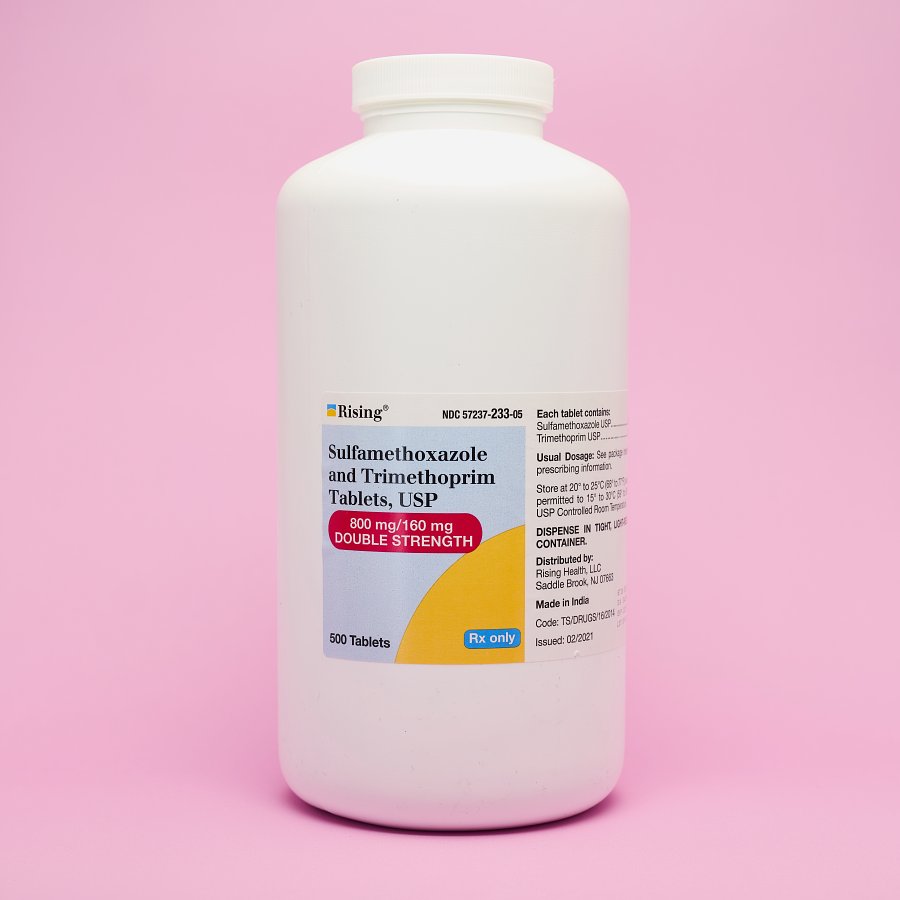
- Standard dosage: Regardless of infection type, doctors routinely prescribe sulfamethoxazole / trimethoprim DS as an oral tablet taken every 12 hours. The tablet typically contains 800 milligrams (mg) of sulfamethoxazole and 160 mg of trimethoprim.
- Urinary tract infections (UTIs): Standard guidelines for treating UTIs recommend a course of 3 to 14 days, depending on severity of symptoms and whether the infection is “complicated.”
- Skin infections: For MRSA and other skin infections, standard sulfamethoxazole / trimethoprim DS treatment consists of a 5- to 10-day course.
- Severe respiratory infections: Dosing may be higher and exclusively based on the patient’s body weight when using the drug to treat pneumocystis pneumonia.
- Administration: Per standard guidelines, the tablet should be swallowed whole with 8 ounces of water.
Note: Dosing information is educational only. Your prescribing physician will determine your specific dose based on your individual health needs. Always follow your healthcare provider’s instructions for exact dosing.
Uses
FDA-Approved Uses
Sulfamethoxazole / trimethoprim DS is FDA-approved to treat the following conditions in adults:
- Urinary tract infection
- Acute, bacteria-involved exacerbation of chronic bronchitis
- Shigellosis, or enteritis caused by the Shigella strain
- Pneumocystis Jirovecii pneumonia, a type of fungal pneumonia
- Traveler’s diarrhea brought on by enterotoxigenic E. coli
Off-Label Uses
Common off-label uses for sulfamethoxazole / trimethoprim DS currently found in clinical research and practice include:
- Methicillin-resistant staphylococcus aureus (MRSA) skin infections: Sulfamethoxazole / trimethoprim DS is often prescribed off-label to treat cellulitis and abscesses caused by MRSA.
- Acne vulgaris: The drug may work against inflammatory acne in cases where other medications have not been successful.
- Nocardiosis: Sulfamethoxazole / trimethoprim DS can help treat nocardiosis, a rare bacterial infection that affects the lungs and brain.
- Toxoplasmosis: For certain high-risk populations, sulfamethoxazole / trimethoprim DS can help prevent and treat toxoplasmosis.
Get Savings Updates for Sulfamethoxazole / Trimethoprim DS
Join our mailing list for exclusive deals and more.
Side Effects
Although most patients tolerate sulfamethoxazole / trimethoprim DS well, this medication – and other sulfa drugs – are associated with side effects ranging from mild gastrointestinal discomfort to severe skin reactions.
Common Side Effects
- Nausea and vomiting
- Loss of appetite
- Photosensitivity
- Mild skin rash
- Dizziness or fatigue
Serious Side Effects
Serious side effects are rare, but it’s important to know what to look for if they do occur. Serious side effects from taking sulfamethoxazole / trimethoprim DS can include:
- Clostridioides difficile (C. diff): This drug, like other antibiotics, disrupts the gut microbiome and can cause C. diff symptoms, which include foul-smelling diarrhea and abdominal cramping.
- Hyperkalemia: Trimethoprim does not directly affect potassium, but it can reduce the kidney’s ability to remove it from the body, leading to higher potassium levels. Older adults and people with kidney disease are especially susceptible to this side effect.
- Blood disorders: Taking sulfamethoxazole / trimethoprim DS has been associated with rare blood disorders, namely leukopenia (low white blood cell counts) and thrombocytopenia (low platelets)
- Severe allergic reaction: As with a wide range of other medications, sulfamethoxazole / trimethoprim DS can cause anaphylaxis in people who are allergic to one or more of the drug’s ingredients.
Call your doctor immediately if you experience any concerning or prolonged symptoms.
Pharmacist Tips
Stay Hydrated
It is recommended to take each sulfamethoxazole / trimethoprim DS tablet with 8 ounces of water to ensure proper hydration and protect the kidneys. Drinking plenty of fluids throughout the day also helps prevent formation of drug crystals in the kidneys.
Stay the Course
It is recommended to complete your entire sulfamethoxazole / trimethoprim DS course, even if symptoms clear up before the scheduled end date. Stopping the course early allows the strongest bacteria to survive and multiply.
Take Caution in the Sun
Sulfamethoxazole / trimethoprim DS can increase photosensitivity and make you more susceptible to sunburn. SPF 30+ sunblock and protective clothing can help safeguard your skin on clear days.
Monitor Your Bowel Movements
It is advised to contact your provider if you experience watery diarrhea more than three times a day while taking the drug. Standard guidelines recommend talking to your doctor before taking any over-the-counter diarrhea medications.
Food Optional
Per standard guidelines, you may take sulfamethoxazole / trimethoprim DS with or without food. However, a meal or light snack with your tablet can help prevent gastrointestinal issues.
Drug Interactions
Sulfamethoxazole / trimethoprim DS is associated with a handful of interactions, some of which can lead to serious complications. Careful management and monitoring is strongly advised. Known interactions with sulfamethoxazole / trimethoprim DS include:
- Warfarin: The antibiotic agents in sulfamethoxazole / trimethoprim DS can significantly increase the effects of warfarin, a commonly prescribed blood thinner sold under the brand name Coumadin. This is considered a major interaction, and providers carefully monitor patients who must take both medications.
- Angiotensin-converting enzyme (ACE) inhibitors and angiotestin II receptor blockers (ARBs): Since ACE inhibitors and ARBs can increase potassium levels on their own, taking them with sulfamethoxazole / trimethoprim DS increases the risk of dangerous heart rhythms brought on by high potassium.
- Diabetes medications: Sulfamethoxazole / trimethoprim DS may enhance the effects of diabetes medications like glipizide or glyburide, leading to hypoglycemia (low blood sugar).
- Dofetilide: Taking this medicine with dofetilide, a heart rhythm medication, is generally contraindicated due to the elevated risk of life-threatening arrhythmias.
- Methotrexate: Sulfamethoxazole / trimethoprim DS can increase the toxicity of methotrexate and harm bone marrow.
Always give your doctor and pharmacist a complete list of all your medications, vitamins, and supplements to check for potential interactions.
FAQs
Why must I drink a glass of water with every dose of this medication?
An 8-ounce glass of water is advised when taking sulfamethoxazole / trimethoprim DS because it helps ensure proper hydration and prevent kidney damage.
What is the difference between “Regular Strength” and “DS”?
DS stands for “double strength.” A “regular strength” dose of this drug contains 400 milligrams (mg) of sulfamethoxazole and 80 mg of trimethoprim. With DS doses, these amounts are doubled to 800 mg and 160 mg, respectively. Most adults are prescribed the double-strength dose to ensure therapeutic efficacy.
Can I stop taking sulfamethoxazole/trimethoprim DS once my UTI symptoms go away?
No, it is not advised to stop taking sulfamethoxazole / trimethoprim DS once your infection symptoms go away. Standard guidelines recommend completing the drug course as scheduled to kill the most resilient bacteria.
Does sulfamethoxazole/trimethoprim DS interact with blood thinners?
Yes, sulfamethoxazole / trimethoprim DS interacts with blood thinners – warfarin in particular. The antibiotic can inhibit the blood thinner’s metabolism, causing blood to become too thin and increasing the patient’s risk of complications like bruising or internal bleeding.
Can I drink alcohol while taking sulfamethoxazole/trimethoprim DS?
It is considered best practice to avoid alcohol while taking sulfamethoxazole / trimethoprim DS. Alcohol can exacerbate side effects like nausea and headache, and some people who take the drug report more serious side effects from drinking, such as flushing, rapid heartbeat, and severe vomiting.
Can sulfamethoxazole/trimethoprim DS cause high potassium levels?
Yes, sulfamethoxazole / trimethoprim DS can inhibit the kidneys’ abilities to excrete potassium and cause high potassium levels. This is most common in people with kidney disease, or those who take other medications that elevate their potassium levels.
Does sulfamethoxazole/trimethoprim DS affect birth control pills?
Modern research suggests antibiotics do not significantly decrease the effectiveness of most oral contraceptives. However, this relationship is the subject of ongoing research and your provider may still recommend a backup barrier contraceptive method to use while you are taking sulfamethoxazole / trimethoprim DS.
Can I take Tylenol or Advil with sulfamethoxazole/trimethoprim DS?
Yes, it is generally accepted that patients can take acetaminophen (Tylenol) or ibuprofen (Advil) with sulfamethoxazole / trimethoprim DS. However, people with underlying kidney issues should take caution when mixing these medications, as both are processed in the kidneys.
What should I avoid while taking sulfamethoxazole/trimethoprim DS?
Things to avoid while taking sulfamethoxazole / trimethoprim DS include excessive sun exposure and tanning beds, potassium supplements, and large doses of vitamin C – this can acidify the urine and promote the buildup of crystals.
Can I take this medication if I am allergic to sulfur or sulfites?
If you have a “sulfa allergy,” then it is not advised to take this medication, but a “sulfa allergy” is not the same as a “sulfur allergy” or “sulfite allergy.” Sulfa allergies refer to sulfonamide antibiotics, while sulfur is an element found in some skin products and sulfites are found in wine and dried fruit.
What is sulfamethoxazole/trimethoprim DS used to treat?
Sulfamethoxazole / trimethoprim DS is used to treat a wide range of bacterial infections, including urinary tract infections, MRSA skin infections, and traveler’s diarrhea. It cannot treat viral infections.
Comparable Medications
Sulfamethoxazole / Trimethoprim DS, Sulfadiazine, Nitrofurantoin, Ciprofloxacin, Cephalexin, or Doxycycline?
Sulfamethoxazole / trimethoprim DS is a combination antibiotic used to treat a wide range of bacterial infections. Depending on the nature and origin of the infection, as well as the patient’s age and medical history, a provider may prescribe an alternative to sulfamethoxazole / trimethoprim DS instead. These alternatives include:
Sulfadiazine
Sulfadiazine is a sulfonamide antibiotic with shorter-acting effects that is normally reserved for specific conditions like toxoplasmosis or rheumatic fever prevention. Sulfamethoxazole / trimethoprim DS is generally preferred for skin infections because trimethoprim kills bacteria, rather than simply preventing bacterial growth.
Nitrofurantoin
From $34.99
Sold under the brand name Macrobid, nitrofurantoin is an antibiotic often prescribed to treat urinary tract infections (UTIs). It is concentrated in the bladder, and does not have the same systemic effect as sulfamethoxazole / trimethoprim DS. This makes the former best suited to bladder infections, while the latter can treat a wider range of bacterial infections.
Ciprofloxacin
From $29.99
Cipro for short, this drug is a fluoroquinolone antibiotic. It carries a "Black Box" warning for tendon rupture and kidney damage. Sulfamethoxazole / trimethoprim DS is often prescribed as a safer first-line alternative for infections, provided the bacteria is not resistant to sulfa antibiotics.
Cephalexin Capsules
From $32.99
Cephalexin is a beta-lactam antibiotic that is primarily used to treat some skin infections, but generally ineffective against MRSA. Providers are more likely to prescribe sulfamethoxazole / trimethoprim DS if MRSA is suspected.
Doxycycline
This tetracycline is used to treat skin and respiratory infections, and is often preferred for tick-borne illnesses like Lyme disease. Sulfamethoxazole / trimethoprim DS is usually preferred for urinary infections and PJP pneumonia.
We Have Sulfamethoxazole / Trimethoprim DS in Stock. Get Yours Today!
Important: Information on this page is for educational purposes only. Prescribing decisions are made by independent, licensed providers. TelyRx operates technology-enabled pharmacies and a telehealth platform that connects patients with board-certified licensed providers. Prescriptions, when provider-approved and issued, are filled and shipped by TelyRx-affiliated pharmacies. We do not employ physicians or make prescribing decisions. Learn more about our editorial standards here.