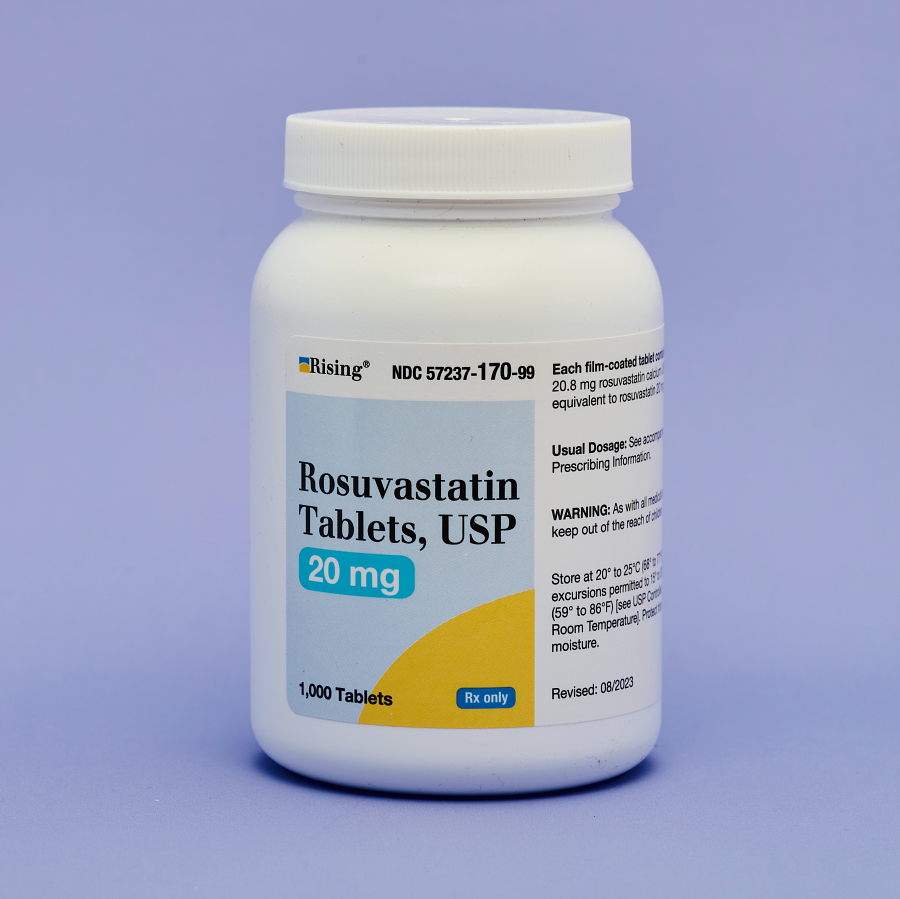
How It Works
Rosuvastatin works by targeting the liver to reduce production of low-density lipoprotein (LDL), a substance many doctors refer to as “bad cholesterol.” Your body needs cholesterol to build cells and produce hormones, but high LDL levels can cause plaque to form on the arteries over time. Specifically, rosuvastatin inhibits the enzyme 3-hydroxy-3-methylglutaryl-coenzyme A (HMG-CoA) that helps facilitate LDL production in the liver.
When the liver senses a shortage of LDL, it increases the number of LDL receptors in liver cells. These new receptors draw existing LDL out of the blood and into the liver, where the cells are broken down and excreted. Rosuvastatin can also reduce triglycerides and modestly elevate levels of high-density lipoprotein (HDL), or “good cholesterol.”
| Quick Facts | |
|---|---|
| Common Brands | Crestor, Ellazor Sprinkle |
| Drug Class | HMG-CoA Reductase Inhibitor (Statin) |
| Generic Status | Generic for Crestor, Ellazor Sprinkle |
| Availability | Prescription only |
Dosing
Standard guidelines suggest individualizing rosuvastatin doses for each patient based on their age, cholesterol level, cardiovascular history, and response to treatment.
- Initial dose: Providers often start adults at a dose of 10 to 20 milligrams (mg) per day.
- High-intensity dose: For patients who need to reduce their LDL levels by 50% or lower, a daily dose of 40 mg may be prescribed. This is considered the maximum dose, and usually reserved for people who do not reach their goals with a dose of 20 mg per day.
- Special populations: For certain patients, including people with severe renal impairments and those of Asian ancestry, doctors may prescribe a lower daily dose of 5 mg to minimize the risk of muscle-related side effects.
Note: Dosing information is educational only. Your prescribing physician will determine your specific dose based on your individual health needs. Always follow your healthcare provider’s instructions for exact dosing.
Uses
FDA-Approved Uses
Rosuvastatin is FDA-approved to reduce total cholesterol, low-density lipoprotein cholesterol (LDL-C), and triglycerides in adults with hyperlipidemia. The drug is also FDA-approved as primary prevention to reduce risk of stroke, heart attack, and arterial revascularization procedures for people with risk factors for – but no clinical evidence of – coronary heart disease, and as secondary prevention to slow the progression of atherosclerosis.
Off-Label Uses
You may see Rosuvastatin prescribed for uses that are not “FDA-approved.” This is a very common and legal practice called “off-label” prescribing, where a doctor uses their clinical judgment to prescribe a drug for a different (but well-researched) purpose.
Common off-label uses for rosuvastatin commonly found in clinical practice and research include:
- Non-alcoholic fatty liver disease (NAFLD): Some research suggests rosuvastatin and other statins can reduce inflammation and fat accumulation for people with NAFLD.
- Contrast-induced nephropathy prevention: In some clinical settings, statins in high doses can protect the kidneys during medical imaging procedures.
- Acute coronary syndrome: Rosuvastatin may be used in the early stages of a heart attack to stabilize arterial plaque levels, even in people for whom high cholesterol is not the primary immediate concern.
Get Savings Updates for Rosuvastatin
Join our mailing list for exclusive deals and more.
Side Effects
Many patients tolerate rosuvastatin well, but the drug has a systemic effect on the body and side effects can occur.
Common Side Effects
- Mild muscle aches and soreness
- Headache
- Nausea, constipation, and abdominal pain
- Dizziness or fatigue
- Joint stiffness or pain
Serious Side Effects
Serious side effects are rare, but it’s important to know what to look for if they do occur. Serious side effects of taking rosuvastatin can include:
- Rhabdomyolysis: Rosuvastatin has been linked to this rare but life-threatening condition, in which muscle tissue breaks down and enters the bloodstream. This can eventually lead to kidney failure. Signs and symptoms include severe weakness, muscle pain, and dark-colored urine.
- Liver injury: Liver injury can occur from taking rosuvastatin, so providers recommend watching for warning signs such as jaundice (yellowing) of the skin and eyes, dark urine, and persistent abdominal pain on the upper right side.
- Hyperglycemia: Rosuvastatin and other statins can increase blood sugar levels. The cardiovascular benefits of taking these medications often outweigh the risks, but patients with pre-diabetes or diabetes should closely monitor their glucose levels.
- Proteinuria: High doses of rosuvastatin can lead to proteinuria, a condition characterized by protein appearing in the urine. Routine lab work can help your provider monitor this potential side effect.
- Severe allergic reaction: As with many types of medication, rosuvastatin may cause anaphylaxis in people who are allergic to one or more of the drug’s ingredients.
Call your doctor immediately if you experience any concerning or prolonged symptoms.
Pharmacist Tips
Consistency Is Key
The timetable for taking rosuvastatin is more flexible compared to older statins, so patients may opt for a morning, afternoon, or evening dose. However, taking the tablet at the same time every day helps ensure a consistent level of medication in your system.
Hold the Antacids
If you regularly take antacids to assist with heartburn, standard guidelines recommend waiting at least 2 hours after taking rosuvastatin. Taking them together can decrease how much of the statin is absorbed in your body.
Cut Back on the Grapefruit
Grapefruit and grapefruit juice don’t affect the blood levels of rosuvastatin as much as other statins. That said, standard guidelines suggest limiting how much grapefruit you consume to ensure healthy levels of rosuvastatin in your bloodstream.
Drink Responsibly
Excessive drinking while taking rosuvastatin can increase your body’s burden on the liver and possibly lead to liver damage. It is advised to limit alcohol consumption and properly hydrate as needed.
Complete the Course
Standard guidelines suggest sticking with your daily rosuvastatin dose, even if you don’t notice significant changes to your low-density lipoprotein and overall cholesterol levels. If you experience muscle pain, talk to your provider about instituting a “statin holiday” or a lower dose.
Drug Interactions
Rosuvastatin is known to interact with several different types of medication. These interactions can increase side effects, reduce the statin’s effectiveness, or both. Known interactions with rosuvastatin include:
- Cyclosporine: This immunosuppressant drug can significantly increase rosuvastatin levels, so a lower statin dose is typically prescribed for people who need to take both medications.
- Warfarin: Rosuvastatin can increase the effects of warfarin, a blood thinner sold under the brand name Coumadin. Providers typically monitor the patient’s blood before starting them on a statin or changing their statin dose.
- HIV/Hepatitis C protease inhibitors: When taken with rosuvastatin, antiviral medications meant to inhibit HIV or hepatitis C can increase the risk of muscle damage.
- Gemfilbrozil and fibrates: Combining these cholesterol medications with rosuvastatin can significantly increase the risk of rhabdomyolysis, a rare but life-threatening condition that causes muscle tissue to enter the blood stream.
- Red yeast rice: The red yeast rice supplement contains monacolin K, a natural statin. Taking this supplement together with rosuvastatin can make patients more likely to experience unpleasant side effects.
- Colchicine: This medication used to treat gout can increase the risk of muscle problems when taken with rosuvastatin.
Always give your doctor and pharmacist a complete list of all your medications, vitamins, and supplements to check for potential interactions.
FAQs
Is rosuvastatin stronger than atorvastatin (Lipitor)?
In terms of milligram-to-milligram potency, rosuvastatin is stronger than atorvastatin (Lipitor). However, both statins can be considered “high-intensity” statins depending on the dose the patient is prescribed.
Can I take rosuvastatin in the morning, or does it have to be at night?
You can take rosuvastatin in the morning because the drug has a long half-life and blocks cholesterol production for about 24 hours. For this reason, it is advised to take your rosuvastatin dose at the same time every day – whether you choose morning, night, or a time in between.
Why should I avoid taking antacids at the same time as rosuvastatin?
Antacids that contain magnesium or aluminum can interfere with how your body absorbs rosuvastatin and make the drug less effective. The general recommendation is to wait at least 2 hours after your statin dose to take an antacid.
Why do people of Asian ancestry need to start on a lower dose of rosuvastatin?
Studies suggest people of Asian descent – including Chinese, Japanese, Korean, Vietnamese, and Filipino – absorb and retain higher levels of rosuvastatin in their bloodstream. Providers typically recommend a lower daily dose of 5 milligrams for these patients.
Can rosuvastatin reverse plaque buildup in the arteries?
Clinical trials show high-intensity statin therapy involving drugs like rosuvastatin can promote plaque regression. The plaque does not completely disappear, but the medication may be able to help shrink the plaque’s fatty core to make them more stable and reduce the risk of them rupturing and causing a heart attack.
Can I drink alcohol while taking rosuvastatin?
Standard guidelines suggest occasional, moderate drinking is “acceptable” while taking rosuvastatin and other statins. Heavy or chronic alcohol use increases the risk of liver inflammation and damage and can elevate triglyceride levels, essentially working against the medication.
How long does it take for rosuvastatin to lower cholesterol?
Most people see some reduction in blood fats within 2 to 4 weeks of starting rosuvastatin. However, providers generally wait 4 to 6 weeks before testing a patient’s blood to see how the medication has taken effect.
Do I need to take CoQ10 supplements with rosuvastatin?
Rosuvastatin and other statins can reduce your levels of coenzyme Q10 (CoQ10), a vitamin-like antioxidant that helps produce energy and relieve oxidative stress. Some patients take CoQ10 supplements to reduce muscle aches, but you should speak to your provider before adding any new medications or supplements to your regular routine.
Can I stop taking rosuvastatin once my cholesterol is normal?
No, it is not recommended to stop taking rosuvastatin once your cholesterol is normal unless your doctor explicitly instructs you to do so. The statin is likely the reason why your cholesterol levels have stabilized, so stopping the drug can lead to a rebound effect. For most people, rosuvastatin is a long-term medication.
Comparable Medications
Rosuvastatin, Atorvastatin, Pravastatin, Ezetimibe, or Ezailor?
Rosuvastatin is a statin medication used to decrease levels of low-density lipoprotein (LDL) and reduce the patient’s risk of a cardiovascular event like heart attack or stroke. It is not the only statin designed with this purpose in mind, so your doctor may recommend an alternative to rosuvastatin based on factors like your age and medical history. Rosuvastatin alternatives include:
Atorvastatin
From $24.99
Sold under the brand name Lipitor, atorvastatin is a commonly prescribed statin. It is lipophilic (fat-soluble), whereas rosuvastatin is hydrophilic (water-soluble). Some providers believe hydrophilic statins produce fewer and milder side effects than lipophilic statins.
Pravastatin
From $24.99
Available under the brand name Pravachol, pravastatin is a "low-intensity" statin typically reserved for patients who are sensitive to the side effects of rosuvastatin and other "high-intensity" statins. However, pravastatin is less effective at lowering high LDL levels.
Ezetimibe
From $24.99
Ezetimibe – sold under the brand name Zetia – works by blocking absorption of cholesterol in the intestines. This differs from rosuvastatin and other statins that target the liver. Ezetimibe and rosuvastatin may be prescribed together for patients who don't reach their goals with a single statin alone.
Ezailor
This brand-name drug combines ezetimibe and rosuvastatin. This "dual inhibition" helps reduce LDL levels by working in both the liver and intestines. Studies have shown Ezailor and similar hybrid cholesterol medications are particularly effective for people who are genetically predisposed to high cholesterol due to their family history.
We Have Rosuvastatin in Stock. Get Yours Today!
Important: Information on this page is for educational purposes only. Prescribing decisions are made by independent, licensed providers. TelyRx operates technology-enabled pharmacies and a telehealth platform that connects patients with board-certified licensed providers. Prescriptions, when provider-approved and issued, are filled and shipped by TelyRx-affiliated pharmacies. We do not employ physicians or make prescribing decisions. Learn more about our editorial standards here.