



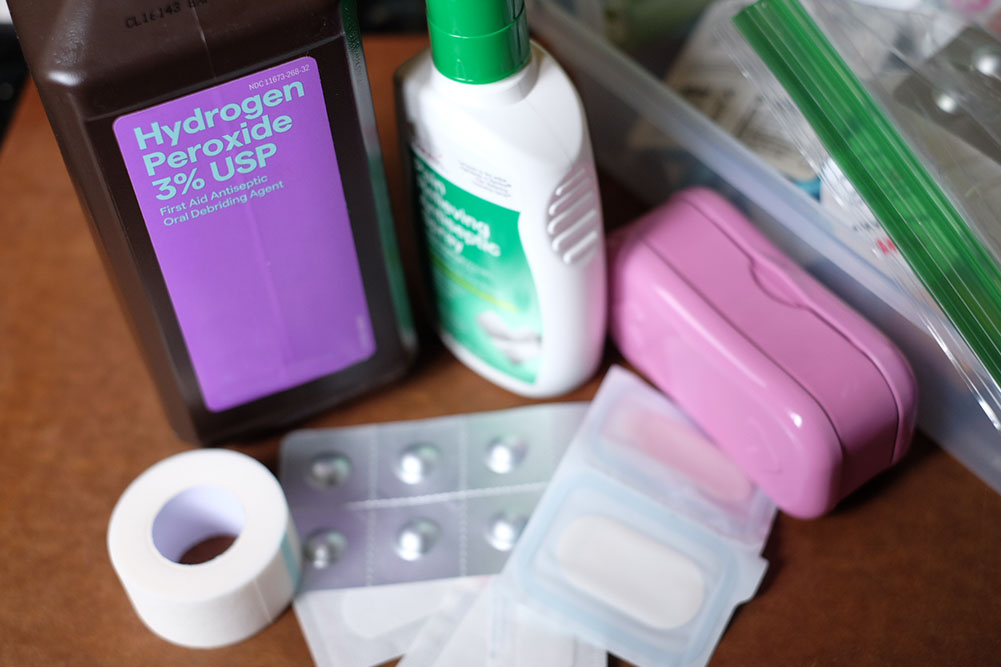
When you experience symptoms of an ear infection, you might resort to common at-home remedies to relieve pain, such as over-the-counter medications, a warm compress, or even hydrogen peroxide. Many people wonder whether hydrogen peroxide can treat an ear infection or whether it’s safe to put in the ear when pain starts. The answer is that while it may help remove uncomfortable wax buildup, it doesn’t treat the infection itself.
Because ear infections can be painful and disruptive, it’s essential to know which home remedies are actually helpful, according to our pharmacist — and which may do more harm than good.

About Our Pharmacist
Ashley Robinson, PharmD, is the Pharmacy Manager at TelyRx’s Clearwater location, where she oversees daily operations, ensures regulatory compliance, and focuses on patient safety and care.
Robinson earned her Doctor of Pharmacy from LECOM Bradenton. Before joining TelyRx, Ashley spent three years in community pharmacy, where she built strong patient relationships through personalized medication management.
The Bottom Line
Hydrogen peroxide can help with wax but cannot cure an ear infection.
Hydrogen peroxide is an over-the-counter antiseptic solution known for its disinfecting and cleansing properties. It has historically been applied on wounds and surfaces to help kill bacteria. Because of these known antimicrobial properties, using hydrogen peroxide for an ear infection is a commonly touted home remedy, but it is not a recommended or effective treatment for ear infections. In fact, evidence shows it can do more damage instead of good, especially if used in compromised ears.
“Home remedies can feel low-risk, but the ear is a small, sensitive space close to the eardrum and inner ear,” says Ashley Robinson, PharmD, the pharmacy manager of TelyRx’s Clearwater pharmacy. “Improvised treatments can cause real harm if the diagnosis is wrong.”
Hydrogen peroxide in a normal ear only reaches the outer ear canal, whereas most ear infections occur behind the eardrum in the middle ear, where peroxide cannot reach. Trying to use it as a treatment won’t clear the infection. But even if the peroxide does reach the middle ear, this is bad news.
“If a patient has a perforated eardrum, hydrogen peroxide can enter the middle ear and cause pain and damage to delicate structures,” says Robinson. What’s more, you often can’t tell if the eardrum is ruptured without an exam.
“It may be cautiously used for outer ear wax softening,” Robinson notes, “but it’s not appropriate for middle ear or fungal infections, which need targeted antibiotic or antifungal treatment.”
It is always important to get an exam by a medical provider if experiencing any ear pain or signs of an ear infection before putting anything into the ear canal.
Ear Infection Types

An ear infection occurs when bacteria, viruses, fungi, or fluid get trapped in the inner, middle, or outer parts of the ear. The type of ear infection depends on which part of the ear becomes infected. There are three main types of ear infection:
- Inner ear infection (Otitis interna): This is an infection of the inner ear structures behind the ear drum, which control your balance. This type of infection is less common but can cause symptoms like dizziness, nausea, and vomiting.
- Middle ear infection (acute otitis media): This is a most common type of ear infection and happens when infected fluid gets trapped behind the eardrum. It can be caused by viruses or bacteria. There is also another type called otitis media with effusion, or “glue ear”, which is when fluid builds up behind the ear drum without causing an infection.
- Outer ear infection (otitis externa): This is when the external ear canal gets infected. This is often caused by excess moisture that builds up in the ear, which is why it is commonly known as “swimmer’s ear,” though anyone can get this infection. Swimmer’s ear is also common, affecting nearly 1 in 10 people in their lifetime.
How To Use Hydrogen Peroxide In The Ear – Safely
Hydrogen peroxide is an effective and safe way to help manage ear wax when used correctly. Ear pain and discomfort can be caused by a buildup of ear wax (cerumen). Sometimes, this build-up can cause excess moisture that leads to ear infections. Hydrogen peroxide can soften earwax by creating a bubbling reaction, helping break up minor blockages. The foam that follows can lift dirt and wax particles so they drain out of the ear more easily and help relieve discomfort.
Here’s a step-by-step guide to safely using hydrogen peroxide in your ears:
- Check the concentration: Make sure you use the standard 3% over-the-counter hydrogen peroxide. Avoid higher concentrations, as they can irritate or blister the skin in your ear canal.
- Tilt your head: Lie on your side or tilt it so that the affected ear faces directly upward.
- Apply the drops: Use a clean dropper to gently squeeze 5 to 10 drops of the solution into your ear canal.
- Allow it to fizz: Expect to hear a bubbling or crackling sound. This is normal, as the oxygen is reacting to and breaking down the earwax. Leave the solution in the ear for about 5 minutes.
- Drain: Tilt your head in the opposite direction to allow the solution and dissolved earwax to drain onto a towel or tissue.
- Rinse: This step is optional, but you can gently rinse your ear with warm water using a bulb syringe to remove any remaining debris. Avoid cold water, which can shock your ears and lead to headaches and pain.
- Dry: Make sure to dry your outer ears thoroughly with clean cloths, gauze, or towels to avoid any excess moisture in the ear canal. Leaving excess liquid in the ear can lead to infection.
If you experience burning, worsening pain, dizziness, or persistent irritation, stop using hydrogen peroxide and contact your doctor.
When It’s Not Safe
If you have certain ear conditions, using hydrogen peroxide may be unsafe. These include:
- Perforated eardrum (hole in eardrum): While hydrogen peroxide is safe for the outer ear, it can be toxic if it comes into contact with the inner ear. If your ear drum is not intact, the bubbling solution can pass into the middle and inner ear and cause severe damage or hearing loss.
- Ear tubes (grommets): Ear tubes are sometimes placed into the ear to help drain excess fluid and prevent frequent infections. Because it creates a vent to the inner ear, hydrogen peroxide can seep directly through the tube into the middle ear, causing severe pain, irritation, and potential damage to delicate tissues.
- Current ear pain or drainage: These symptoms can signal a serious ear infection or a perforated eardrum, in which using hydrogen peroxide may irritate sensitive structures in the middle ear and make these conditions worse. Using hydrogen peroxide without a proper exam or diagnosis can increase the risk of severe pain, toxicity, or hearing problems.
- Past ear surgery: There may be inner structures in the ear that might be exposed or weak, and the solution could cause further damage.
Can Hydrogen Peroxide Help An Ear Infection At All?
It’s understandable to seek fast relief when your ear hurts. Hydrogen peroxide may provide temporary relief by removing earwax and debris, but it won’t eliminate the bacteria, virus, or fungus causing an infection. Here’s what actually works for earwax buildup and ear infections:
| Will Hydrogen Peroxide Help? | Common Treatments | |
|---|---|---|
| Mild to moderate earwax buildup | Likely |
|
| Severe earwax buildup | Maybe |
|
| Outer ear infection (Otitis Externa) | Unlikely |
|
| Middle ear infection (Otitis Media) | No |
|
| Inner ear infection (Otitis interna) | No |
|
| Fungal ear infection | Unlikely |
|
Seeking relief for an ear infection is completely understandable, but don’t reach for the hydrogen peroxide in your medicine cabinet. While it can help with earwax buildup, it does very little for an ear infection — and may even worsen the damage in some cases.
The Danger of Overuse
There is such a thing as using too much hydrogen peroxide or using it when it is not needed. Whether used in an attempt to alleviate ear infection symptoms or to treat excessive ear wax, there are risks in using it improperly:
- High concentration: Using a strength more than 3% could cause chemical burns and blister your skin, causing severe tissue damage.
- Too much liquid: Applying more than 10 drops at one time could increase the risk of skin and ear injury.
- Long-term use: Using it for too many consecutive days or over a long period of time can dry out and irritate the ear canal.
- Ear damage: There is a risk of complications if it comes into contact with your inner ear, such as dizziness, ear ringing, delayed healing, and hearing loss.
“Relying on hydrogen peroxide risks delaying proper treatment and worsening the infection,” says Robinson. “It may loosen debris, but it doesn’t reliably eliminate the underlying bacteria or fungus.”
What Actually Cures Ear Infections
If you’re seeking treatment for an ear infection, using targeted over-the-counter and prescription medication can be much more effective than hydrogen peroxide. The treatment selected depends on where in the ear the infection is located, as well as your medical history and the condition of your ear drum. This is why it is important to always get a thorough exam before getting treatment.
- Outer ear infection: Treated with prescription ear drops containing antibiotics or antifungals, sometimes combined with a steroid to help with inflammation. An ear wick or professional cleaning by a medical professional may be performed to remove any earwax or debris, allowing the medication to work more effectively.
- Middle ear infection: There are two types of middle ear infections, each with different treatment approaches.
- Acute otitis media: Oral antibiotics are prescribed to help treat the infection if it is being caused by a bacteria. Viral ear infections are managed through symptom management instead of antibiotics. If infections are frequent or reoccurant, sometimes ear tubes may be required.
- Otitis media with effusion: This is when extra clear fluid builds up behind the ear drum without causing an infection. This can lead to pain, fullness, and dizziness, but does not require antibiotics. It generally resolves on its own. Over-the-counter pain relievers and decongestants can help manage symptoms.
- Inner ear infection: This is an infection that extends behind the ear drum, which can affect your balance. If the infection is found to be caused by a viral or bacterial infection, antibacterial or antiviral drugs may be prescribed. Medications such as antihistamines, anti-emetic drugs, and oral steroids may also be prescribed to help manage unpleasant symptoms like vertigo, nausea and vomiting, and pain.
- Fungal ear infection: These infections can be caused by prolonged wet, moist environments in the ear. It is caused by fungi instead of bacteria. Treatment sometimes requires professional ear cleaning to remove debris, and patients are prescribed anti-fungal ear drops. This is combined with keeping the ear completely dry so the infection can clear.
You can further alleviate discomfort at home. “A warm compress against the outer ear may help ease pain, and over-the-counter pain relievers like acetaminophen or ibuprofen can be used for symptom relief in appropriate patients,” says Robinson. But while these can support comfort, remember that they aren’t a substitute for treatment.
When To Seek In-Person Care
Ear pain and infection can be caused by many things. Sometimes symptoms can clear on their own with at-home care, but it is important to monitor your symptoms and recognize when further care is needed. Do not risk your health. Seek immediate medical care if:
- Your symptoms don’t resolve within three days
- You have swelling or redness around the ear
- You have a fever of 102.2°F (39°C) or higher
- You’re experiencing severe pain
- You have blood, pus, or other fluid draining from the ear
- You’re experiencing hearing loss, severe dizziness, or vomiting
Finding Online Ear Infection Treatment

You do not necessarily need to leave home to treat an ear infection. Digital pharmacy platforms operate much like your local pharmacy, but instead of having to go in to pick up your prescription, it’s delivered to your doorstep.
With TelyRx, you don’t even need to have an active prescription. If you know which treatment you need, submit a prescription request. We’ll work behind the scenes to have an independent healthcare provider licensed in your state review your information for treatment safety. If approved, the provider writes you a new prescription and one of our licensed U.S. pharmacies fills it and ships it to your home.
TelyRx has more than 500 FDA-approved medications to treat more than 60 conditions, including ear infections — all without needing to wait in a waiting room or pharmacy line. But before you shop for a prescription online, be aware of pharmacy scams. Use this checklist to verify an online pharmacy’s legitimacy:
- Check their official verification using the National Boards of Pharmacy’s (NABP) Safe Pharmacy tool.
- Verify the LegitScript certification with their Website Certification Status lookup tool, which is required for highly regulated industries, including telehealth companies.
- Confirm their state licensure with the U.S. Food and Drug Administration’s (FDA) BeSafeRx locator.
TelyRx holds LegitScript certification and has fully licensed pharmacies located in Clearwater, Florida and Dallas, Texas. Each prescription is filled by a knowledgeable licensed pharmacist, and the entire process is held to strict HIPAA-level privacy protections to keep you and your information safe.
Your Next Steps
While hydrogen peroxide should not be used as a substitute for treating an ear infection, it can be beneficial to ear health through its cleansing properties to remove excess ear wax and debris, which can help prevent infection. It is important to recognize symptoms that may signal infection and seek care if they occur.
If your symptoms include significant pain, drainage, hearing loss, or fever, getting the correct diagnosis is the safest way to get the appropriate treatment and prevent complications. Whether you get your medication through a traditional pharmacy or through a digital pharmacy platform, ensure you use your medication correctly to treat your ear infection.