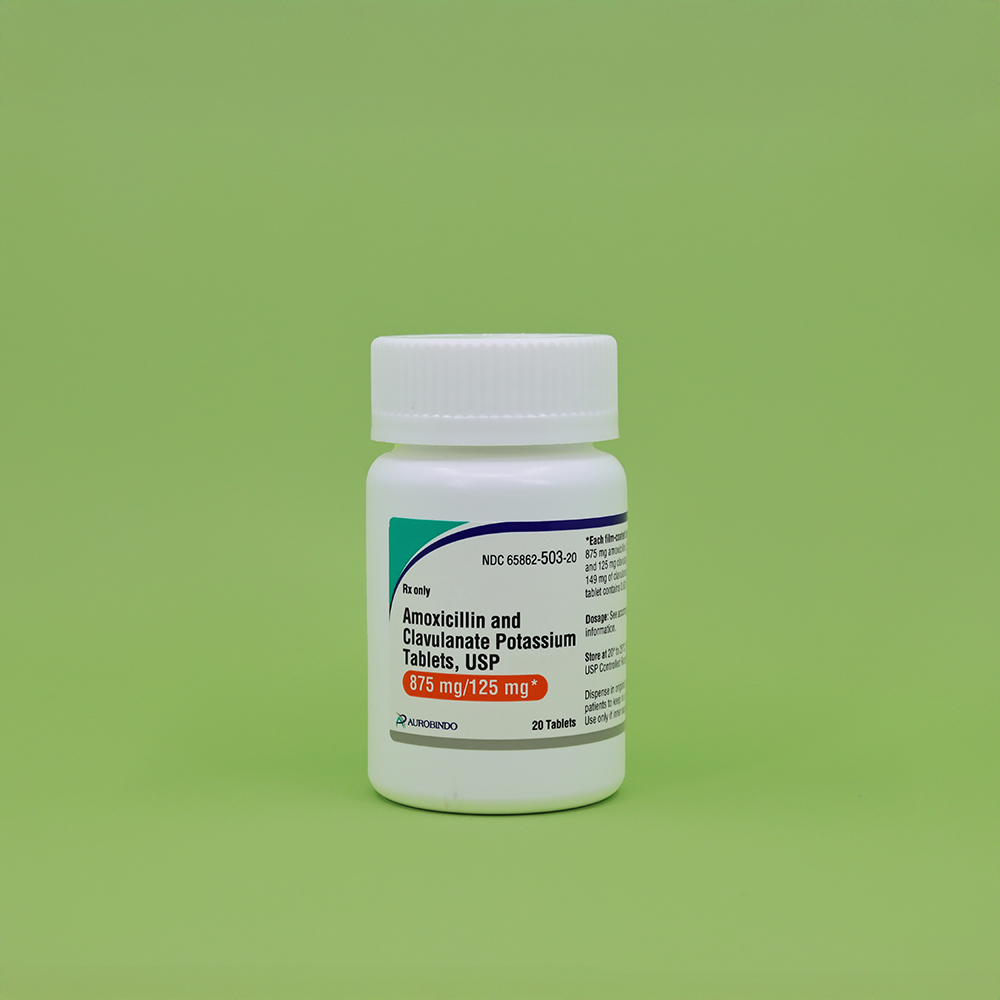
How It Works
Amoxicillin-clavulanate is a combination antibiotic with two active ingredients: amoxicillin and clavulanate potassium (also known as clavulanic acid). These work together by preventing the bacteria from growing and from forming a resistance to the antibiotic.
Amoxicillin functions as a penicillin-type antibiotic. It prevents the bacteria from forming a protective cell wall that allows it to grow and spread. Clavulanate acts as a beta-lactamase inhibitor. It works by blocking the beta-lactamase enzymes that bacteria use to shield themselves against antibiotics like amoxicillin.
The combination of the two active ingredients allows the amoxicillin to remain active against bacteria that would otherwise be resistant to amoxicillin alone.
| Quick Facts | |
|---|---|
| Common Brands | Augmentin, Augmentin ES, Augmentin XR |
| Drug Class | Penicillin antibiotic/Beta-lactamase inhibitor |
| Generic Status | Generic version of Augmentin |
| Availability | Prescription Only |
Dosing
Note: Dosing information below is educational only. Your prescribing physician will determine your specific dose based on your individual health needs. Dosage for amoxicillin-clavulanate varies depending on the severity of their infection and is based on the dosage of amoxicillin.
Tablets
- 500 mg amoxicillin/125 mg clavulanate
- 875 mg amoxicillin/125 mg clavulanate
Oral suspension
200 mg amoxicillin/28.5 mg clavulanate per 5 ml
400 mg amoxicillin/57 mg clavulanate per 5 ml
Chewable tablets- 200 mg amoxicillin/28.5 mg clavulanate
- 400 mg amoxicillin/57 mg clavulanate
Uses
FDA-Approved Uses
Amoxicillin-Clavulanate is FDA-approved to treat bacterial infections such as:
- Lower respiratory tract infections
- Ear infections
- Sinus infections
- Skin infections
- Urinary tract infections (UTIs)
Off-Label Uses
You may see amoxicillin-clavulanate prescribed for uses that are not “FDA-approved.” This is a very common and legal practice called “off-label” prescribing, where a doctor uses their clinical judgment to prescribe a drug for a different (but well-researched) purpose.
Amoxicillin-Clavulanate may be prescribed “off-label” for strep throat and other bacterial infections.
Like all medications, amoxicillin-clavulanate can cause side effects. Common side effects may improve as your body adjusts to the medication, but others may be serious and require medical attention.
Get Savings Updates for Amoxicillin
Join our mailing list for exclusive deals and more.
Side Effects
Common Side Effects
- Diarrhea
- Nausea
- Skin rash or hives
- Vomiting
- Vaginal yeast infections
Serious Side Effects
Serious side effects are rare, but it’s important to know what to look for if they do occur. Stop using amoxicillin-clavulanate and call your doctor immediately if you experience:
- Severe Allergic Reactions – Swelling of the face, lips, tongue, or throat; difficulty breathing or swallowing; severe rash or itching; fever.
- Severe Skin Reactions – Rare conditions such as Stevens-Johnson Syndrome (SJS) or Toxic Epidermal Necrolysis (TEN), or acute generalized exanthematous pustulosis (AGEP) can manifest as painful red or purple skin that peels, blisters, or develops pustules (fluid-filled bumps). This side effect can be more common in people with a current mononucleosis infection (“mono” or the “kissing disease”). Amoxicillin-clavulanate should not be used by people who currently have mononucleosis.
- Liver Damage (Hepatic Dysfunction) – Signs may include yellowing of the skin or eyes (jaundice), dark urine, light-colored stool, stomach pain, fatigue, fever, and severe nausea.
- Antibiotic-Associated Diarrhea (C. diff) – An overgrowth of Clostridioides difficile (C. diff) bacteria can cause severe, watery, or bloody diarrhea, fever, and severe stomach cramps. These symptoms can occur up to two months after stopping the medication.
- Drug-Induced Enterocolitis Syndrome (DIES) – This rare reaction in the GI tract causes symptoms such as severe vomiting, severe diarrhea, extreme tiredness, pale skin, low blood pressure, dizziness, and confusion. If DIES occurs, it usually happens within a day of taking amoxicillin-clavulanate.
Call your doctor immediately if you experience any concerning or prolonged symptoms.
Pharmacist Tips
Take with Food
To reduce the likelihood of stomach upset, it is recommended to take your dose with a meal or snack. For the extended-release tablets, a low-fat meal is recommended to improve absorption.
Stay Hydrated
If you experience diarrhea, it is helpful to drink plenty of fluids to stay hydrated.
Avoid Alcohol
While alcohol is not known to interact with amoxicillin-clavulanate, avoiding alcohol is recommended because it can worsen side effects like nausea and diarrhea.
Do Not Crush Extended-Release Tablets
The immediate-release and extended-release tablets have a special coating and should generally not be crushed. The chewable tablets may be crushed or chewed.
Measure and Store Oral Liquid Properly
If you are prescribed the liquid form of amoxicillin-clavulanate, it must be stored in the refrigerator. Shake the bottle well before every dose to ensure the medication is mixed evenly. Use the included cup or syringe to measure your dose, not a household spoon. Discard any remaining liquid after 10 days.
Finish the Course
Even if you feel better after a few days, finishing the entire prescribed course is important to prevent future resistance to amoxicillin-clavulanate or similar antibiotic medications.
Drug Interactions
Amoxicillin-clavulanate can interact with other medications, potentially altering their effectiveness or increasing side effects. For example:
FAQs
What is amoxicillin-clavulanate used to treat?
Amoxicillin-clavulanate is a combination antibiotic used to treat a wide range of bacterial infections, including those affecting the ears, sinuses, skin, urinary tract, and lower respiratory tract.
Why is clavulanate added to amoxicillin?
Amoxicillin kills bacteria, but some bacteria produce an enzyme called beta-lactamase to destroy amoxicillin and resist treatment. Clavulanate is added to block this enzyme, protecting the amoxicillin and allowing it to kill the bacteria.
Should I take amoxicillin-clavulanate with food?
Yes. It is generally recommended to take amoxicillin-clavulanate with a meal or snack to help minimize stomach upset and nausea.
Does amoxicillin-clavulanate cause yeast infections?
Yes, it can. Vaginal yeast infections are a reported side effect of amoxicillin-clavulanate, occurring in a small percentage of users. Antibiotics can disrupt the natural balance of bacteria in the body, allowing yeast to overgrow.
What happens if I miss a dose of amoxicillin-clavulanate?
If a dose is missed, it should be taken as soon as you remember. However, if it is almost time for the next scheduled dose, skip the missed dose and resume the regular schedule. Do not take double doses to make up for the missed one.
Is amoxicillin-clavulanate safe to take during pregnancy or breastfeeding?
It is not known if amoxicillin-clavulanate harms an unborn baby, but the drug does pass into breast milk. If you are pregnant or breastfeeding, tell your healthcare provider so they can advise whether amoxicillin-clavulanate is safe for you to take.
What is the difference between amoxicillin and amoxicillin-clavulanate?
Amoxicillin is a single antibiotic. Amoxicillin-clavulanate (Augmentin) is a combination antibiotic that contains amoxicillin plus clavulanate. The addition of clavulanate helps the medication fight bacteria that can become resistant to amoxicillin alone.
Does Augmentin affect birth control pills?
It is possible. This antibiotic may make birth control pills less effective. Providers often recommend using a backup method of contraception while taking Augmentin.
Can I crush an amoxicillin-clavulanate tablet?
It depends. Standard immediate-release and extended-release tablets should typically not be crushed due to their coating. However, chewable tablets can be chewed or crushed. Extended-release tablets often have a score line allowing them to be split in half.
Does Amoxicillin-Clavulanate cause rashes?
Yes, skin rashes are a common side effect of amoxicillin-clavulanate. While mostly mild, rashes can sometimes indicate a more serious allergic reaction or interaction, such as when they are severe or accompanied by swelling, itching, blisters, peeling, or painful red or purple skin.
Comparable Medications
Amoxicillin-Clavulanate, Amoxicillin, Cephalexin, Azithromycin, Doxycycline, or Sulfamethoxazole-Trimethoprim?
There are several medications that your doctor can prescribe in place of amoxicillin-clavulanate. Here are a few possible alternatives below.
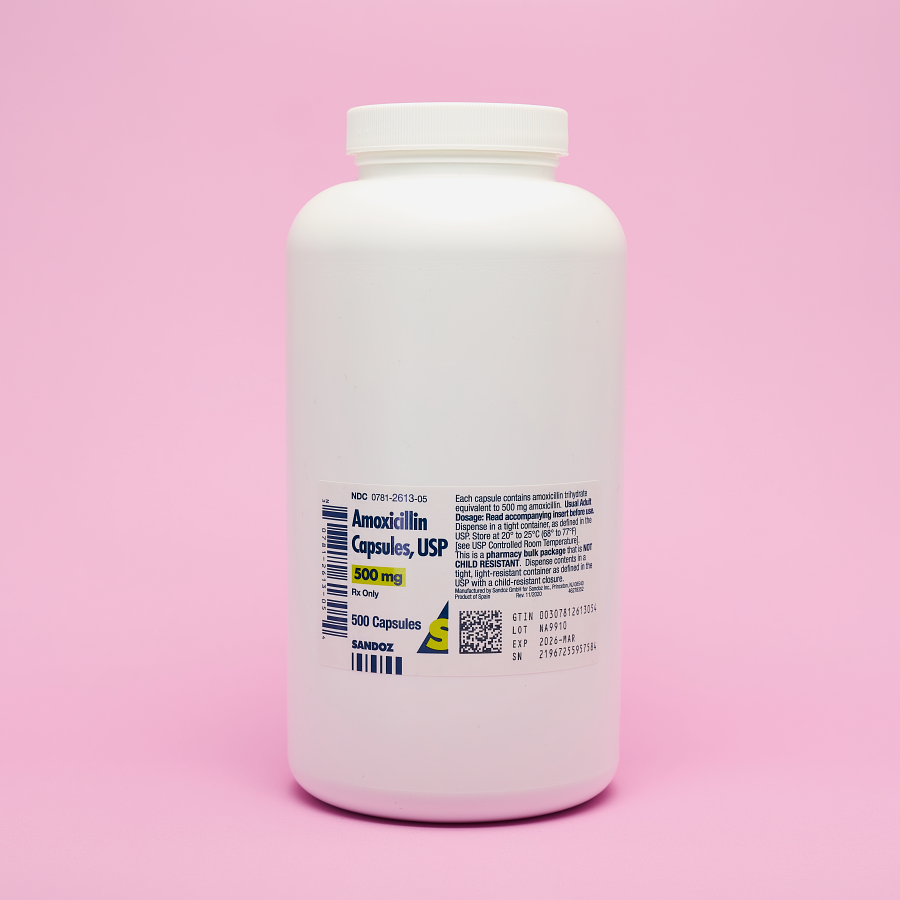
Amoxicillin Capsules
From $28.99
A penicillin antibiotic that contains only amoxicillin and is prescribed to treat bacterial infections.
Cephalexin Capsules
From $32.99
A cephalosporin antibiotic, that is prescribed to treat bacterial infections such as pneumonia and respiratory tract infections.
Azithromycin
From $28.99
A macrolide antibiotic that may be prescribed when people have a penicillin allergy.
Sulfamethoxazole / Trimethoprim DS
From $29.99
A combination antibiotic that is prescribed to treat bacterial infections such as UTIs and ear infections.
Doxycycline
A tetracycline antibiotic that may be prescribed for acne as well as bacterial infections and can be used when someone has an allergy to penicillin.
We Have Amoxicillin in Stock. Get Yours Today!
Important: Information on this page is for educational purposes only. Prescribing decisions are made by independent, licensed providers. TelyRx operates technology-enabled pharmacies and a telehealth platform that connects patients with board-certified licensed providers. Prescriptions, when provider-approved and issued, are filled and shipped by TelyRx-affiliated pharmacies. We do not employ physicians or make prescribing decisions. Learn more about our editorial standards here.