How It Works
Albuterol inhalation solution works by targeting beta-2 receptors located in the smooth muscle cells that line the airways. When nebulized albuterol mist is inhaled, the drug’s molecules travel into the lungs and bind to these receptors.
This triggers a chemical signal instructing the smooth muscles to relax, which in turn allows the airway to widen, reduces resistance to airflow, and decreases the work of breathing to alleviate symptoms like wheezing. Some clinical trials also suggest that albuterol increases the movement of tiny hairs in the airway called cilia, allowing the body to clear mucus and irritants from the lungs more effectively.
| Quick Facts | |
|---|---|
| Common Brands | Ventolin, ProAir, and Proventil (albuterol HFA metered dose inhaler versions) |
| Drug Class | Beta-2 adrenergic agonist; bronchodilator |
| Generic Status | Generic for Ventolin, ProAir, Proventil |
| Availability | Prescription only |
Dosing
Albuterol nebulizer dosage varies by factors such as the patient’s age, severity of symptoms, and concentration of the solution.
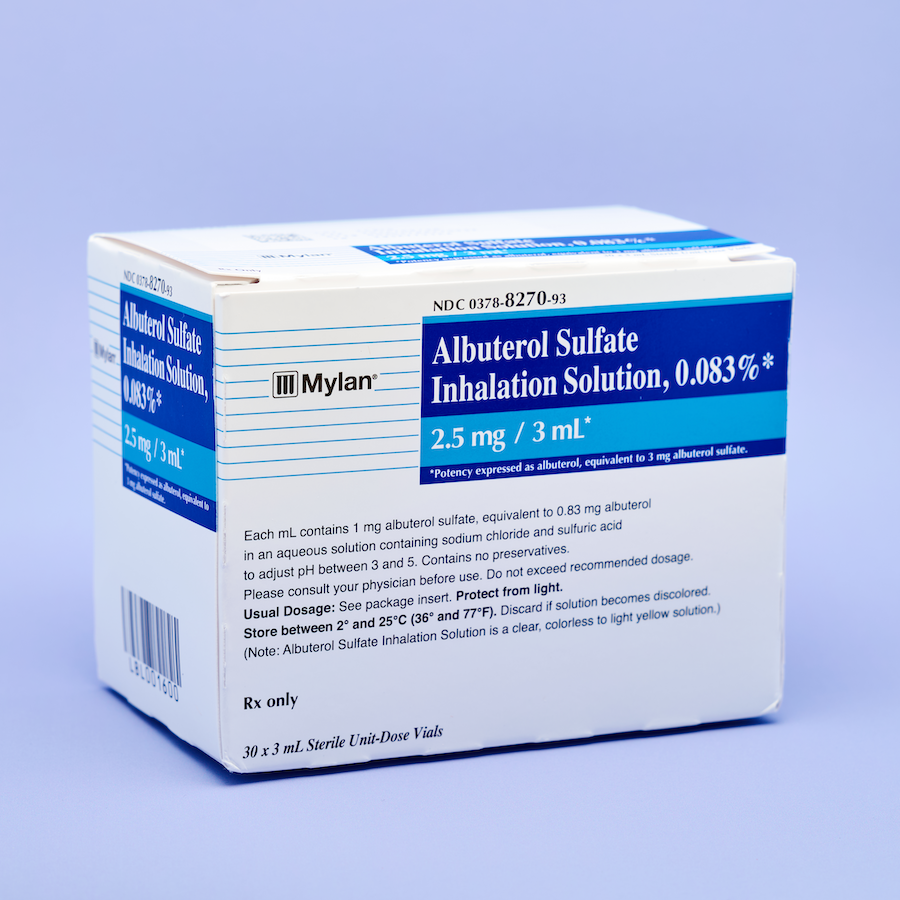
- Standard dose: The most common albuterol inhalation solution dosage for adults is 2.5 milligrams (mg) of albuterol in 3 milliliters (mL) of saline. It is most commonly packaged in pre-filled plastic “nebules” or vials.
- Frequency: Per standard guidelines, patients are advised to use one vial of albuterol solution every 4 to 6 hours as needed to minimize symptoms. A provider might recommend more frequent treatments in an emergency room and other acute settings.
- Concentration solutions: A 0.5% concentrated solution (2.5 mg in 0.5 mL) is available in clinical settings. For this version, dilution with sterile normal saline is usually required prior to administration.
- Administration time: Each nebulizer session takes about 5 to 15 minutes, or until the nebulizer begins to sputter – this indicates the vial is almost empty.
Note: Dosing information is educational only. Your prescribing physician will determine your specific dose based on your individual health needs. Always follow your healthcare provider’s instructions for exact dosing.
Uses
FDA-Approved Uses
Albuterol inhalation solution is FDA-approved to treat bronchospasm in patients with asthma or chronic obstructive pulmonary disease (COPD). The drug is also FDA-approved as short-term prevention of bronchospasm for individuals who are prone to exercise-induced bronchospasm, though inhalers are more commonly prescribed for this purpose.
Off-Label Uses
You may see albuterol inhalation solution prescribed for uses that are not “FDA-approved.” This is a very common and legal practice called “off-label” prescribing, where a doctor uses their clinical judgment to prescribe a drug for a different (but well-researched) purpose.
Common off-label uses for albuterol inhalation solution currently found in clinical research and practice include:
- Hyperkalemia: In hospital settings, providers may administer high doses of nebulized albuterol to lower dangerously high potassium levels in the blood.
- Cystic fibrosis: Albuterol is often prescribed as pre-treatment for cystic fibrosis before chest physiotherapy to open the airways and make mucus easier to clear.
Get Savings Updates for Albuterol Inhalation Solution
Join our mailing list for exclusive deals and more.
Side Effects
Albuterol inhalation solution acts on adrenergic receptors, so it can trigger a “fight or flight” response – especially among people who aren’t used to this type of medication delivery. If this occurs, the drug can have systemic effects that go beyond the lungs.
Common Side Effects
- Tremors or shakiness
- Nervousness or anxiety
- Tachycardia (fast heart rate)
- Headache
- Throat irritation
Serious Side Effects
Serious side effects are rare, but it’s important to know what to look for if they do occur. Serious side effects of using albuterol inhalation solution can include:
- Paradoxical bronchospasm: In rare cases, albuterol can cause the airways to tighten after use and produce bronchospasm. This is considered a medical emergency.
- Hypokalemia: Albuterol is known to lower potassium levels. If these levels get too low, patients may develop hypokalemia, which can lead to muscle weakness and heart rhythm issues.
- Hypertension: Some people report increased blood pressure after using albuterol.
- Chest pain: Chest pain may occur after using albuterol, though this can indicate an underlying cardiovascular strain.
- Severe allergic reaction: As with any medication, albuterol can lead to anaphylaxis with people who are allergic to one or more of the drug’s ingredients.
Call your doctor immediately if you experience any concerning or prolonged symptoms.
Pharmacist Tips
Check the Vial
It is recommended to inspect the albuterol vial before each nebulizer session. If the liquid is yellowish or brownish, this can indicate oxidation and loss of potency – it is advised to discard the vial and use one with clear, colorless liquid.
Proper Storage Is Key
Per standard guidelines, all albuterol vials should be kept in their original foil pouch until they are ready to use. Since albuterol is light-sensitive, vials should be used no later than 2 weeks after the foil is removed.
Create a Cleaning Schedule
Standard guidelines recommend cleaning the nebulizer cup and mouthpiece with warm water after each use, and deep-cleaning these components once per week. This keeps the equipment hygienic and helps prevent respiratory infections.
Rinse Your Mouth
Rinsing your mouth after an albuterol nebulizer treatment can minimize some of the dryness and bad taste the misted medication can sometimes produce.
Monitor Your Treatment
It is recommended to talk to your provider if you are using the nebulizer more than twice a week for “rescue” purposes, as this can indicate the medication is not properly controlling your asthma or COPD.
Drug Interactions
Albuterol is known to interact with a few medications, particularly those that work within the heart or nervous system. These interactions include:
- Beta-blockers: Beta-blockers like metoprolol and propranolol can interfere with the effects of albuterol, making it less effective and leaving patients more susceptible to the symptoms of their obstructive airway disease. For asthma patients, some beta-blockers can also cause the airway to constrict.
- Diuretics: Certain diuretics classified as water pills can lower potassium levels, so combining them with albuterol can increase the risk of hypokalemia.
- Digoxin: Albuterol can increase the amount of digoxin in the blood, which often necessitates a dosage adjustment.
- Monoamine oxidase inhibitors (MAOIs) and tricyclic antidepressants (TCAs): Using albuterol with MAOIs or tricyclic antidepressants can lead to severe cardiovascular strain and high blood pressure. Standard guidelines suggest waiting at least 14 days after stopping these medications before using albuterol.
Always give your doctor and pharmacist a complete list of all your medications, vitamins, and supplements to check for potential interactions.
FAQs
What is the difference between albuterol solution (nebulizer) and an albuterol inhaler (HFA)?
The difference between albuterol solution and an albuterol inhaler has to do with delivery method.
An inhaler is portable and capable of delivering a quick puff of medicine, so the patient must coordinate their breathing with using the spray.
A nebulizer solution is inhaled as mist for several minutes, making it easier for people with respiratory distress and those who cannot easily operate an inhaler.
Can I mix other medications (like ipratropium or budesonide) in the nebulizer cup with albuterol?
Your provider may recommend mixing other medications like ipratropium or budesonide in the nebulizer cup with albuterol for convenience.
However, it is advised to only do so with express consent from your doctor and using medications that are chemically compatible. The medication DuoNeb is a pre-mixed solution containing both albuterol and ipratropium.
How do I know if the albuterol solution has expired or gone bad?
Each albuterol vial should have an expiration date on its packaging. Regardless of the printed date, you should inspect the vial to check for discoloration, cloudiness, or other indicators the solution has oxidized and lost some of its potency. The vial solution should always be clear and colorless.
Why are there different strengths of albuterol solution?
Albuterol inhalation solution generally comes in two different strengths. The 0.083% form is considered the standard pre-diluted dose. A 0.5% concentrated form may be used if a provider wants to limit the amount of liquid used, or when custom dosing is needed.
How often can I safely use the nebulizer in one day?
Standard guidelines limit most people to three or four albuterol nebulizer sessions per day. If you feel this number is insufficient, it is advised to speak with your provider because your condition may be worsening.
Do I need to dilute the 0.5% concentrated solution with saline before using it?
Yes, it is typically recommended to dilute the 0.5% concentrated albuterol solution with sterile normal saline before using it. This ensures the nebulizer can properly produce mist, and it also helps prevent irritation from the high concentration.
Can I use albuterol solution for a cough even if I don’t have asthma?
Most providers prescribe albuterol inhalation solution for people with a cough caused by bronchospasm. The medication is generally not effective against standard viral cough or wet cough that does not involve airway constriction.
Should I use a face mask or a mouthpiece for the nebulizer?
Many people prefer using a mouthpiece with their nebulizer because it delivers the medication more directly into the lungs. However, a face mask may be the more practical option for people who are unable to hold the mouthpiece.
Can I use tap water in the nebulizer if I run out of saline?
No, it is not recommended to use tap water in the nebulizer if you run out of sterile normal saline. Tap water is not sterile, and it may contain bacteria or minerals that irritate the lungs. It is always advised to use sterile normal saline, per your provider’s instructions.
Does albuterol solution contain steroids?
No, albuterol is a bronchodilator whereas steroids like Pulmicort (budesonide) are used to reduce inflammation. They can both be effective, but work in different ways.
How do I clean the nebulizer cup to prevent infections?
Per standard guidelines, you should rinse the nebulizer cup and mouthpiece with warm water after every use, then allow these components to air dry. It is also advised to soak these parts in a mixture of white vinegar and water or specialized medical disinfectant once per week to kill bacteria.
Can I drink coffee or caffeine while using albuterol?
Your provider may recommend against drinking coffee or caffeinated beverages while using albuterol. Caffeine and albuterol are both bronchodilators, so combining them can increase the risk of side effects like shakiness and a racing heart.
Comparable Medications
Albuterol Inhalation Solution, Albuterol HFA Inhaler, Albuterol Powder, Levalbuterol, Ipratropium/Albuterol, or Budesonide?
Albuterol inhalation solution is a prescription-strength medication administered through a nebulizer to minimize wheezing, coughing, and other symptoms of reversible airway diseases like asthma and COPD. Depending on your age, medical history, and other factors, your provider may recommend an alternative to albuterol solution instead. Common albuterol inhalation solution alternatives include:
Albuterol HFA
From $39.99
An albuterol HFA inhaler is considered the gold standard for portability and convenience, making it ideal for rescue situations when you're away from home. However, the nebulizer can work more effectively in instances when the patient's breath is too shallow to pull the HFA inhaler medication into their airway.
Sold under the brand name RespiClick, this form of albuterol is a dry-powder inhaler that removes the need for pressing the inhaler device and breathing at the same time. However, it requires very quick inhalation. Patients who have low lung capacity or those experiencing a COPD flare may find the nebulizer more effective because it only requires normal breathing.
Levalbuterol HFA Inhaler
From $118.99
Levalbuterol is related to albuterol solution, but only contains the R-isomer of the albuterol molecule. Clinical trials suggest levalbuterol may produce fewer side effects, and is potentially a better fit for patients with heart conditions or those sensitive to the "jittering" side effect of standard albuterol solution.
Sold under the brand name DuoNeb, this mediation combines ipratropium and albuterol for dual-action bronchodilation. Albuterol relaxes muscles in the airway while ipratropium blocks tightening signals, so this combination may be preferred for patients with COPD or severe asthma who don't get the relief they need from albuterol on its own.
Budesonide / Formoterol Inhaler
From $249.99
Albuterol is designed to immediately open the airway as a rescue medication, but it does not relieve the underlying inflammation. Budesonide is a maintenance medication used to help reduce swelling over time but cannot quickly open the airway during a sudden attack. Patients may be prescribed both medications with specific instructions to use each medication in different circumstances.
We Have Albuterol Inhalation Solution in Stock. Get Yours Today!
Important: Information on this page is for educational purposes only. Prescribing decisions are made by independent, licensed providers. TelyRx operates technology-enabled pharmacies and a telehealth platform that connects patients with board-certified licensed providers. Prescriptions, when provider-approved and issued, are filled and shipped by TelyRx-affiliated pharmacies. We do not employ physicians or make prescribing decisions. Learn more about our editorial standards here.