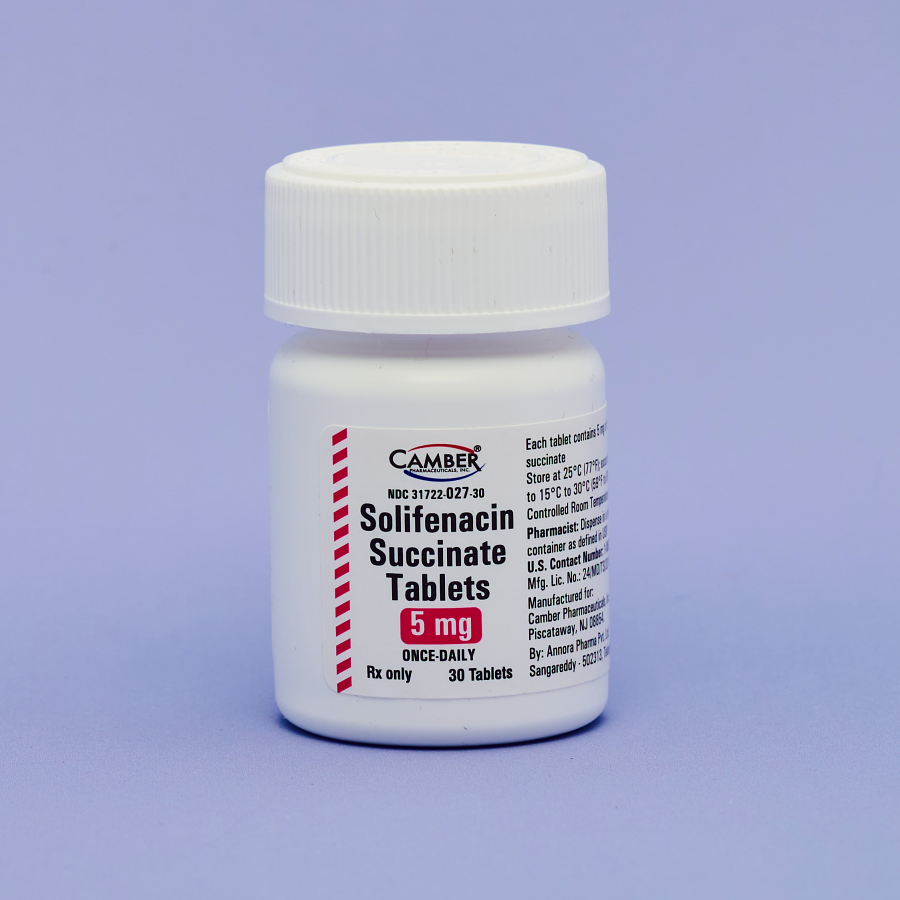
How It Works
Solifenacin belongs to a class of medications known as antispasmodics, antimuscarinics, or anticholinergics. It works by relaxing the bladder’s detrusor muscle, which wraps around the bladder. This relaxation allows the bladder to hold a larger volume of liquid and reduces sudden and frequent urges to urinate.
| Quick Facts | |
|---|---|
| Common Brands | Vesicare, Vesicare LS |
| Drug Class | Anticholinergic, antimuscarinic, antispasmodic |
| Generic Status | Generic is available |
| Availability | Prescription only |
Dosing
Solifenacin tablets come in 5 mg and 10 mg dosage strengths. The recommended dose is one tablet by mouth daily. The starting dose is 5 mg daily, which may be increased to 10 mg daily by your healthcare provider.
Solifenacin can be taken with or without food, but should be swallowed whole with water.
Note: Dosing information below is educational only. Your prescribing physician will determine your specific dose based on your individual health needs. Always follow your healthcare provider’s instructions for exact dosing.
Uses
FDA-Approved Uses
Solifenacin is FDA-approved to treat overactive bladder in adults with symptoms of urinary frequency, urgency, or urge incontinence.
Off-Label Uses
You may see solifenacin prescribed for uses that are not “FDA-approved.” This is a common and legal practice called “off-label” prescribing, where a doctor uses their clinical judgment to prescribe a drug for a different (but well-researched) purpose.
Get Savings Updates for Solifenacin
Join our mailing list for exclusive deals and more.
Side Effects
Like all medications, solifenacin can cause side effects. Some common side effects may improve over time as your body adjusts to the medication. Other side effects may be serious and require medical attention.
Common Side Effects
- Constipation
- Dry mouth
- Blurred vision
- Dizziness
- Headache
- Fatigue
- Dry eyes
- Nausea
- Stomach pain
- Vomiting
- Indigestion
- Urinary tract infection (UTI)
Serious Side Effects
Serious side effects are rare, but it’s important to know what to look for if they do occur. Stop using solifenacin and call your doctor immediately if you experience:
- Severe allergic reactions: Symptoms include swelling of the face, lips, tongue, or throat; difficulty breathing or swallowing; racing heart; severe rash or itching; and/or fever.
- Angioedema: Solifenacin may cause a rare reaction that causes swelling of the lips, face, tongue, or throat.
- Urinary retention (inability to empty bladder): Solifenacin’s muscle-relaxing effects can sometimes make it difficult to empty the bladder entirely. The risk may be higher in people who already have a urinary blockage or take other medications for overactive bladder.
- Heat exhaustion or heat stroke: Solifenacin can increase the risk of experiencing heat-related illness in hot weather. Symptoms include high body temperature, decreased sweating, dizziness, tiredness, nausea, and dry skin due to decreased sweating.
- Heart rhythm changes (QT prolongation): Extremely high doses of solifenacin may cause the heart to take longer to contract and relax. Symptoms include a pounding chest, irregular heartbeat, shortness of breath, chest pain, and feeling faint or lightheaded.
- Central nervous system effects: Some people may experience hallucinations (seeing or hearing things that are not there), severe confusion, and sleepiness when taking solifenacin.
Call your doctor immediately if you experience any concerning or prolonged symptoms.
Pharmacist Tips
Take With or Without Food
Solifenacin can be taken with or without food. If it upsets your stomach, taking your dose with a meal may help.
Swallow Tablets Whole
Solifenacin tablets should not be chewed, cut, or crushed.
Avoid Getting Overheated
Because solifenacin reduces sweating, it can increase your risk for heat illness. Avoid spending time outdoors during the hottest parts of the day and limit or abstain from consuming dehydrating beverages like alcohol.
Be Careful When Driving
Some of the drug’s side effects include blurry vision, dizziness, and drowsiness. It’s best to hold off on driving or operating heavy machinery until you know how the medication affects you.
Be Patient
While most people notice some improvement during the first month of taking solifenacin, it can take longer for the drug to reach its full effect.
Consider Limiting Alcohol
While solifenacin does not directly interact with alcohol, drinking alcohol may worsen some of the drug’s side effects, including sleepiness, dizziness, and dehydration.
Stay Hydrated
Dry mouth and constipation are two of the drug’s most common side effects. Staying well-hydrated throughout the day can help offer relief.
Tell Your Provider if You’re Pregnant or Breastfeeding
It’s not known whether solifenacin can harm an unborn baby, but it can affect breast milk supply when taken for a long time. Your healthcare provider can guide you on how to keep you and your baby safe.
Store at Room Temperature
Solifenacin should be kept at room temperature between 68°F and 77°F (20°C to 25°C). Store the medication in a cool, dry place.
Don’t Take More Than One Dose Per Day
If you accidentally miss a dose of solifenacin, take it as soon as you remember, unless it is almost time for your next dose. In that case, skip the missed dose and take your next dose the following day. Do not take two doses of solifenacin on the same day.
Drug Interactions
Certain medications and substances can interact with solifenacin, potentially altering how it works or increasing the risk of side effects.
- Ketoconazole: This antifungal medication can interact significantly with solifenacin, so your doctor may recommend adjusting your dose.
- Other anticholinergic drugs: Taking solifenacin with other medications for overactive bladder (such as oxybutynin or tolterodine) may worsen side effects.
- Medications that affect heart rhythm: Avoid taking solifenacin with other medications that can cause QT prolongation (when the heart takes longer than usual to contract then relax).
Always give your doctor and pharmacist a complete list of all your medications, vitamins, and supplements to check for potential interactions.
FAQs
Can taking this drug long-term cause memory loss or dementia?
Solifenacin can cause nervous system side effects such as confusion, trouble concentrating, and even hallucinations in some people. Clinical trials have evaluated its safety for up to one year of continuous use.
How long does it take for solifenacin to actually stop my bladder leaks?
People tend to notice their overactive bladder symptoms improve within the first month of treatment. However, it can take a few months to experience the full effects of the medication.
What is the difference between brand-name Vesicare and generic solifenacin?
Solifenacin is the generic of the brand-name drug Vesicare. Both contain the same active ingredient. Generic solifenacin works the same way but is typically available at a much lower cost.
Why shouldn’t I take this medication if I have narrow-angle glaucoma?
Solifenacin is contraindicated for people with uncontrolled narrow-angle glaucoma. Anticholinergic medications can increase the pressure inside the eye, which can dangerously worsen this type of glaucoma.
Can I drink alcohol or coffee while taking this medication?
It is generally recommended to avoid drinking alcohol while taking solifenacin. Alcohol can intensify the medication’s sedative effects, making you feel sleepier and dizzier. Alcohol can also lead to dehydration and increase the risk of overheating. Coffee is not known to interact with solifenacin.
Can I split or crush the tablet if I have trouble swallowing pills?
No, solifenacin tablets should be swallowed whole. You should not chew, cut, or crush them. If you have difficulty swallowing the pills, talk to your prescriber about an alternative medication.
Is it safe to take this with my blood pressure or heart medications?
Solifenacin can cause a heart rhythm issue called QT prolongation. Taking it with certain heart medications may increase this risk. Always share a full list of medications with your healthcare provider.
Does solifenacin interact with grapefruit or grapefruit juice?
Solifenacin may interact with grapefruit or grapefruit juice. It is processed by the same liver enzymes that are affected by grapefruit and grapefruit juice. Ask your healthcare provider if you should avoid grapefruit while taking solifenacin.
Is this drug safe for men with an enlarged prostate (BPH)?
Solifenacin can be safe for men with an enlarged prostate (BPH), but caution is advised. Solifenacin may be prescribed alongside tamsulosin (Flomax) to help men with BPH manage frequent and urgent urination safely. However, if your enlarged prostate causes urinary retention (an inability to empty your bladder), solifenacin can be unsafe. Talk to a provider about your options.
What should I do if I forget to take my daily dose?
If you forget to take your daily dose of solifenacin, take it as soon as you remember, unless it is almost time for your next dose. In that case, you can skip it and take your next dose the following day. Avoid taking two doses of solifenacin in the same day.
Why do I feel dizzy or tired after taking solifenacin?
Dizziness, fatigue, and drowsiness are common side effects of anticholinergic medications. The drug acts on the nervous system to calm bladder spasms, which can inadvertently cause tiredness or dizziness.
Does this medication cure an overactive bladder or just treat the symptoms?
Solifenacin does not cure the underlying cause of an overactive bladder. Instead, it treats and manages the symptoms by relaxing the bladder muscle, allowing you to hold more urine and reducing the sudden urge to urinate.
Comparable Medications
Solifenacin, oxybutynin (Ditropan), tolterodine (Detrol), trospium (Sanctura), mirabegron (Myrbetriq), or vibegron (Gemtesa)?
There are several medications that your doctor can prescribe in place of solifenacin. Here are a few possible alternatives below.
Oxybutynin ER Tablets
From $32.99
An anticholinergic medication to treat overactive bladder
Tolterodine ER Capsules
From $69.99
An anticholinergic used to treat overactive bladder
Trospium
An anticholinergic used to treat overactive bladder
Mirabegron ER Tablets
From $359.99
A beta-3 adrenergic agonist used to treat overactive bladder
Vibegron
A beta-3 adrenergic agonist used to treat overactive bladder
We Have Solifenacin in Stock. Get Yours Today!
Important: Information on this page is for educational purposes only. Prescribing decisions are made by independent, licensed providers. TelyRx operates technology-enabled pharmacies and a telehealth platform that connects patients with board-certified licensed providers. Prescriptions, when provider-approved and issued, are filled and shipped by TelyRx-affiliated pharmacies. We do not employ physicians or make prescribing decisions. Learn more about our editorial standards here.