How It Works
Ketoconazole works by inhibiting the production of ergosterol, a key component of fungal cell membranes. Without adequate ergosterol, the cell membrane becomes unstable and more permeable, disrupting normal cell function and ultimately leading to the death of the fungus.
Thanks to this simple yet highly effective mechanism, ketoconazole has proven to be a versatile antifungal treatment capable of treating a wide range of conditions. In addition to being used for fungal infections, some providers prescribe ketoconazole as part of a combination treatment plan for hair thinning and loss.
| Quick Facts | |
|---|---|
| Common Brands | Nizoral, Extina, Ketodan, Ketozole, Kuric, Xolegel |
| Drug Class | Azole antifungal |
| Generic Status | Generic for Nizoral, Extina, Ketodan, Ketozole, Kuric, Xolegel |
| Availability | Prescription only |
Dosing
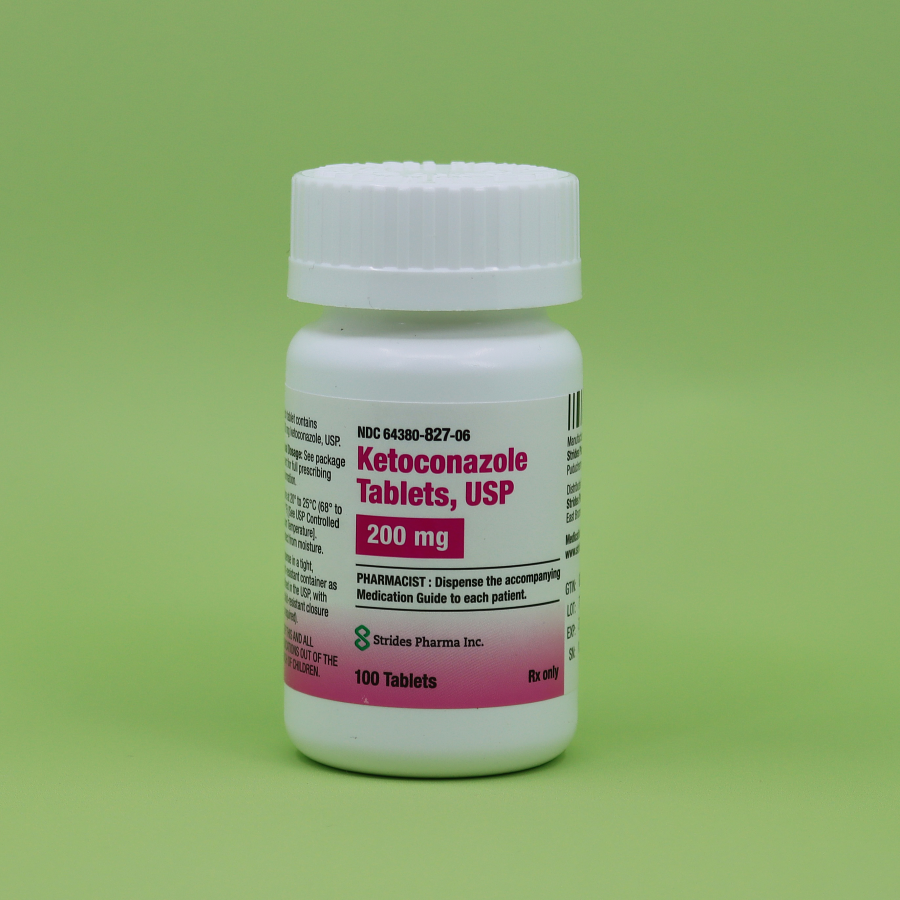
Ketoconazole prescriptions are often individualized based on the patient’s severity of symptoms and medical history. It is advised to follow the prescription instructions carefully to ensure effective treatment.
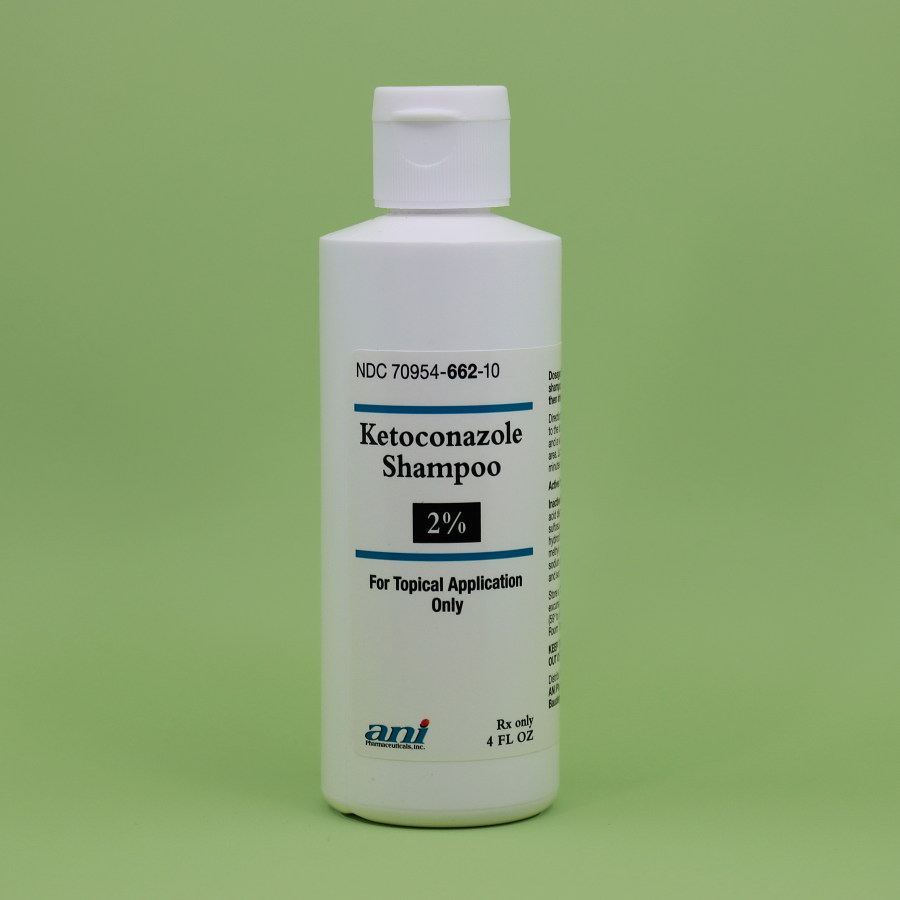
Ketoconazole Shampoo
- Application: Before using the topical, thoroughly wet the hair and scalp, and massage the shampoo into a thick lather,
- Duration: It is recommended to leave the lather on your scalp for 3 to 5 minutes before rinsing it out. This duration allows the medicine to penetrate the hair follicles.
- Frequency: Most providers recommend using the shampoo twice a week for 4 weeks, then once every two weeks for maintenance. These instructions will vary by patient.
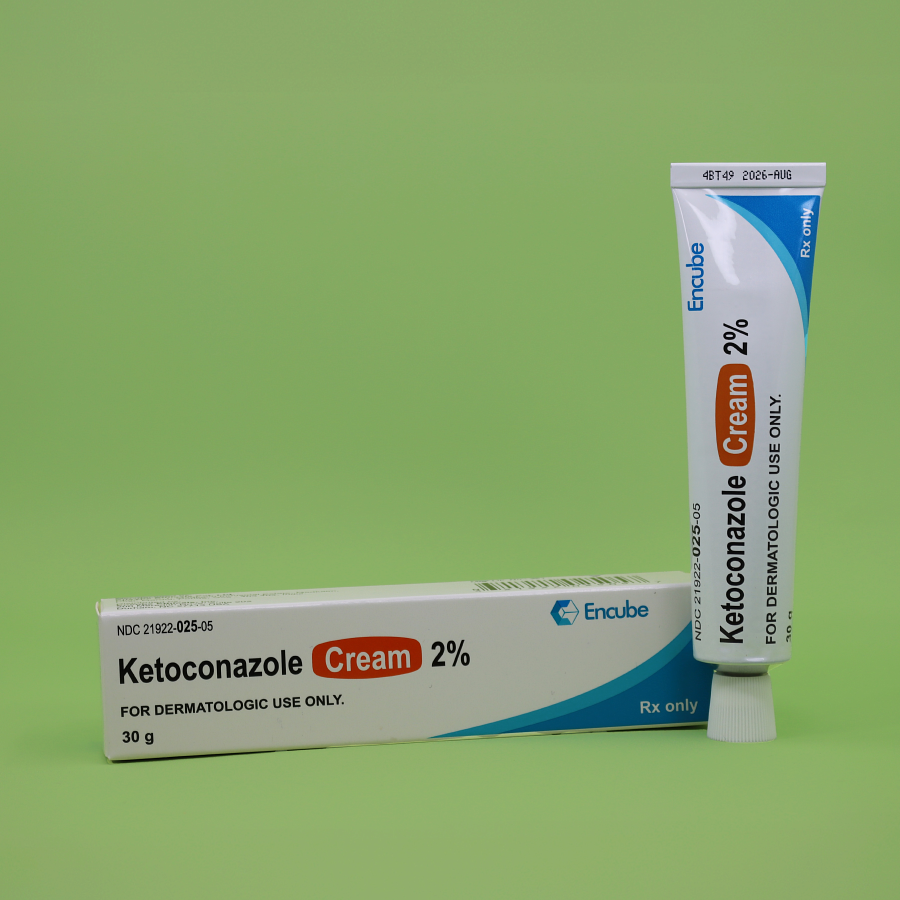
Ketoconazole Cream
- Preparation: It is advised to wash and dry the infected area before applying the cream.
- Application: Per standard guidelines, patients should apply a thin layer of ketoconazole to the affected area and surrounding skin.
- Duration and frequency: Specific instructions vary, but providers generally prescribe ketoconazole to be used once or twice a day for 2 to 6 weeks.
Note: Dosing information is educational only. Your prescribing physician will determine your specific dose based on your individual health needs. Always follow your healthcare provider’s instructions for exact dosing.
Uses
FDA-Approved Uses
Ketoconazole is FDA-approved to treat the following conditions:
- Seborrheic dermatitis: A condition that causes “greasy” yellow scales and redness on the scalp and face.
- Tinea corporis: A fungal infection of the body commonly known as ringworm.
- Tinea pedis: A fungal infection in the feet commonly referred to as athlete’s foot.
- Tinea cruris: A fungal infection in the groin area also known as jock itch.
- Tinea versicolor: A yeast-borne skin condition that causes discolored patches on the trunk and shoulders.
Off-Label Uses
You may see ketoconazole prescribed for uses that are not “FDA-approved.” This is a common and legal practice called “off-label” prescribing, where a doctor uses their clinical judgment to prescribe a drug for a different (but well-researched) purpose.
Common off-label uses for ketoconazole currently found in clinical research and practice include:
- Androgenetic alopecia: Commonly known as male or female pattern baldness, androgenetic alopecia can be treated with multiple drugs. Ketoconazole commonly serves as the “third pillar” of alopecia treatment along with minoxidil and finasteride.
- Malassezia folliculitis: Ketoconazole can be used to treat malassezia folliculitis, or fungal acne. Common symptoms include small, itchy, uniform bumps on the forehead, chest, and back.
- Beardruff: In addition to treating dandruff in the hair, ketoconazole can reduce flaking and itching in facial hair.
Get Savings Updates for Ketoconazole
Join our mailing list for exclusive deals and more.
Side Effects
When used topically, ketoconazole does not cause major systemic changes and is unlikely to produce serious side effects. However, some localized issues may still occur.
Common Side Effects
- Scalp and skin irritation
- Dry or brittle hair texture
- Oiliness or dryness in the scalp
Serious Side Effects
Serious side effects are rare, but it’s important to know what to look for if they do occur.
- Ketoconazole oral tablets carry a “black box” warning about an elevated risk of severe liver damage and QT prolongation, or dangerous heart rhythm changes. Per standard guidelines, the oral tablets should not be taken unless the patient is under close medical supervision.
- Topical ketoconazole does not carry the same warning, but poses a risk of severe allergic reaction for people who are allergic to one or more of the drug’s ingredients.
Call your doctor immediately if you experience any concerning or prolonged symptoms.
Pharmacist Tips
Wait To Rinse
Rinsing ketoconazole out of your hair immediately after it has been applied will probably not produce effective results. It is advised to let the medication remain on the hair for several minutes.
Watch The Jewelry
Ketoconazole won’t tarnish jewelry like topical medications containing sulfur, but it may still cause damage if large amounts of the topical come into contact with earrings, necklaces, and other wearable items. Check your jewelry periodically to ensure all of the items are in good condition.
Take Extra Steps To Protect Dyed Hair
Ketoconazole can dry out your hair, which is usually already damaged if dyed or permed. It is recommended to use high-quality conditioner to preserve color or a perm after the ketoconazole has been rinsed out.
For Oral Ketoconazole Tablets, Time Your Antacids And Acid Reflux Reducers
If you take ketoconazole oral tablets, it is recommended to avoid taking antacids or acid reflux reducers like Tums, Pepcid, or Prilosec for at least two hours. To be properly absorbed, ketoconazole tablets require a high concentration of acid in the stomach.
Drug Interactions
Topical ketoconazole does not have any serious interactions with other drugs, but the oral tablets are known to interact with a wide range of medications. Interactions with ketoconazole oral tablets include:
- Statins: Lovastatin, simvastatin, and other statins used to manage high cholesterol pose a risk of muscle damage and rhabdomyolysis when taken with ketoconazole tablets.
- Heart rhythm medications: Ketoconazole tablets carry a black box warning about affecting heart rhythms. As a result, it can interfere with the mechanisms of medications used to stabilize heart rhythm, such as dofetilide, quinidine, and pimozide.
- Tamsulosin: Sold under the brand name Flomax, tamsulosin is an alpha blocker normally used to treat an enlarged prostate. Combining this drug with ketoconazole can increase the tamsulosin in your body beyond normal levels and cause side effects like dizziness or elevated blood pressure.
- Opioids: Ketoconazole can interfere with the metabolism of certain opioids used for pain management, causing higher levels of the drug in the bloodstream. This increases the risk of overdose and may also lead to side effects such as drowsiness.
Always give your doctor and pharmacist a complete list of all your medications, vitamins, and supplements to check for potential interactions.
FAQs
Why is ketoconazole shampoo used for hair loss?
Ketoconazole is frequently used in combination with other medications as a multi-pronged hair loss treatment plan. It reduces scalp inflammation and helps prevent yeast overgrowth, both of which can contribute to thinning hair. Studies also suggest ketoconazole has mild anti-androgen effects.
Does ketoconazole block DHT (dihydrotestosterone)?
DHT is a hormone that plays a key role in muscle growth, hair growth, and other male sexual characteristics. Ketoconazole is thought to locally block DHT pathways at the hair follicles, though the drug is not as potent as internal blockers like finasteride.
How long should I leave ketoconazole shampoo on my scalp before rinsing?
It is recommended to leave ketoconazole shampoo on your scalp for several minutes. This allows sufficient time for the medication to penetrate the scalp and take effect. Rinsing out the shampoo quickly will have little to no effect.
Can I use ketoconazole cream on my face?
Yes, standard guidelines state you can use ketoconazole cream on your face to treat conditions like seborrheic dermatitis and fungal acne. It is recommended to apply a thin layer of cream to the affected area. Some redness or irritation may occur, but serious side effects are unlikely if the cream is applied correctly.
What is “fungal acne” and does ketoconazole treat it?
Fungal acne is acne caused by yeast overgrowth in the hair follicles. Ketoconazole is formulated to kill this yeast and clear up the red bumps, whereas other topical acne medications may be ineffective against fungal acne.
Is ketoconazole safe to use during pregnancy?
Ketoconazole oral tablets are generally not recommended during pregnancy due to a higher risk of fetal health problems and developmental abnormalities. While topical ketoconazole cream is considered low-risk, patients are still advised to speak to their doctor before using it.
Can I use ketoconazole shampoo on color-treated or permed hair?
Yes, you can use ketoconazole shampoo on color-treated or permed hair, but extra steps may be needed to preserve your desired look. It is recommended to use a high-quality conditioner in the shower after the ketoconazole shampoo has been rinsed out.
Does ketoconazole help with beard dandruff (beardruff)?
Yes, ketoconazole helps with beard dandruff, or beardruff. Ketoconazole has been shown to reduce the flaking and irritation associated with beardruff.
Can I use ketoconazole cream for jock itch or ringworm?
Yes, you can use ketoconazole cream for jock itch and ringworm. The drug is commonly prescribed and FDA-approved to treat both conditions.
Does ketoconazole interact with antacids or acid reflux reducers?
Yes, oral ketoconazole tablets interact with antacids and acid-reducing medications. These drugs are intended to reduce the amount of acid in your stomach, while ketoconazole tablets require a higher concentration of stomach acid to be properly absorbed.
Can I drink alcohol while taking oral ketoconazole?
No, it is highly advised not to drink alcohol while taking oral ketoconazole. Doing so significantly increases the patient’s risk of liver toxicity.
Does ketoconazole cause low testosterone in men?
Yes, oral ketoconazole can temporarily lower testosterone levels in men. This effect typically does not occur with topical ketoconazole because the shampoo or cream is not fully absorbed in the body.
Can I stop using ketoconazole once the flakes are gone?
It is not recommended to stop using ketoconazole once the flakes are gone. Fungal conditions frequently return, even if symptoms have completely disappeared. Completing the full treatment course is always advised.
What is the difference between ketoconazole and clotrimazole?
Ketoconazole and clotrimazole are both antifungal medications used to treat conditions like ringworm and jock itch. Clotrimazole is available over the counter and applied twice daily, while ketoconazole is a prescription-strength medication normally used once a day or less frequently. Ketoconazole also treats a wider range of conditions, including seborrheic dermatitis.
Comparable Medications
Ketoconazole, Clotrimazole, Selenium Sulfide, Finasteride, Minoxidil, Fluconazole, or Terbinafine?
Ketoconazole is a prescription medication used to treat conditions caused by fungal growth such as ringworm, jock itch, and fungal acne. It is also prescribed off-label to treat hair loss. Your doctor may recommend this medication or an alternative to ketoconazole based on your medical history and severity of symptoms. Ketoconazole alternatives include:
Clotrimazole Troches/Lozenges
From $89.99
Clotrimazole and ketoconazole are similar, in that they are both antifungal topical medications. Clotrimazole is an over-the-counter medication primarily used for athlete's foot, ringworm, and jock itch. Prescription-only ketoconazole treats a broader spectrum of medical conditions, including seborrheic dermatitis.
Selenium sulfide
Sold under the brand name Selsun Blue, selenium sulfide is an antifungal medication shown to be effective against dandruff and seborrheic dermatitis. Unlike ketoconazole, selenium sulfide is available over the counter, but it is not as effective as ketoconazole at treating severe fungal infections.
Finasteride
From $24.99
Finasteride is a prescription-strength medication often used as first-line treatment for hair loss. Although ketoconazole is not as effective, it can reduce scalp inflammation. These drugs are often used together as a combination hair loss treatment.
Minoxidil
Minoxidil is a topical medication that physically stimulates hair growth. This drug is commonly used as part of a "three-pillar" model of hair loss prevention and regrowth alongside ketoconazole and finasteride.
Fluconazole
From $22.99
Fluconazole and ketoconazole are both azole antifungals, but they differ in terms of usage, safety, and effectiveness. Fluconazole poses a lower risk of liver toxicity, and is most often taken as an oral tablet to target systemic, vaginal, and oral infections. Ketoconazole poses a higher toxicity risk so it is typically used as a shampoo or topical cream instead of oral medicine.
Terbinafine
From $57.49
Sold under the brand name Lamisil, terbinafine is an antifungal commonly prescribed to treat nail and skin infections. However, some studies have suggested terbinafine may also treat jock itch or athlete's foot.
We Have Ketoconazole in Stock. Get Yours Today!
Important: Information on this page is for educational purposes only. Prescribing decisions are made by independent, licensed providers. TelyRx operates technology-enabled pharmacies and a telehealth platform that connects patients with board-certified licensed providers. Prescriptions, when provider-approved and issued, are filled and shipped by TelyRx-affiliated pharmacies. We do not employ physicians or make prescribing decisions. Learn more about our editorial standards here.